
Explore
Explore Hōlanikū (Kure Atoll)
Meet the seabirds, shorebirds, koloa pōhaka, monk seals and native plants of the northernmost atoll in the Hawaiian archipelago, and see life at its remote field station.
Albatross nests from the December 2025 all-island count. Monk seals from the NOAA 2024 population estimate for Hōlanikū (112).
The atoll
Where is Hōlanikū?
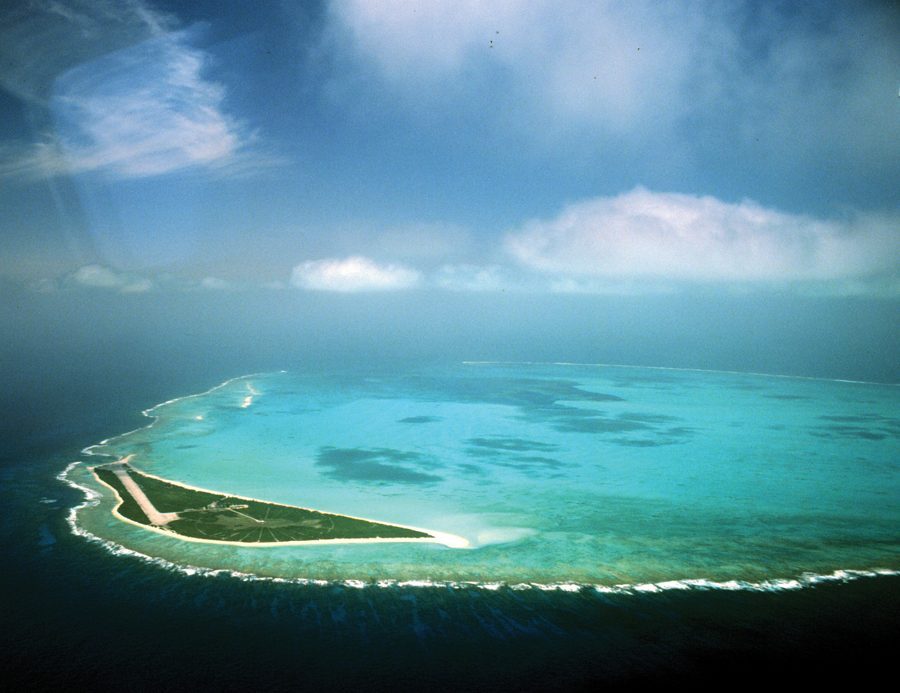
Hōlanikū sits at the far northwestern end of the Hawaiian archipelago, about 55 miles west-northwest of Kuaihelani (Midway Atoll) and nearly 1,400 miles from Honolulu. It is the northernmost coral atoll in the world, sitting at the “Darwin Point,” where cooler water slows coral growth until it barely keeps pace with the slow sinking of the old volcano beneath. Farther north, former islands have already sunk below the surface to become the Emperor Seamounts.
A ring of coral reef encircles a shallow lagoon. Green Island, about 222 acres (90 hectares) on the southeast side, is the atoll's only permanent island and home to most of its wildlife and the field station. Sand Island, a small sandbar nearby, shifts with the tides and storms.
Hōlanikū is managed by the State of Hawaiʻi as the Kure Atoll State Wildlife Sanctuary, and is part of Papahānaumokuākea Marine National Monument, a UNESCO World Heritage Site. Its name is often translated as "bringing forth heaven."
Wildlife residents
Seabirds
Most seabirds in Hawaiʻi now nest only in the Northwestern Hawaiian Islands, home to one of the largest and most important seabird colonies in the world. Eighteen species nest on Hōlanikū today, from tens of thousands of mōlī to the Cocos Booby, recently recognized as its own species. The rare makalena (Short-tailed Albatross) also visits from time to time. Select a bird to learn more.
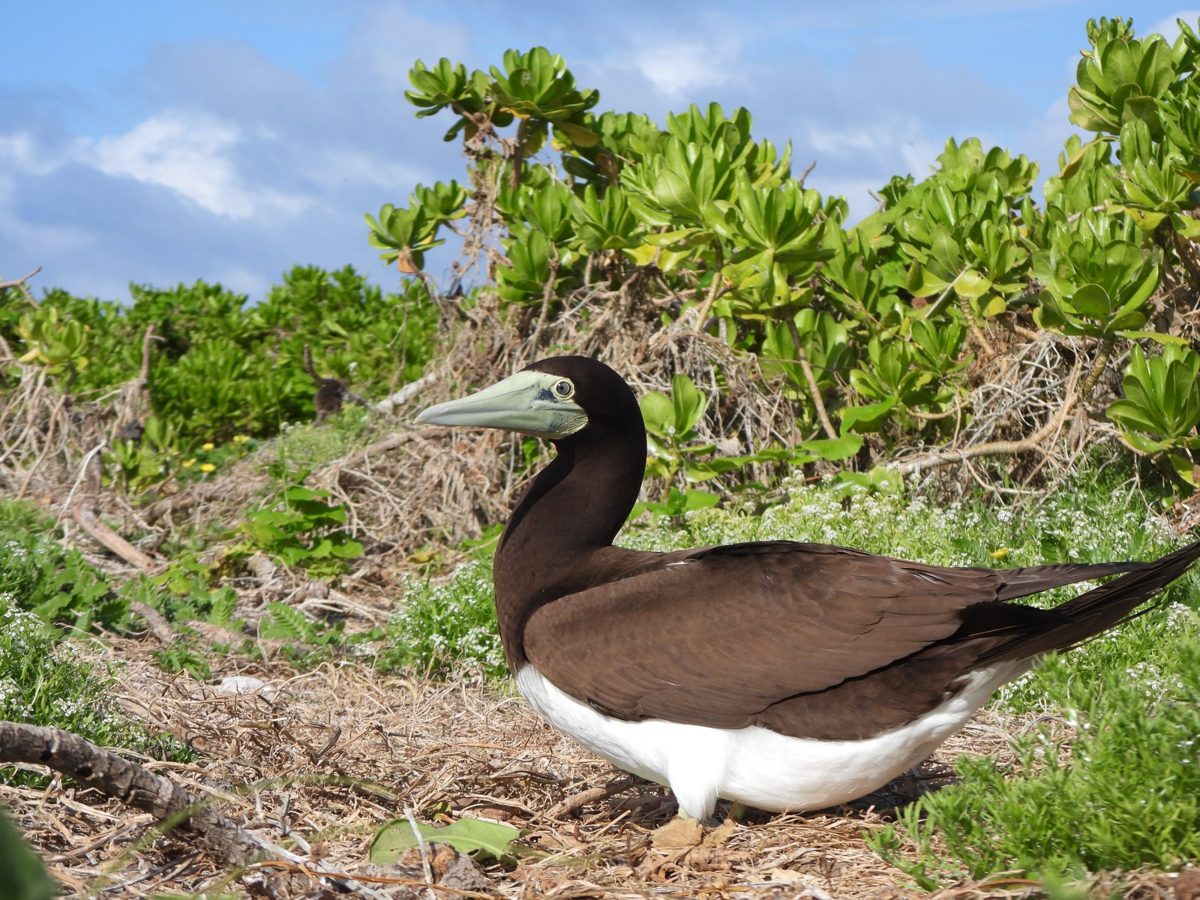 ʻĀBrown Booby
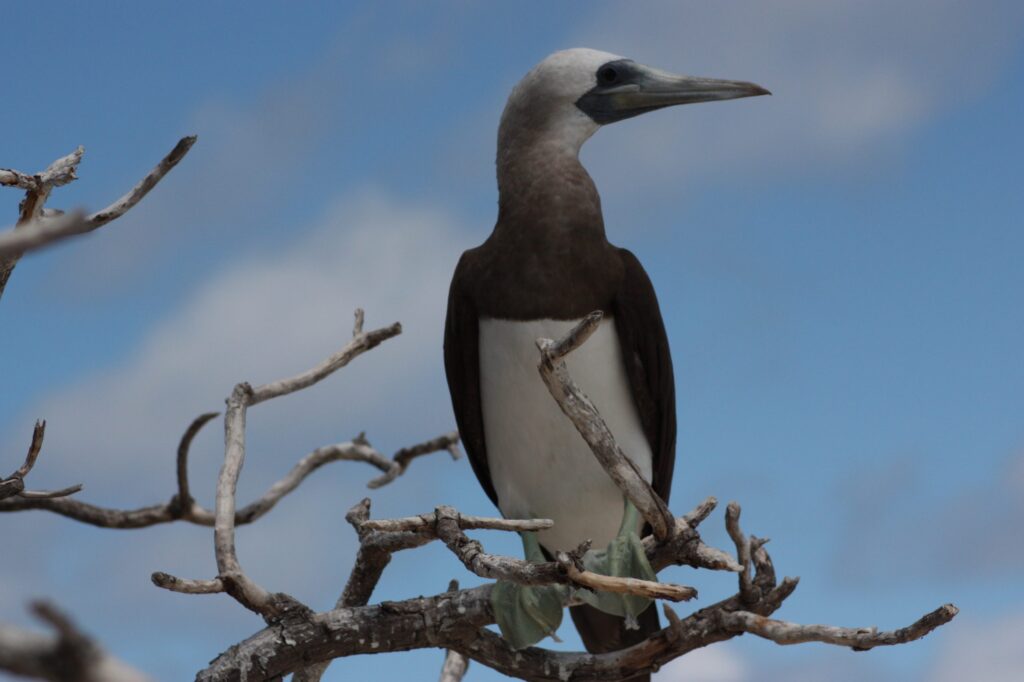 ʻĀCocos Booby
 ʻĀMasked Booby
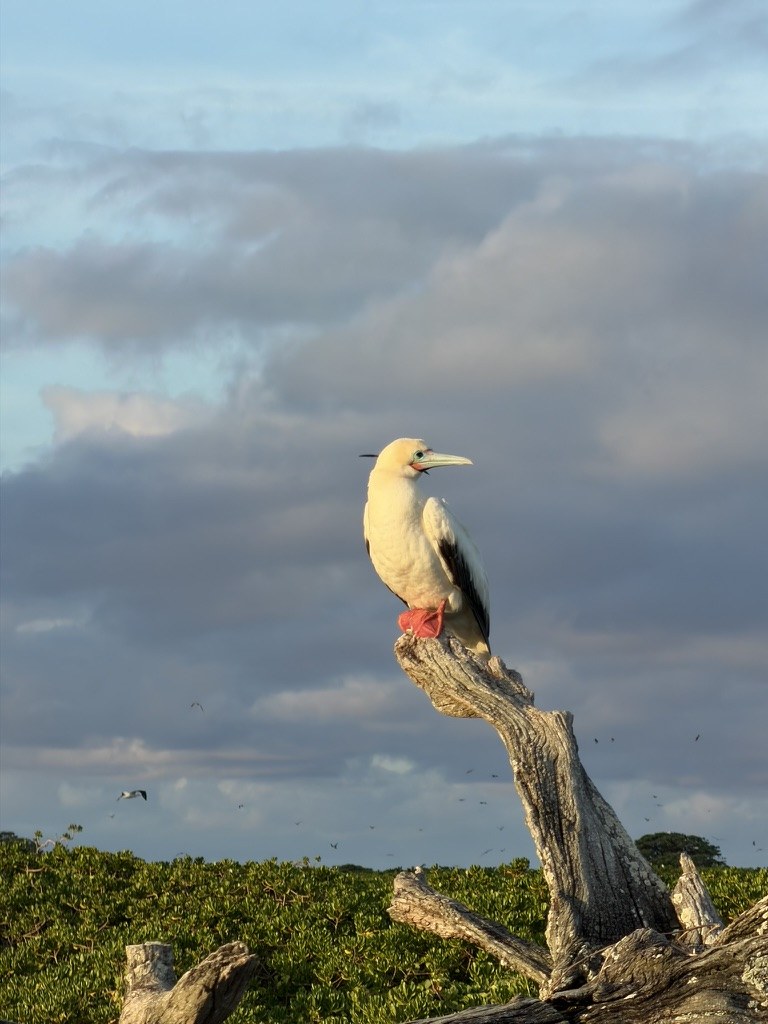 ʻĀRed-footed Booby
 ʻAkihikēʻehiʻaleTristram's Storm-Petrel
 ʻAoʻūChristmas Shearwater
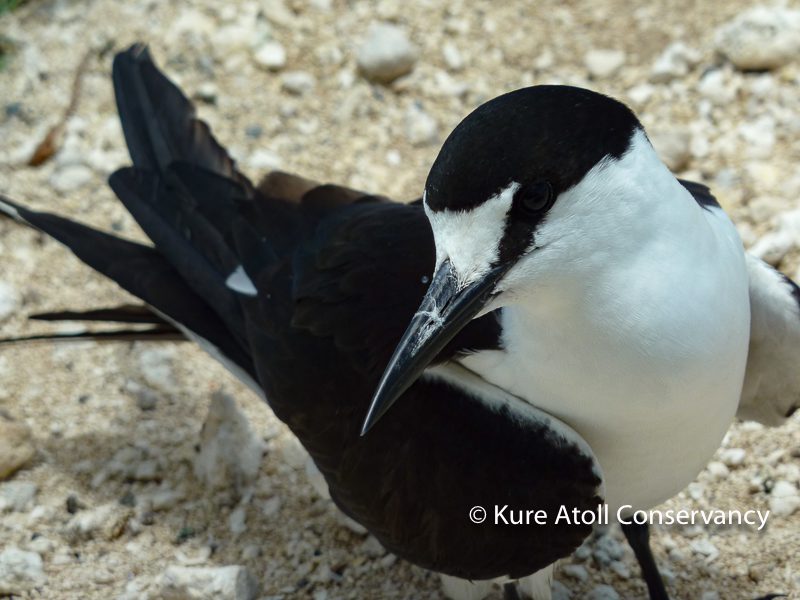 ʻEwaʻewaSooty Tern
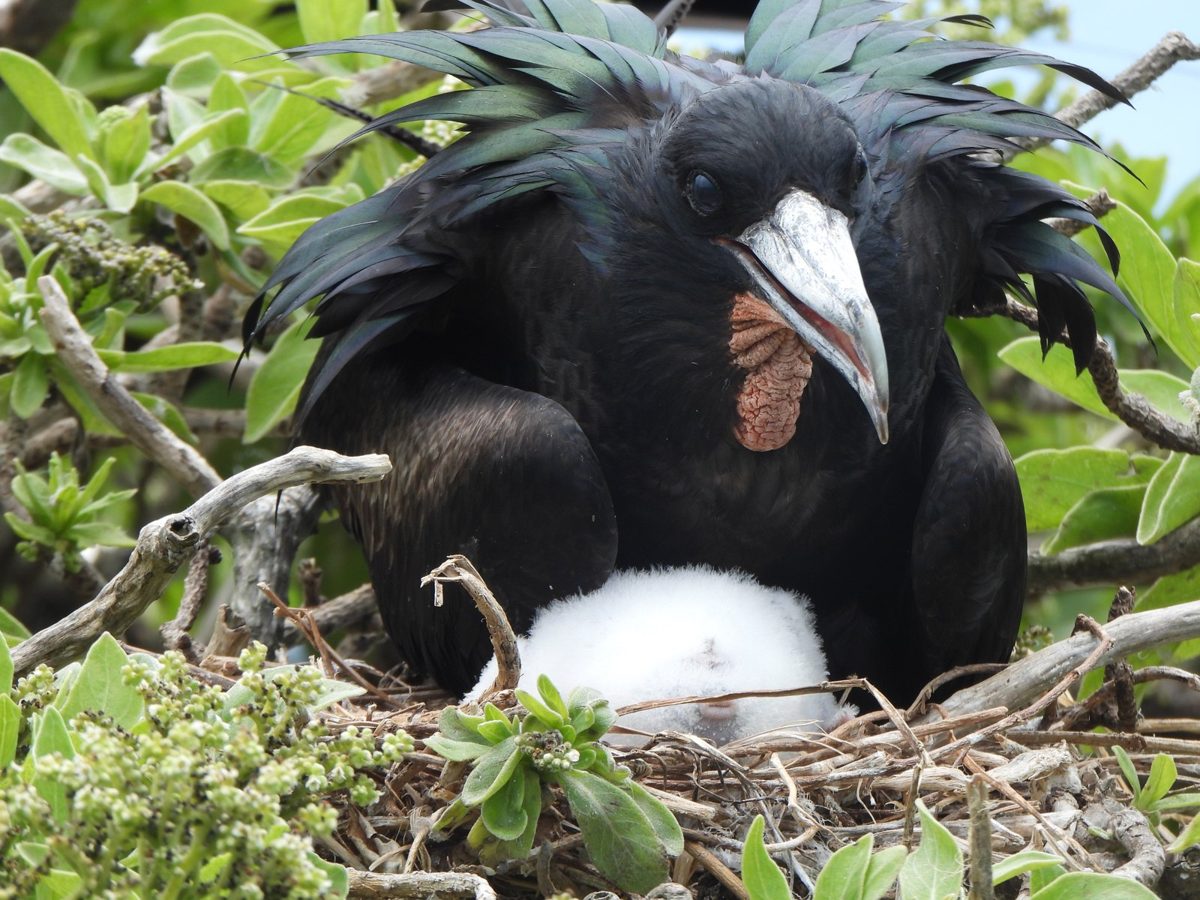 ʻIwaGreat Frigatebird
 ʻOuBulwer's Petrel
 ʻUaʻu kaniWedge-tailed Shearwater
 KaʻupuBlack-footed Albatross
 Koaʻe ʻulaRed-tailed Tropicbird
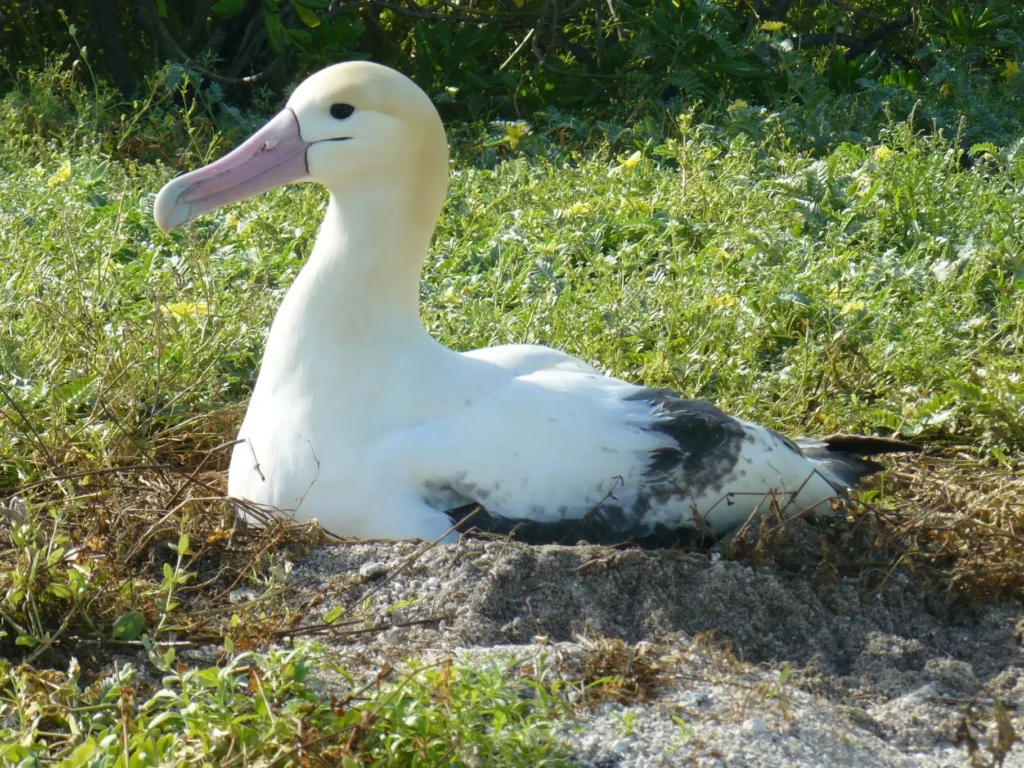 MakalenaShort-tailed AlbatrossRare visitor; has nested
 Manu-o-KūWhite Tern
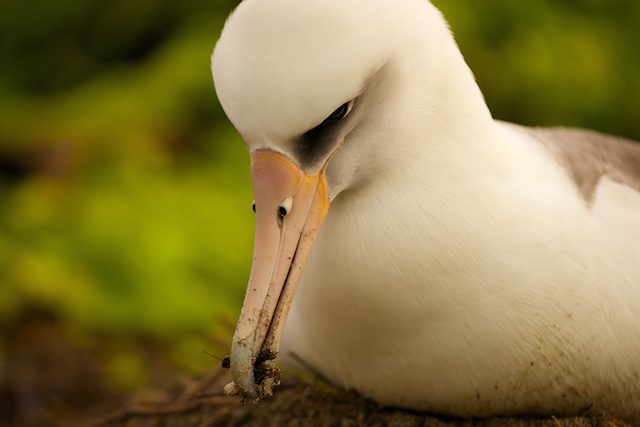 MōlīLaysan Albatross
 NoioBlack Noddy
 Noio kōhāBrown Noddy
 NunuluBonin Petrel
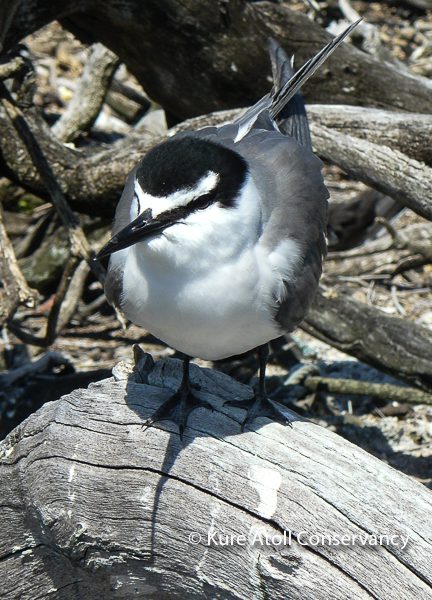 PākalakalaGray-backed Tern
Winter visitors
Shorebirds
Five migratory shorebirds spend the winter on Hōlanikū, foraging along its beaches and tidal flats after nesting in Alaska and the Arctic. Crews monitor them alongside the seabirds.
 HunakaiSanderling
 ʻAkekekeRuddy Turnstone
 ʻŪliliWandering Tattler
 KioeaBristle-thighed Curlew
 KōleaPacific Golden-Plover
Endangered and endemic
Koloa Pōhaka (Laysan Duck)
- Federally endangered
- State endangered
- IUCN Critically Endangered
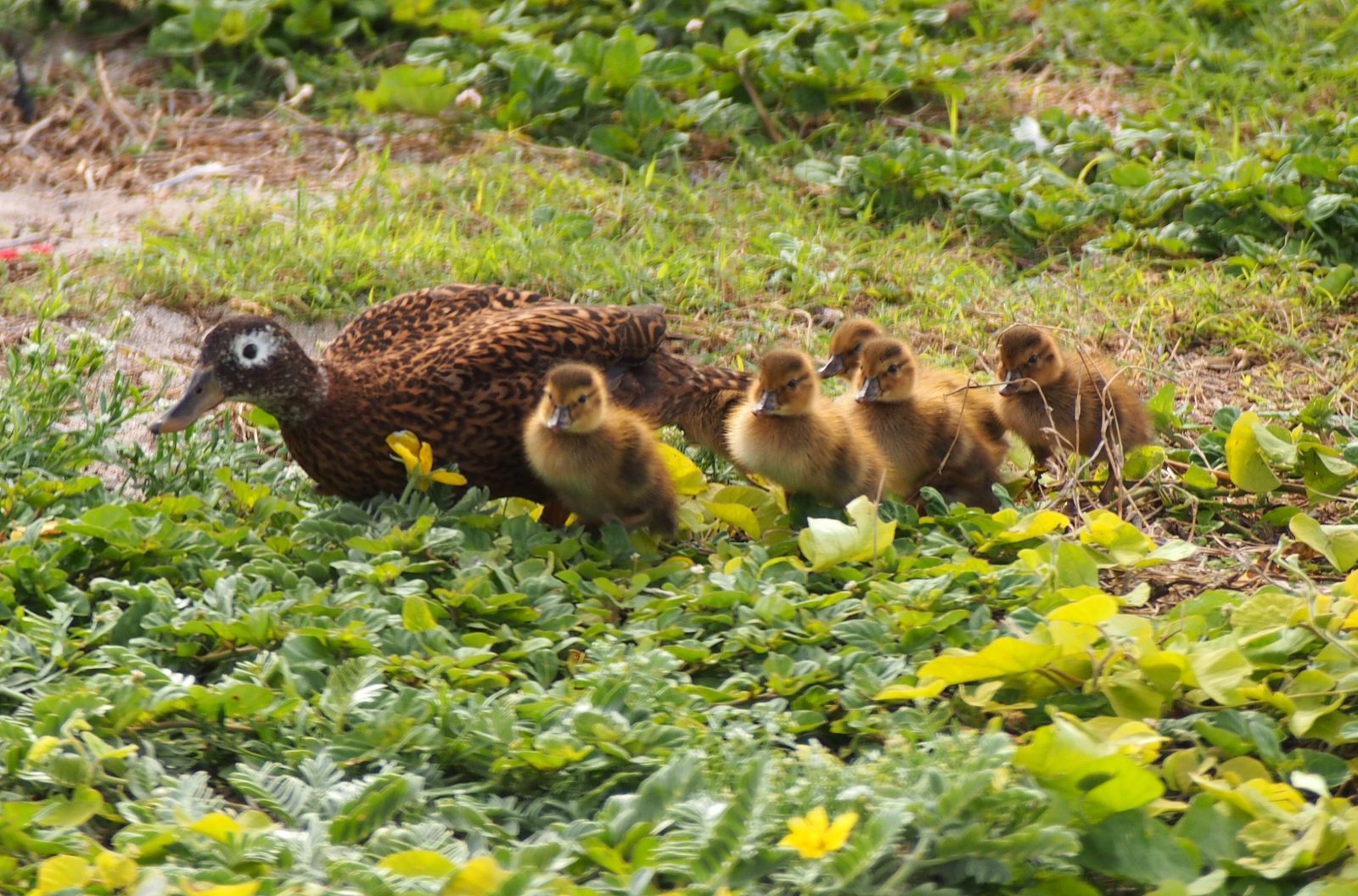
The koloa pōhaka is a small brown duck with a bright white eye ring, found only in Hawaiʻi. It once lived across the archipelago, but by the 1900s it survived only on Kamole (Laysan Island). It still has one of the smallest ranges of any duck in the world.
To give the species a safer future, ducks were moved to Kuaihelani (Midway Atoll) in 2004 and 2005, and to Hōlanikū in 2014 and 2023. In 2026 the Hōlanikū population was about 100 birds. Numbers can rise and fall with drought and disease, so crews monitor the ducks closely and manage freshwater seeps for them. Koloa pōhaka are mostly active at night, feeding on insects and seeds and resting under bunchgrass and shrubs during the day.
Reef and lagoon
Marine Life
The reef and lagoon of Hōlanikū are home to rare and endemic fish, rays, sea turtles and marine mammals.
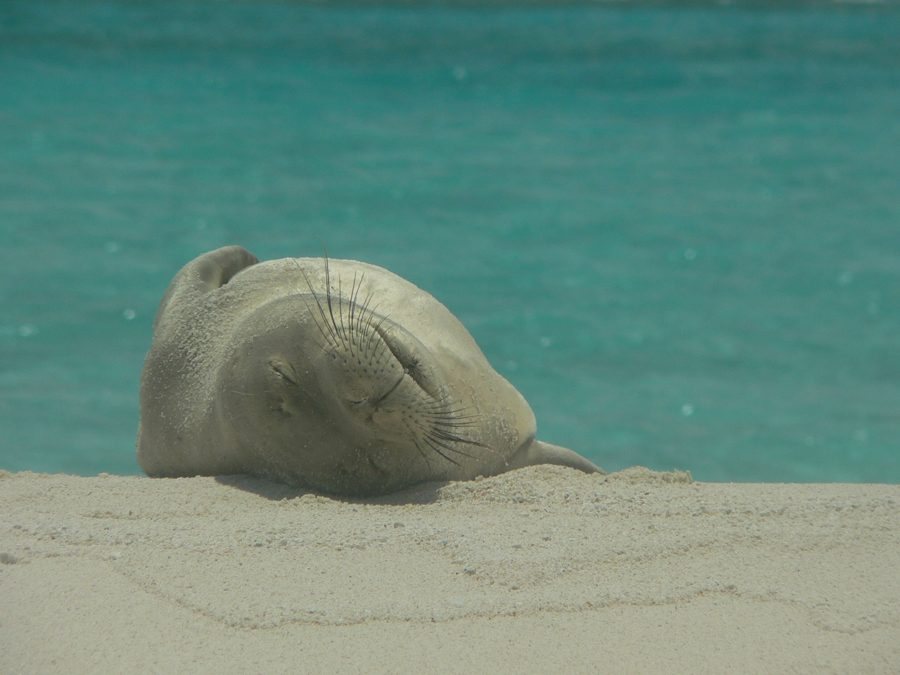
ʻĪlioholoikauaua (Hawaiian monk seal)
NOAA estimates that about 110 of these endangered seals, found only in Hawaiʻi, use Hōlanikū. In 2026, 23 pups were born here (preliminary KAC/DLNR count). Field crews document seals and pups year-round, and tagging and handling are done under NOAA research permits.
More about ʻīlioholoikauaua →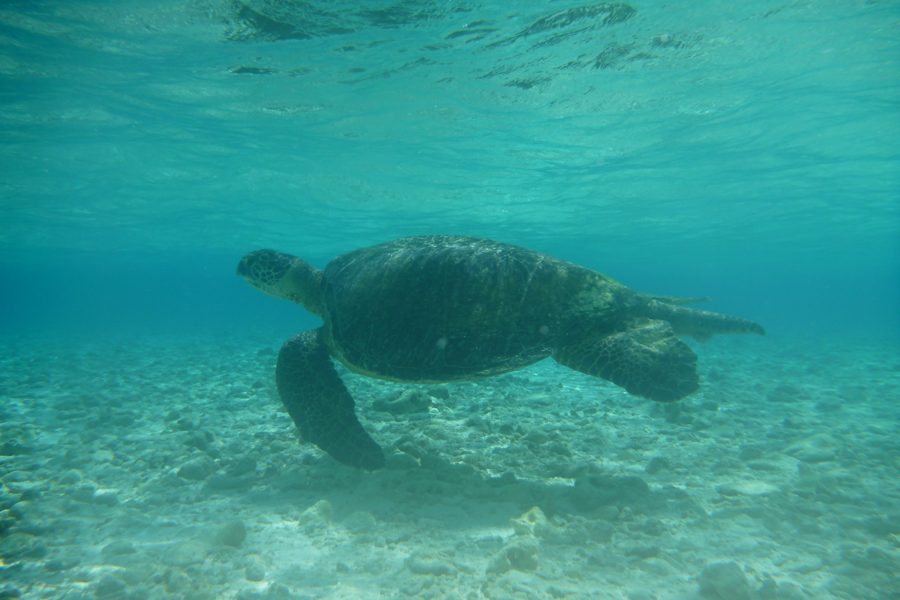
Honu (green sea turtle)
Honu feed and rest in the lagoon. Sailors in the 1800s described many turtles on Kure, but nesting is rare today. Restoring beach habitat could improve conditions for nesting in the future.
More about honu →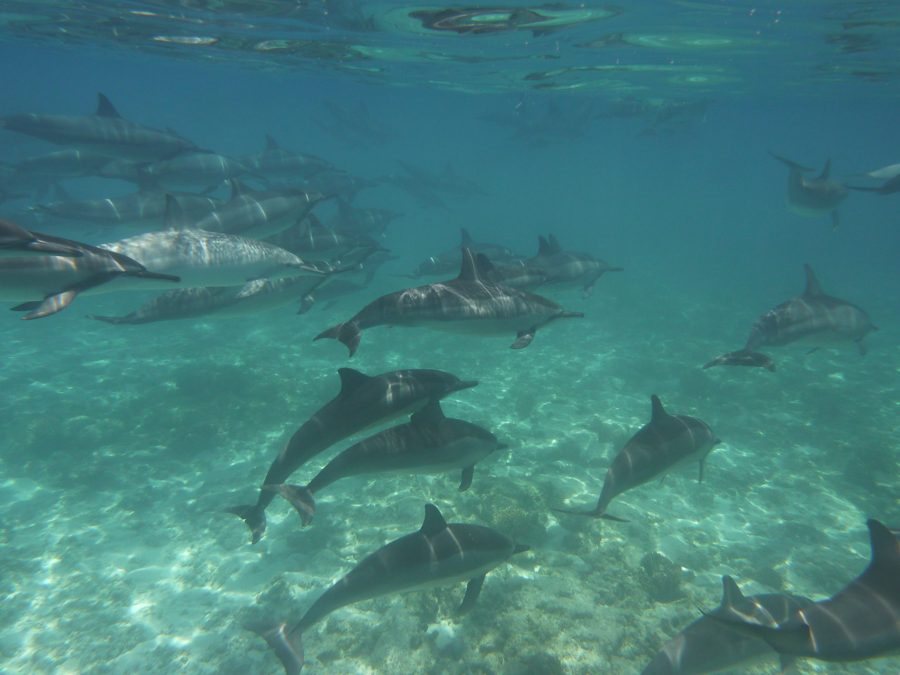
Naiʻa (spinner dolphin)
Pods of naiʻa rest in the calm lagoon during the day before heading out to feed at night.
More about naiʻa →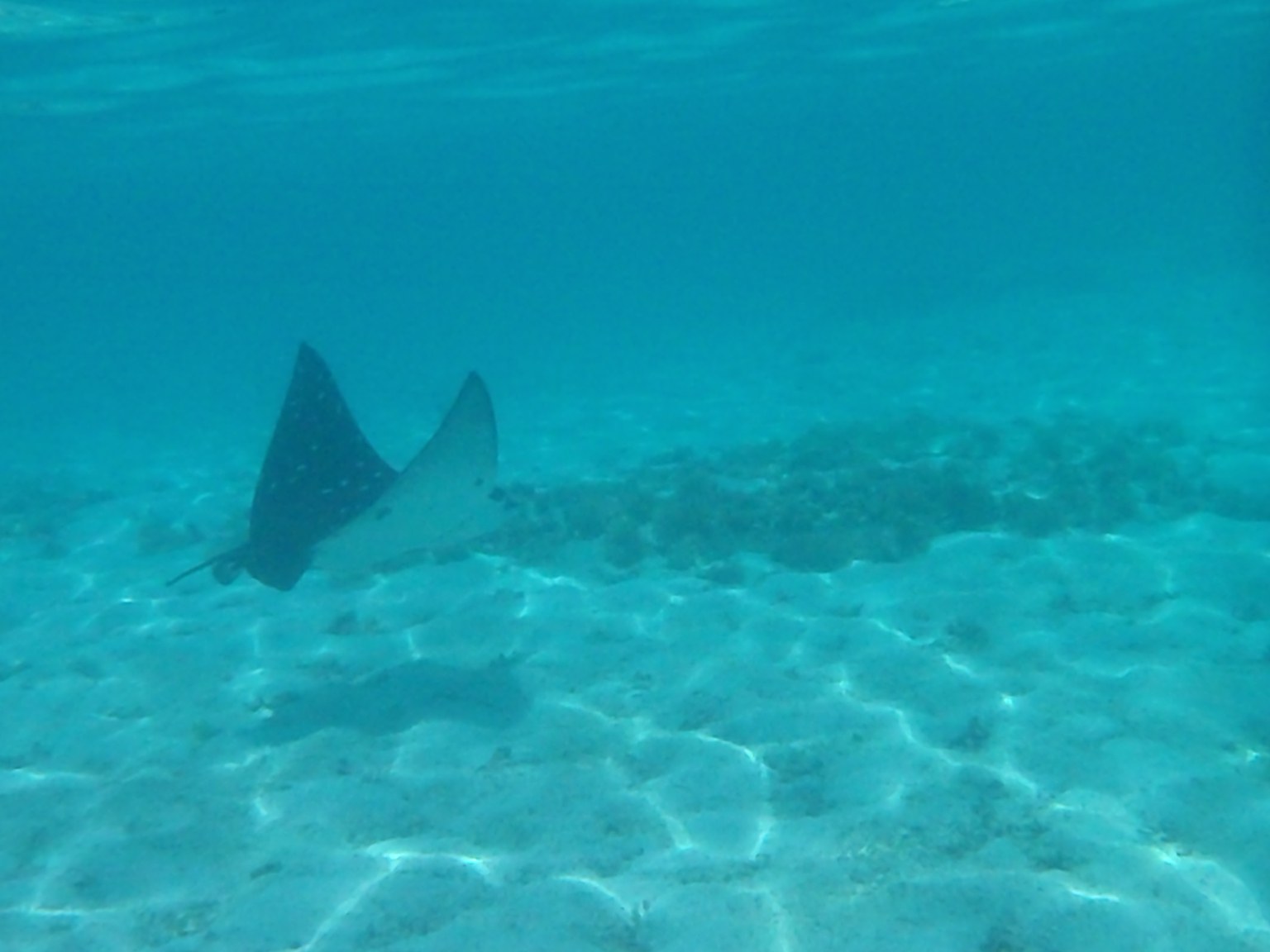
Hīhīmanu (spotted eagle ray)
Listed as Endangered worldwide by the IUCN in 2024, these white-spotted rays glide past the pier in the evening, often in small groups, and cruise over the sand flats of the lagoon.
More about hīhīmanu →Reef fish
About 155 fish species have been recorded at Hōlanikū, including many found only in Hawaiʻi, such as the Hawaiian dascyllus (Dascyllus albisella) and saddle wrasse (Thalassoma duperrey), and rare visitors such as the Japanese angelfish (Centropyge interruptus), based on reef surveys reported by DeMartini and Friedlander (2004). Sharks, including niuhi (tiger sharks), patrol the reef and lagoon.
Native plants
Plants
Many of the coastal plants that once grew across Hawaiʻi have disappeared from the main islands. On Hōlanikū, native plants hold the dunes together and give seabirds shelter and nesting sites. Crews grow and outplant them, and remove invasive plants such as golden crownbeard (Verbesina encelioides).
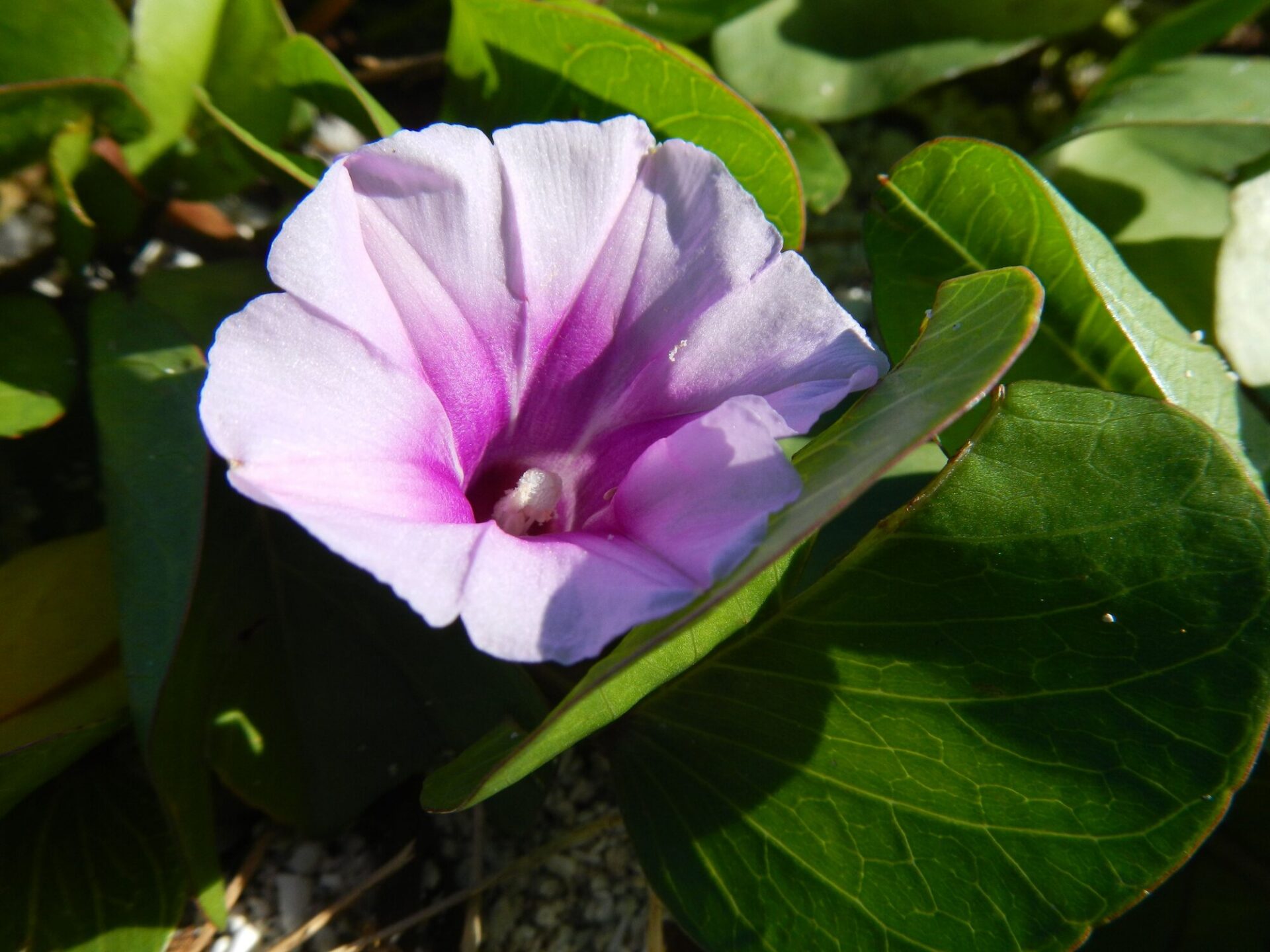 PōhuehueIpomoea pes-capraeBeach morning glory
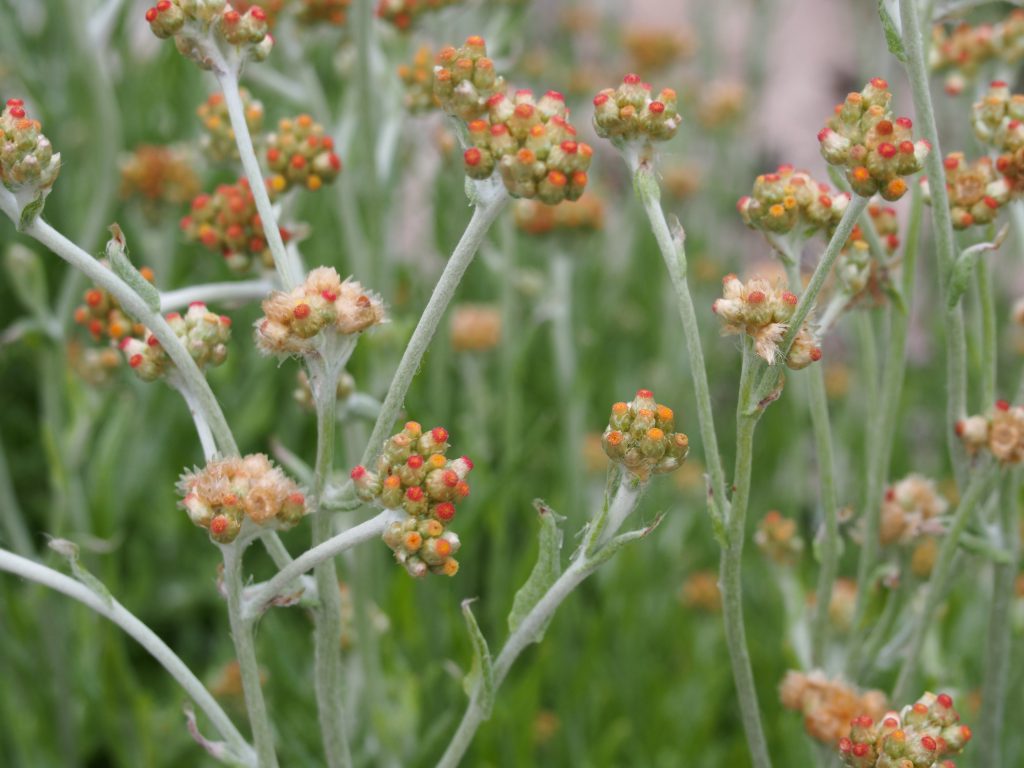 ʻEnaʻenaPseudognaphalium sandwicensium
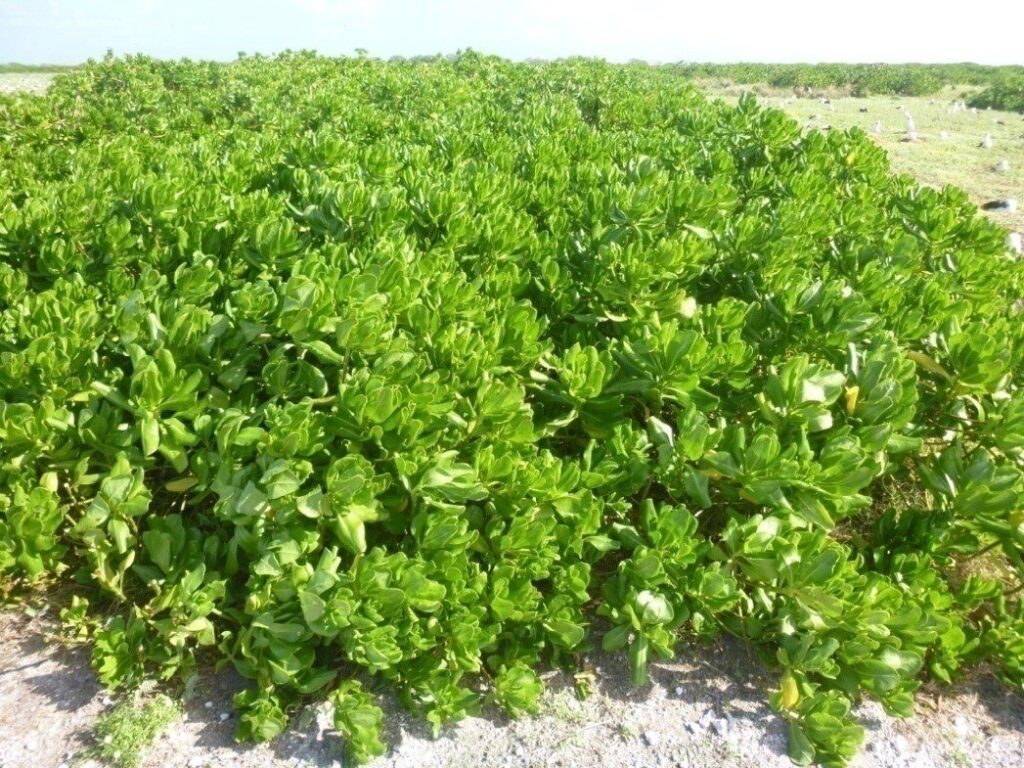 NaupakaScaevola taccadaBeach naupaka
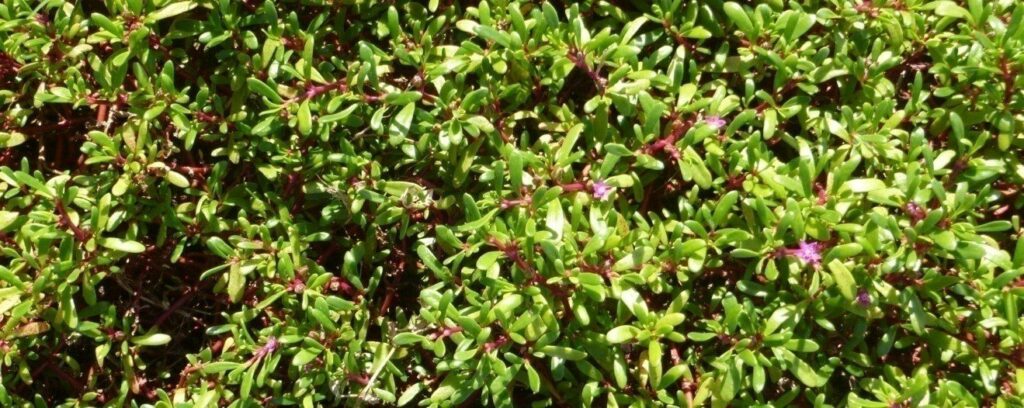 ʻĀkulikuliSesuvium portulacastrumSea purslane
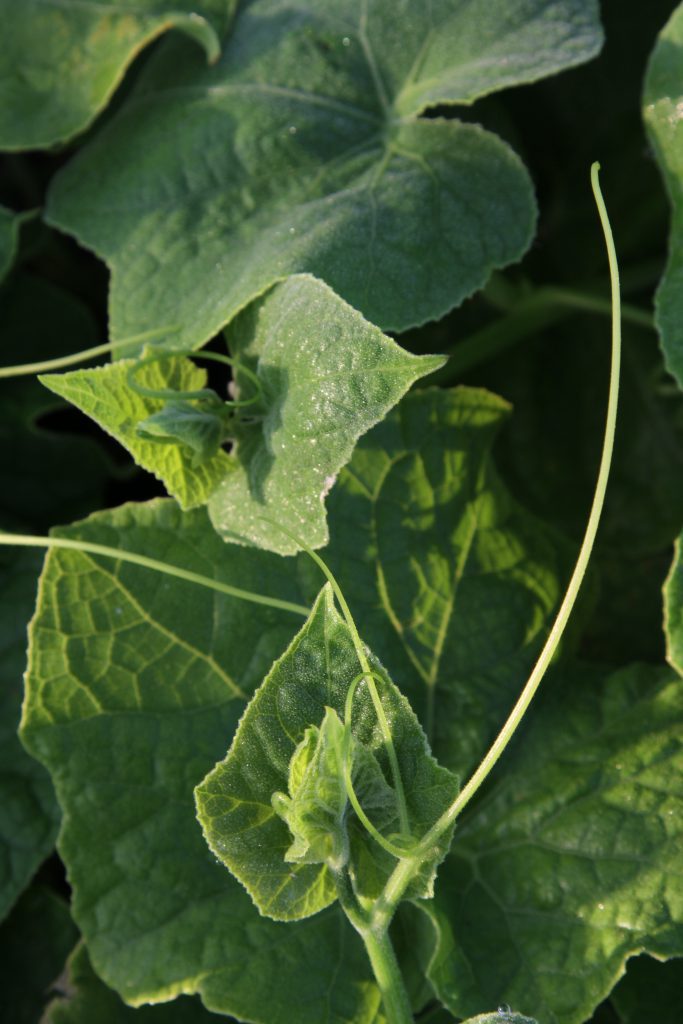 ʻAnunuSicyos maximowiczii
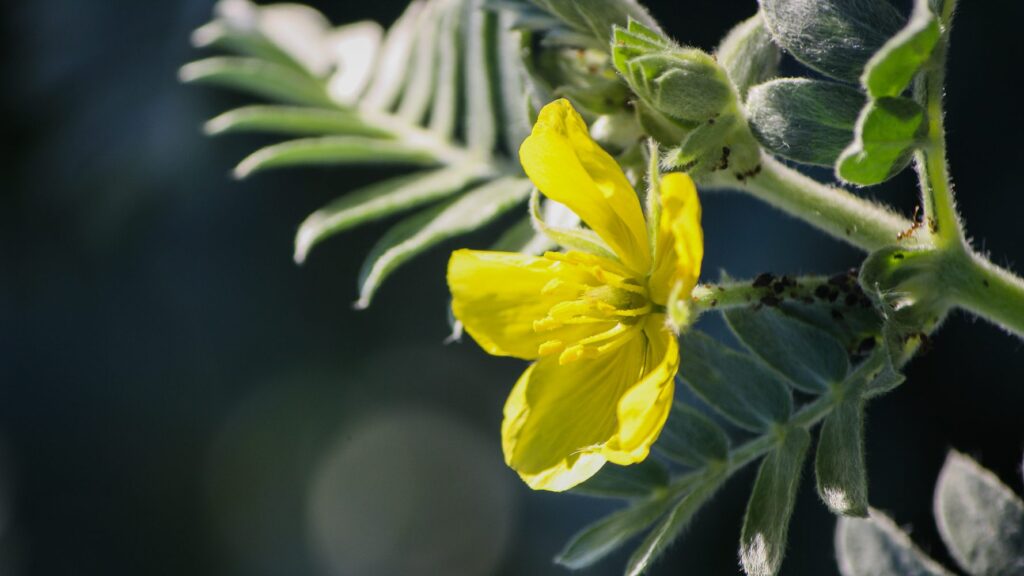 NohuTribulus cistoides
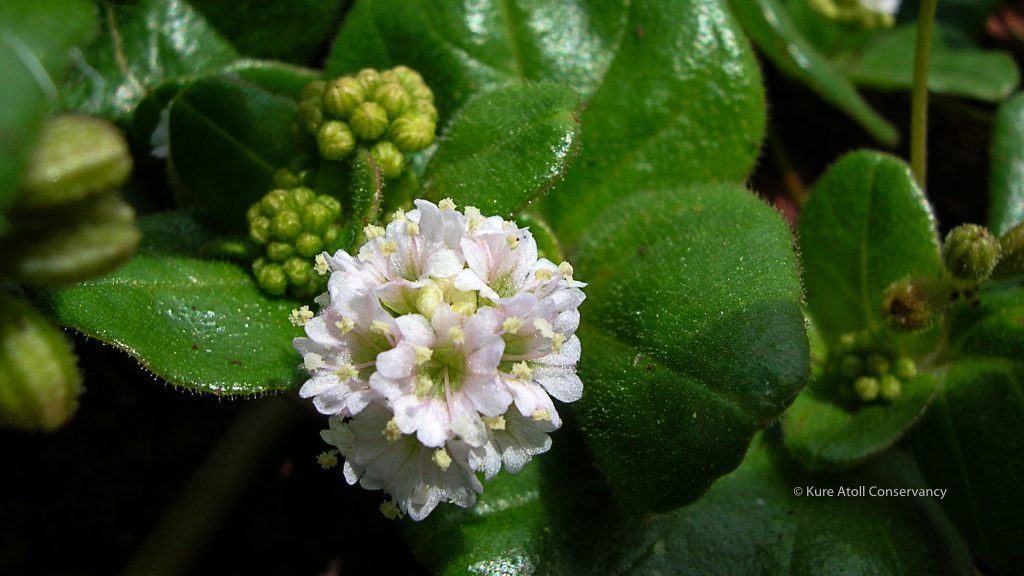 ʻAlenaBoerhavia repens
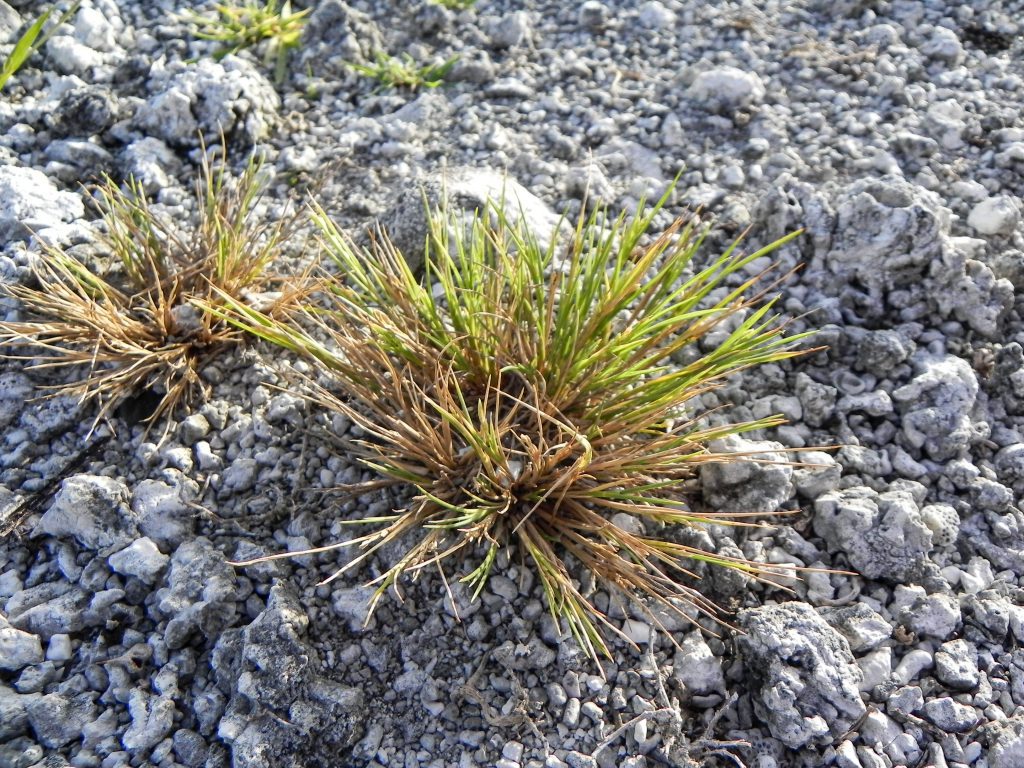 Dwarf EragrostisEragrostis pauperaNative grass
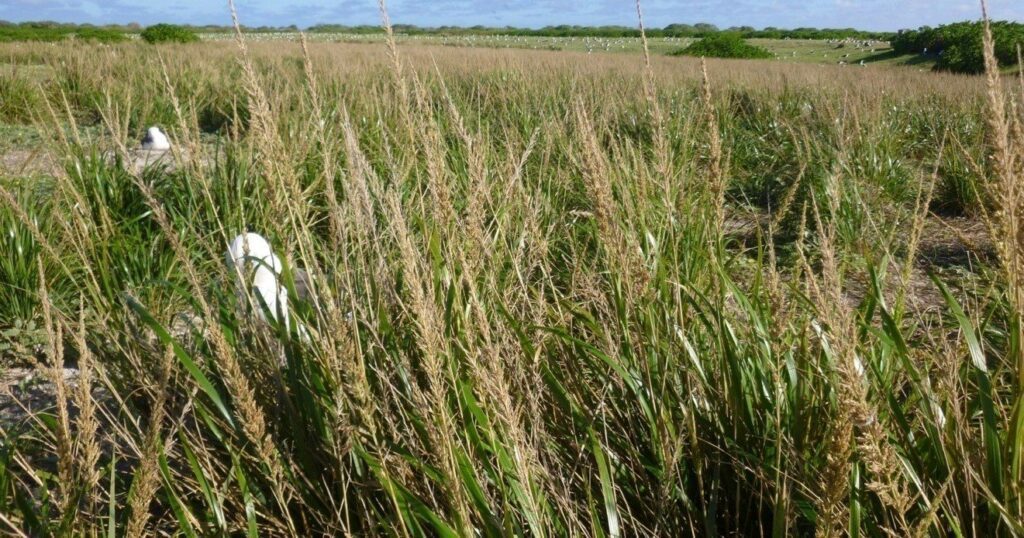 KāweluEragrostis variabilisVariable lovegrass
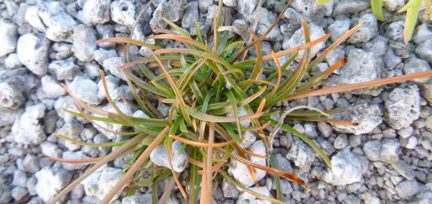 Mauʻu ʻakiʻakiFimbristylis cymosaButton sedge
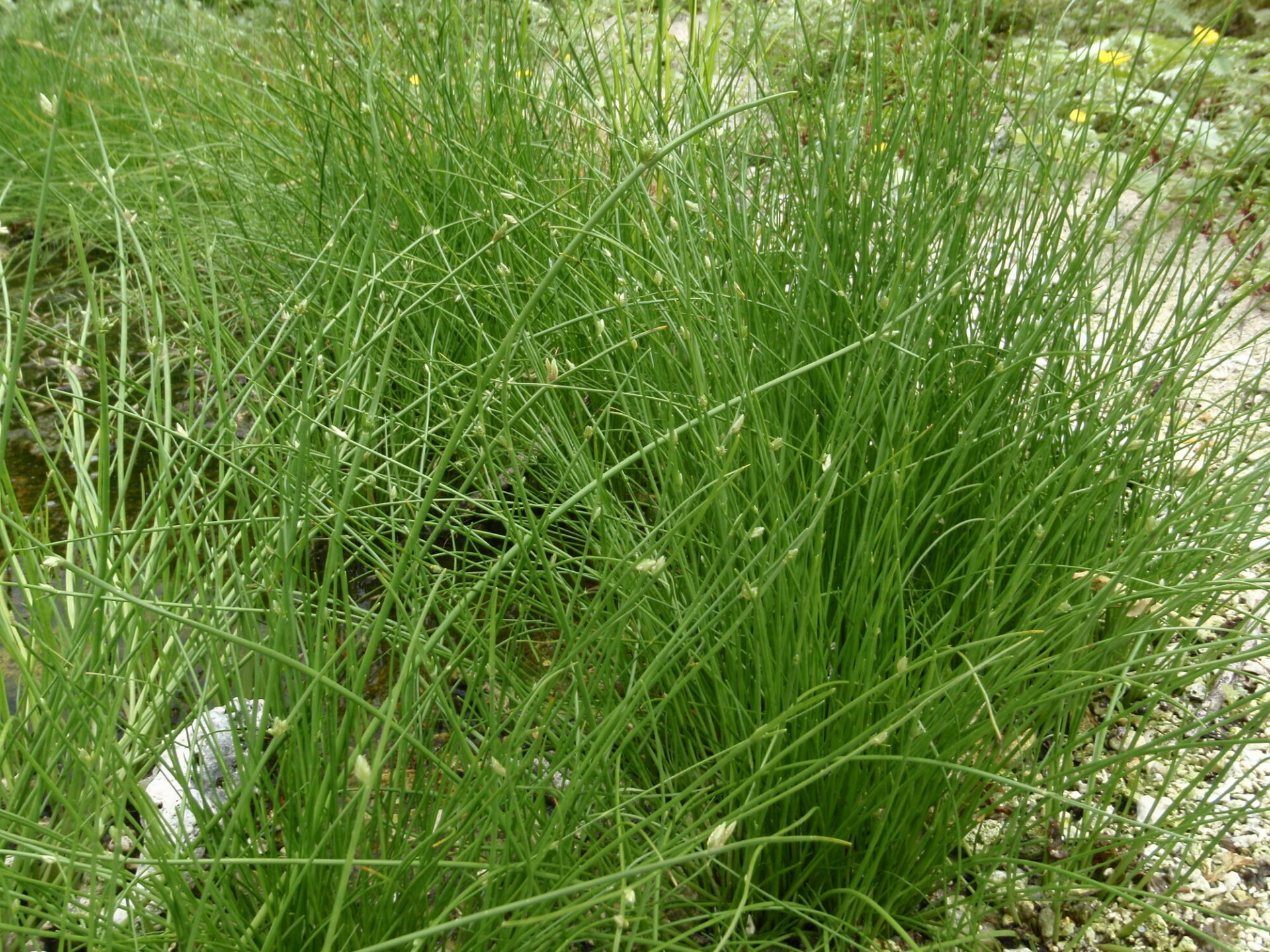 MakaloaCyperus laevigatusSmooth flatsedge
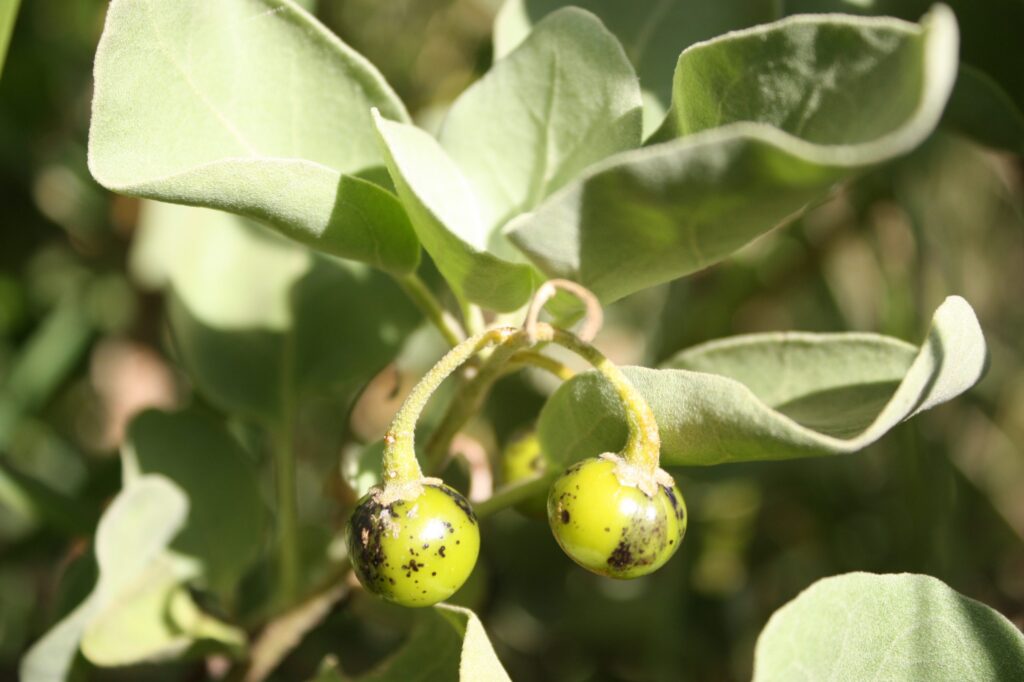 PōpoloSolanum nelsoniiNelson's horsenettle
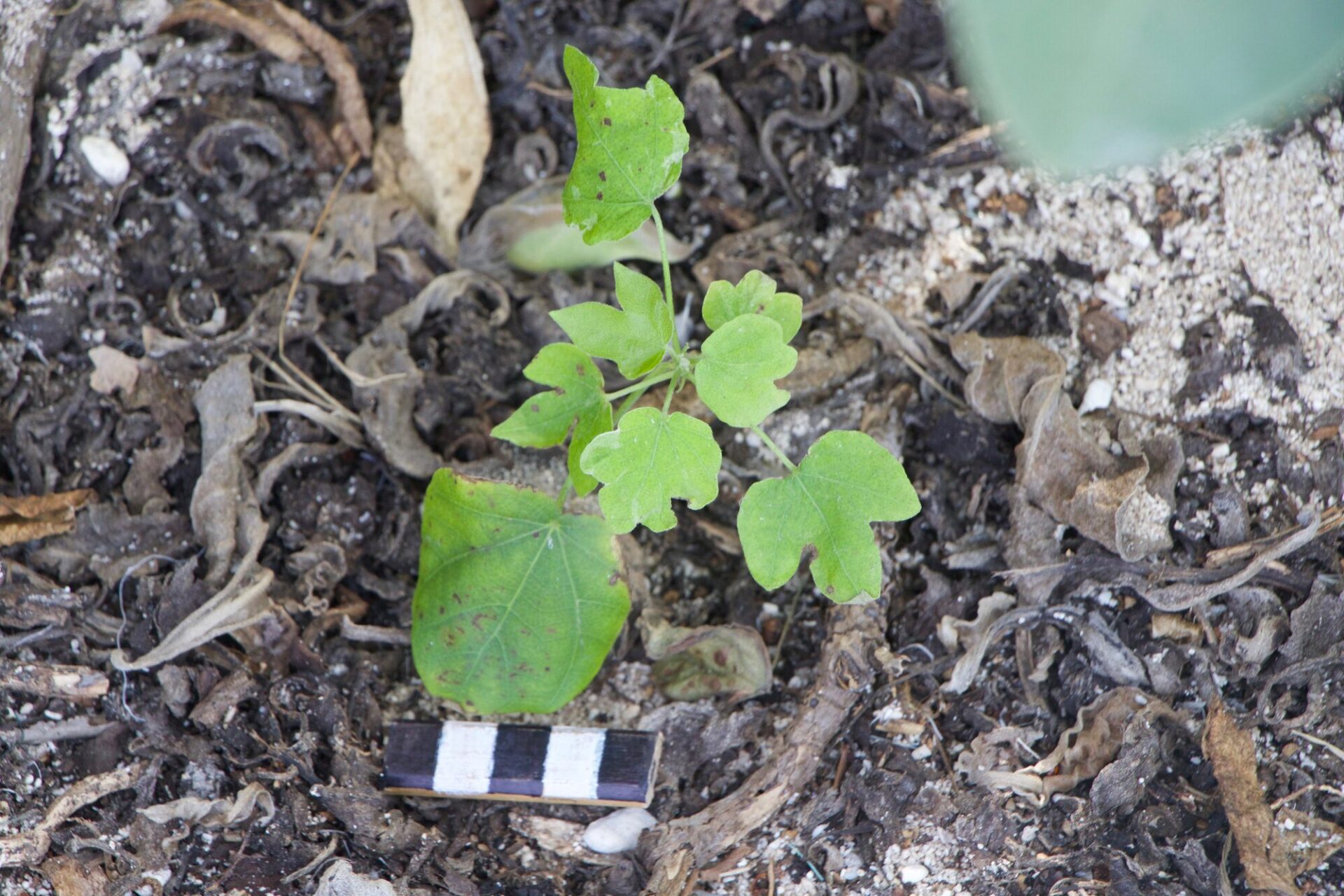 MaʻoGossypium tomentosumHawaiian cotton
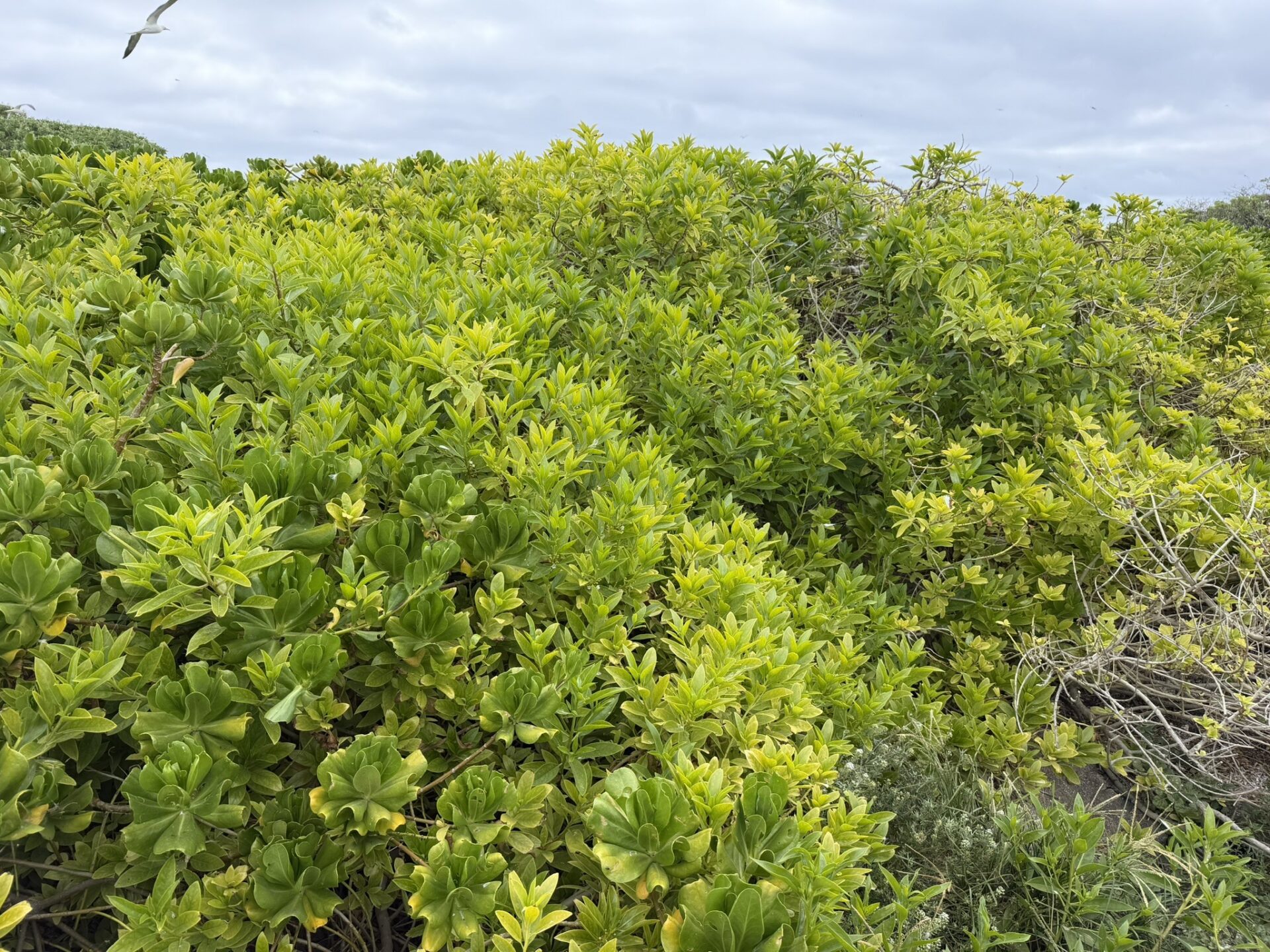 NaioMyoporum sandwicenseFalse sandalwood
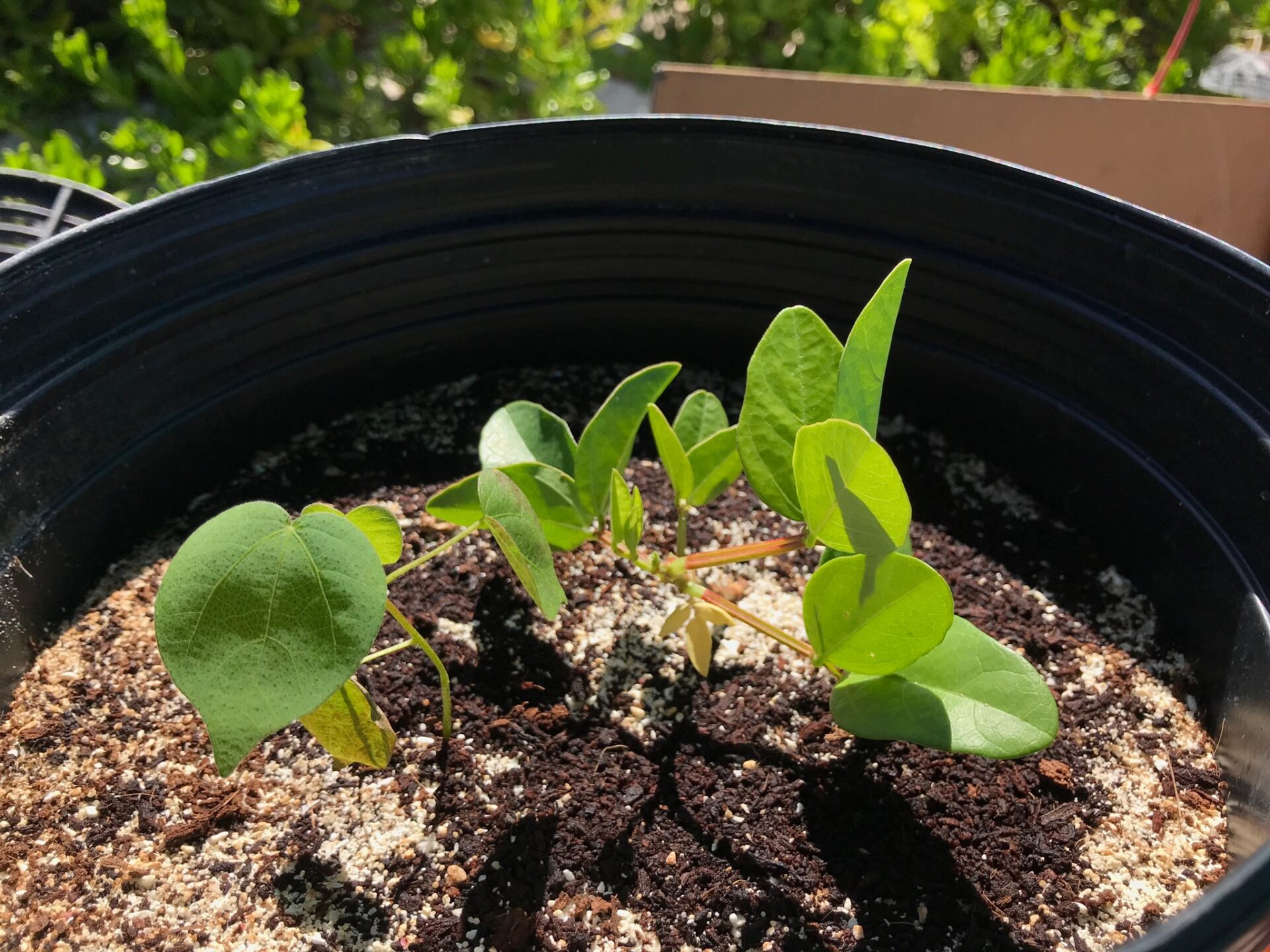 NaneaVigna marinaBeach pea
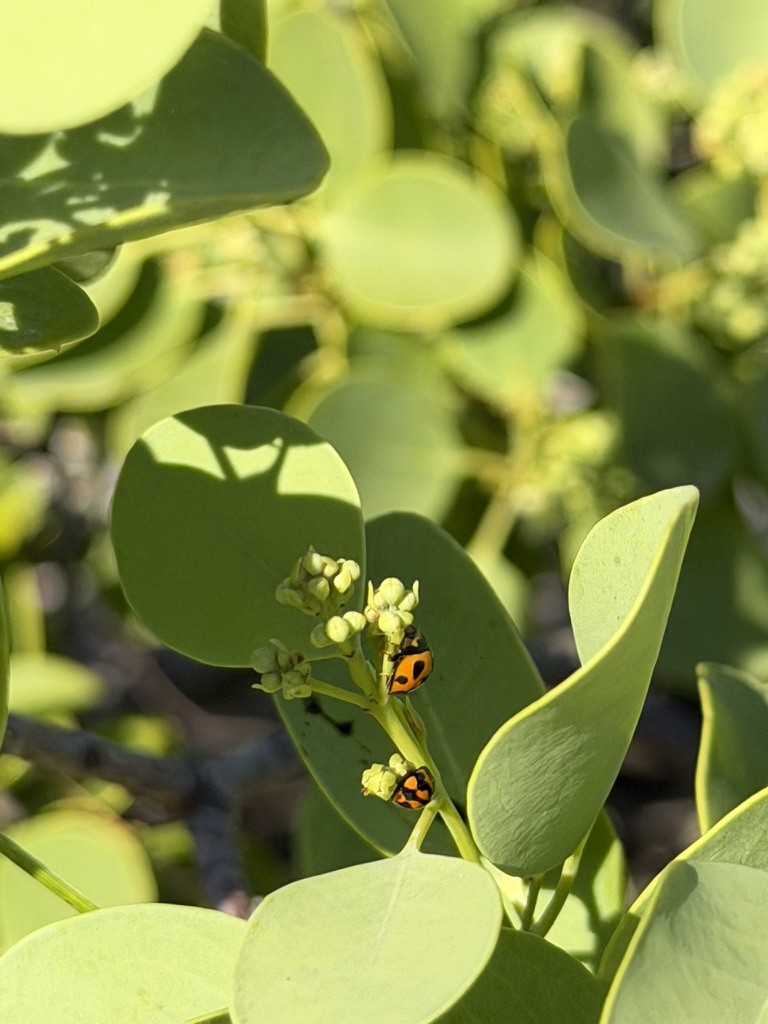 ʻIliahi aloʻeSantalum ellipticumCoastal sandalwood
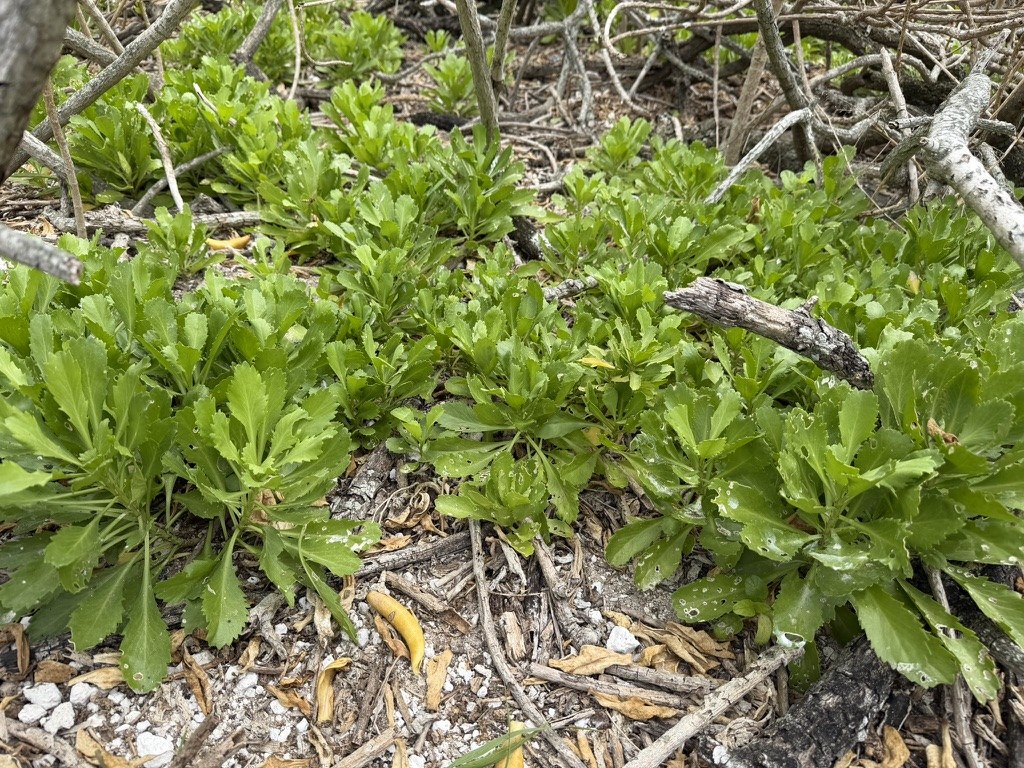 ʻĀnaunauLepidium owaihienseHawaiian peppergrass
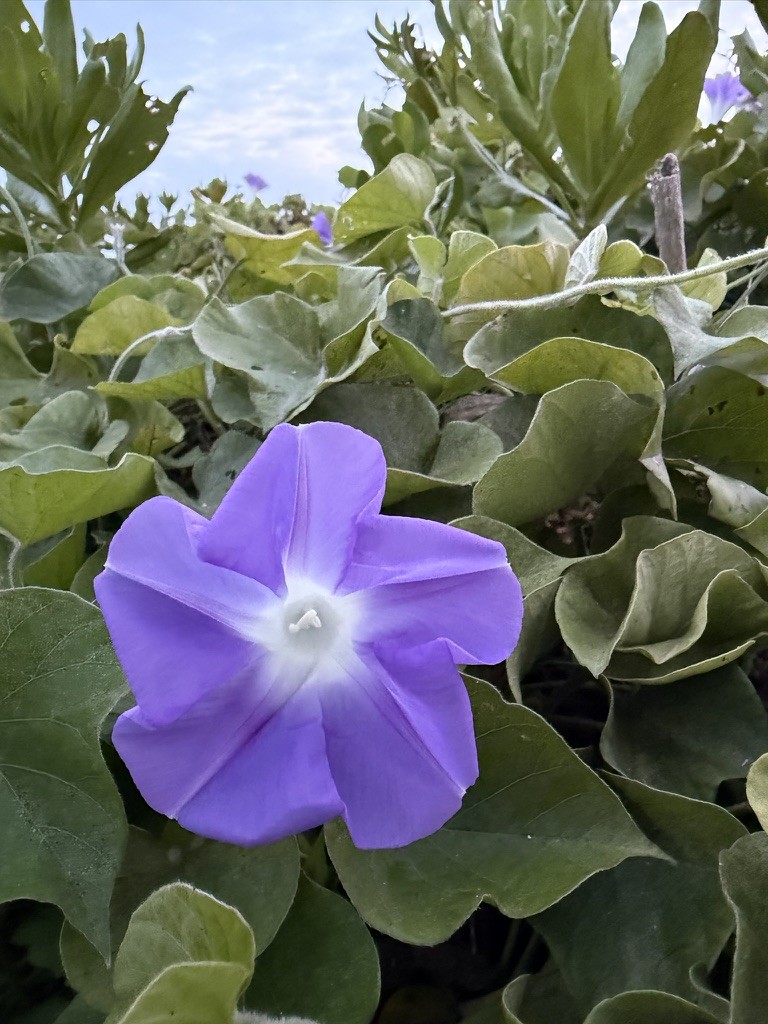 Koali ʻawaIpomoea indicaBlue morning glory
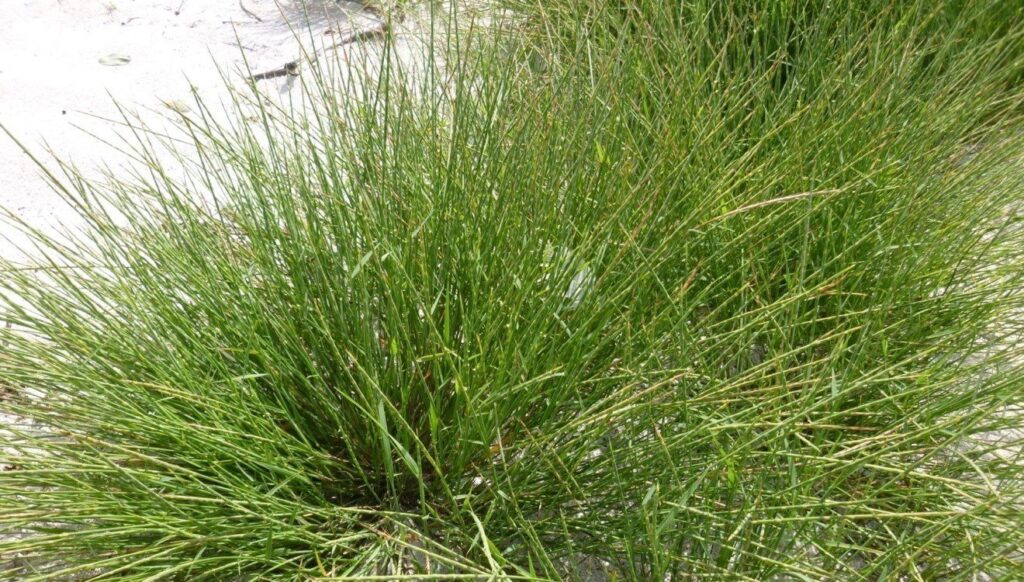 Pacific Island thintailLepturus repensPacific Island thintail
How crews restore native habitat →
↑ Back to topicsSmall but important
Land Invertebrates
Surveys have recorded more than 160 kinds of insects, spiders, mites, centipedes and other land invertebrates on Hōlanikū. A 2000 survey listed 11 as found only in Hawaiʻi, and one tiny mite is known only from Kure Atoll. Most of the rest arrived with people.
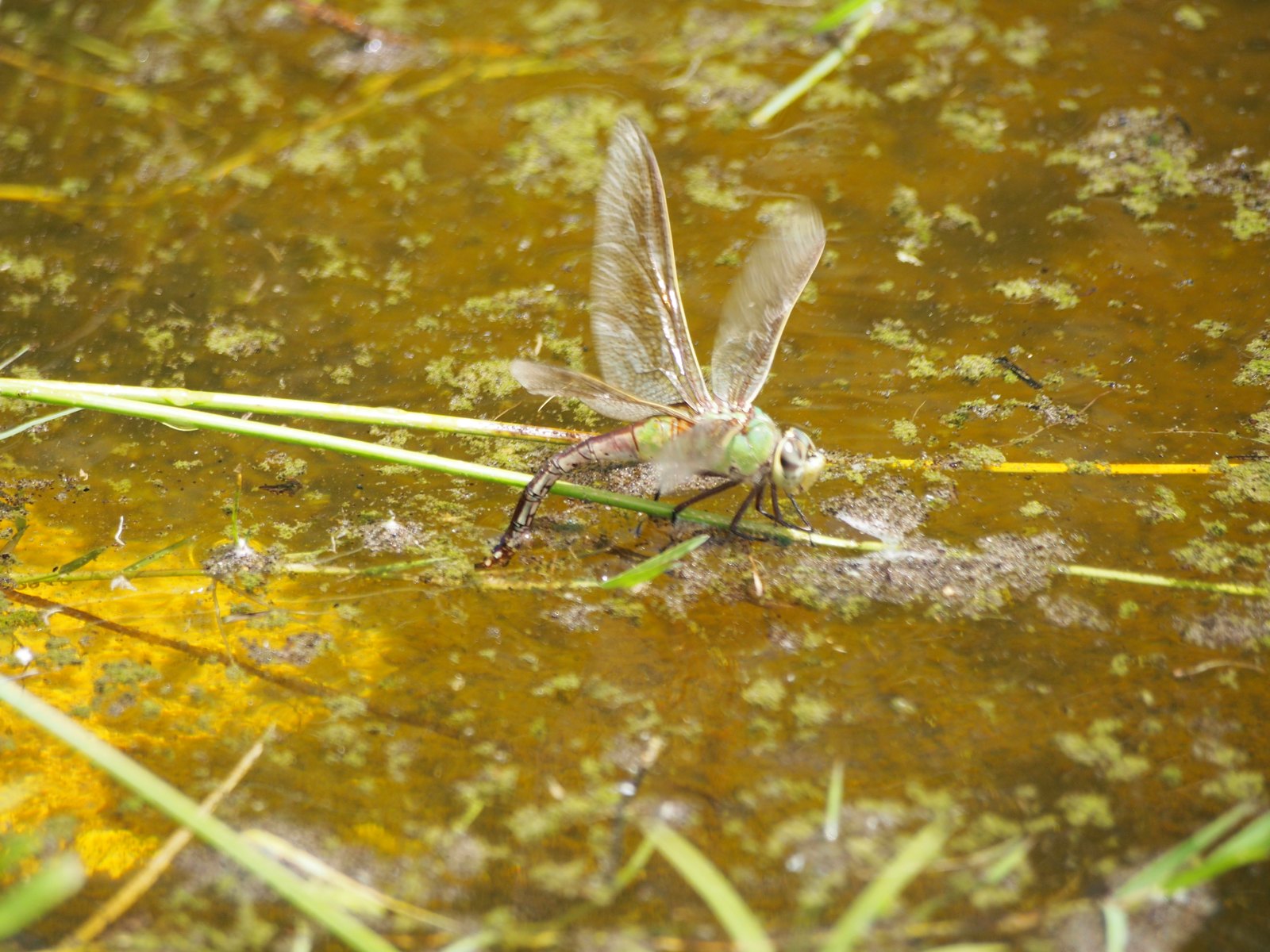 Common green darnerAnax juniusNative dragonfly
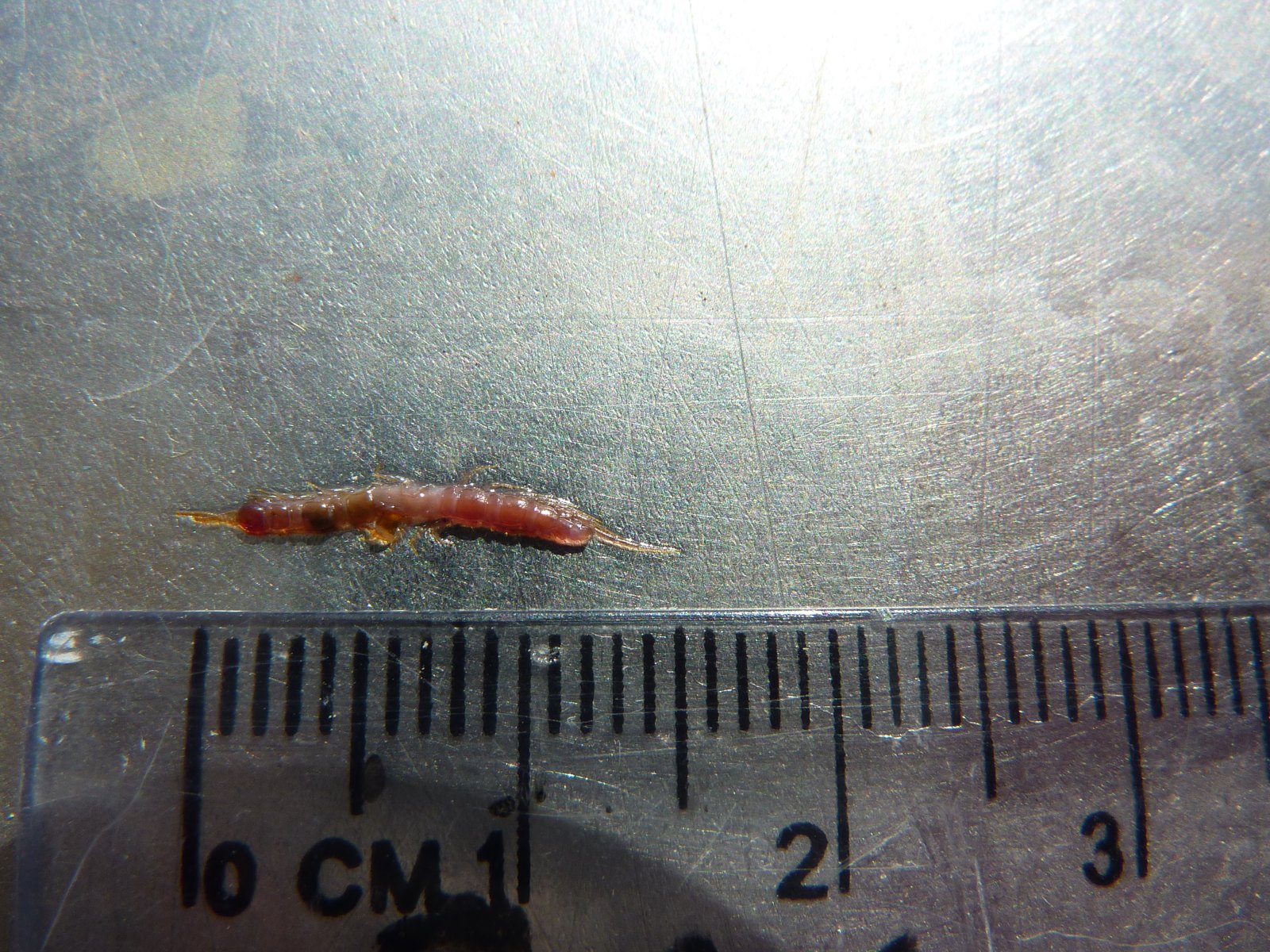 CentipedesOne named from Kure in 1926
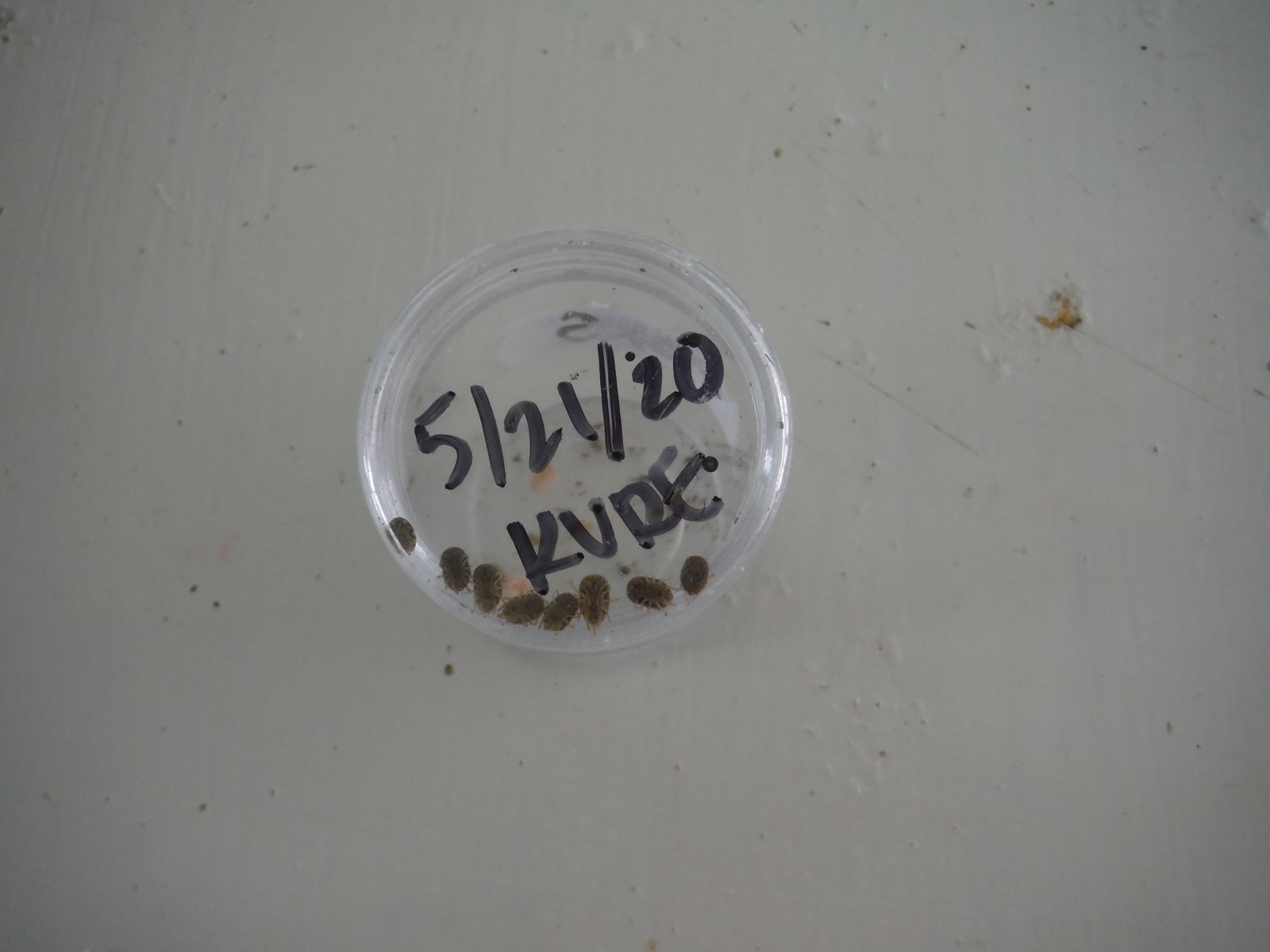 Seabird soft tickCarios capensisLives in seabird colonies
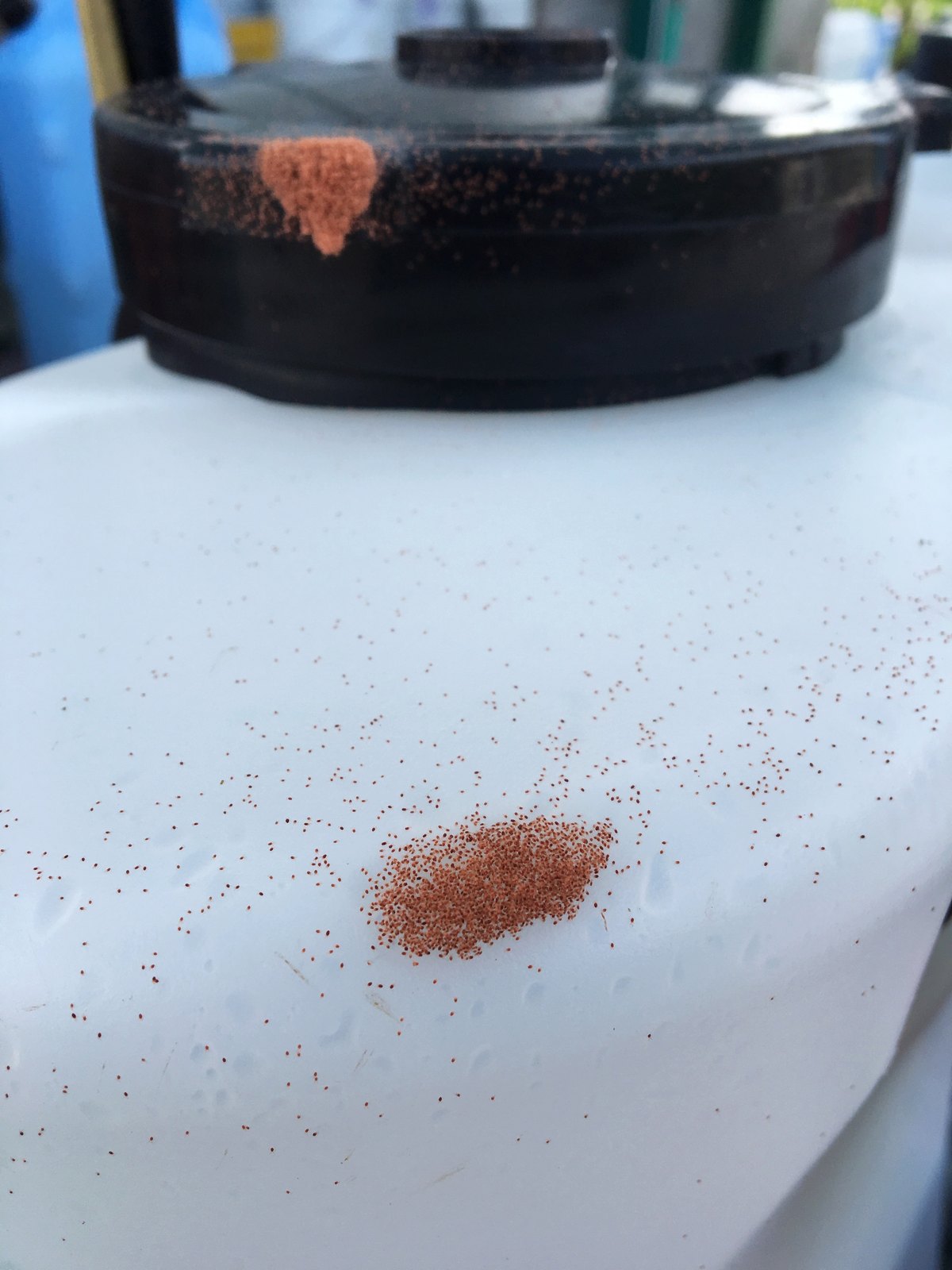 Spider mitesTetranychusTiny plant-feeding mites
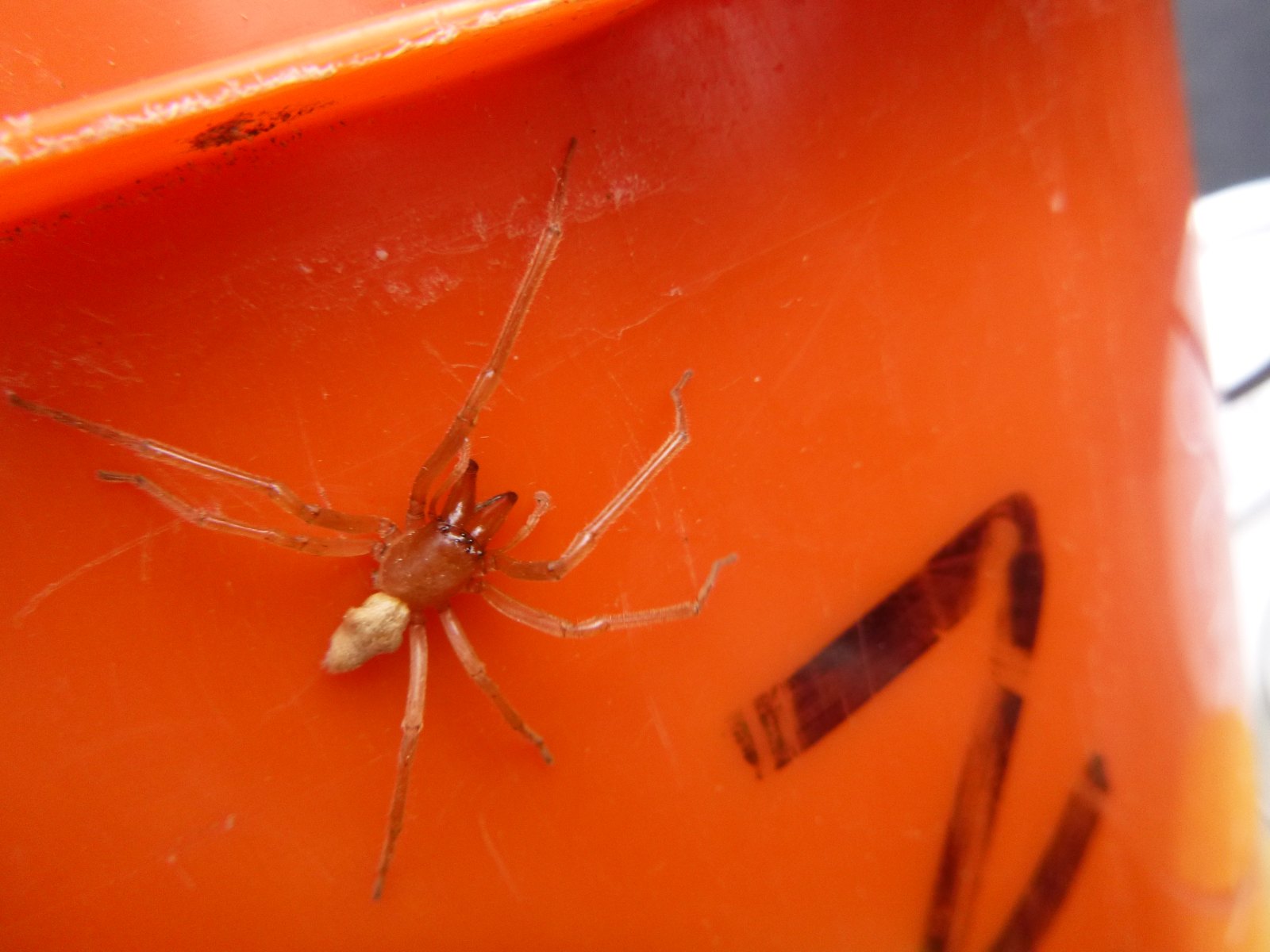 SpidersOrb weavers, cane spiders and more
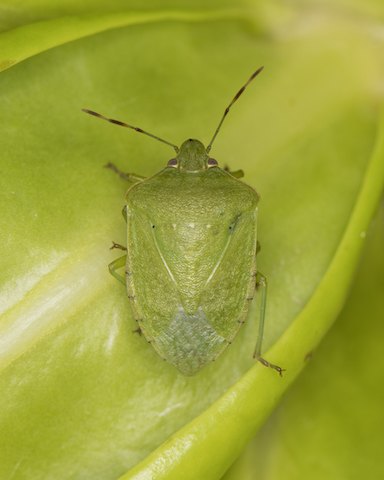 Southern green stink bugNezara viridulaArrived in 2018
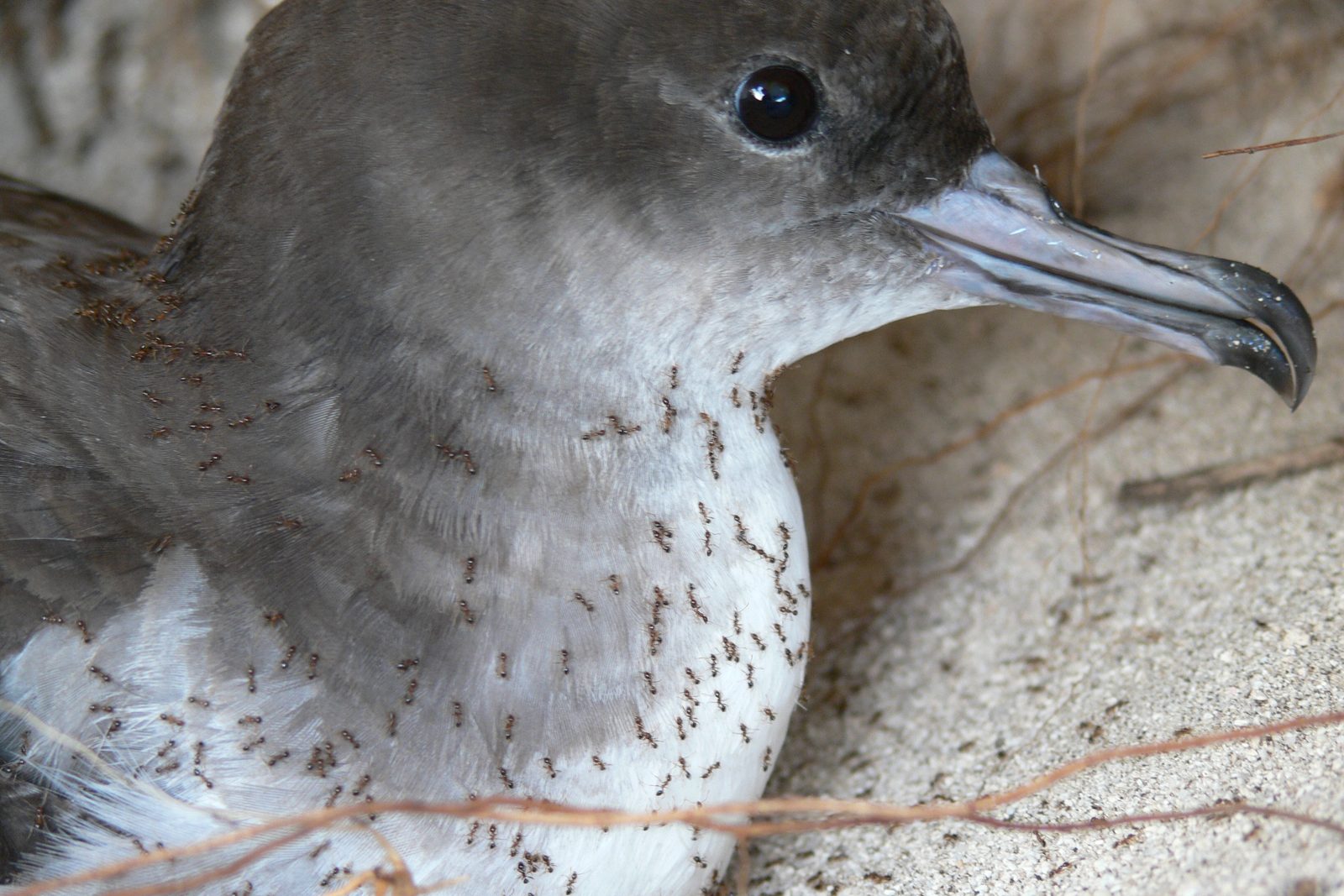 Big-headed antsPheidole megacephalaNot seen since 2020
More about land invertebrates →
↑ Back to topicsProtecting native habitat
Invasive Species
Plants, insects and rats brought to Hōlanikū by ships, planes and people have crowded out native plants and harmed nesting seabirds. KAC/DLNR crews sweep all 188 vegetated acres of Green Island every 4 to 6 weeks to remove target weeds, watch for new arrivals and follow strict quarantine rules so nothing new comes ashore. Select a species to learn why it matters.
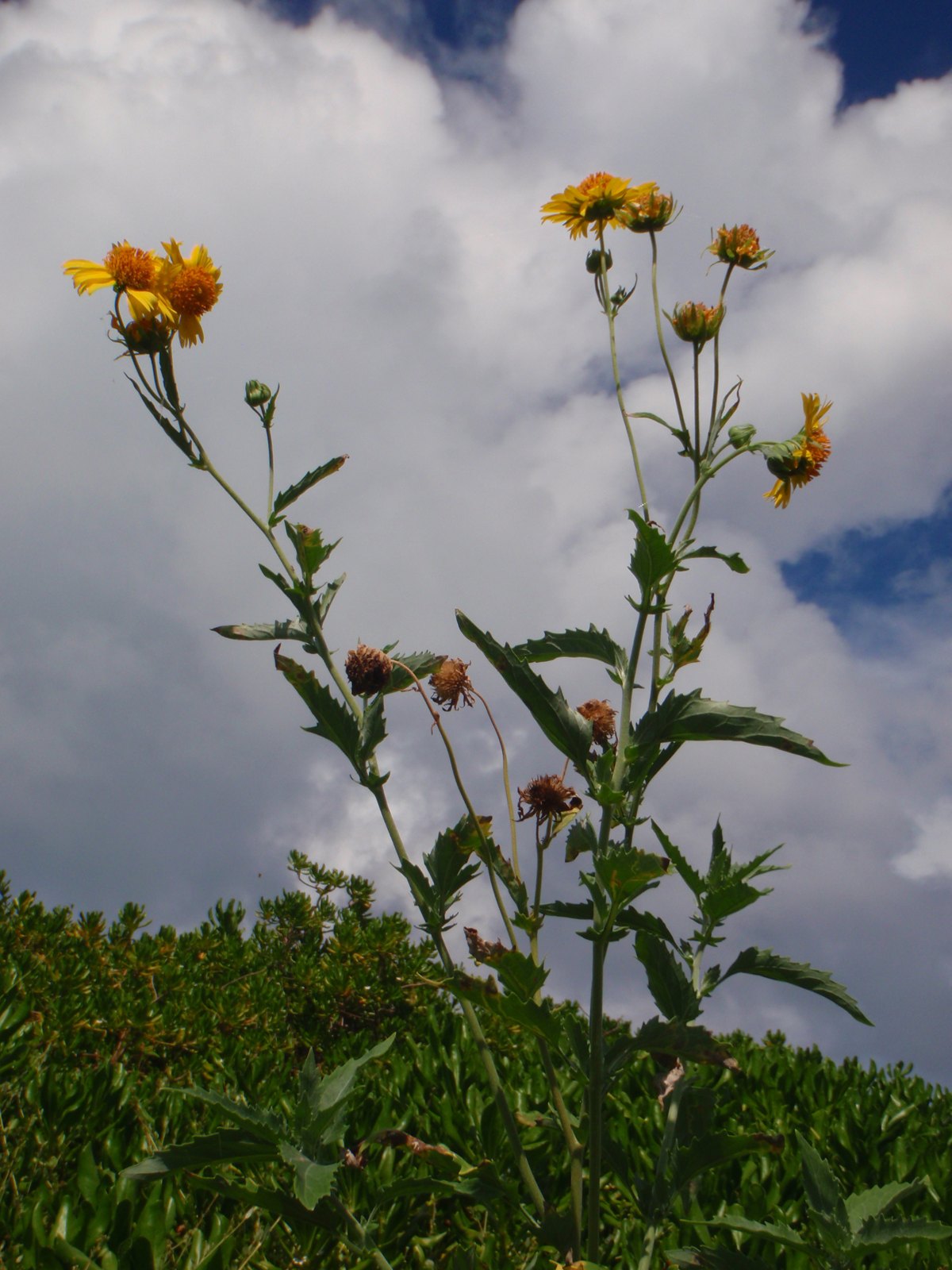 Golden crownbeardVerbesina encelioidesTop target, nearly eradicated
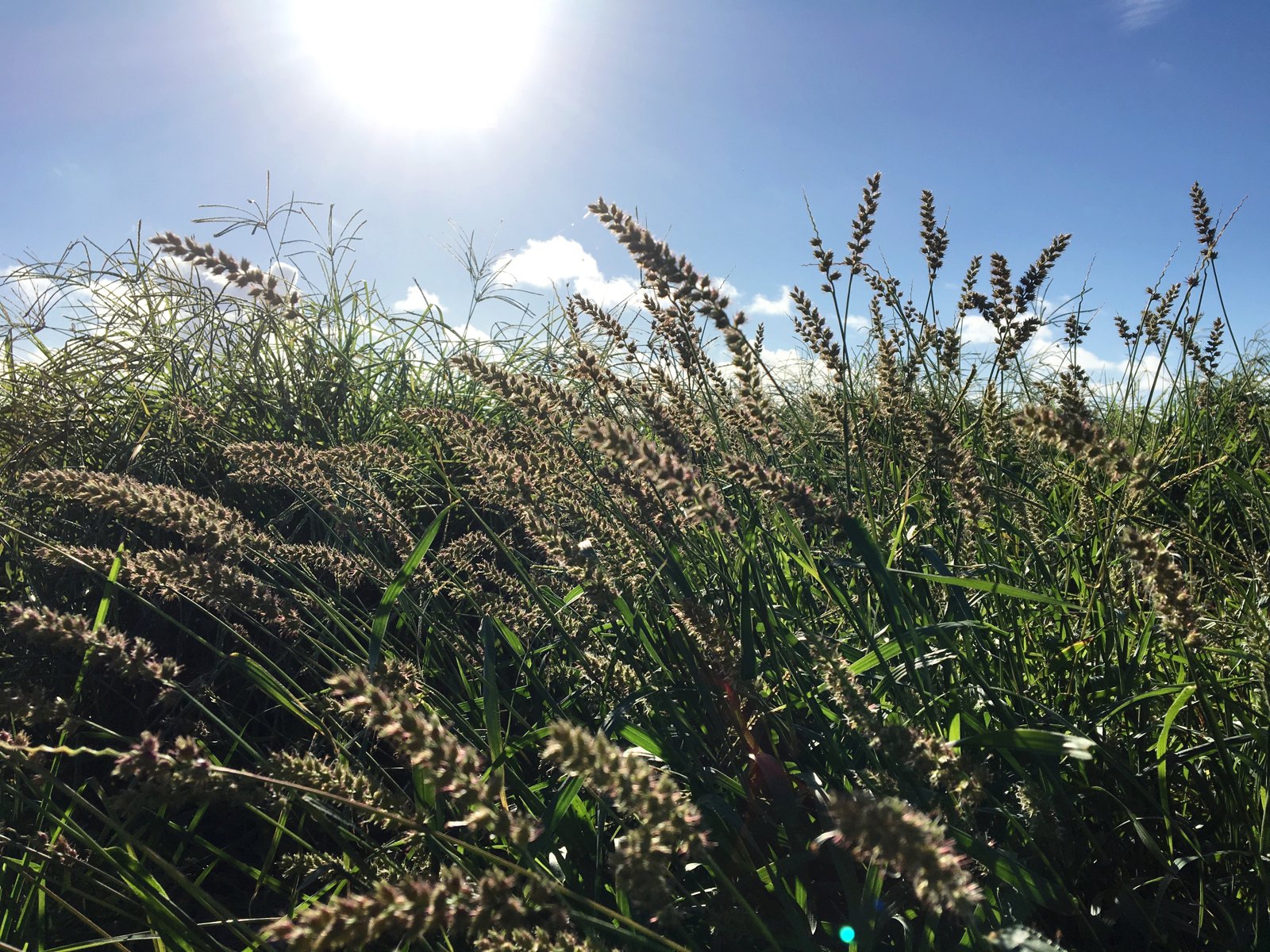 SandburCenchrus echinatusSpiny burs catch on chicks
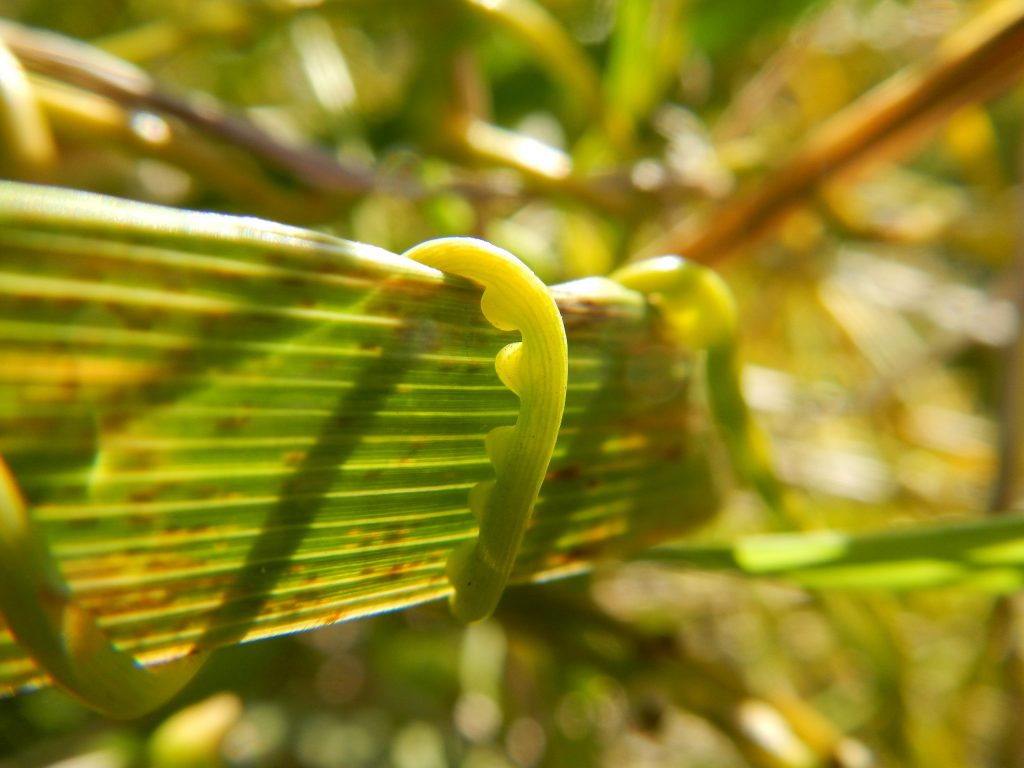 Kaunaʻoa pehuCassytha filiformisNative vine that kills naupaka
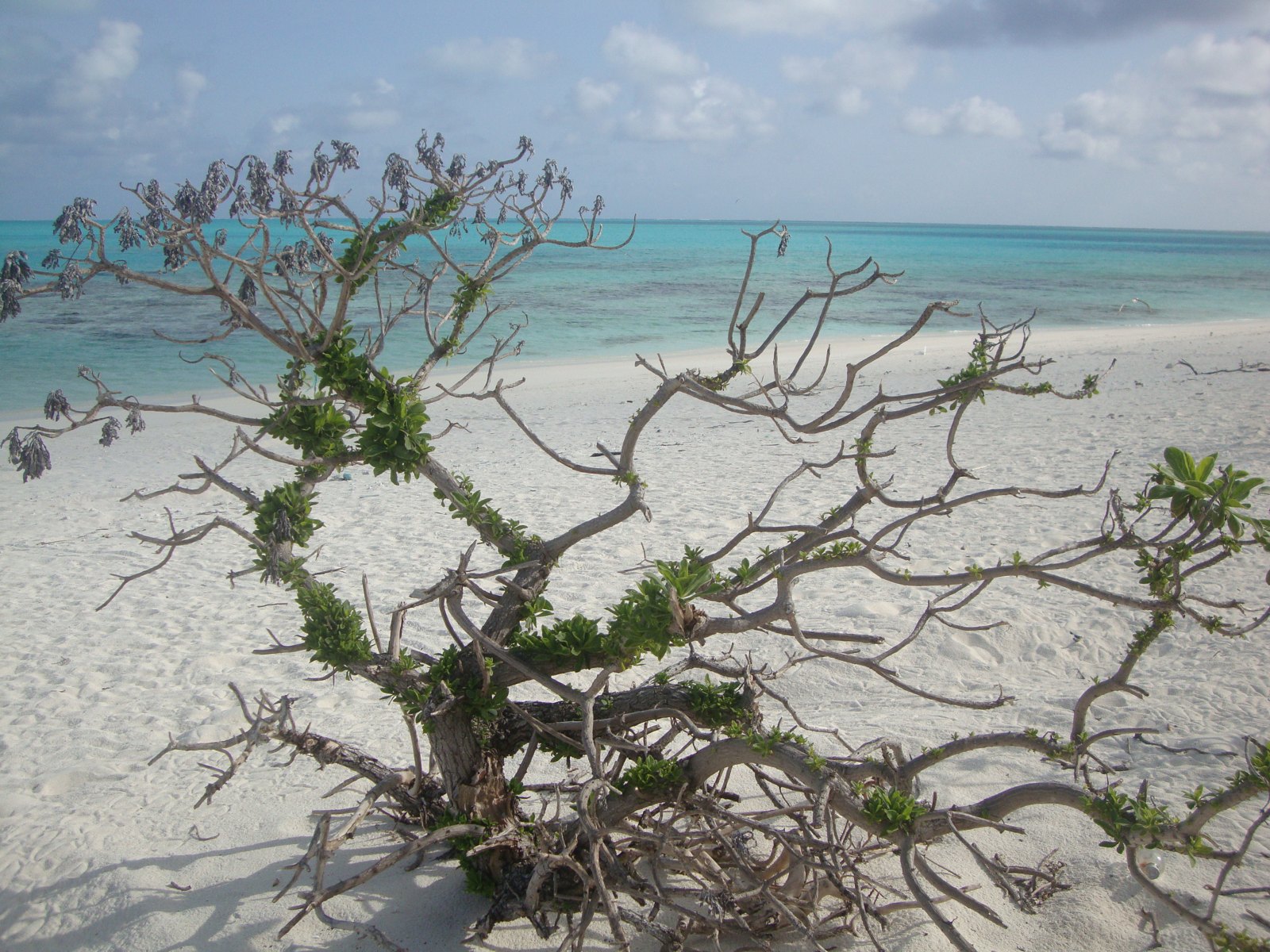 Beach heliotropeHeliotropium foertherianumShoreline tree kept in check
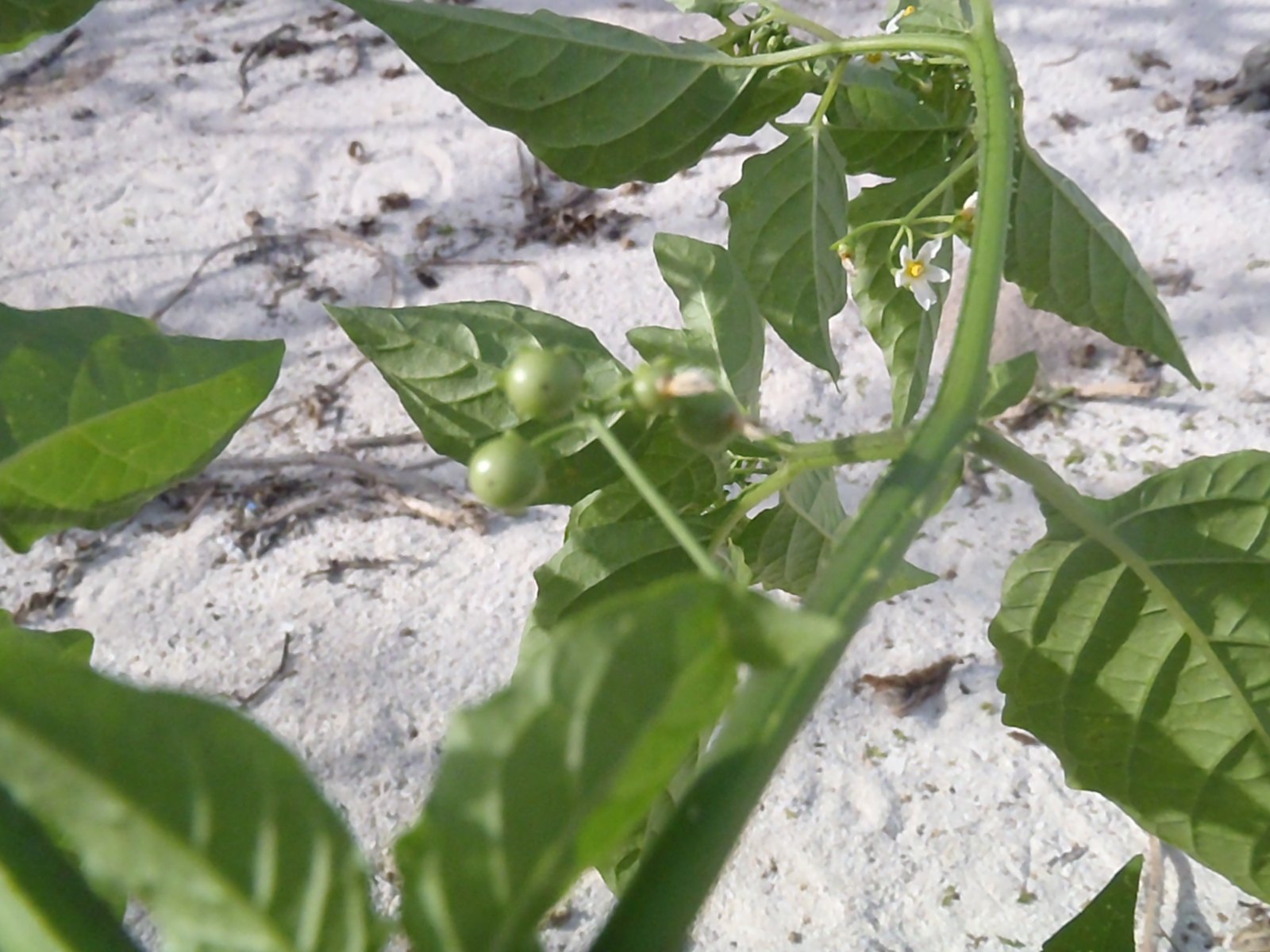 Glossy nightshadeSolanum americanumLook-alike that hides at old Verb sites
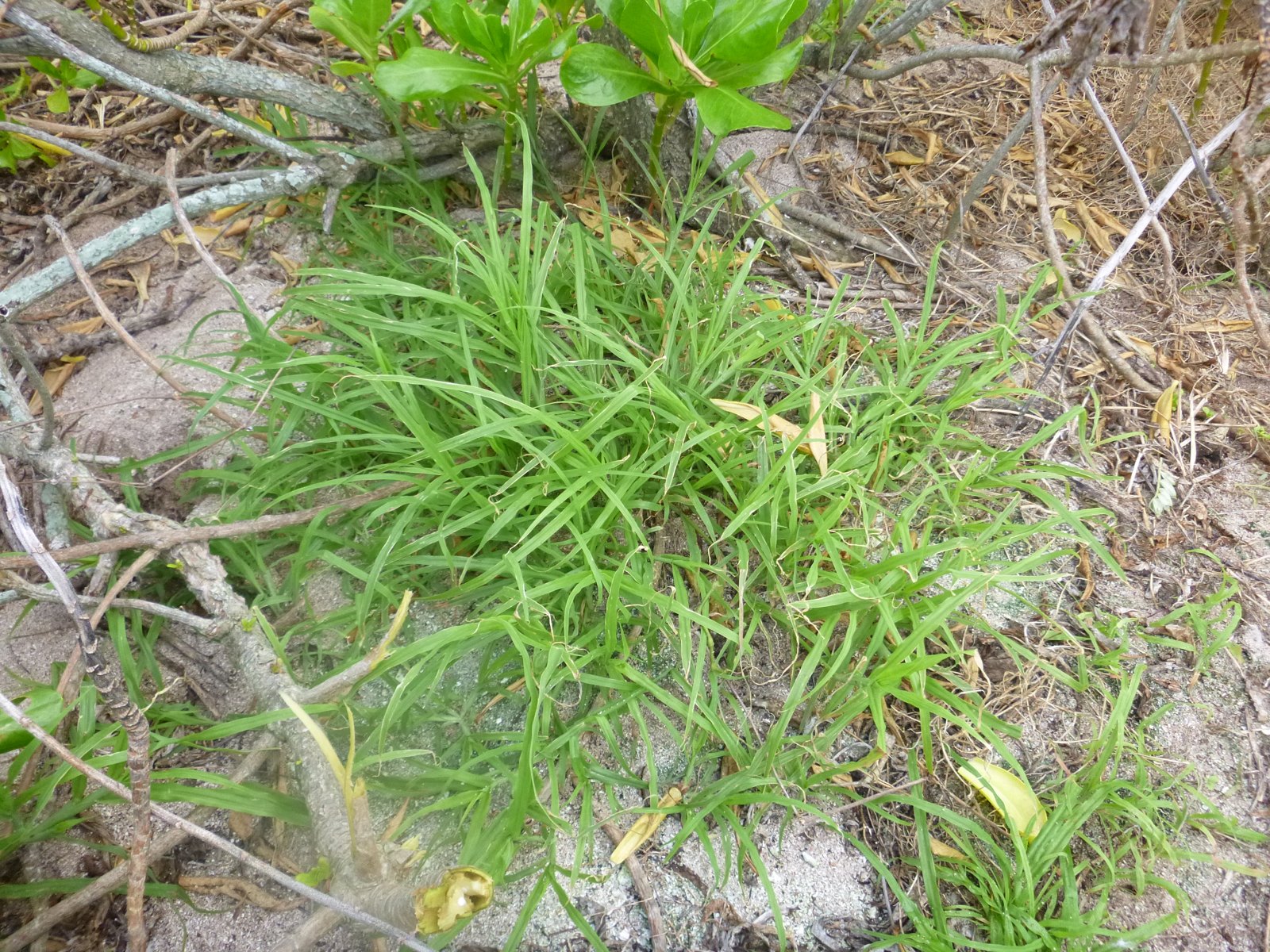 Other target weedsRemoved in every sweep
- Rats, ants and other pestsWatched for year-round
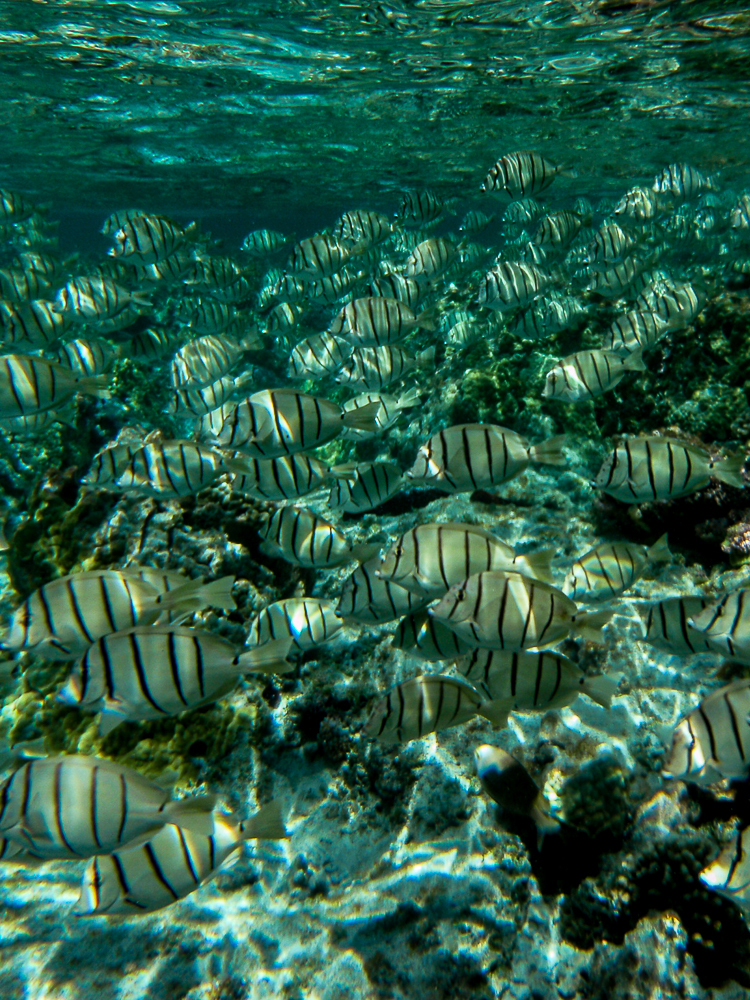 Nuisance algaeChondria tumulosaA new threat to the reef
How crews remove invasive species → · Biosecurity →
↑ Back to topicsLife on the island
The Field Station
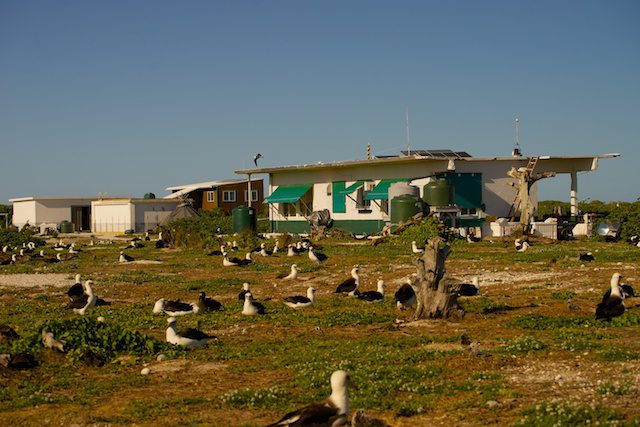
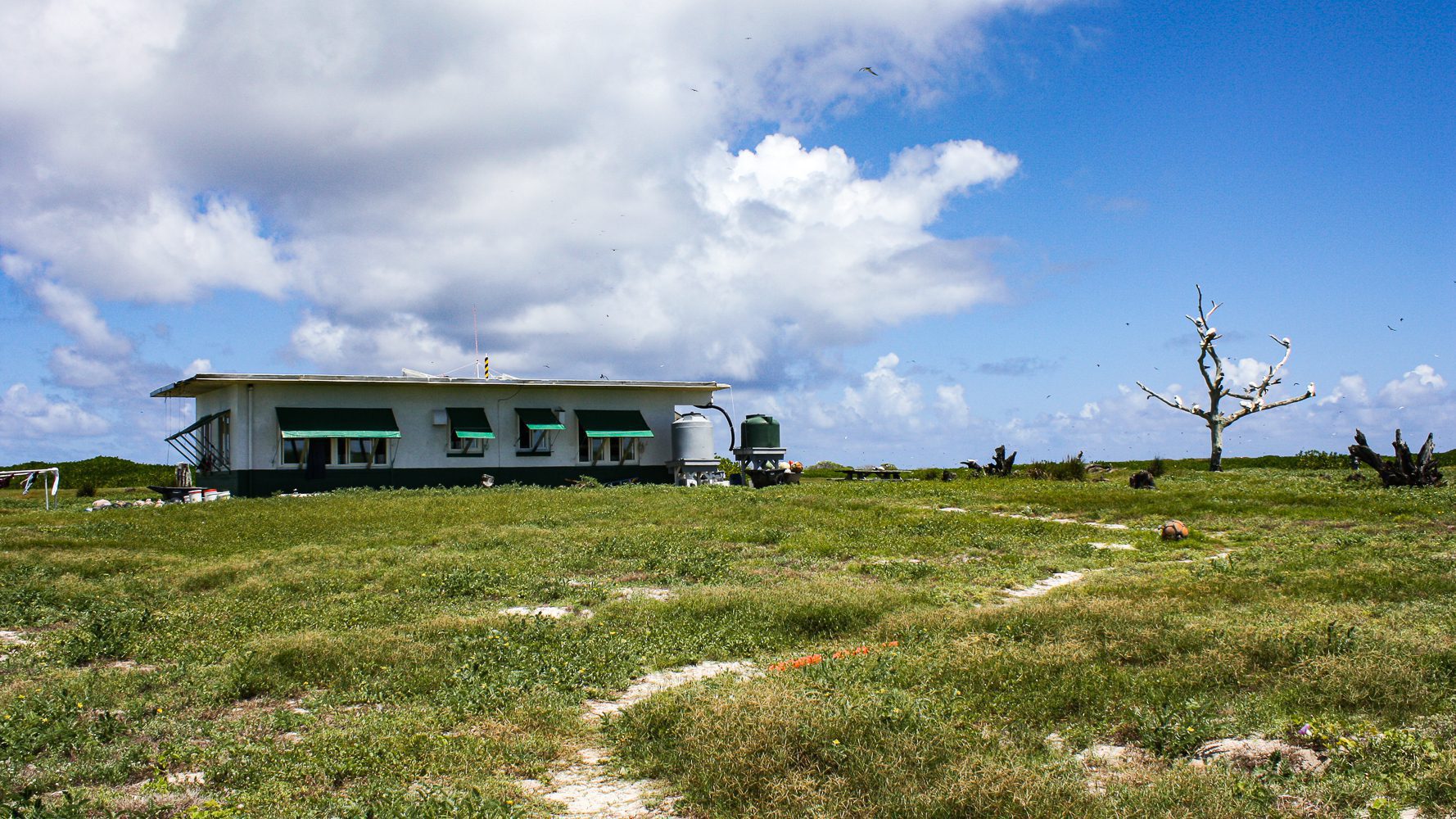
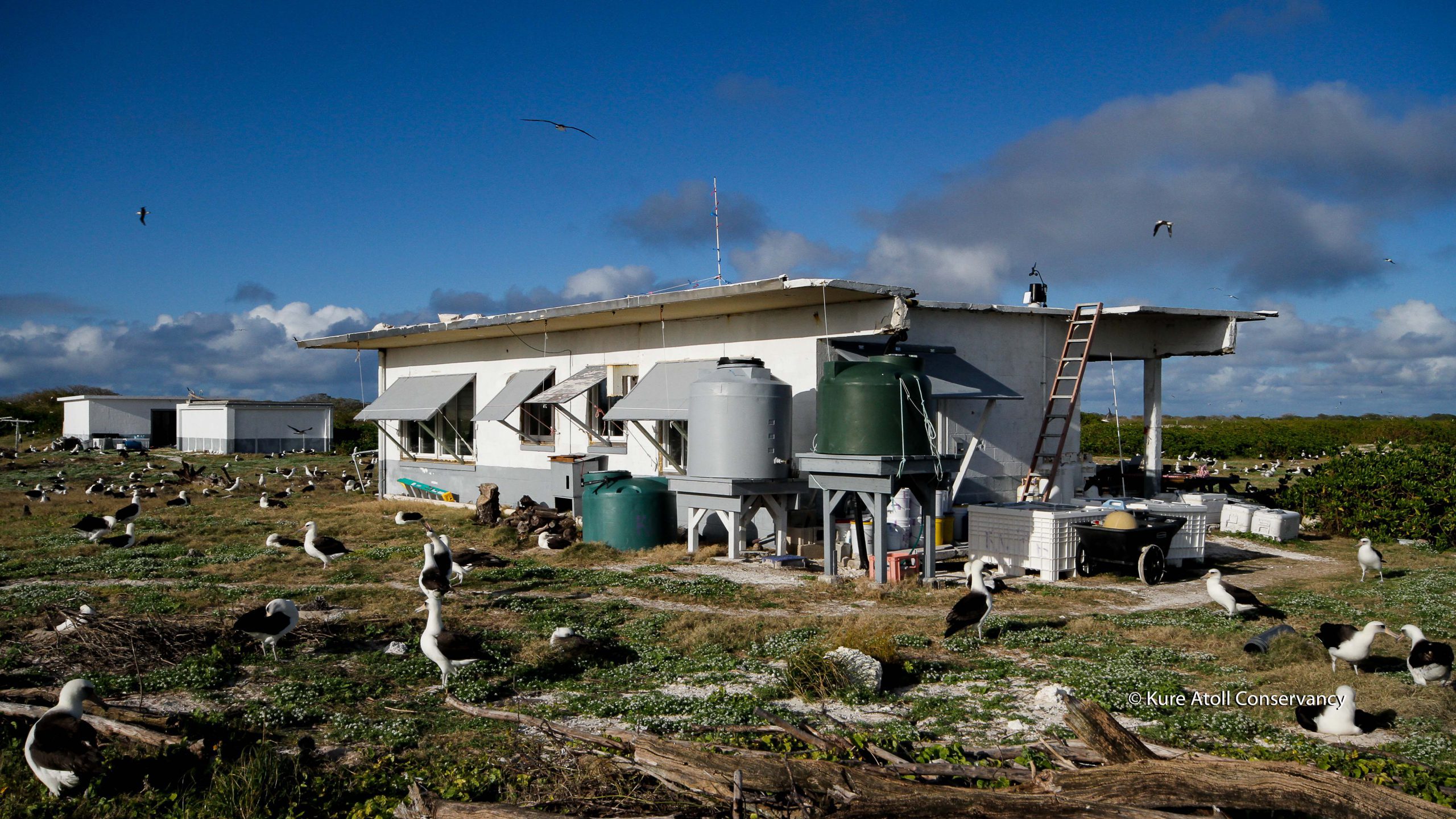
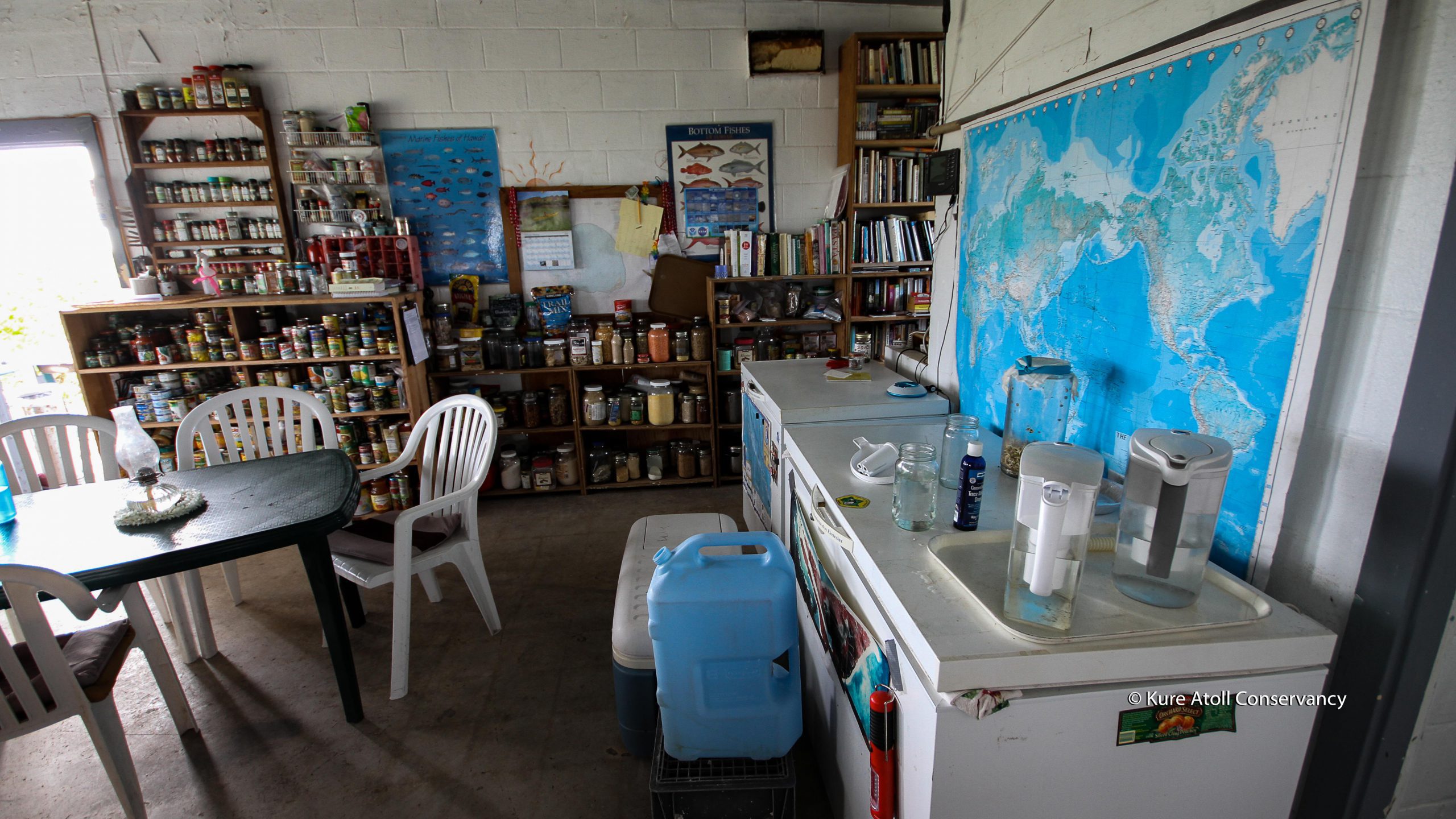
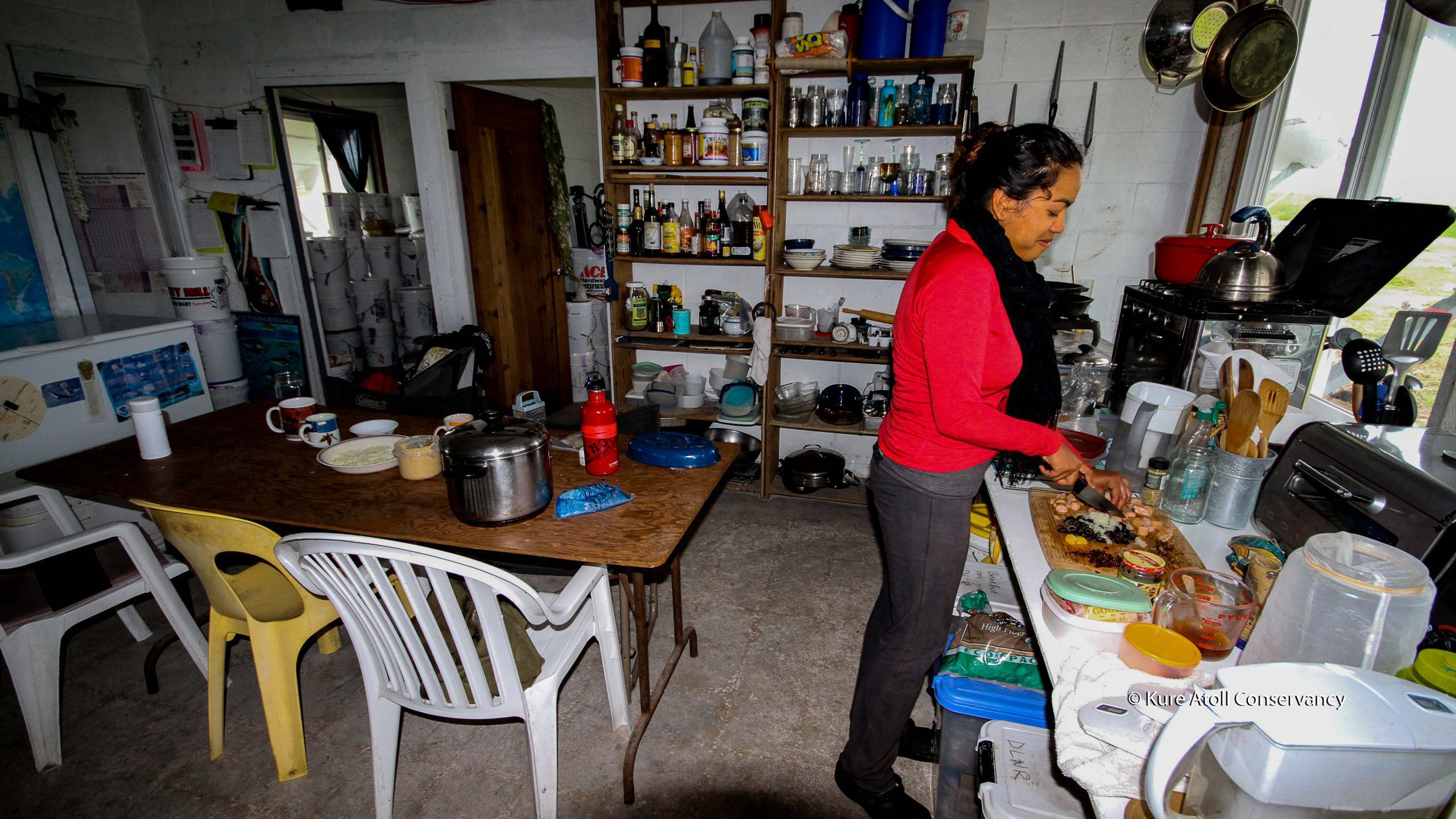
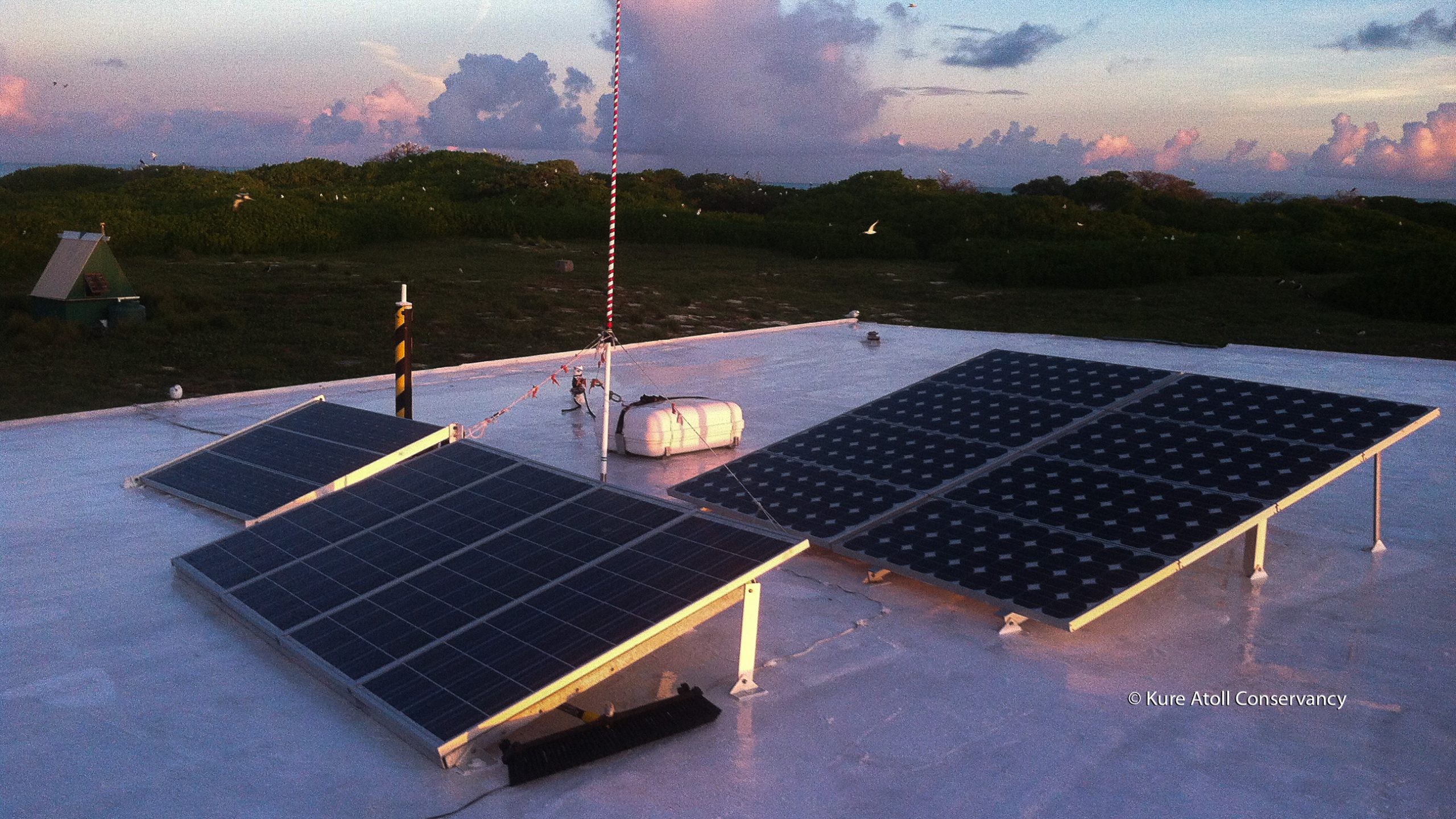
The Kure Atoll State Wildlife Sanctuary field station makes year-round habitat restoration, wildlife monitoring and research possible. The main house, cistern and tool shed date to the U.S. Coast Guard LORAN station, built in 1960. Today they provide living space, storage and workspace alongside the bunkhouse and lua (bathroom). Solar panels supply electricity, and rainwater is collected and treated for drinking and daily use.
Field crews live and work on Hōlanikū for extended seasons, sharing meals, field responsibilities and the routines of life on a remote island.


Visit from anywhere
Explore Online
Hōlanikū Virtual Field Trip
See how biologists reach the atoll and live there, learn why Hōlanikū matters to Native Hawaiians, and meet its wildlife in a 360° tour.
Start the field trip →Hanohano Hōlanikū
Short videos made by our field crews about marine debris, seabirds, native plants, runway reclamation and more.
Watch the series →History of Hōlanikū
A remote island, a pillar in history
Hōlanikū is more than an atoll for seabirds. The Kingdom of Hawaiʻi took formal possession of the atoll in 1886, during the reign of King Kalākaua. It was set aside for the Navy in 1936 and was home to a Coast Guard station from 1960 to 1992.
Read the full history →Maritime heritage
The Shipwrecks of Kure
The reef that protects Hōlanikū has also wrecked ships. Shipwreck survivors sometimes waited months on Green Island for rescue. Select a ship to read its story on the Papahānaumokuākea maritime heritage site.


Get involved
Help Care for Hōlanikū
Kure Atoll Conservancy provides funding and personnel for field station operations, in partnership with the State of Hawaiʻi. Support the work, join a field season or follow along from home.