
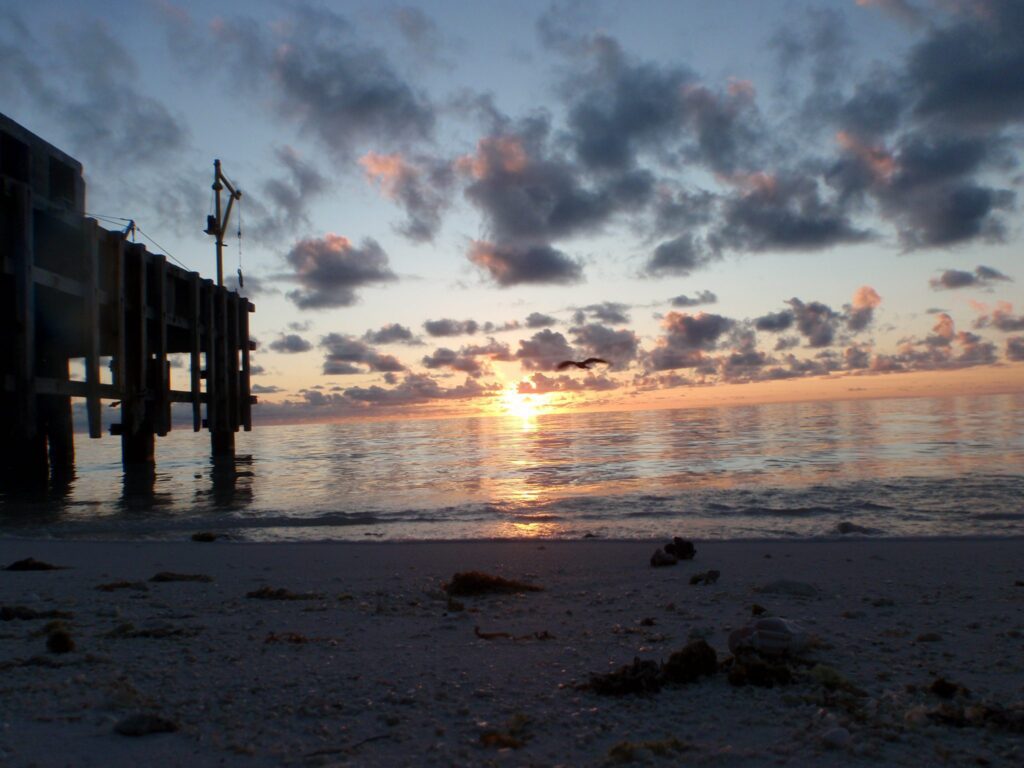
Explore Hōlanikū (Kure Atoll)
38,000+
Laysan Albatross Nests
3,000+
Black-footed Albatross Nests
100+
Resident Monk Seals
18
Nesting Seabird Species
Seabirds
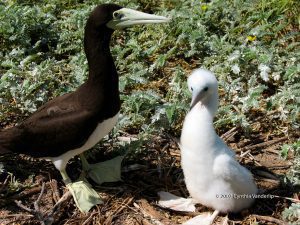
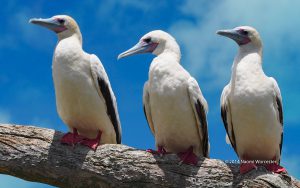
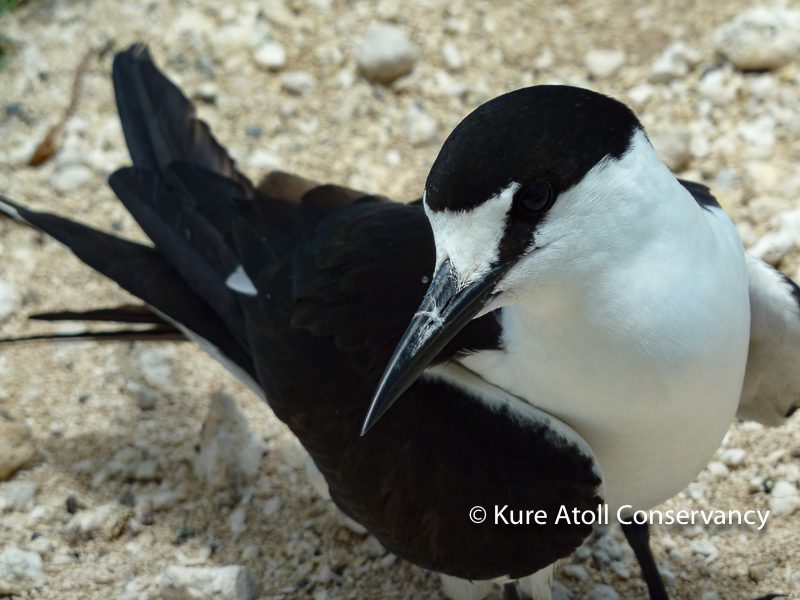
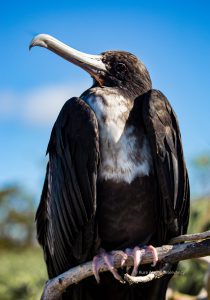
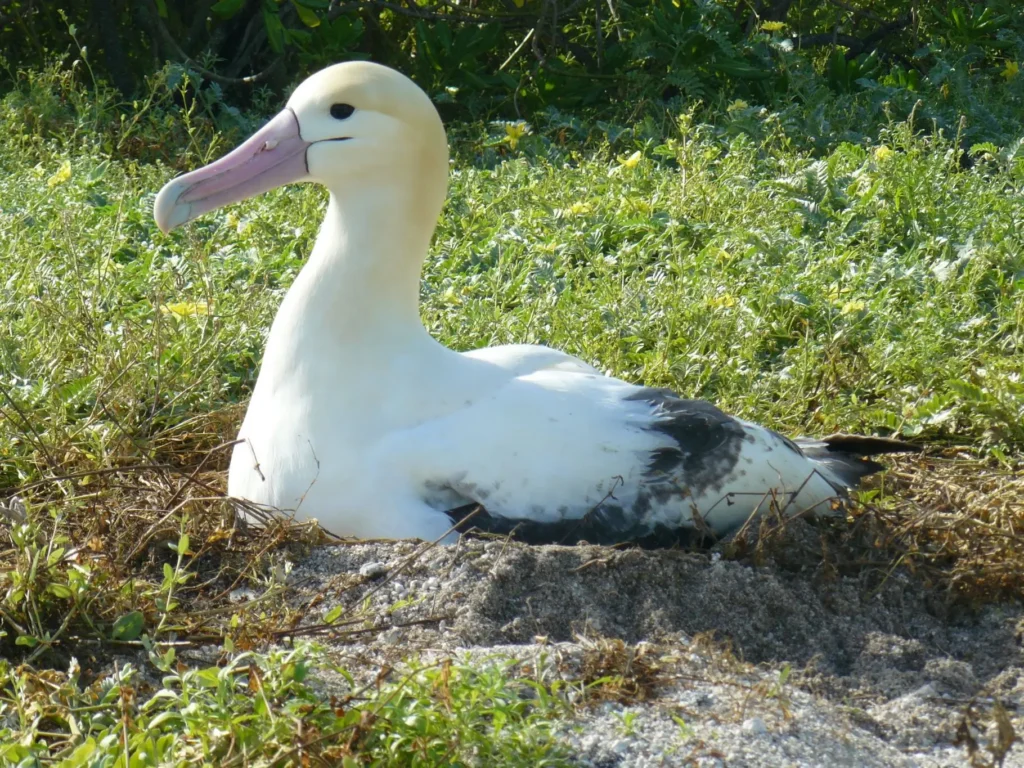
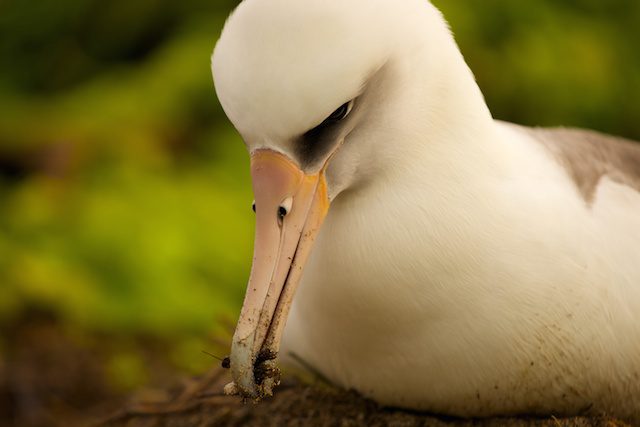
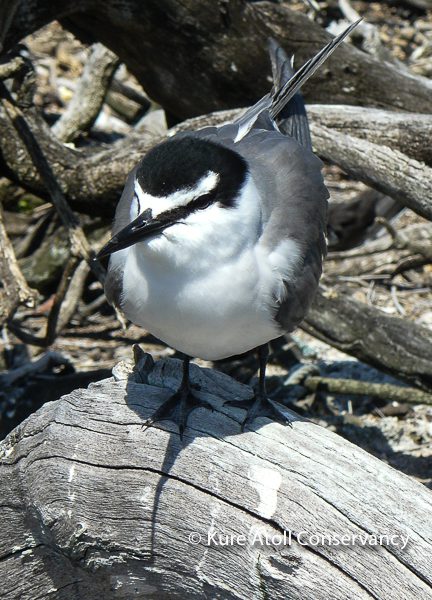
Today, most of Hawaii’s seabirds are restricted to the Northwestern Hawaiian Islands, which constitute one of the largest and most important seabird assemblages worldwide.
There are 18 seabird species that nest on Hōlanikū.









Shorebirds
Kure Atoll supports an incredible array of wildlife, including a diversity of shorebirds that visit and forage along its beaches and tidal flats. Five primary shorebird species regularly found here are the ‘Akekeke (Ruddy Turnstone), ‘Ūlili (Wandering Tattler), Hunakai (Sanderling), Kioea (Bristle‑thighed Curlew), and Kōlea (Pacific Golden‑Plover). These birds are an important part of the atoll’s dynamic ecosystem and are monitored alongside seabirds and other native wildlife as part of our conservation efforts.


Koloa Pōhaka – Laysan Duck
Anas laysanensis
| State Recognized | Endemic |
| Federally Listed | Endangered |
| State Listed | Endangered |
| IUCN Red List Ranking | Critically Endangered |
The Koloa Pōhaka, or Laysan Duck, is a small dabbling duck (Family: Anatidae) that is endemic to Hawai‘i. Until recently, it was restricted to Kamole (Laysan Island) (370 hectares or 911 acres) in the Northwestern Hawaiian Islands (NWHI). Despite successful translocation efforts that have established new populations on Kuaihelani (Midway Atoll) and Hōlanikū (Kure Atoll), this species still has one of the smallest geographic ranges of any duck.
Adults are dark brown overall, featuring a prominent white eye ring and varying amounts of white feathers on the head and neck; the sexes are similar in appearance. Unlike many other duck species, Laysan Ducks exhibit low reproductive rates, are nocturnal, and are highly terrestrial and sedentary. The species also has a relatively long lifespan. During the day, the ducks take cover under vegetation such as bunchgrass or shrubs.
Their diet mainly consists of larvae and pupae of Dipteran brine flies, adult Dipteran brine flies, larvae and pupae of noctuid moths, and brine shrimp. They also consume seeds, leaves, algae, and other invertebrates. When foraging, Laysan Ducks often run through swarms of adult brine flies, moving their heads back and forth to catch them. They also “filter feed” for moth larvae and pupae in the sand beneath low vegetation or dabble along the lake shore.
Nesting occurs from February to November, with most eggs laid between April and August. Nests are well concealed and typically found at the base of dense vegetation, especially bunchgrass. They consist of shallow scrapes lined with dead grass and some down, where females usually lay three to five eggs that hatch after 28 days. Ducklings are precocial, meaning they can move and feed independently right after hatching and do not rely on the female for food. When startled by predators, Laysan ducks tend to walk away rather than fly, and they often freeze instead of flushing.
Laysan Ducks currently inhabit only Kamole (Laysan Island), Kuaihelani (Midway Atoll), and Hōlanikū (Kure Atoll) in the NWHI. The population on Midway Atoll was established through successful translocation efforts in 2004–2005. In 2014, 28 young adult birds were translocated from Midway to Kure Atoll. An additional 24 young adult birds were translocated from Midway to Kure in 2023, further aiding reintroduction efforts. Fossil and subfossil evidence indicates that Laysan Ducks were once widespread in the NWHI and Main Hawaiian Islands (MHI) before the arrival of Polynesians, with occurrences on Hawai‘i, Moloka‘i, O‘ahu, Maui, and Kaua‘i. The species was last seen on Lisianski in 1844.
Two habitats are critical to the survival of Laysan Duck: vegetated uplands and wetlands. Uplands supporting vegetation such as beach naupaka and bunch grass provide ducks with shelter and nesting habitat, and hypersaline lakes provide important foraging habitat. The importance of upland vegetation was demonstrated by the severe decline of ducks at the turn of the last century, when rabbits denuded Laysan, and by the species’ subsequent recovery after the rabbit population was eradicated in the 1920s and the vegetation recovered. Similarly, the number of ducks varies considerably depending on lake water levels; in 1987, there was a total breeding failure due to a drought and a lack of brine flies.
Historical threats included the introduction of rabbits, which subsequently denuded the island’s vegetation (see above), sport hunting, and guano mining. The species’ limited population size and geographic range exacerbates the risk of extinction from demographic and environmental stochasticity and catastrophes. These threats include:
- Nonnative species. Introduced plants have displaced native vegetation and degraded nesting habitat, and nonnative invertebrates may be altering habitat and affecting native species. Potential future reintroductions of the Laysan Duck to the MHI are complicated by the presence of nonnative predators, such as cats, dogs, pigs, mongooses, and rats.
- Habitat degradation. Devegetation caused by introduced rabbits has resulted in filling of Laysan’s interior lake and freshwater seeps, which are an important habitat and food source for the duck.
- Disease. Avian botulism has occurred annually on Midway Atoll since 2008, resulting in high mortality and population declines.
- Contaminants. Oil spills, pesticides, and other types of contaminants washing ashore are potentially a serious risk to the species.
- Climate change. Sea level rise due to climate change may result in loss or degradation of nesting habitat, and increased frequency and severity of storms could reduce survival and nesting success.
- Catastrophes. The Laysan Duck is vulnerable to environmental catastrophes, such as severe droughts, major storms, and tsunamis. For example, on Midway Atoll, some of the freshwater wetlands created for the ducks were damaged and inundated with saltwater by the Japan tsunami in 2011.
For more information and references, visit the DLNR State Wildlife Action Plan factsheets.

Plants
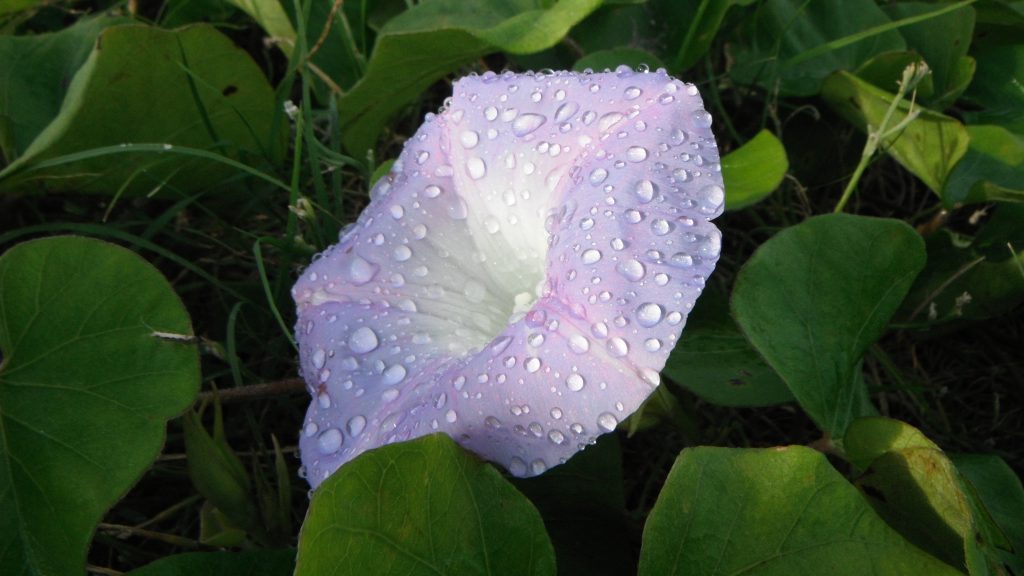
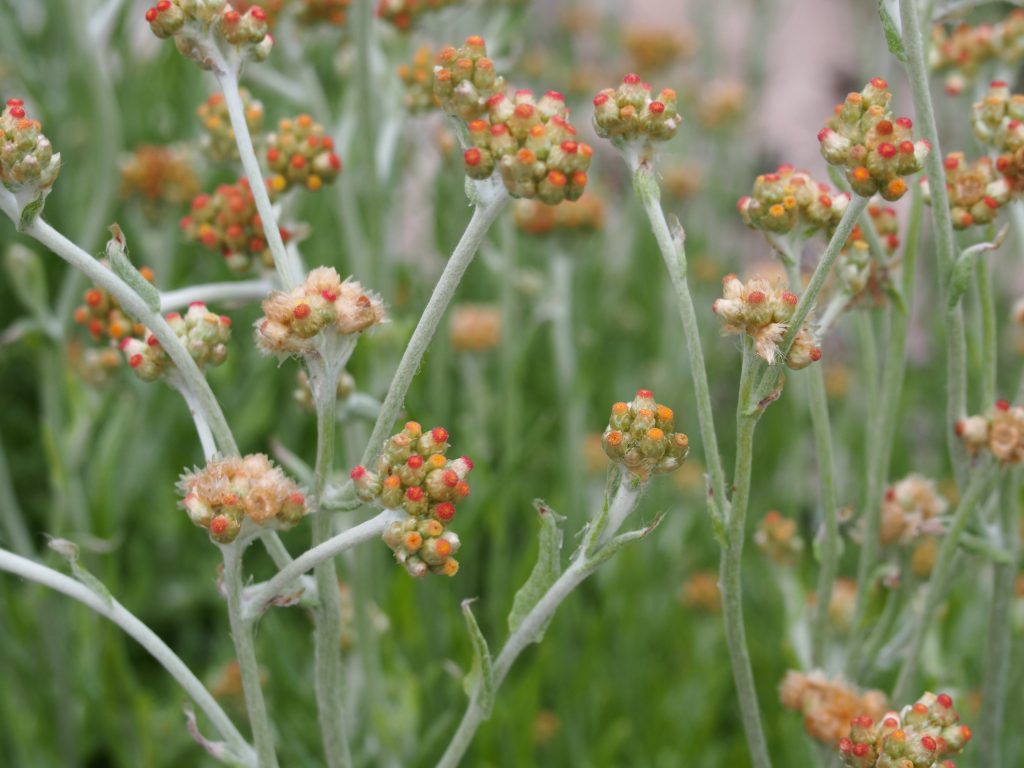
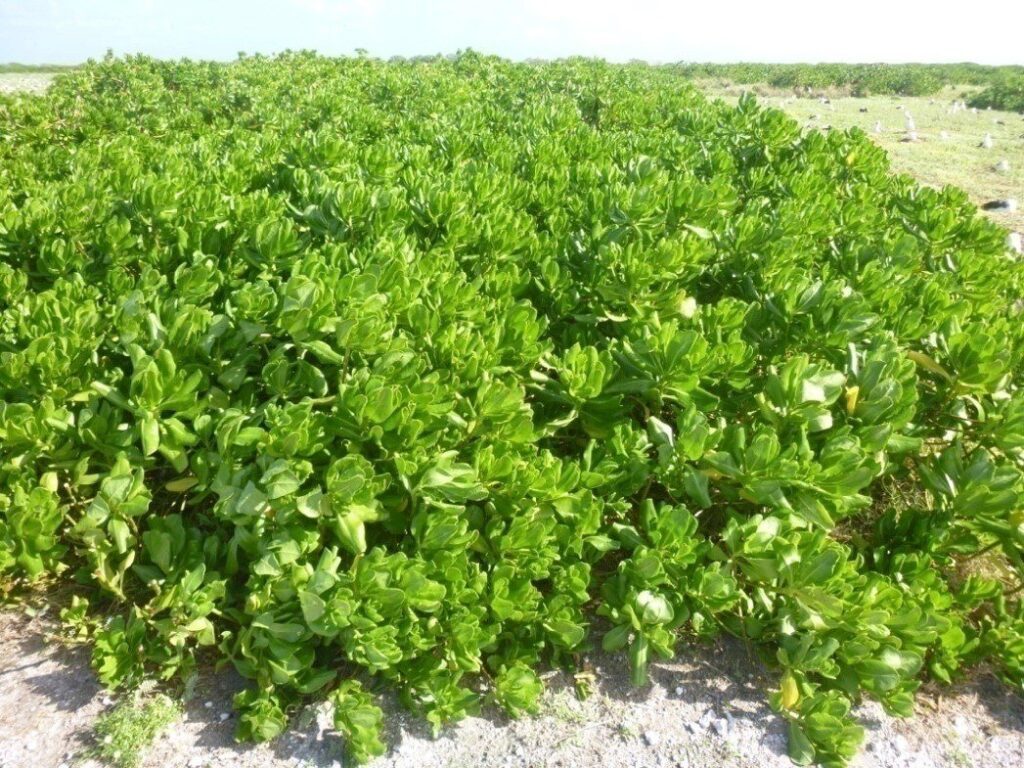
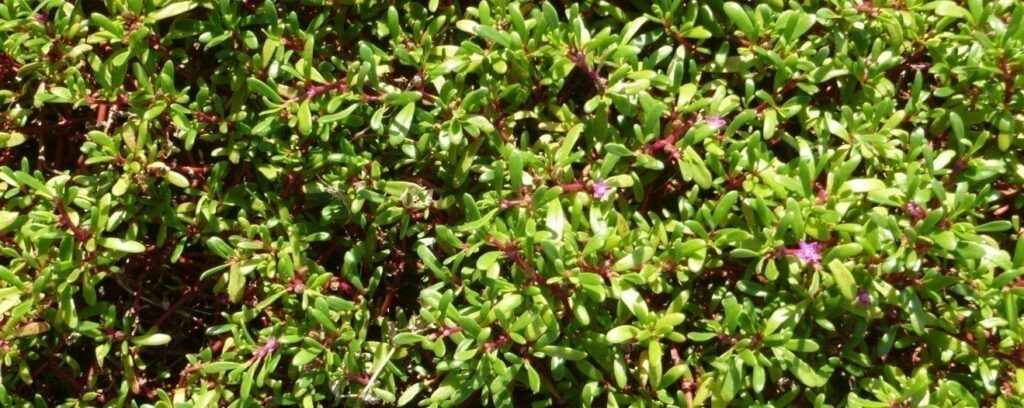
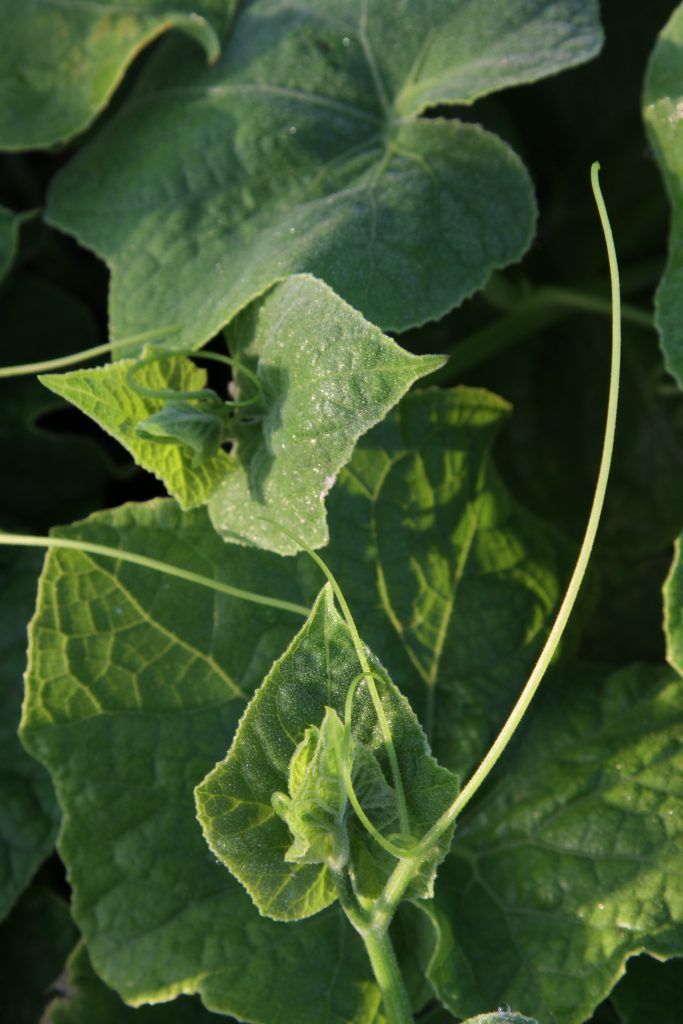
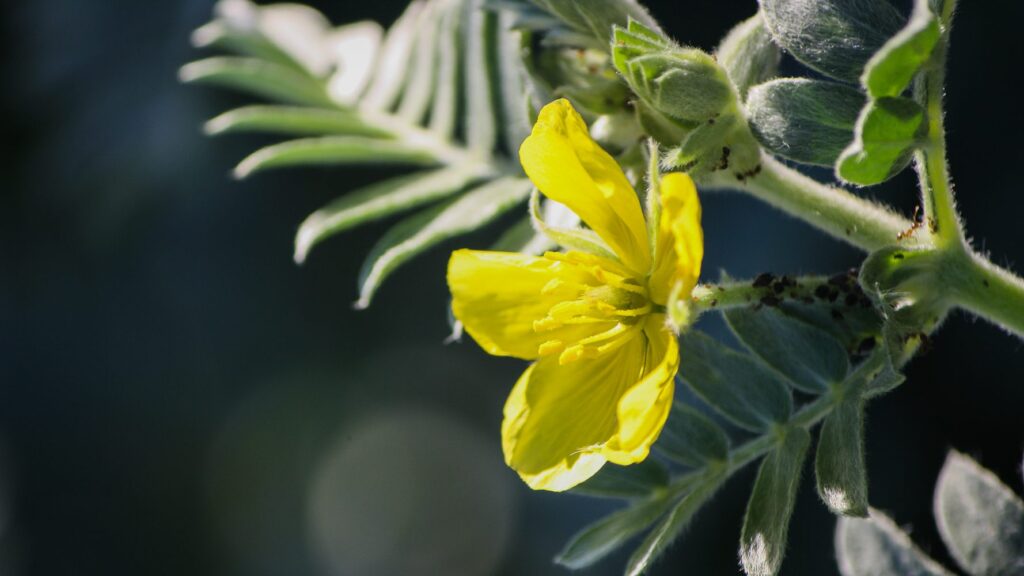
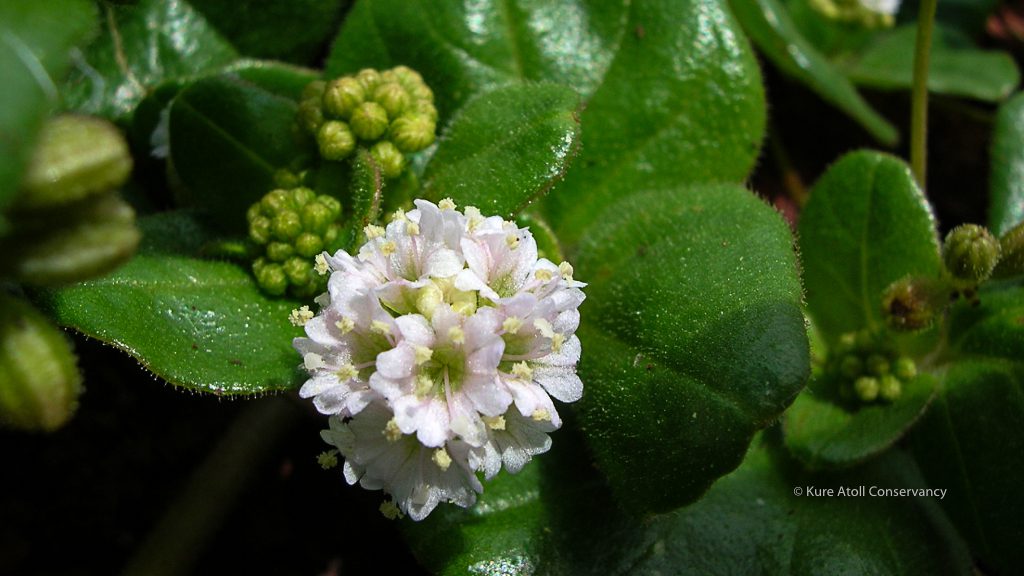
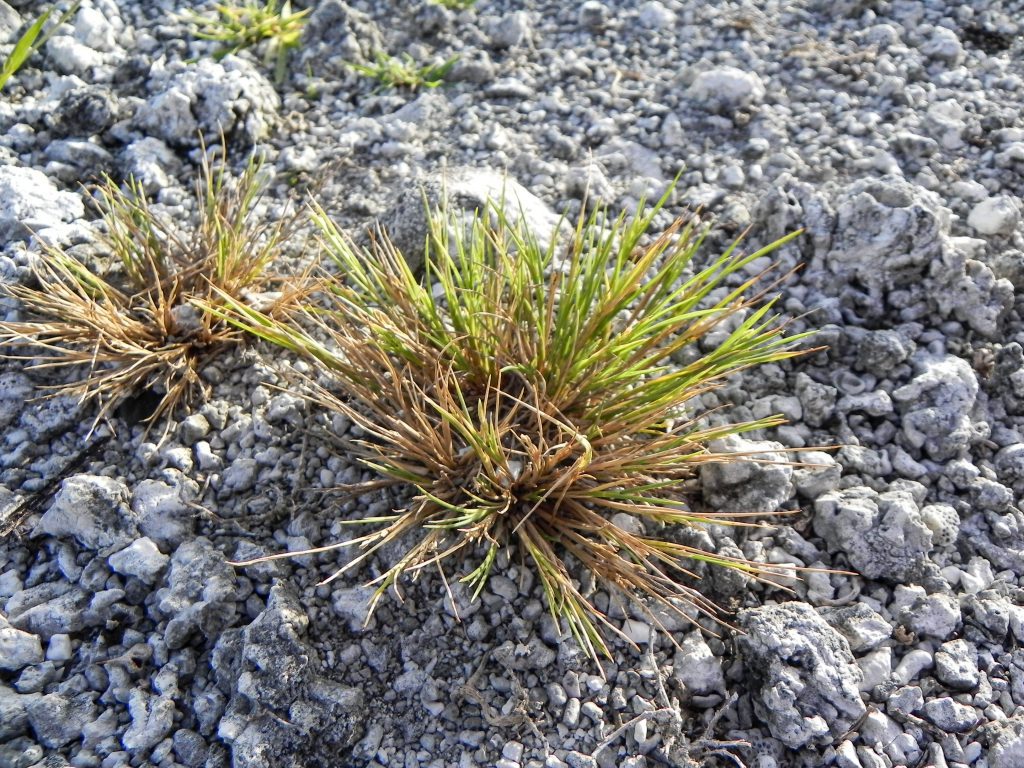
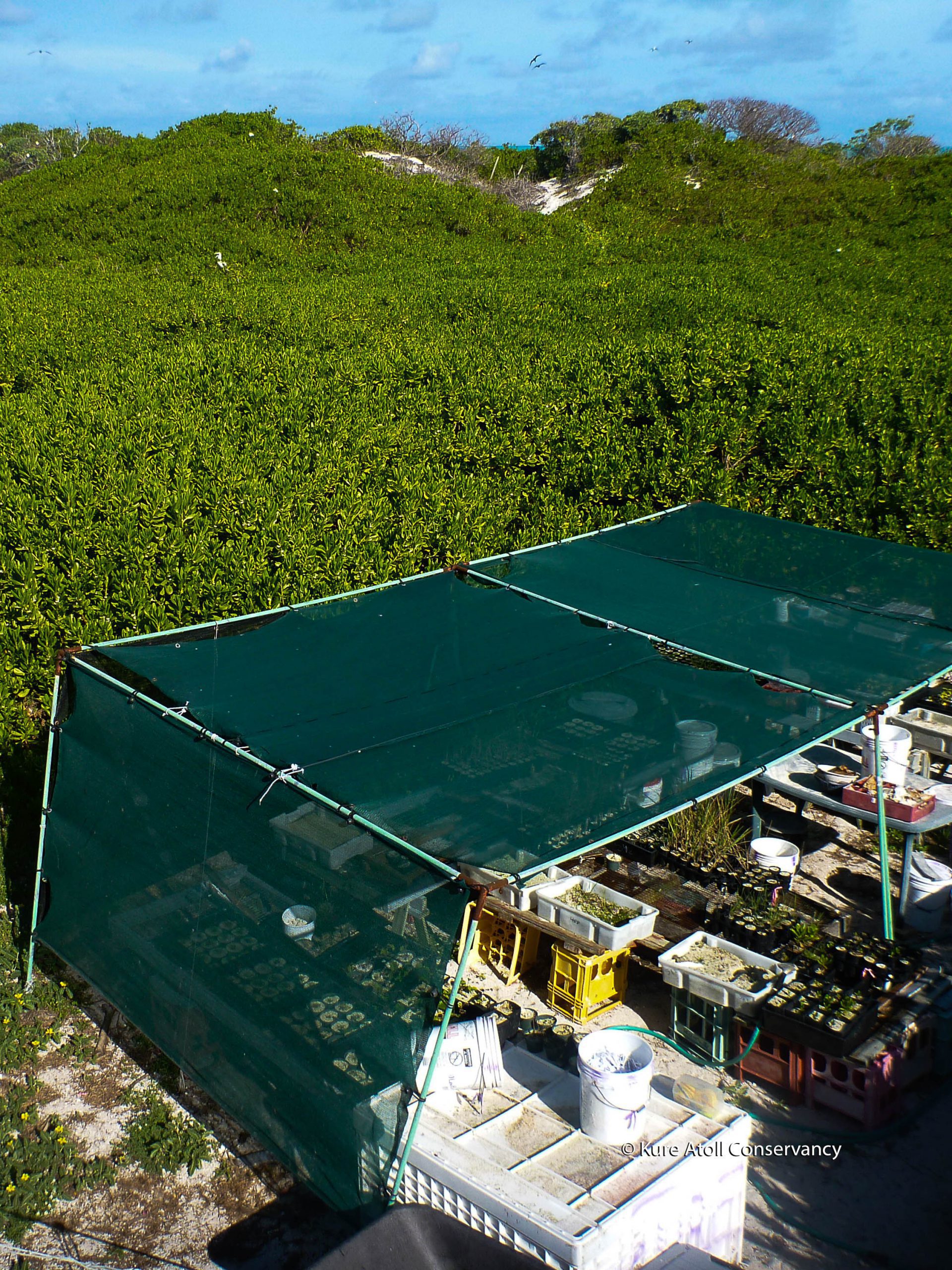
The plants and invertebrates that once belong on the coastal systems across the Hawaiian archipelago, have disappeared or declined within the main Hawaiian Islands. The extreme isolation and protection afforded by Kure Atoll and Papahānaumokuākea Marine National Monument present a unique opportunity to protect, restore, and support research on these disappearing ecosystems. All the numerous rare and native plants play a vital role in dune stabilization and creating habitats for all Kure wildlife.
Wildlife
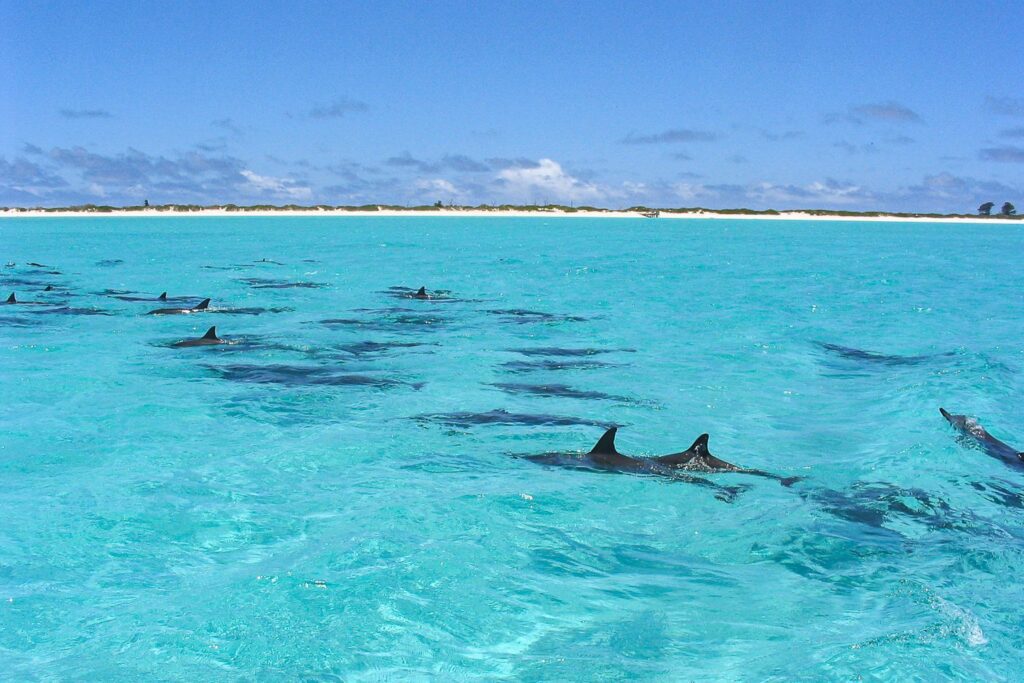
Hōlanikū’s marine environment is abundant and dynamic, playing host to endemic, rare and introduced species of fish, turtles and marine mammals. It is an important breeding colony for the endangered Hawaiian monk seal (Monachus schauinslandi), and provides habitat for the threatened green sea turtle (Chelonia mydas). The atoll is home to a 155 fish species; some are rare species like the Japanese angelfish (Centropyge interruptra) and 56% are endemic to the Hawaiian archipelago such as the Hawaiian dascyllus (Dascyllus albisella), belted wrasse (Stethojulis balteata) and saddle wrasse (Thalassoma duperrey) (DeMartini and Friedlander 2004). Nai’a, the Hawaiian spinner dolphin (Stenella longirostris), is a common site in the lagoon during their diurnal resting period.
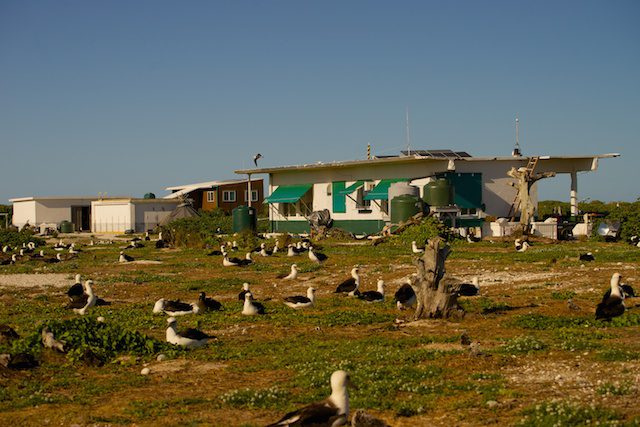
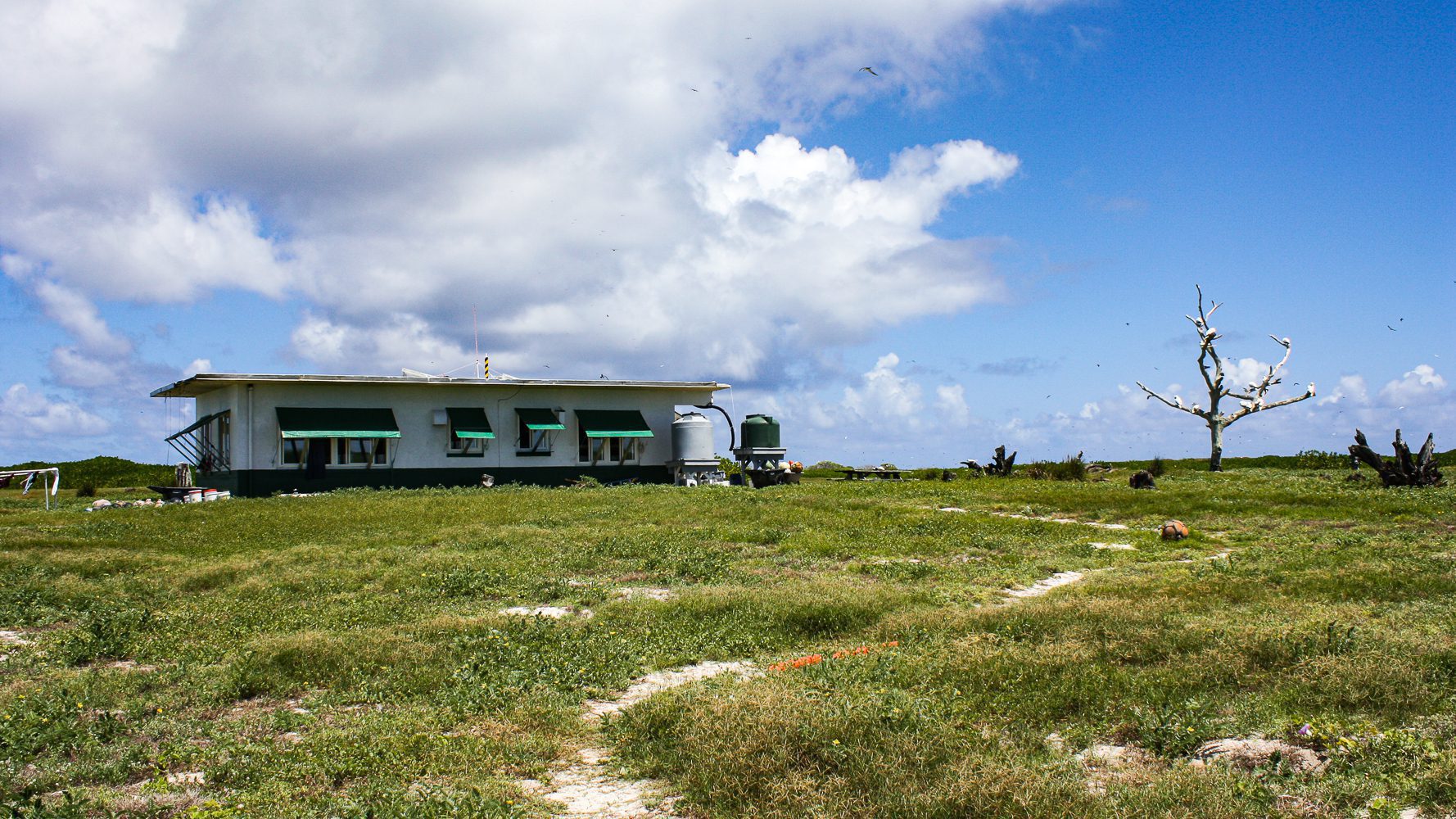
Hōlanikū (Kure Atoll) Ecological Research Station
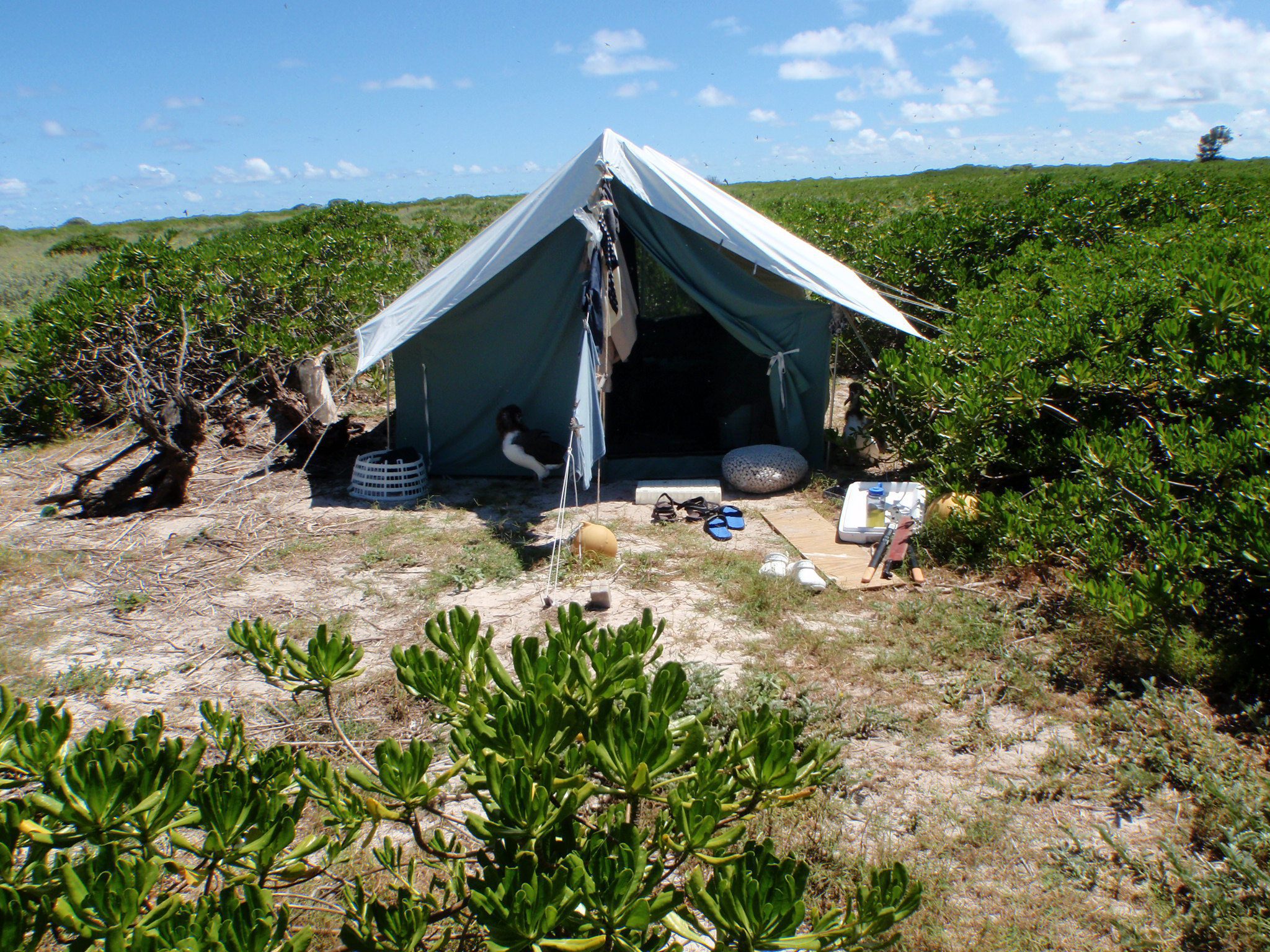
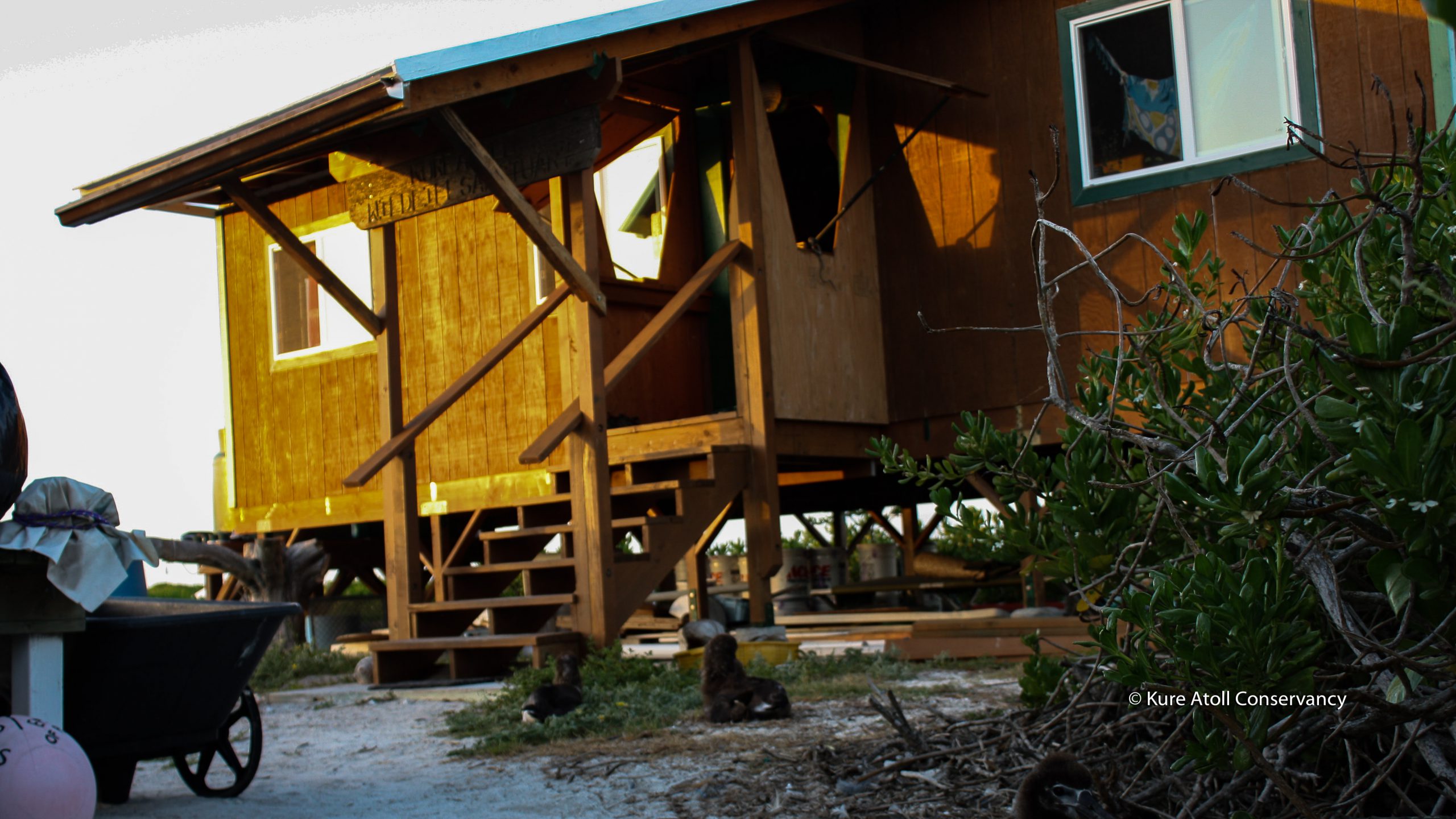
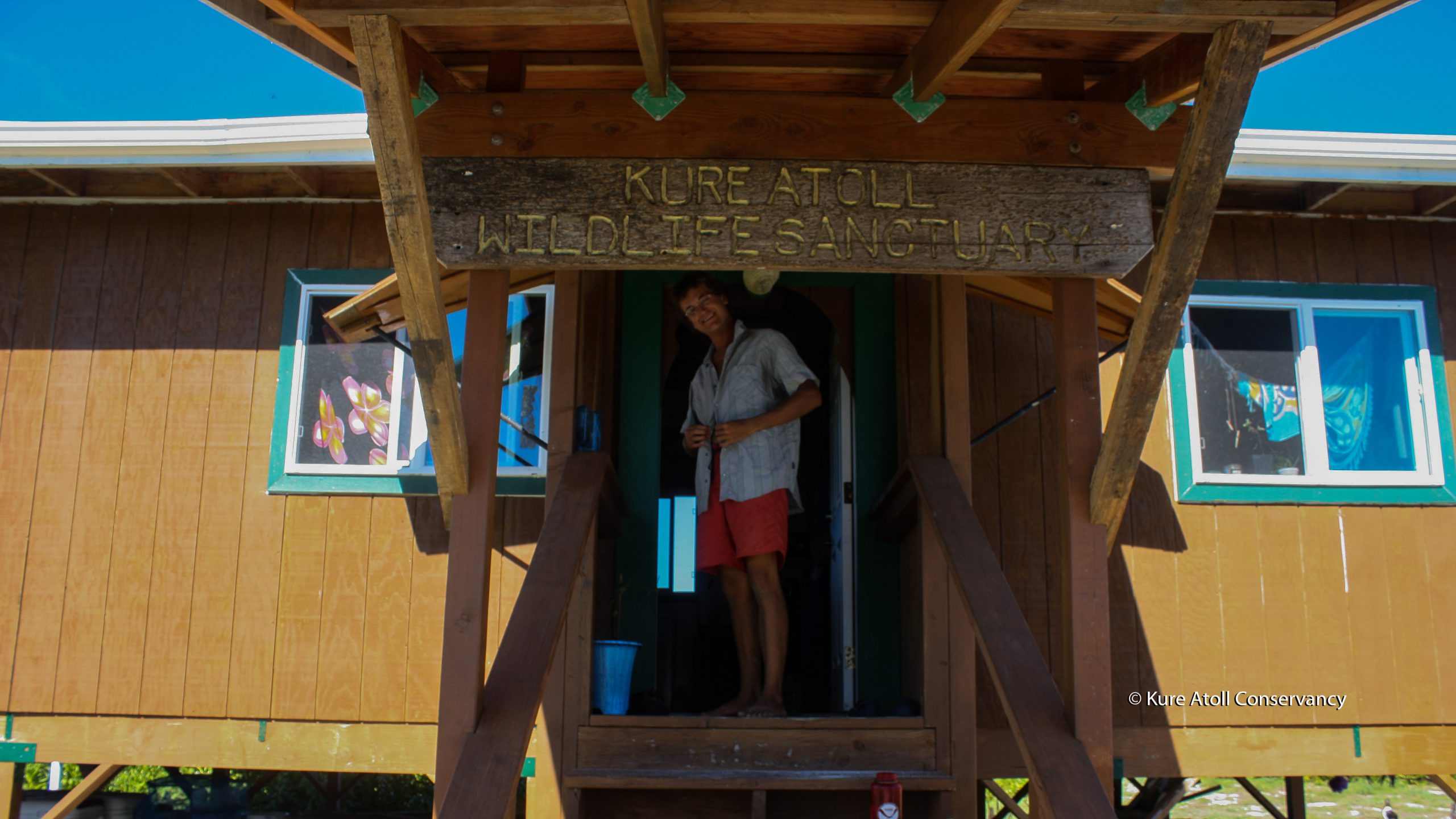
The State of Hawaiiʻs Kure Atoll Wildlife Sanctuary research station facilitates a comprehensive wildlife habitat restoration and natural resources education program of research, education, and facility development that services management actions needed to protect and maintain native wildlife resources and ecosystem function at Kure Atoll Wildlife Sanctuary.
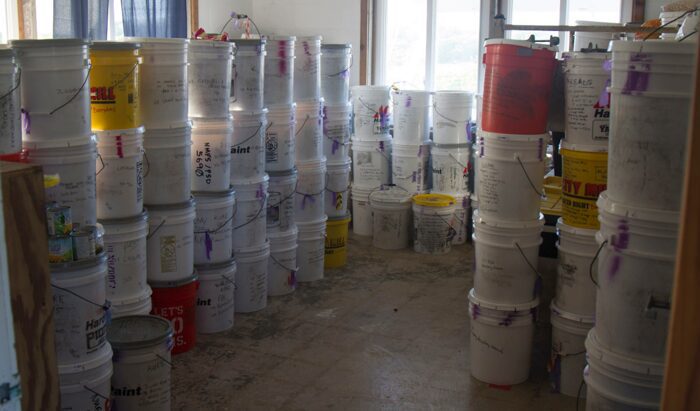
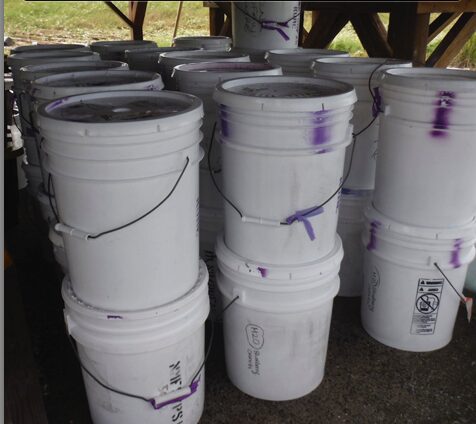
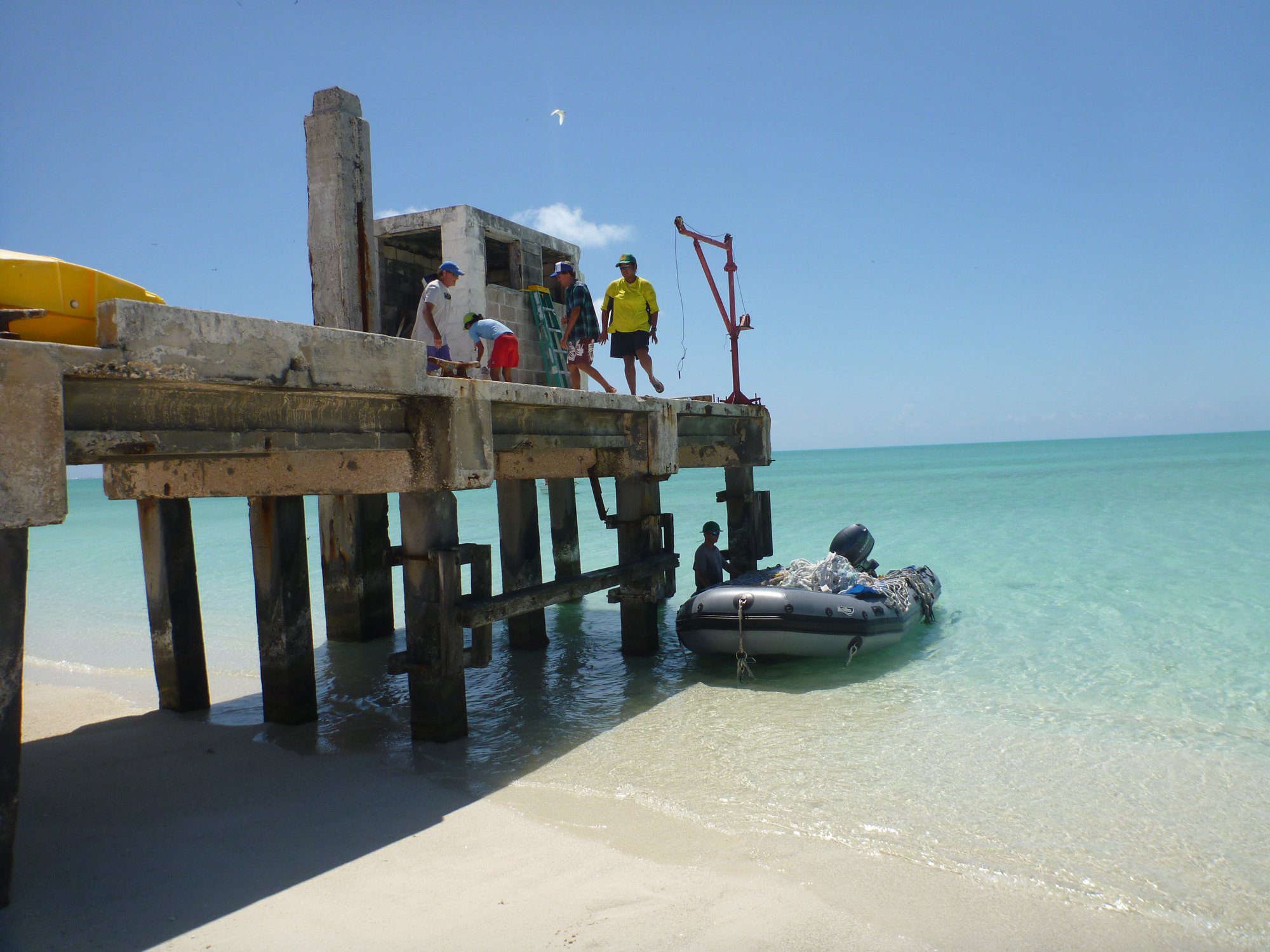
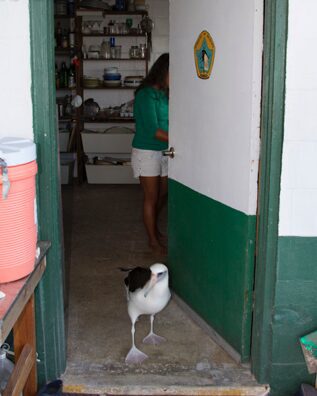
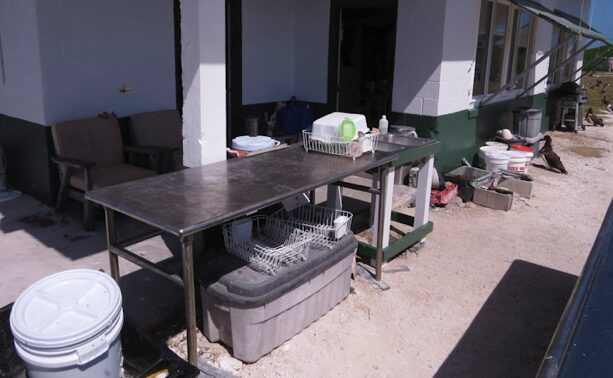
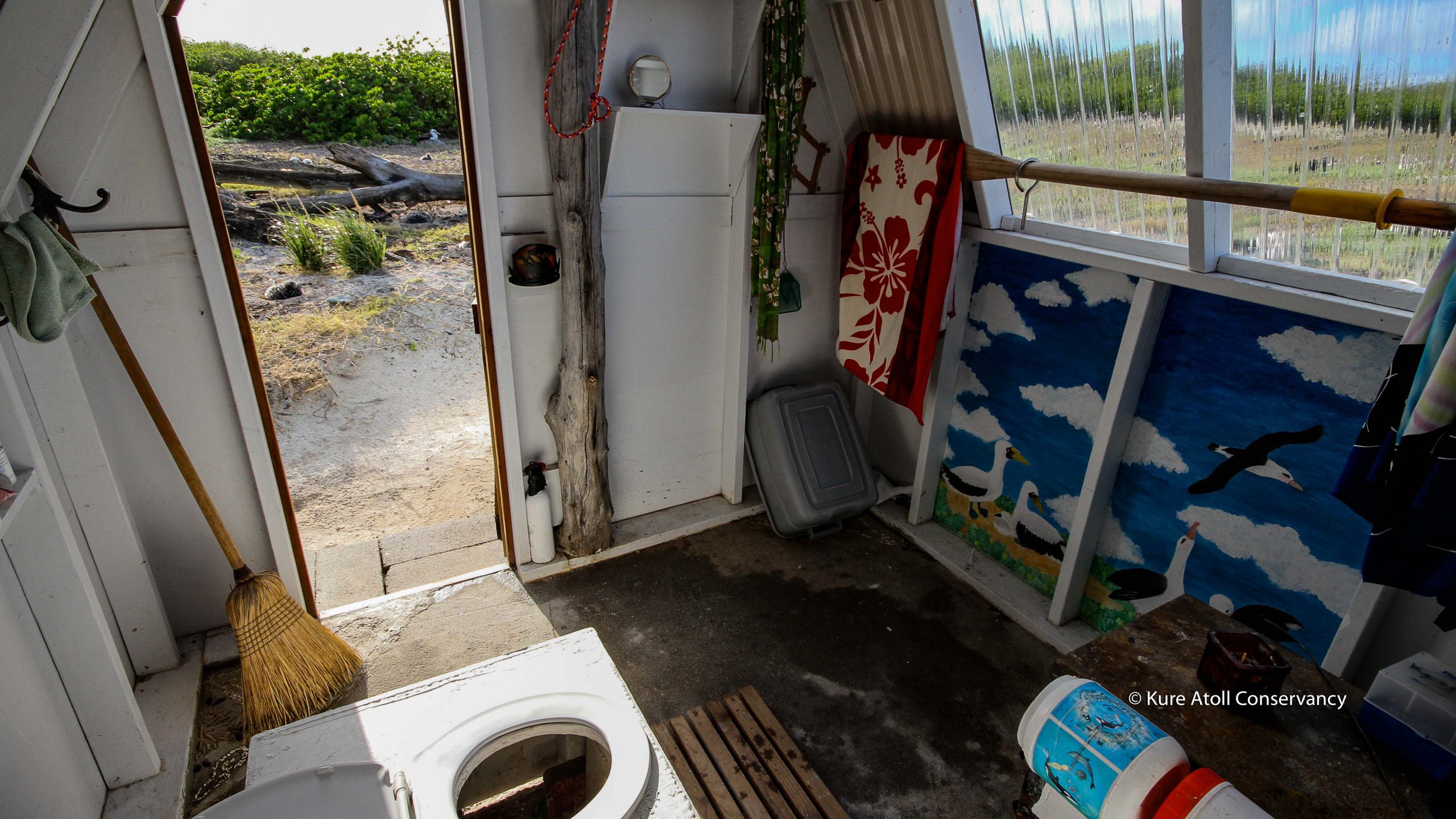
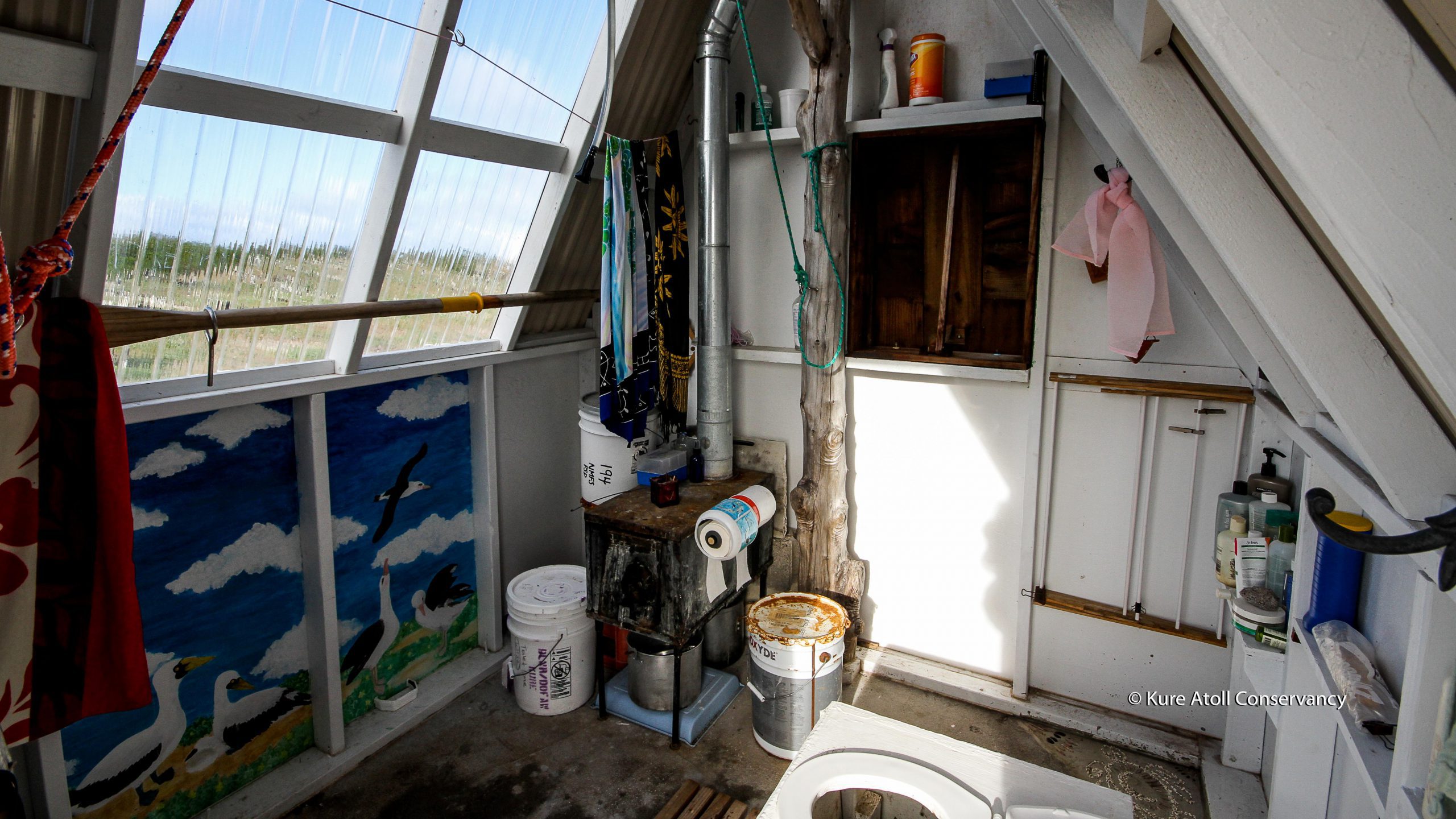
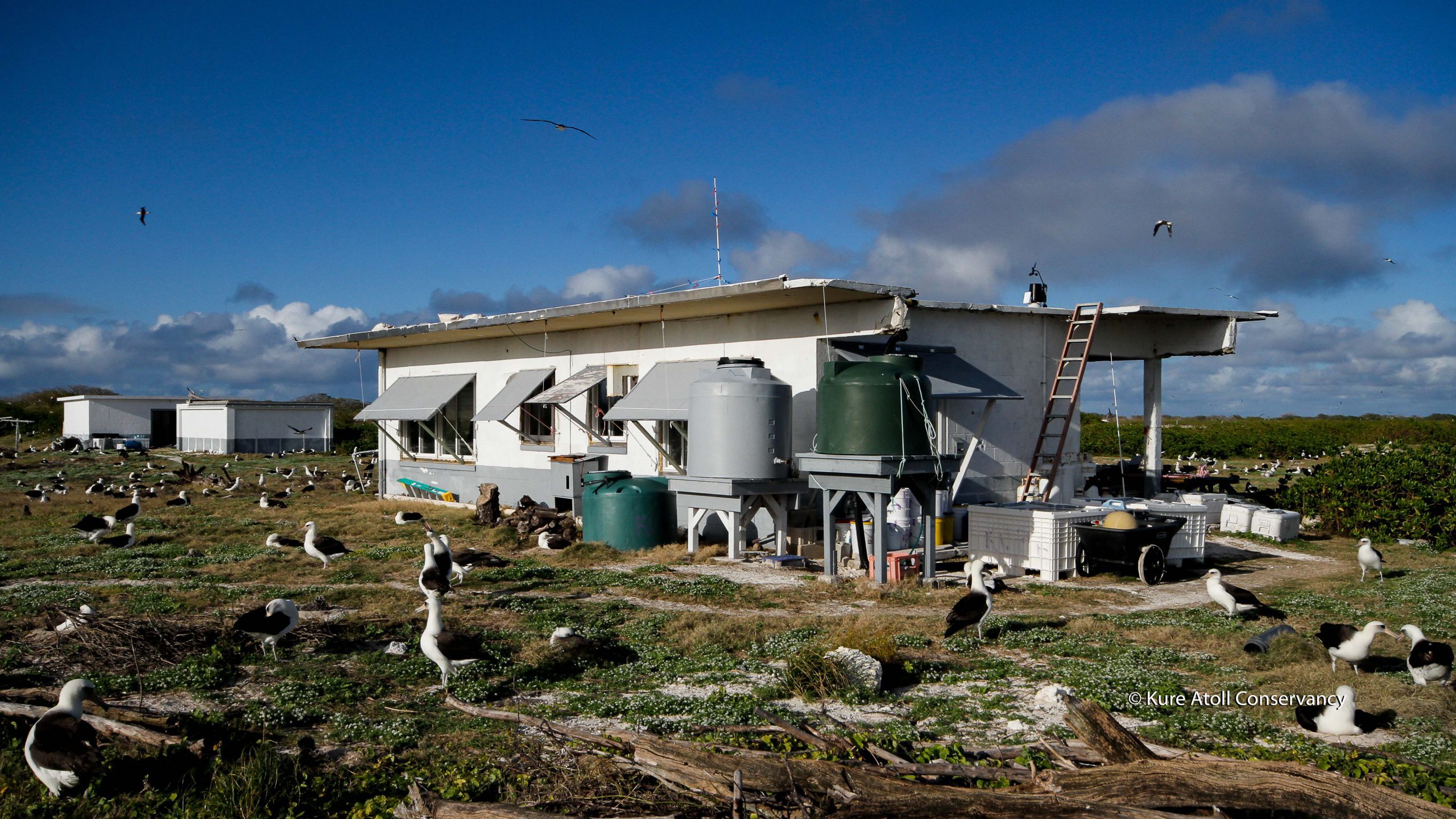
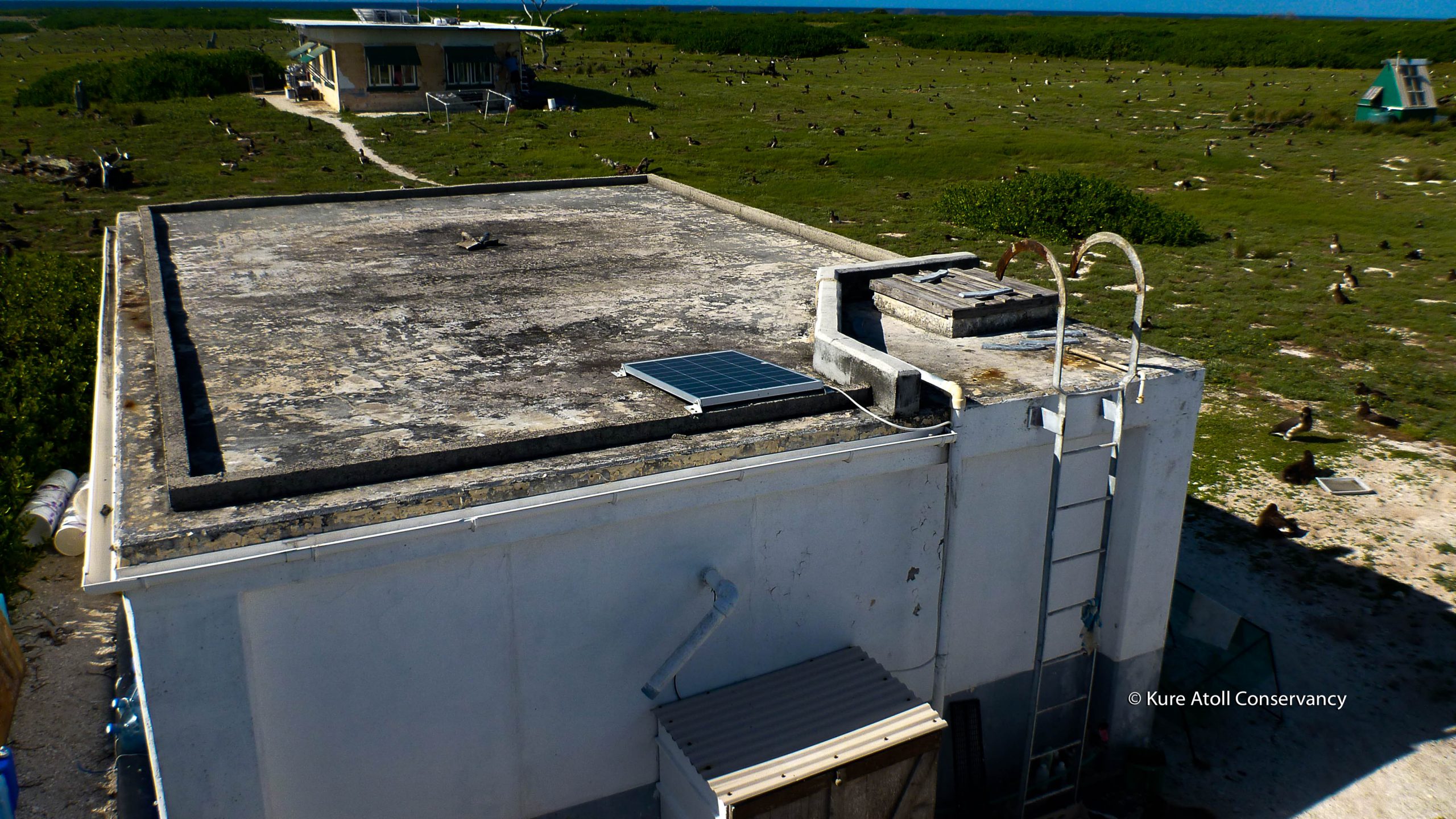
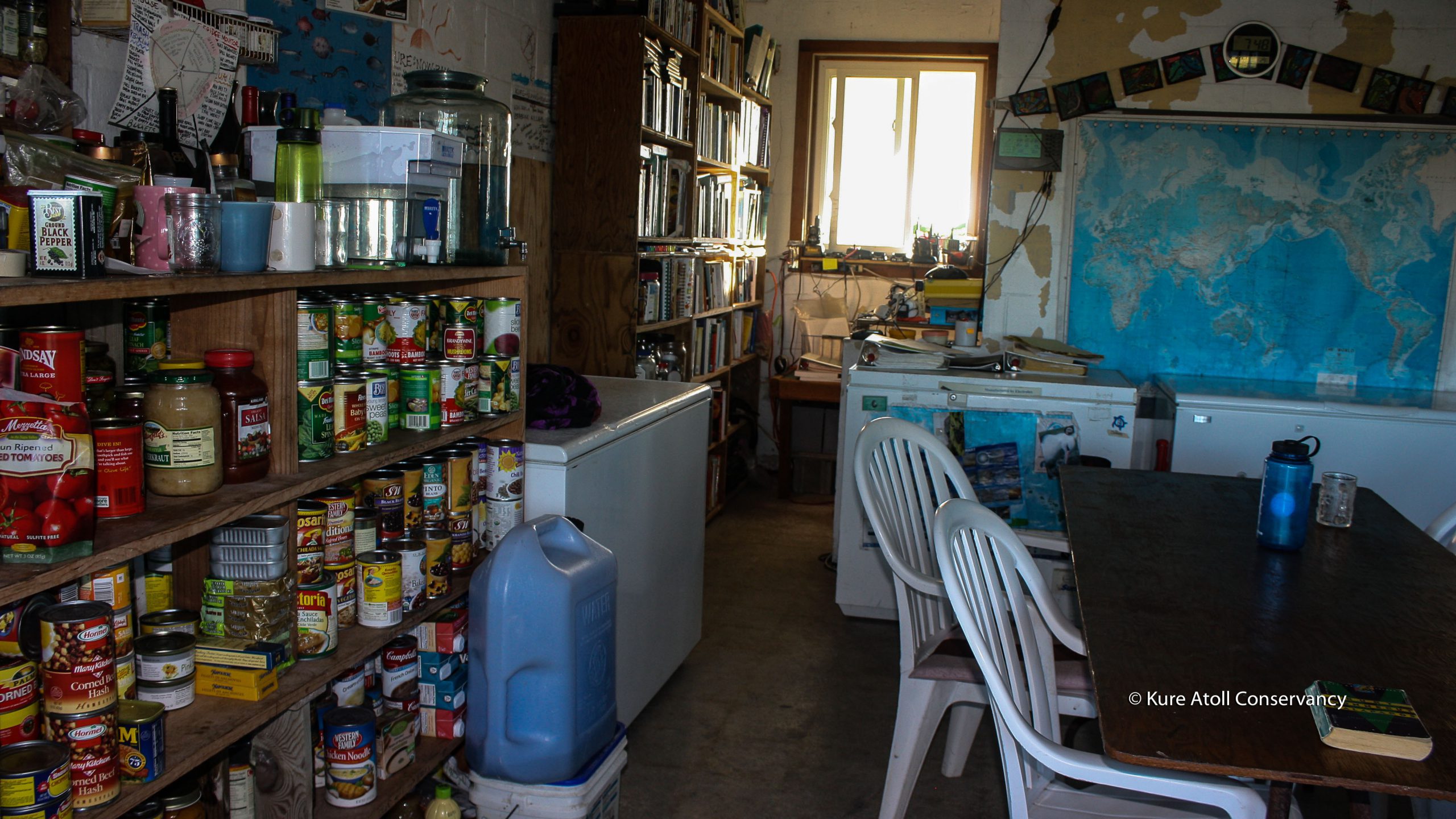
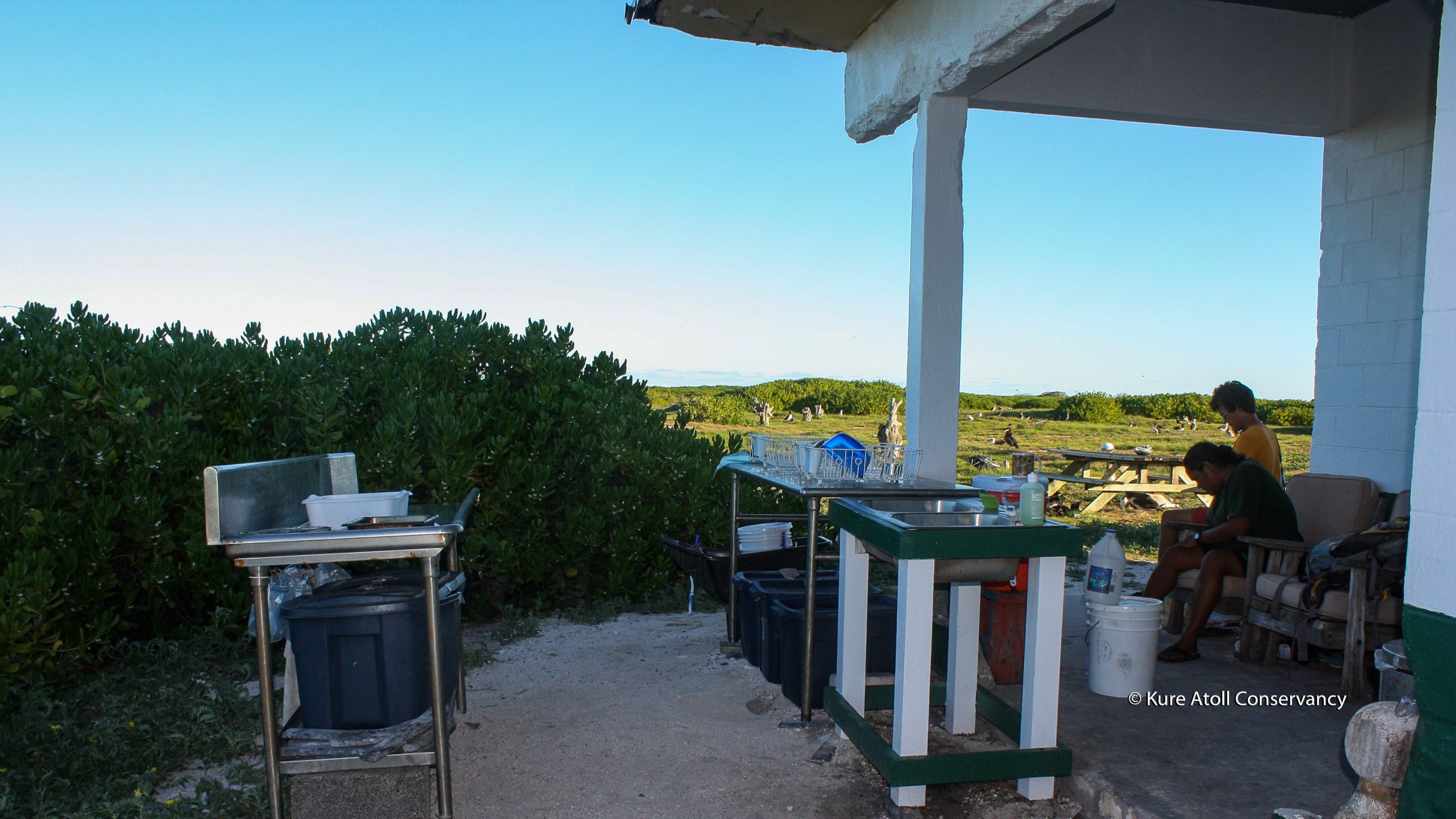
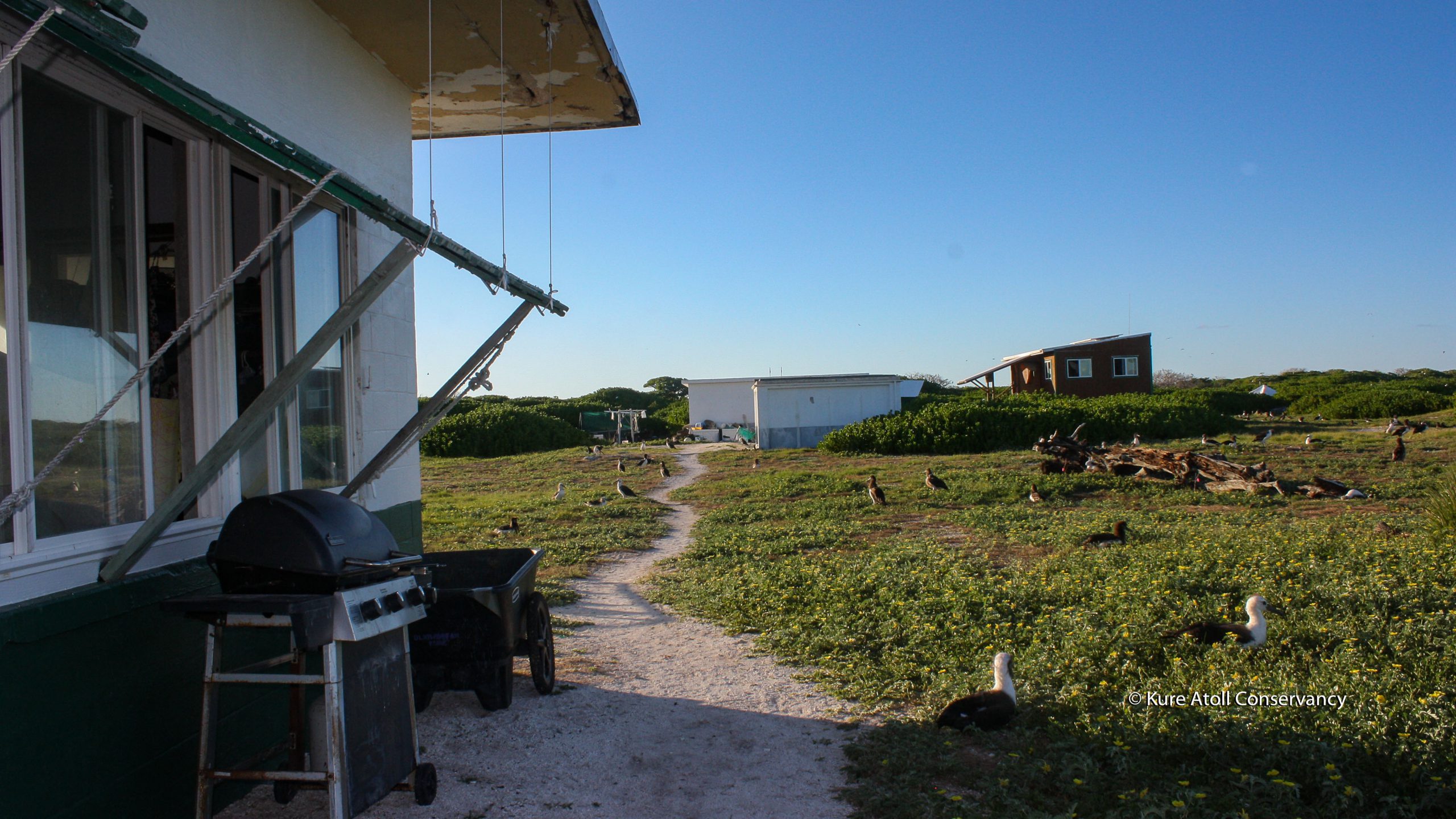
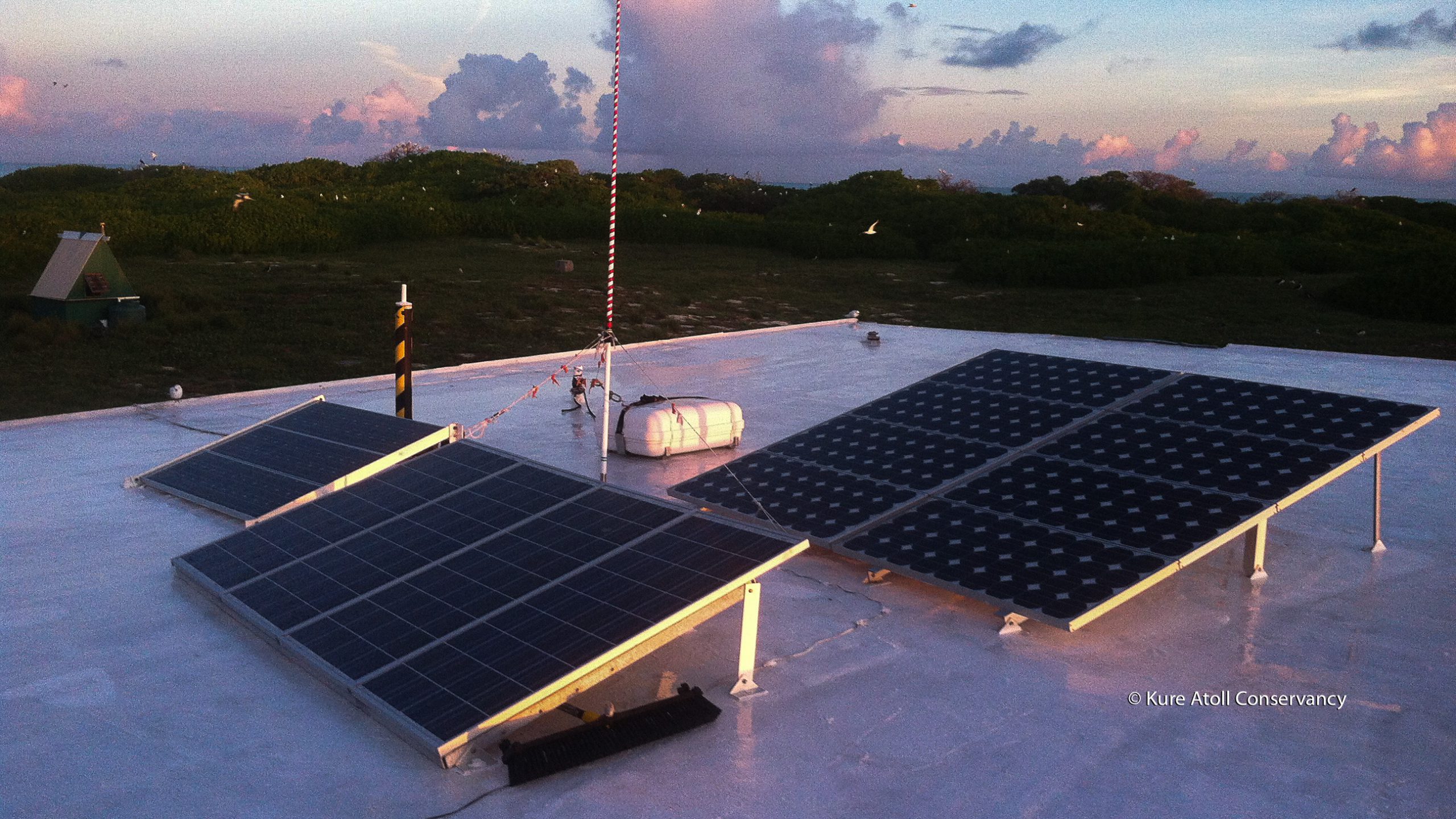
The main structures are the main house, the cistern, the tool shed, the lua (bathroom), and the bunkhouse. The first three are old structures built in 1960 for the Coast Guard LORAN Station, which operated until 1993. Today, they provide shelter, storage, and other basic needs for field camp operations.
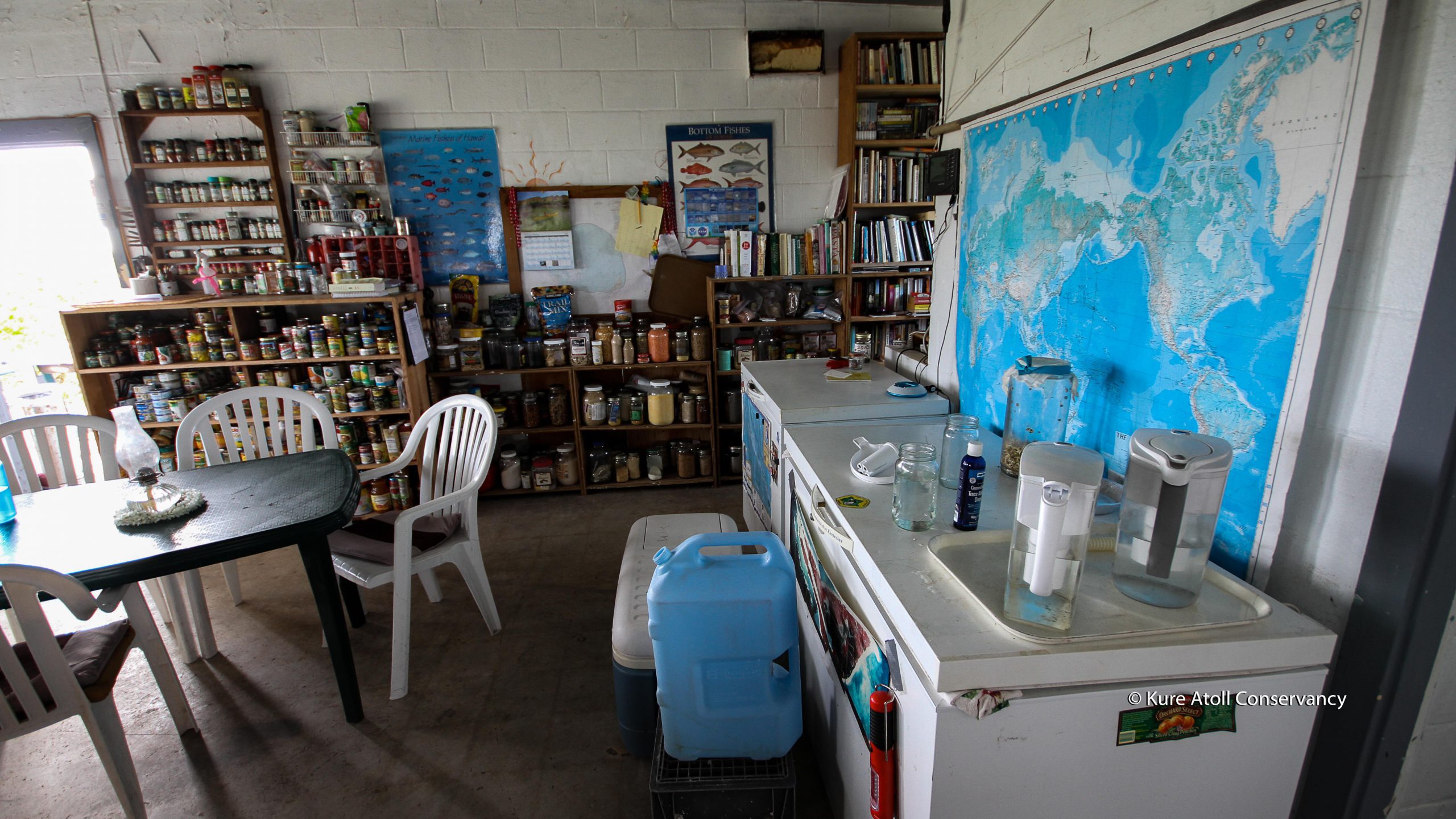
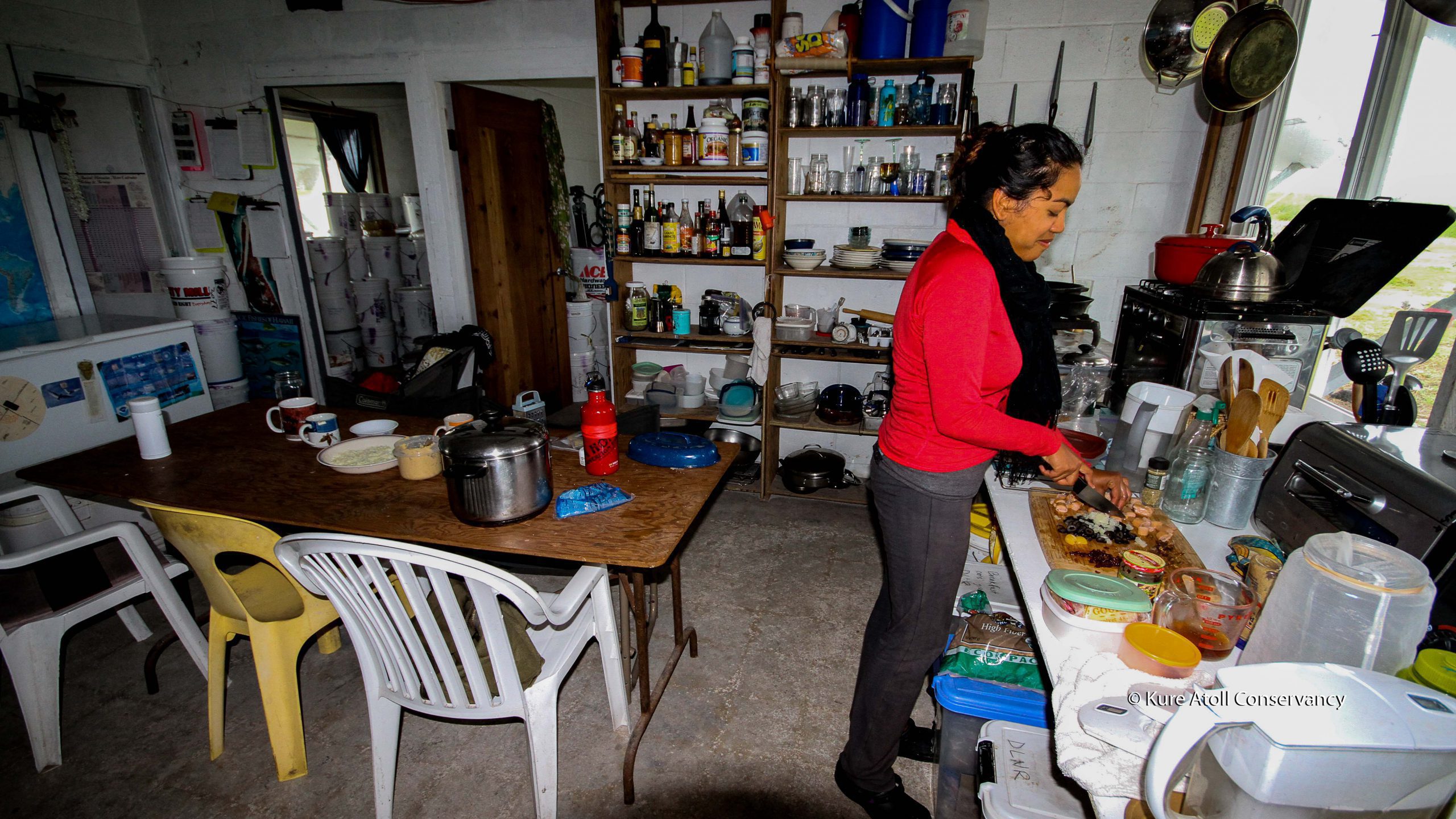
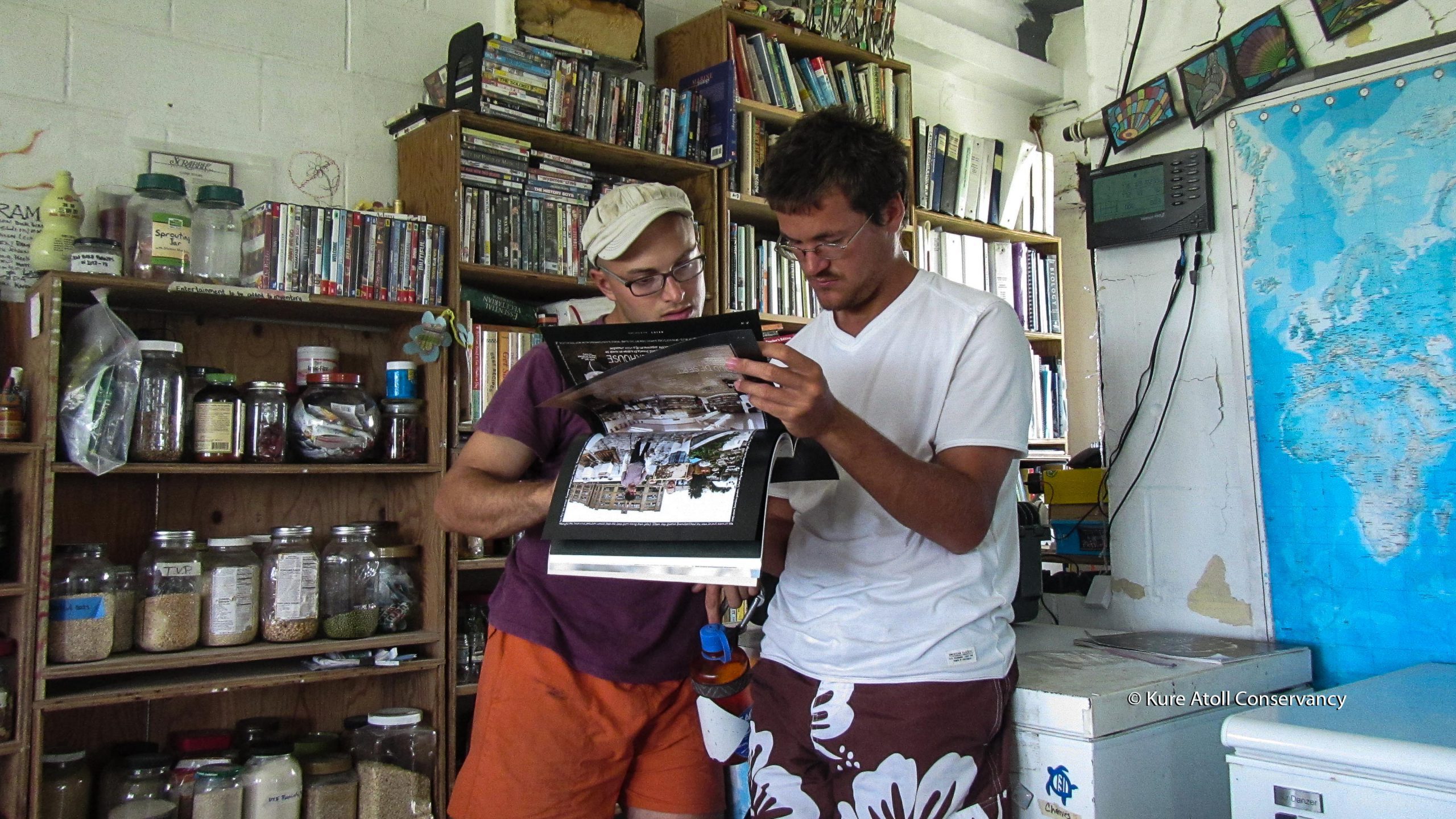
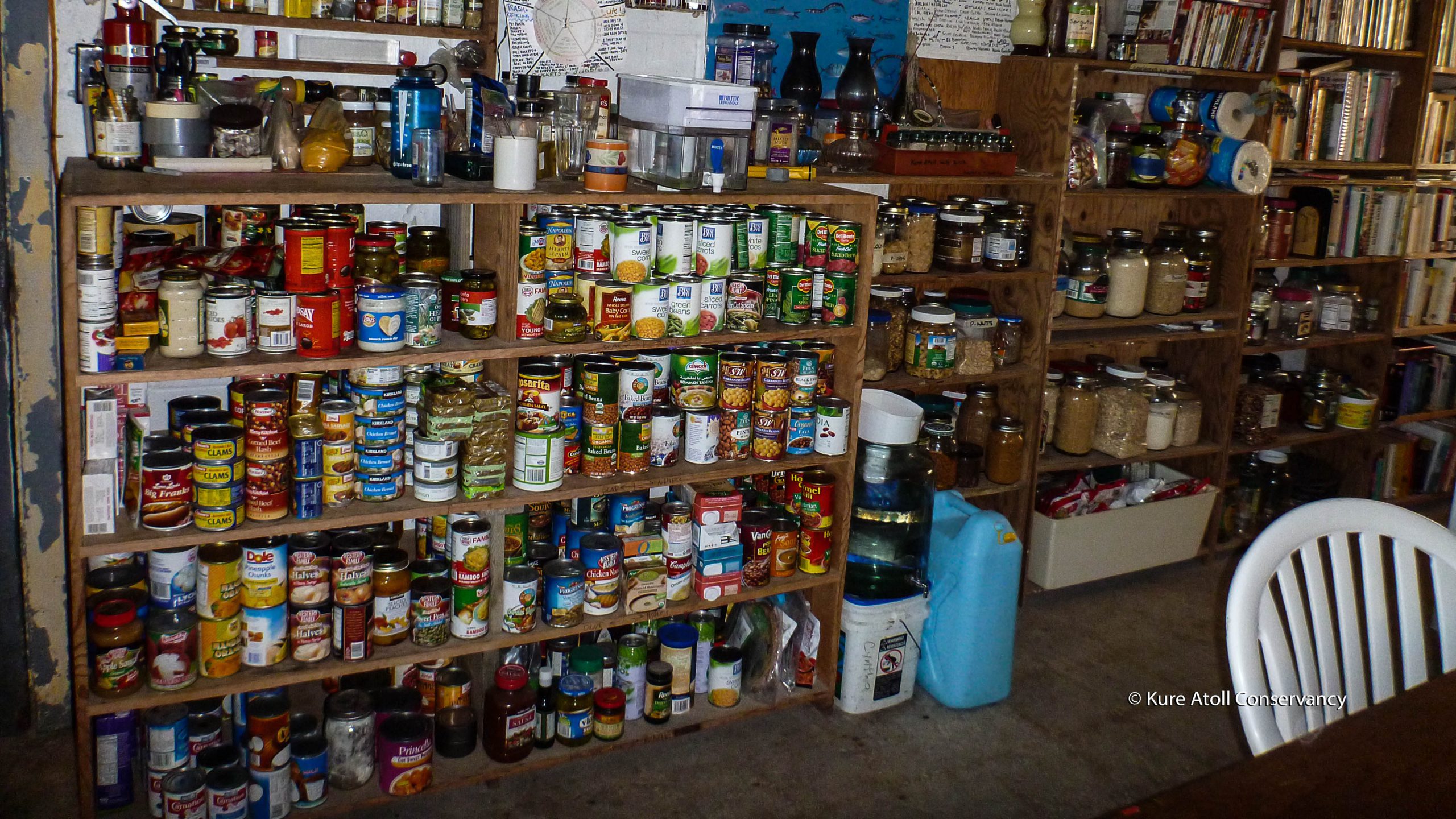
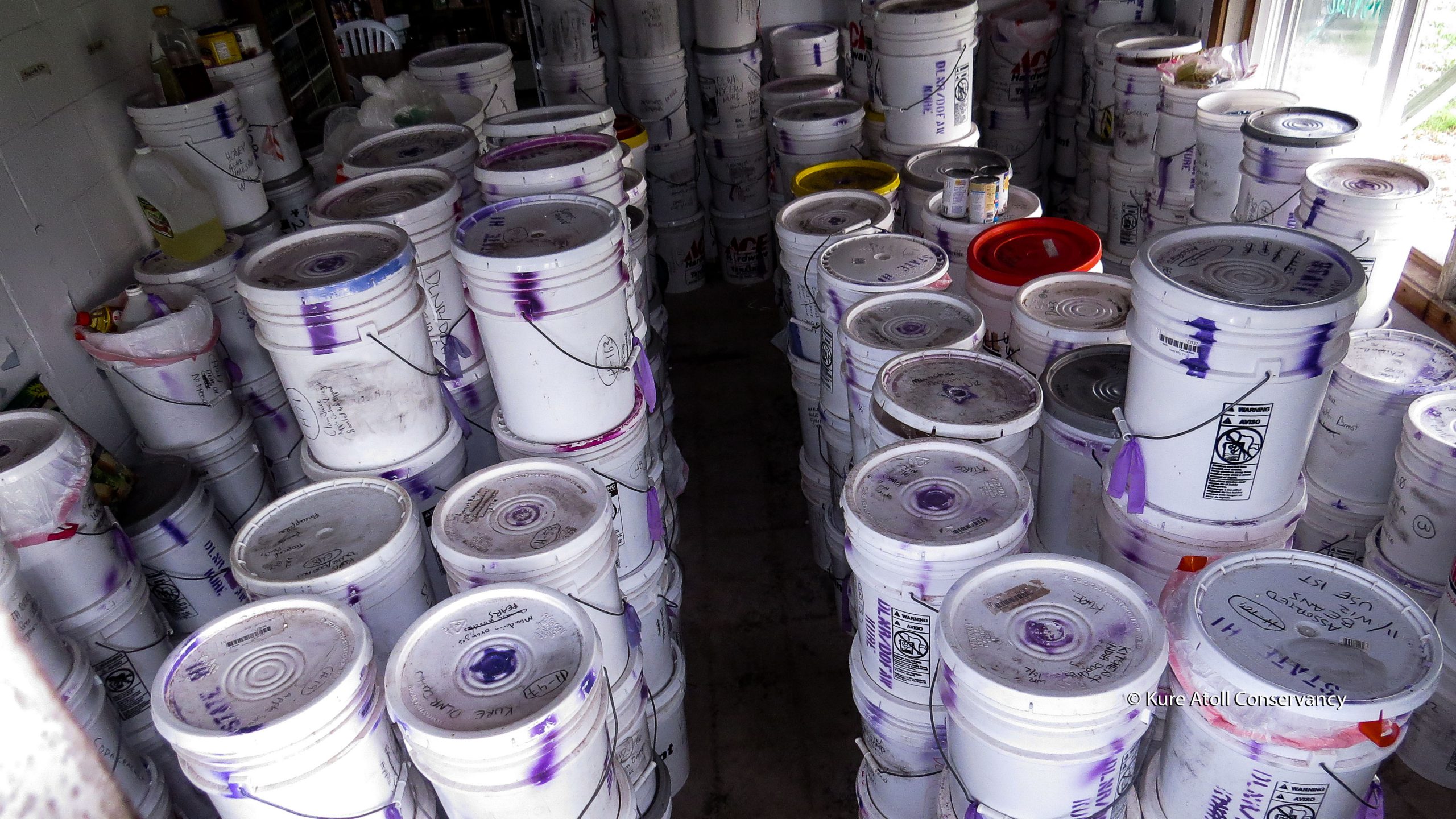
When not working, the crew stays within the camp to rest and recuperate. The main house and bunkhouse, which have a food pantry, kitchen, communications area, and entertainment bookshelf, are where most of one’s time is spent on the days off.



Partnerships Make This Possible
None of what we do would be possible without the support and collaboration of our partners, community, and field campers.
Donations Make This Possible
The role of Kure Atoll Conservancy (KAC) is to provide critical funding and personnel that support all aspects of the State of Hawaiiʻs Kure Atoll Wildlife Sanctuary research field station operations and logistics.
Dedication Makes This Possible
Those that show up and give more than what they take to make all of this work possible while minimizing our impact.