Conservation Management

General Information

To ensure state personnel and volunteers are working efficiently, management aims to measure each field season’s aim to increase plants that support ground and burrow-nesting seabird habitats.

Seasonal efforts are documented around annual growth periods and measures 4 designated plots for percentages of Verbesina, other non-native plants, and native plants.

The Kure team randomly selects 2-meter quadrat sites within 4 plots—plots that were heavily-impacted by Verbesina–and assess how many of each plant covers what percentage in each selected quadrat.
Some Key Milestones of Conservation Management on Kure

1993-2002

DLNR would send 1-2 people from a few days to a month depending on logistical challenges. These rare visits were packed with critical actions such as montiroing the USCG station closure eradicating  rats,  setting up seabird monitoring protocols and conducting the first base;ine seabird counts. Longer camps started in 2000 with  one DLNR manager and two NMFS monk seal biologists, the initial work focused on banding birds, conducting counts, setting up the remote field station with solar electricity and communication devises as well as identifying habitat problems and ways to address to address them.


2003

The 2-month field season increased to 5-month seasons. The initial work beginning in 2000 was a habitat control program targeting Verbesina in the central plain especially along the  guy wires from the old LORAN antenna.  Trails were  cut and cleared so that birds could takeoff and land without crashing into deep vegetation. The work progressed from simple weed-wacking/ brushcutting to more detail eradication methods attacking early growth stages as a way to get “in front” of the invasiveness of Verbesina. In 2006, studies were conducted to compare the amount of effort it took to mecanically remove (hand oulling) Verbesina verses chemical removal of Verbesina. The data revield that the only way to sucessfully erdicate within a 20 year timeline was to use chemicals.

2010

Eight years after the initial visit by DLNR field manager Cynthia Vanderlip, the start of year-round field camps would create a working advantage to finally address the annual cycles of invasive plants and stop the plants ablity to mature and add to the seed bank. In this approach, the island was divided in to Restoration Areas that could be targeted on a chedule that would insure that every area was treated as quickly as the small teams could work.    Restoration Areas had manageable numbers of target weeds that provided strategic responses. The central plain was chosen as the first area to target because the monotypic stands of Verbesina had the most negative impact on seabird nesting.


2011

A five-room bunkhouse was built on top of the old USCG generator slab to address the small living space that limited the number of people that could work on the island. This new building also doubled the islands solar capabilites. Several water catchement systems were also installed to address the increased water needs of people, the plant nursery and herbeside usage.


2014

Year-round field camps would set the pace that by 2014, the entire island (188 acres) would finally be under an active habitat restoration plan with 80 Restoration Areas identified. With this step, most mature Verbesina plants were finally eliminated from the central plain thereby releasing the island from the negative impacts Verbesina caused for seabirds. The  big-headed ants erdication program was also stated this year in preperation for the Laysan duck reintroduction and to address the deadly impact the large population of carnivorous ants was having on newly hatched seabird chicks.  Native plant propogation and outplanting efforts  increased and  the Kure landscape quickly transfromed from mostly weeds to mostly native plants.


2014

28 Laysan Ducks were reintroduced  to Kure Atoll.


2016

Mosquitos and a 40-year problem of PCBs is finally addressed.


USCG Soil Remediation Project

The USCG used the beachfront on the Southwestern end of the runway as a Scrap Metal Dump site where they buried electrical components containing hazardous materials. It is assumed they were dumped between the 1960s and the late 1970s when the USCG program established a hazardous waste management program. The site was cleaned up in 2016 during the Soil Remediation Project.

2020

Finding every Verbesina seedling required new management approaches. These challenges became the new leaf to be turned in this push for the future eradication of Verbesina. As the world churns out new ways forward, the field work on Kure maintains an approach that values high integrity in restoration work and continues to seek quality crew members. 


Some Key Metrics to Measure Success in the Field

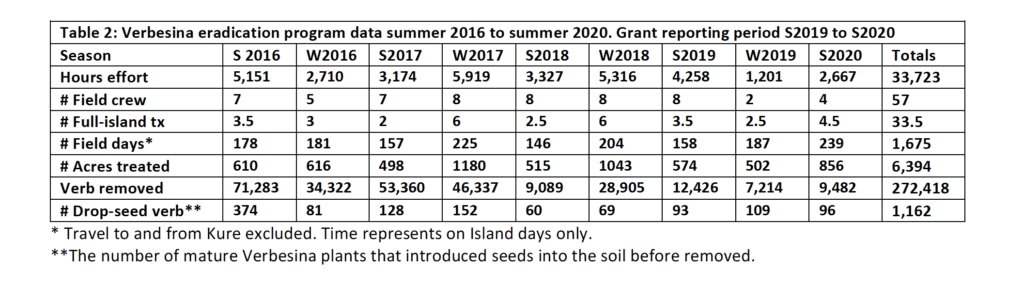
Reduce Verbesina seed bank by preventing maturity in plants and removing them

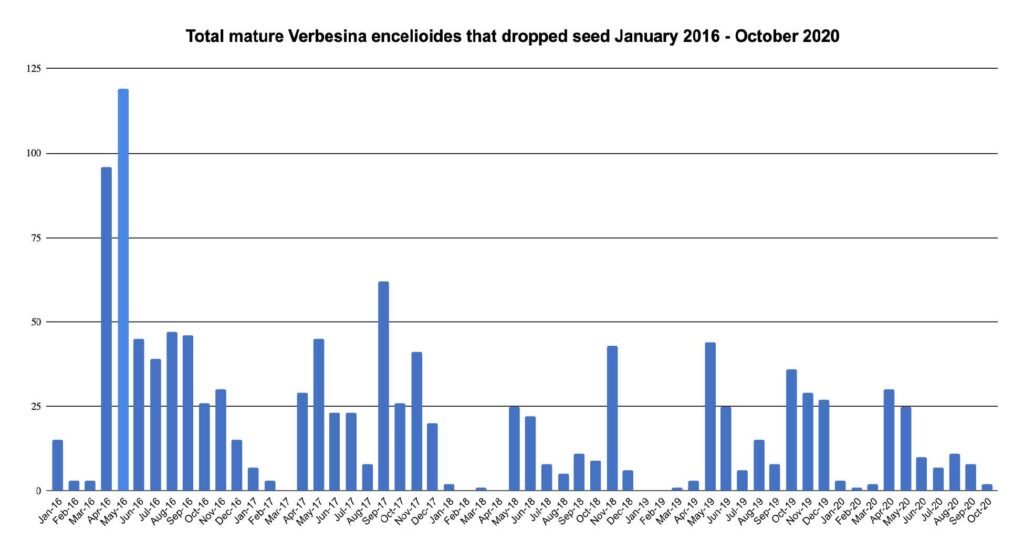
Quantify Verbesina recruitment and seed bank persistence;

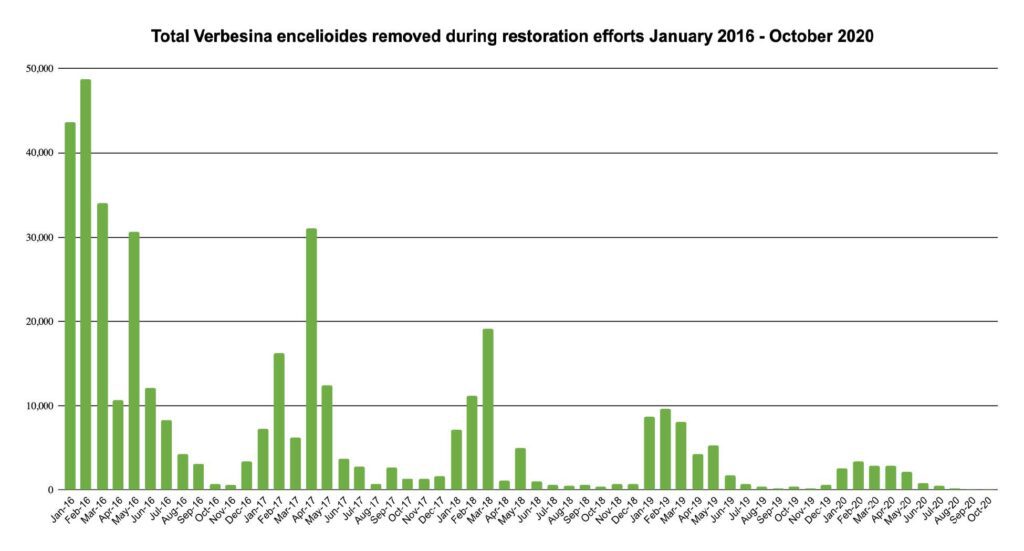
a) Count individual Verbesina plants removed during each treatment cycle,
b) Document Verbesina life stages to show the number of plants that have contributed to the seed bank.

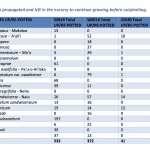
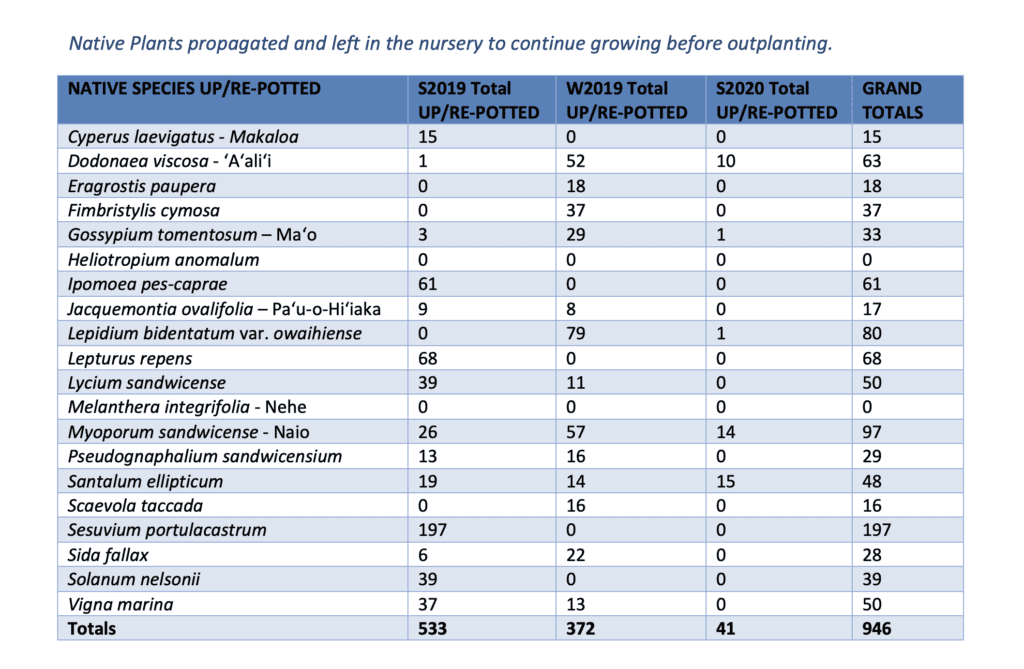
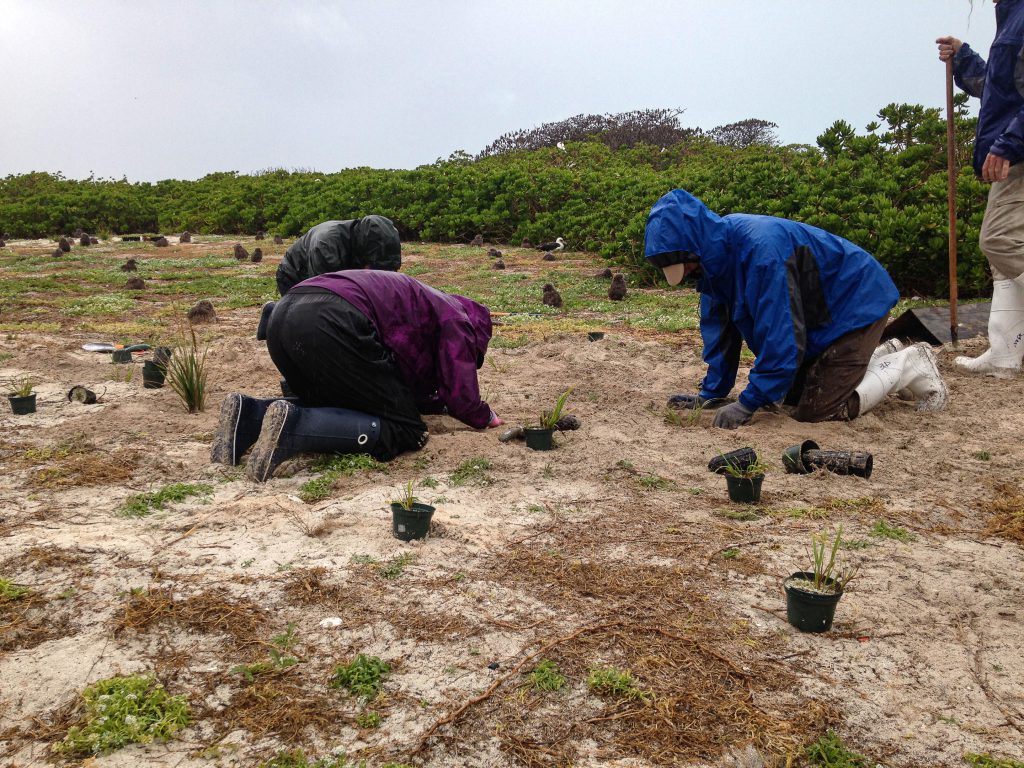
Propagation and out-planting of native plant species grown in Kure’s nursery to suppress weeds and promote recovery of plant communities that support seabird nesting

Broadcasted native seed, collected from Kure’s native plant populations, throughout exposed patches within the 188-acre restoration area.

Table listing insect species and their power zones on an island.

Expand the resilient native plant community that supports seabird nesting and reduces storm/climate change damage.

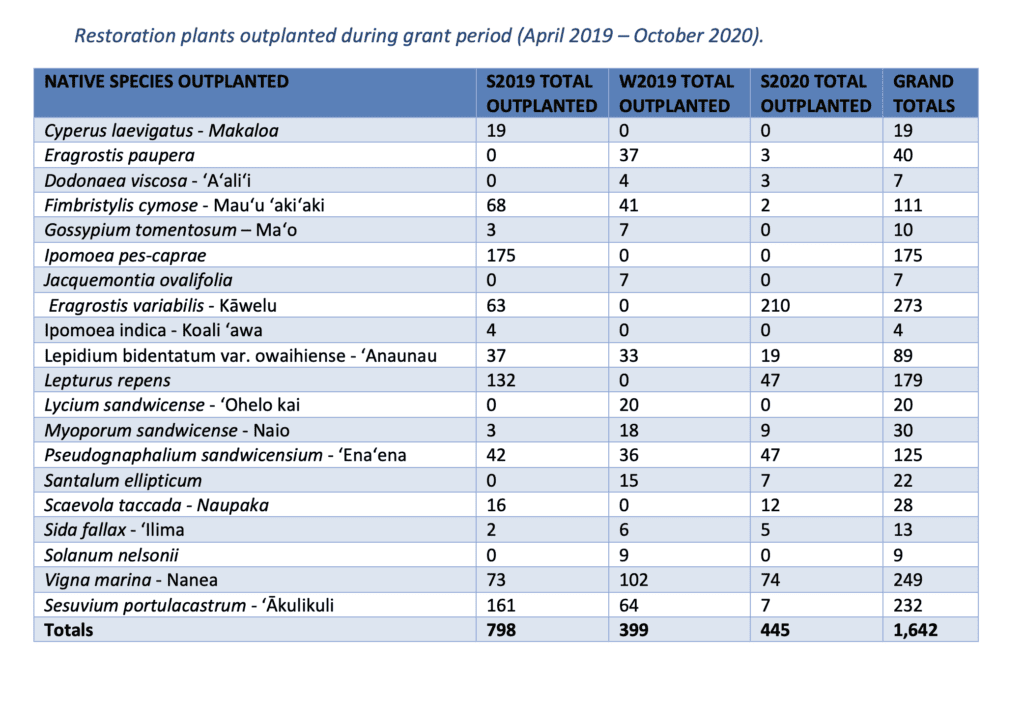
The proposed 188 acres to be restored on Green Island was accomplished. A total of 1,642 native plants comprising 20 different species were out-planted to improve the quality of seabird nesting habitat and to increase biodiversity.

Vegetation monitoring was conducted in August 2020. Photo points taken throughout the island since 2006 demonstrate dramatic increases in native vegetation.

Bar chart showing percent cover of Verbesina, bare ground, and natives in three sites.

Increase breeding seabird population abundance.

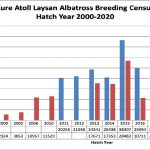
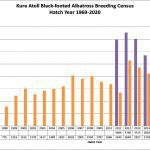
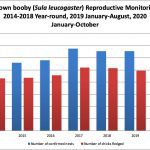
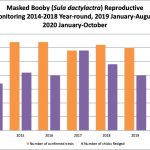
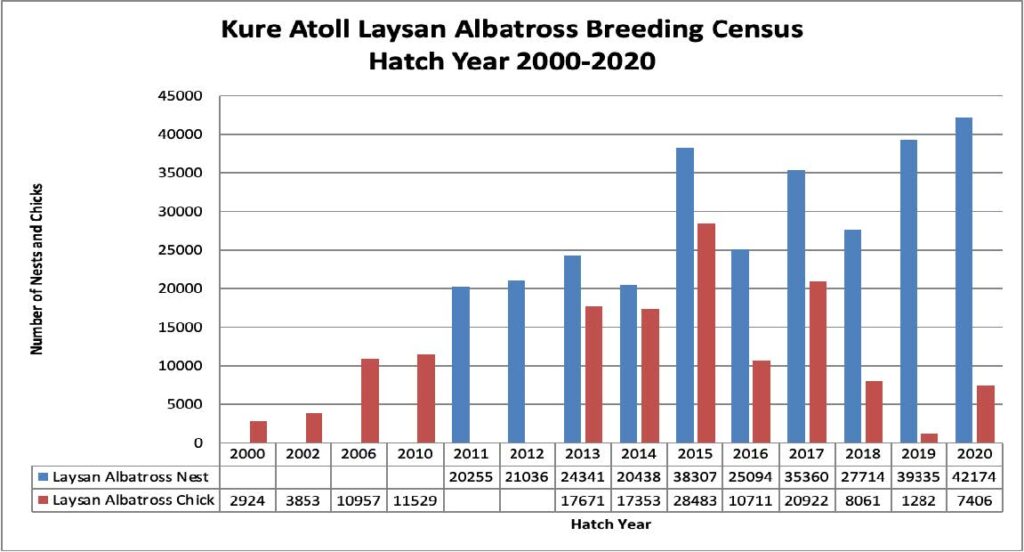
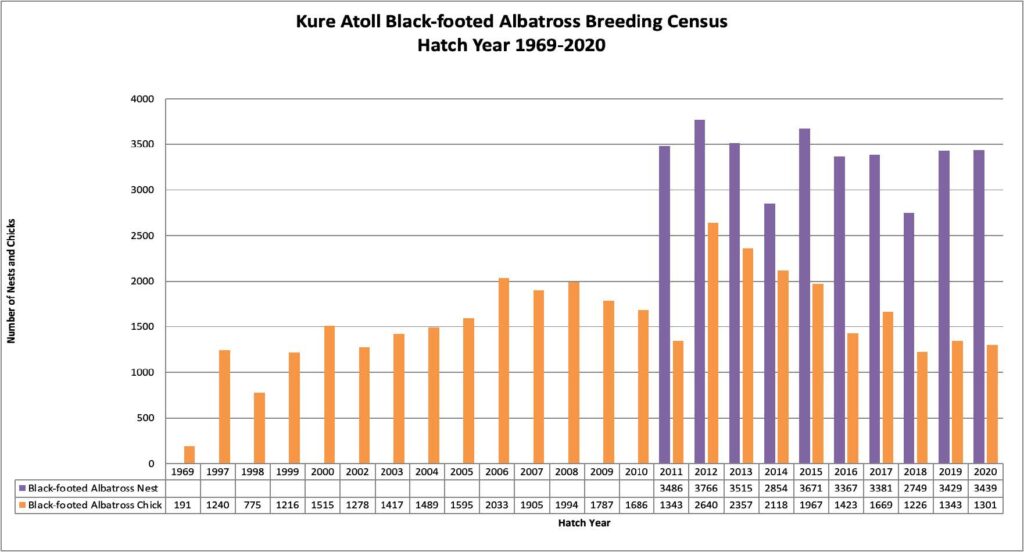
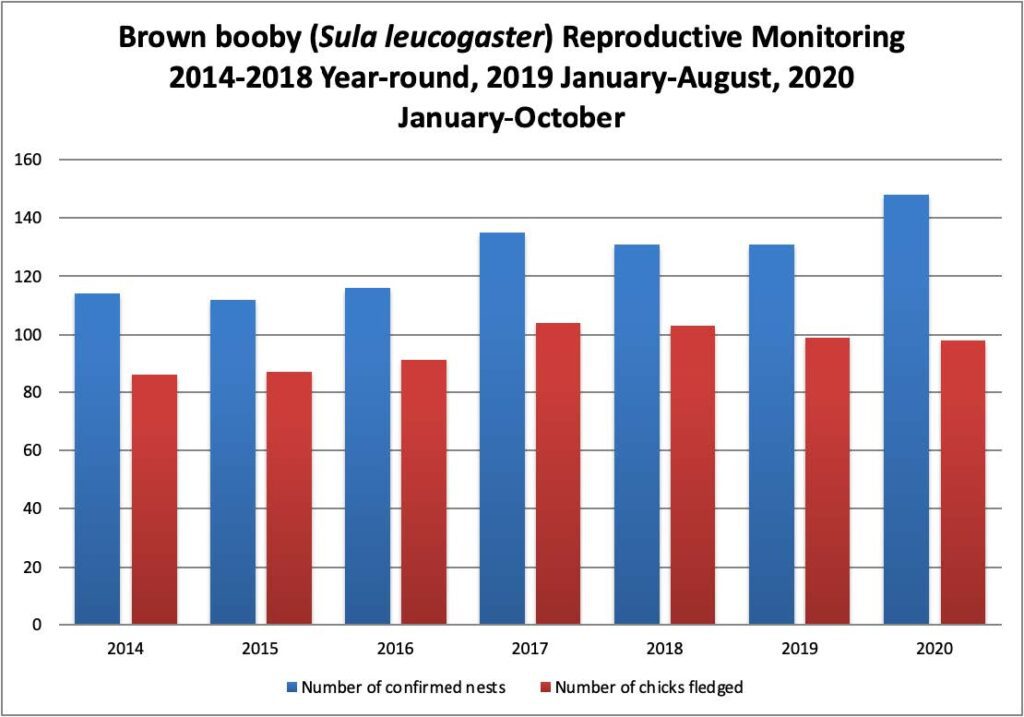
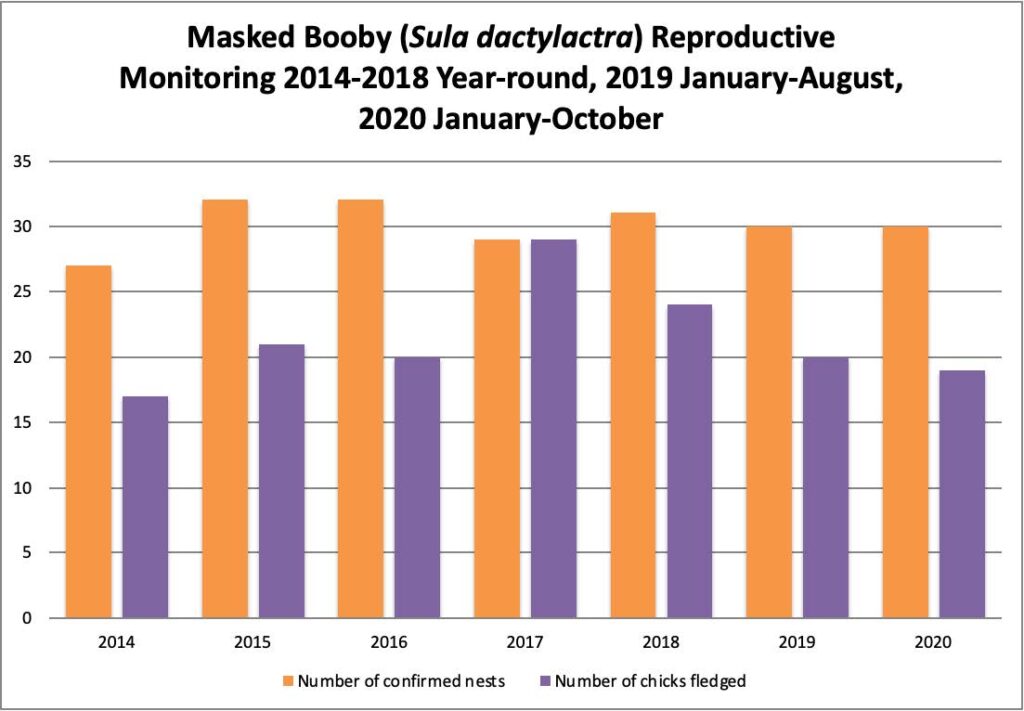
Increase in nesting density post-eradication for ground nesting seabirds (Laysan and Black-footed albatross, Masked and Brown Boobies)

a. All island nest count for all four species.
b. All island fledgling count for all four species.

Seabird monitoring for all island nesting and fledgling counts in 2019, a partial albatross nest count in 2019 and a partial fledgling count in 2020 required 365.25 hours of monitoring.