
Resources
Virtual field trips, videos, books, research and field guides to help you explore and learn about Hōlanikū (Kure Atoll).
Virtual Field Trips
Visit Hōlanikū and the wider Papahānaumokuākea from anywhere.
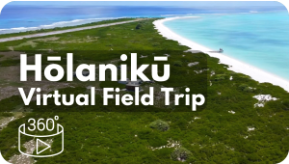
Hōlanikū Virtual Field Trip
Explore the State of Hawaiʻi’s most remote seabird sanctuary. See how biologists reach the atoll and live there, learn about the cultural importance of Hōlanikū and Papahānaumokuākea for Native Hawaiians, and meet the birds, plants and monk seals that live here.
Start the field trip →National Marine Sanctuaries Virtual Dives
360-degree virtual reality voyages highlighting the habitats, animals and cultural resources of each national marine sanctuary, including Papahānaumokuākea.
Explore virtual dives →Ocean Learning Activities
NOAA’s Coastal Ecology Learning Center network gathers virtual educational activities for all ages, from aquarium research tours to wildlife livestreams.
Browse activities →
Videos
Interviews and short films about Hōlanikū and the people who care for it.
Introduction to Kure Atoll State Wildlife Sanctuary
An introduction to the sanctuary, its wildlife and the work of the field camp.
Kure Atoll, Papahānaumokuākea Marine National Monument
A look at Kure Atoll within Papahānaumokuākea.
Conversation with Cynthia Vanderlip
An interview with Cynthia Vanderlip, then Kure Atoll State Wildlife Refuge Field Camp Manager.
Finding Honua Part 2
Cynthia Vanderlip (DLNR/DOFAW Kure Atoll Field Station Supervisor), Jason Misaki (DLNR/DOFAW State Wildlife Manager) and Beth Flint (U.S. Fish & Wildlife Service) discuss how global climate change is affecting Pacific islands.
Books and Media
Books, films and media collaborations featuring Hōlanikū and the Northwestern Hawaiian Islands.

The Last Atoll
Pamela Frierson (2012)

Isles of Refuge
Mark J. Rauzon

Eye of the Albatross
Carl Safina
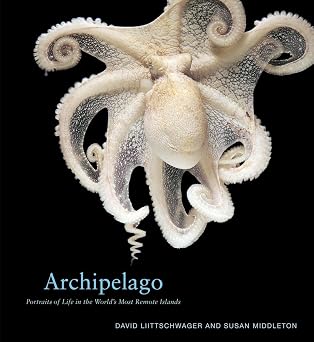
Archipelago
David Liittschwager and Susan Middleton (2005)

Voyage to Kure
Jean-Michel Cousteau: Ocean Adventures (DVD)

Hidden Hawaiʻi
National Geographic Channel (DVD)
Research and Reports
Scientific papers and historical reports about Kure Atoll. See the History of Hōlanikū timeline for more.
- 1924 The Characteristics and Probable History of the Hawaiian Rat (PDF)
- 1961 Lamoureux, C.H. Botanical Observations on Leeward Hawaiian Atolls. Atoll Research Bulletin 79.
- 1972 Woodward, P.W. The Natural History of Kure Atoll, Northwestern Hawaiian Islands. Atoll Research Bulletin 164. (PDF)
- 2001 Starr, F., K. Martz and L. Loope. Botanical Inventory of Kure Atoll (PDF)
- 2021 Nimz, I., M.A. Renshaw, M. Iacchei, E. VanderWerf, C. Vanderlip, M. Saunter, N. Worcester and K.D. Hyrenbach. Underwater behavior of Christmas Shearwaters (Puffinus nativitatis) from Kure Atoll. Marine Ornithology 49: 25–35 (PDF).
Field Camp Documents
Guides and training materials for crews and partners.

Plants of Kure Atoll
A field identification guide to the plants of Hōlanikū, used by our crews.
Download the guide (PDF) →Biosecurity Protocols for Protecting the Northwestern Hawaiian Islands
A must-watch for anyone supporting, preparing or packing supplies for Papahānaumokuākea Marine National Monument.
Partners and Agencies
The agencies and protected areas we work alongside.
Hawaiʻi Division of Forestry and Wildlife (DOFAW)
DOFAW protects, manages and restores Hawaiʻi’s native forests, wildlife and ecosystems. Hōlanikū (Kure Atoll) Wildlife Sanctuary is managed through a partnership between DOFAW and Kure Atoll Conservancy.
Visit DOFAW →Papahānaumokuākea Marine National Monument
One of the largest marine conservation areas in the world, including Hōlanikū and the Northwestern Hawaiian Islands.
Visit Papahānaumokuākea →Papahānaumokuākea National Marine Sanctuary
Designated in 2025, the sanctuary protects the marine portions of Papahānaumokuākea alongside the monument.
Visit the sanctuary →
Want to follow what’s happening on Hōlanikū right now?