
Beach heliotrope
Heliotropium foertherianum
A fast-growing shoreline tree that crews keep in check, pulling thousands of seedlings a year while leaving room for nesting birds.
| Origin | Native across the Indo-Pacific; introduced to Hawaiʻi |
|---|---|
| On Hōlanikū | Managed; seedlings removed and some shoreline trees girdled |
| Seedlings removed | 6,631 in summer 2025 |
| Also called | Tree heliotrope, tahinu; formerly Tournefortia argentea |
About this plant
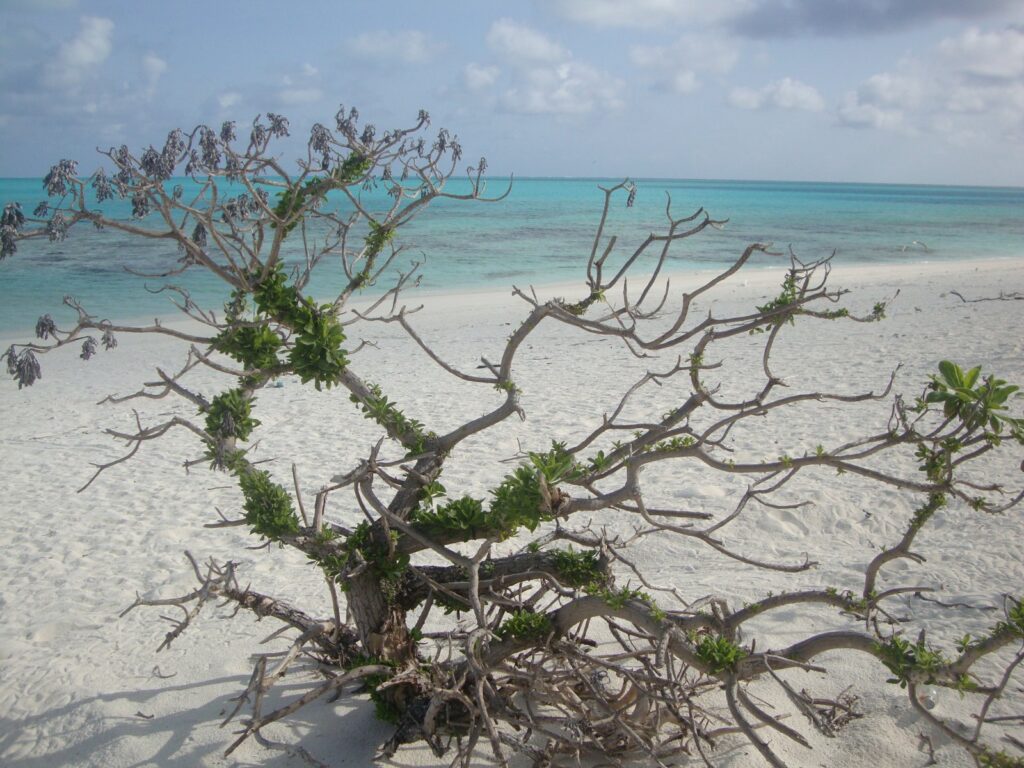
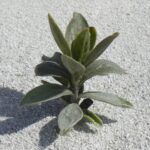
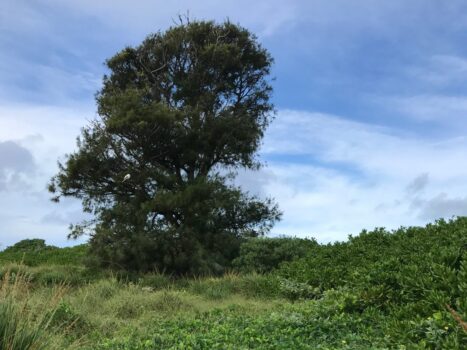
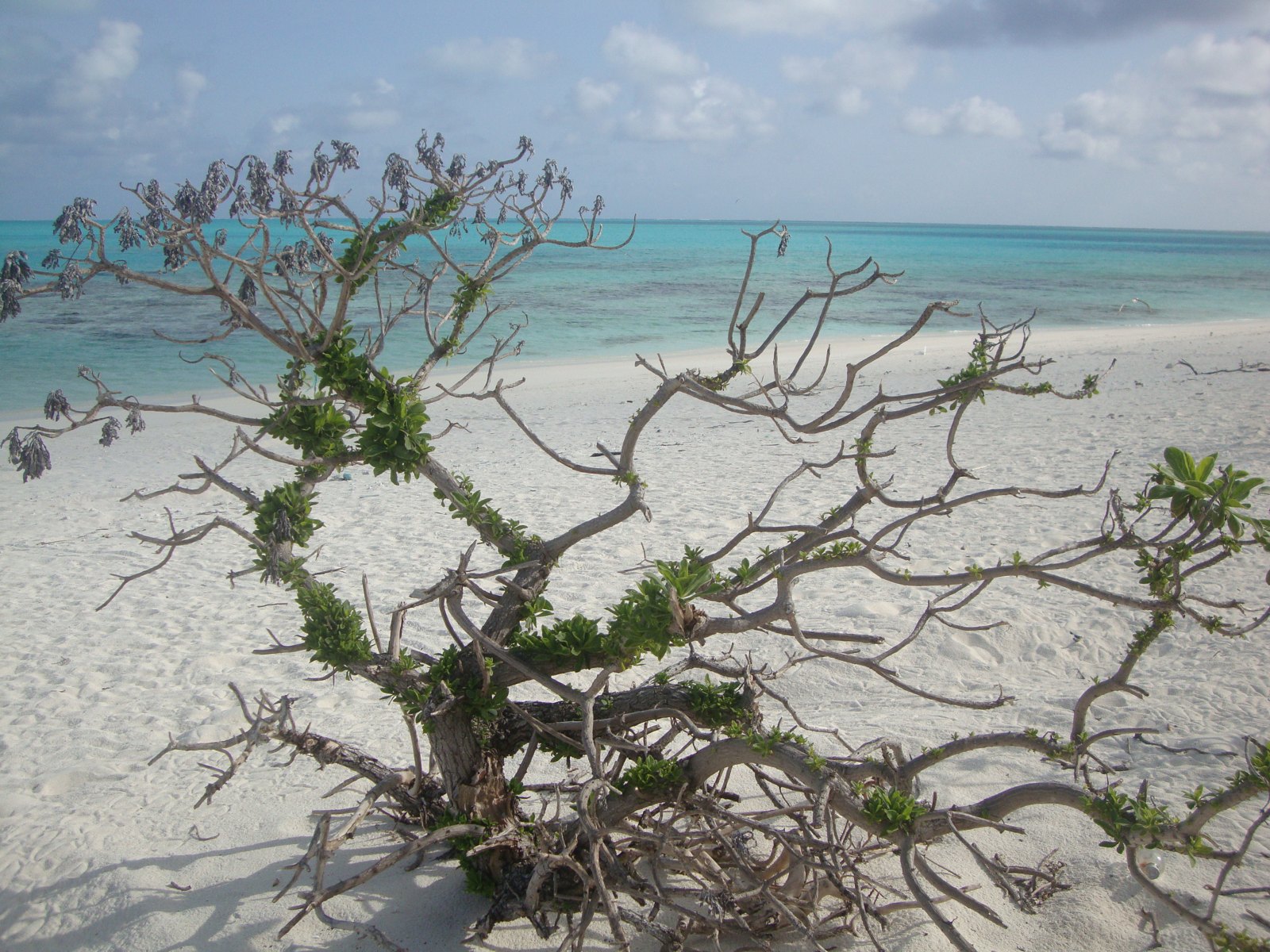
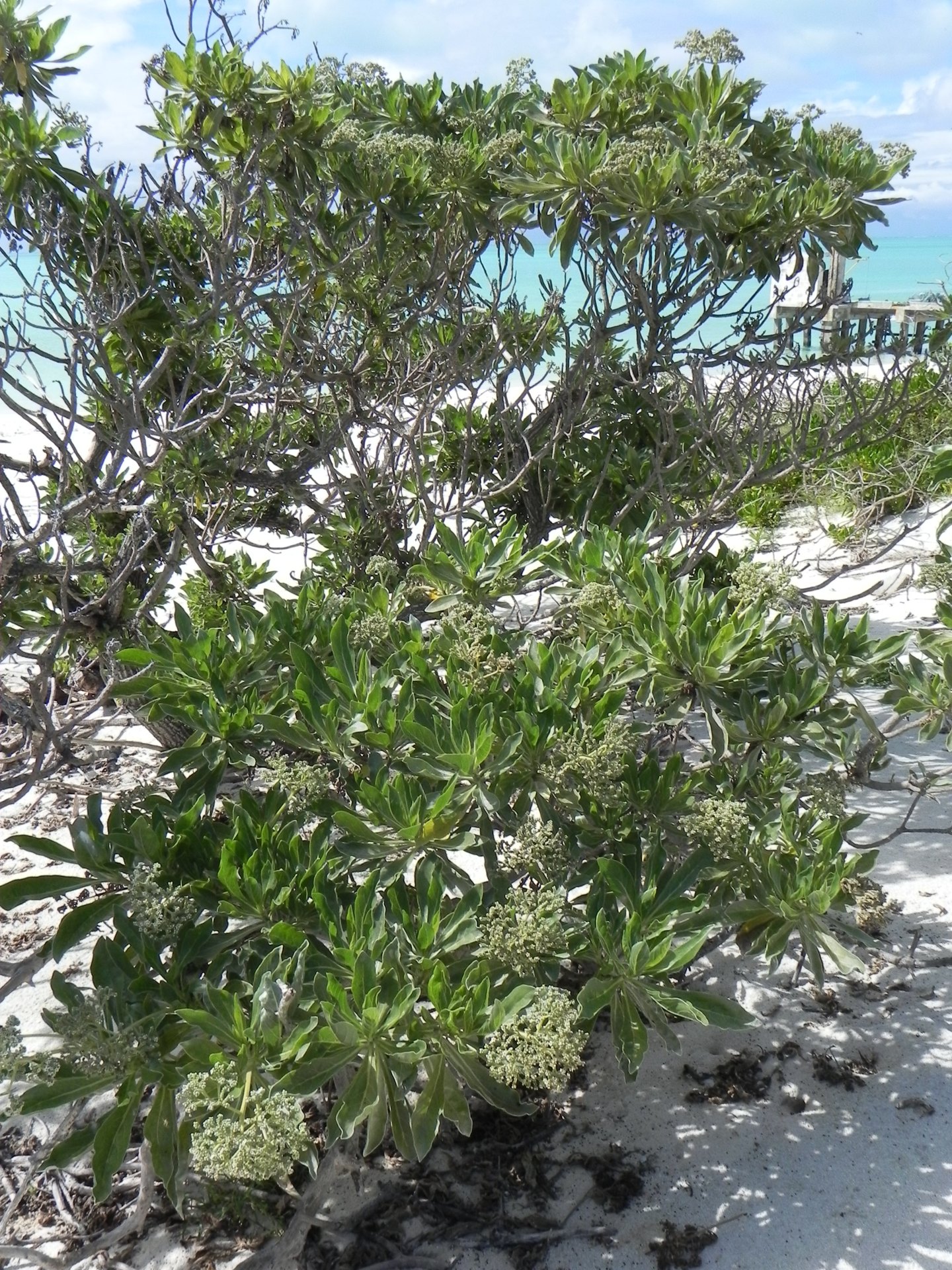
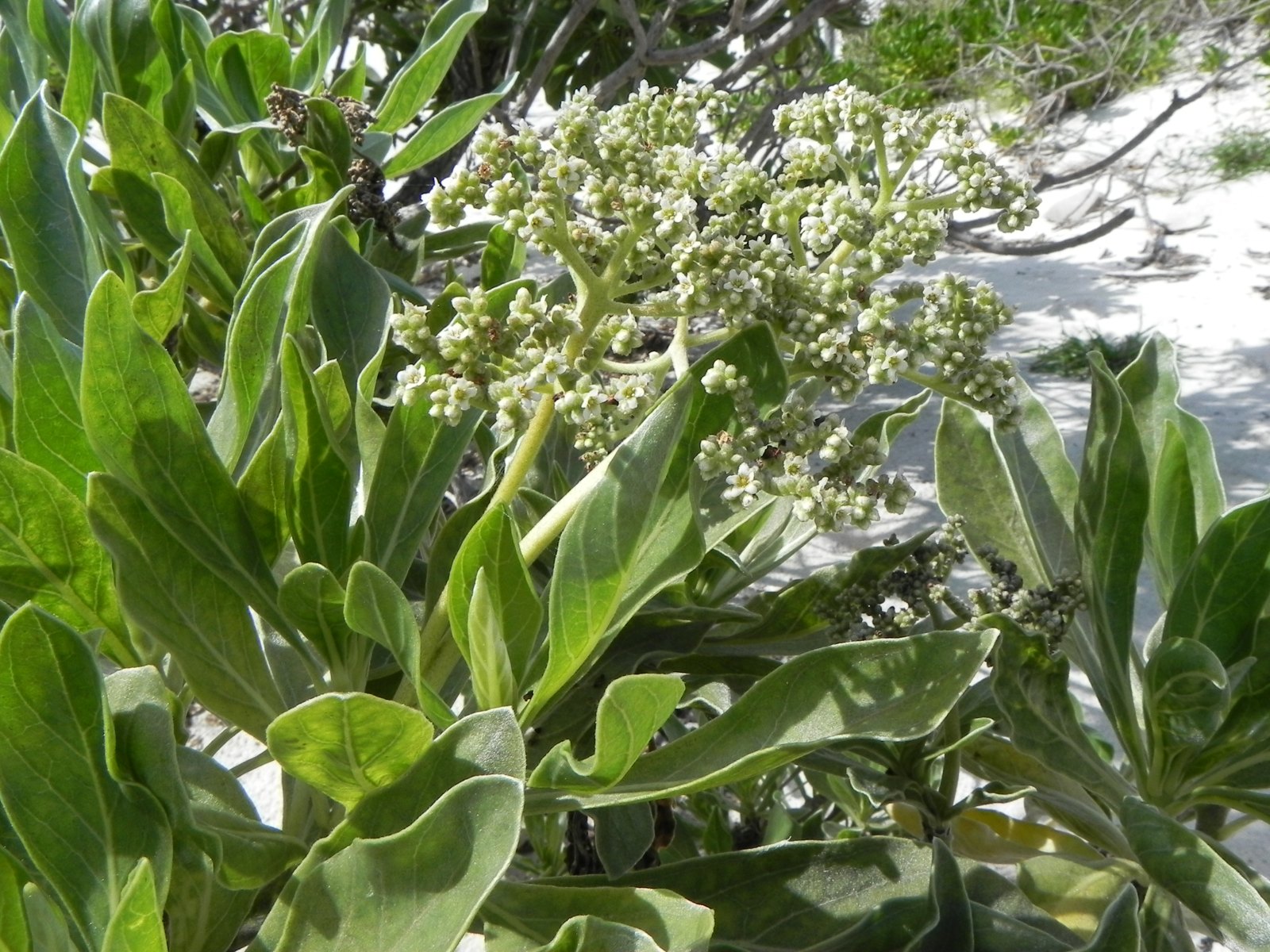
Beach heliotrope (Heliotropium foertherianum, formerly Tournefortia argentea) is a shrub or small tree with silvery, velvety leaves and clusters of small white flowers. It is native to shorelines across the tropical Indo-Pacific and is an important tree in many Pacific cultures, but it was introduced to Hawaiʻi in modern times.
It now grows on most of the main Hawaiian Islands and in Papahānaumokuākea on Hōlanikū, Kuaihelani (Midway Atoll), Manawai (Pearl and Hermes Atoll), Kapou (Lisianski), Kamole (Laysan) and Lalo (French Frigate Shoals).
Why manage it?
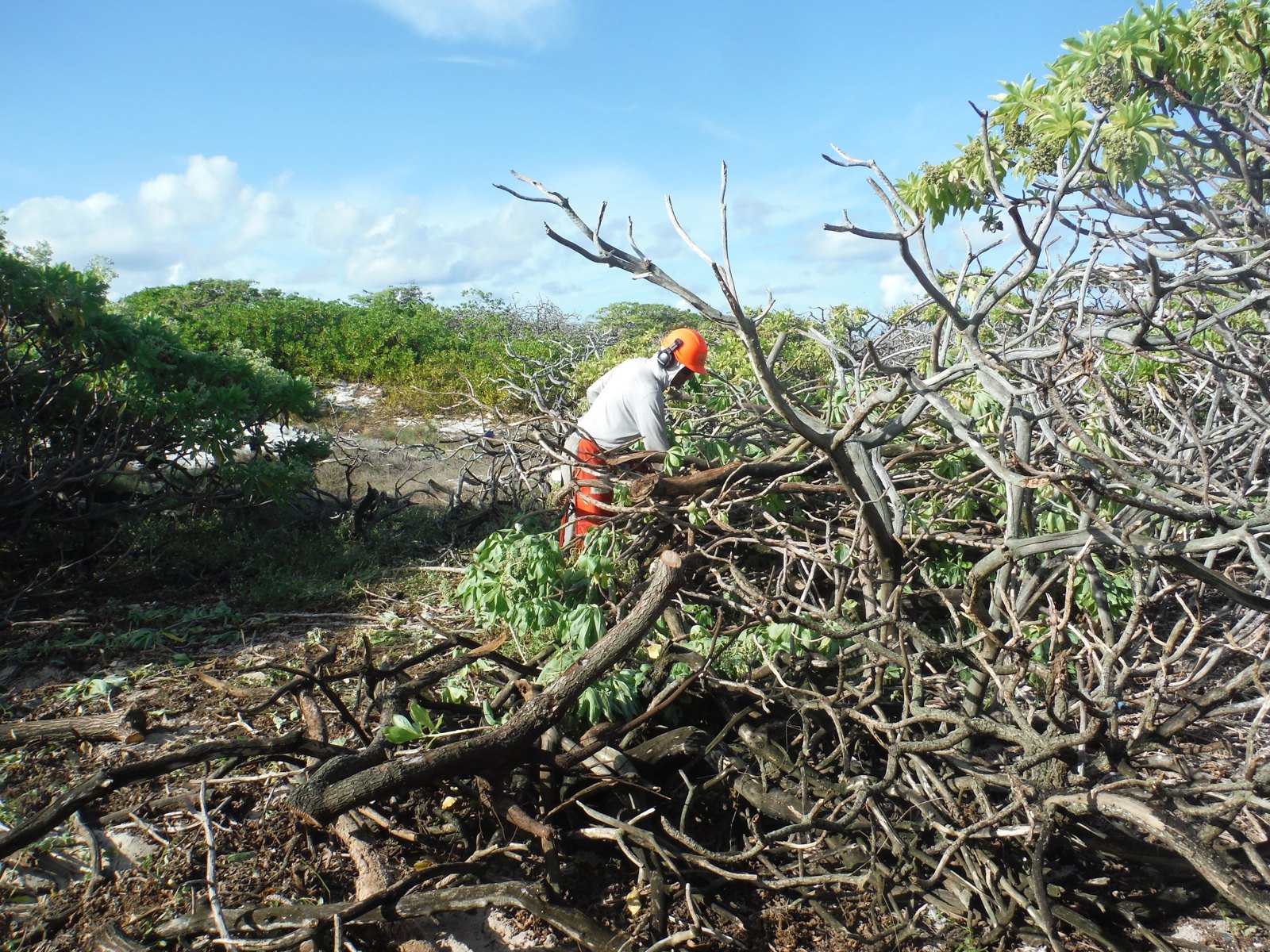
Beach heliotrope grows fast, produces many seeds and can form dense thickets that shade out naupaka, kāwelu and other native plants. Along the shoreline, large trees can crowd out the plants that hold the dunes together, and some sections of beach on Hōlanikū are eroding during big swells.
Heliotrope is not all bad for wildlife. ʻĀ (Red-footed Boobies) nest in heliotrope as well as naupaka, and paper wasps also build nests in the branches. Crews weigh these trade-offs when deciding which trees to remove.
How crews manage it
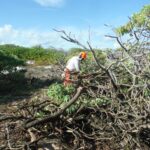
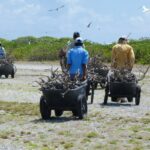
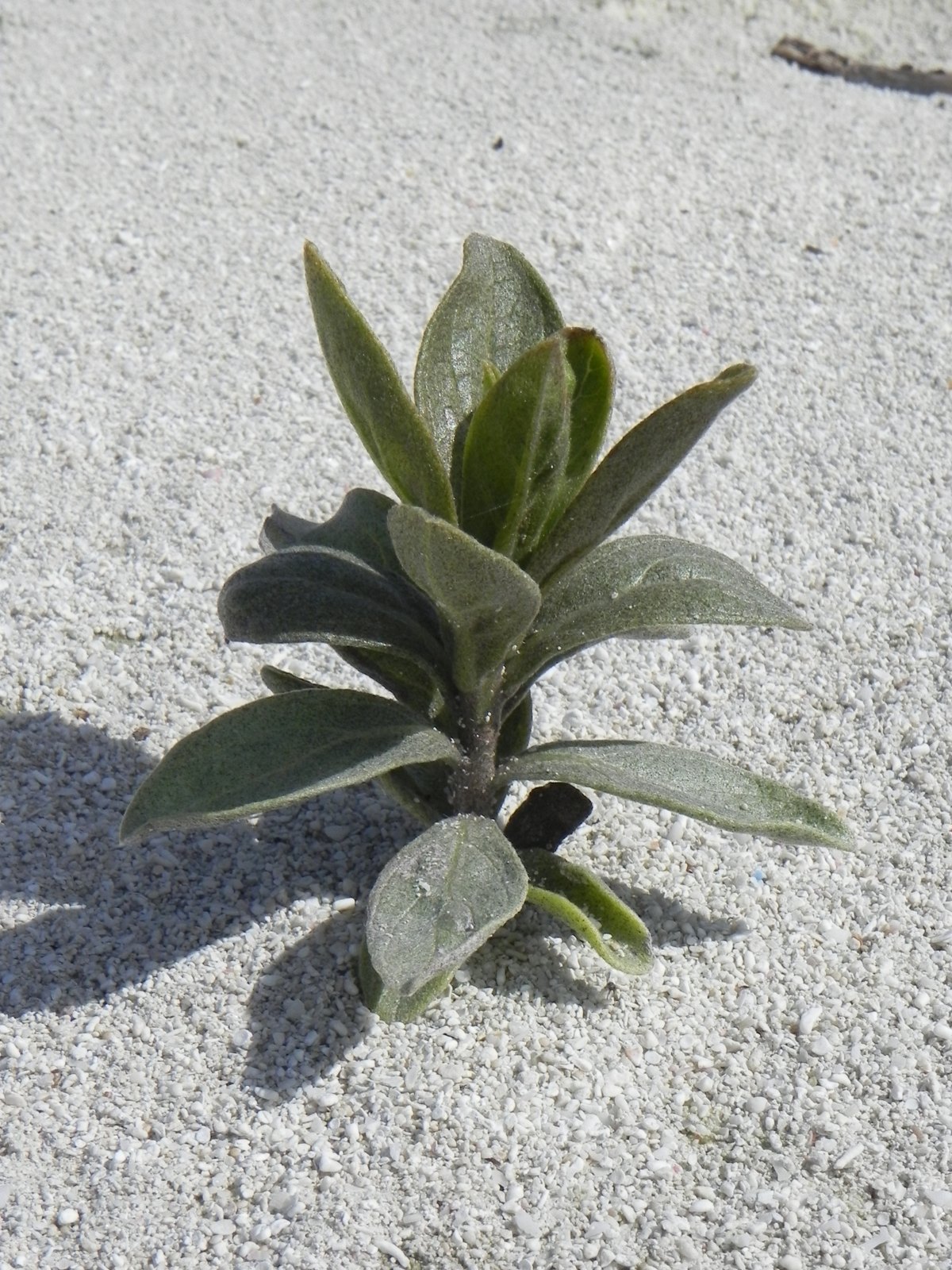
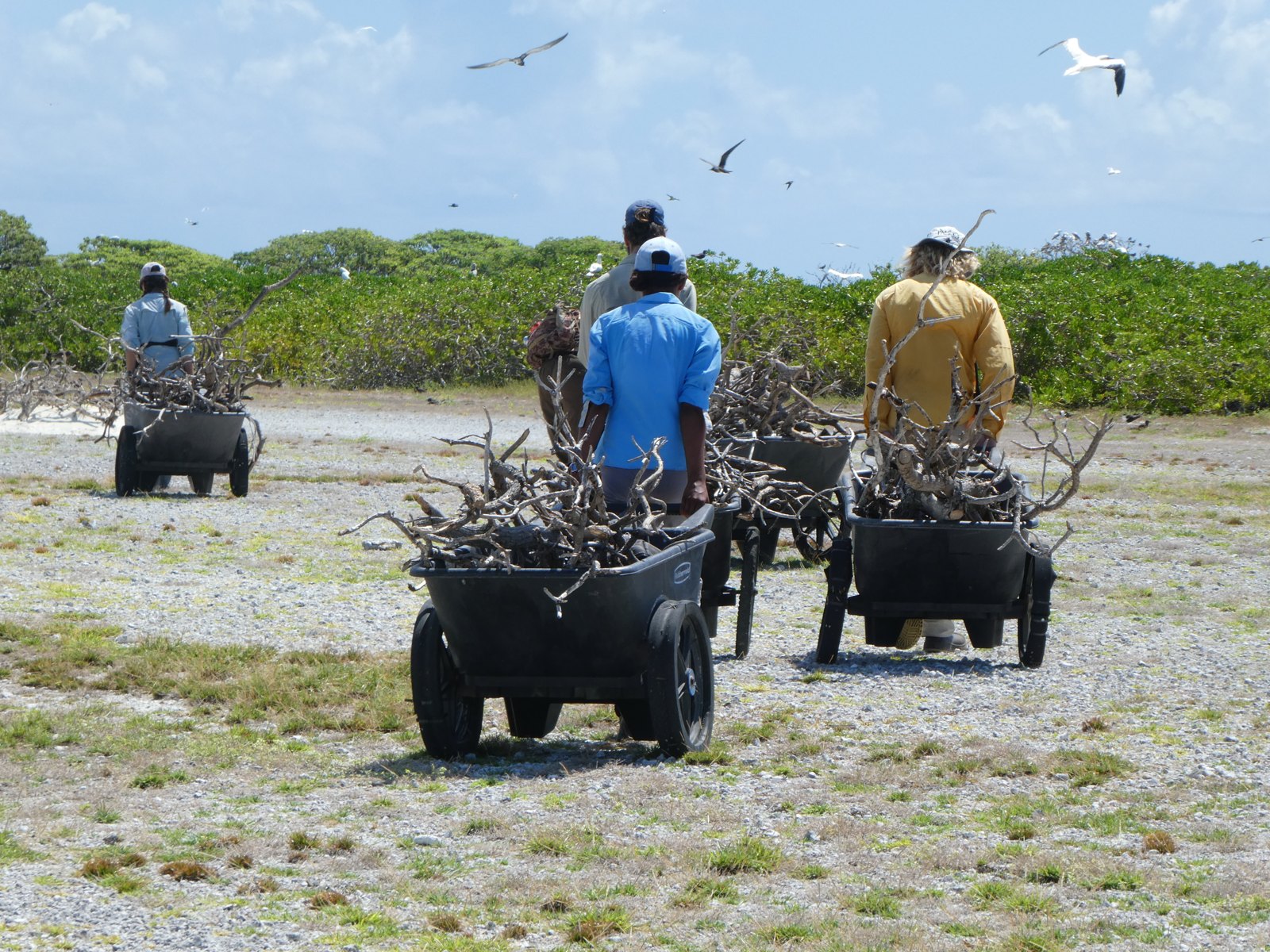
Seedlings and saplings are pulled by hand during every sweep, along the beach and inside naupaka, and hung in the bushes so they cannot re-root. In summer 2025 crews removed 6,631 young plants.
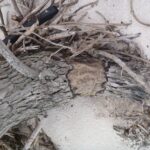
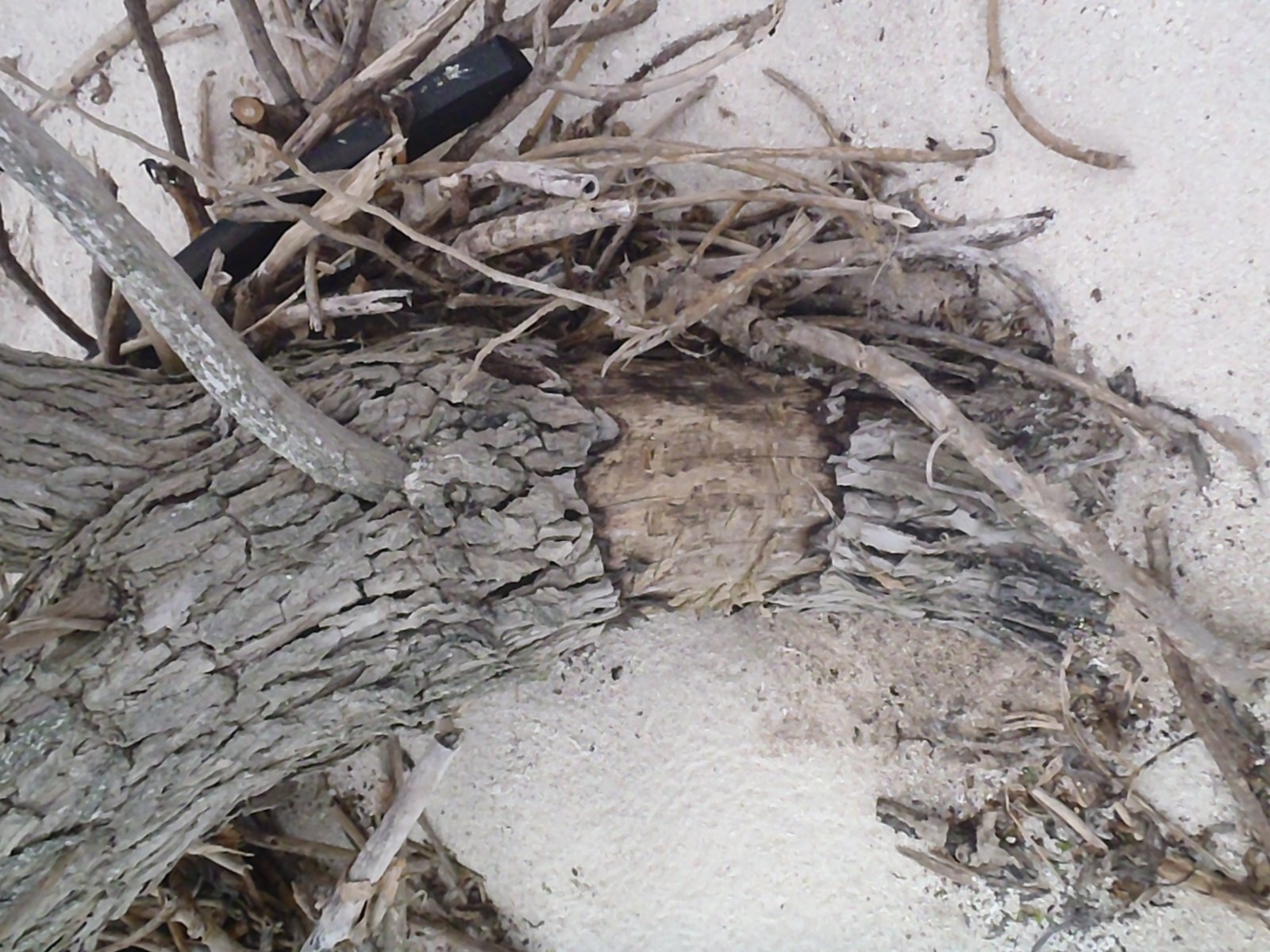
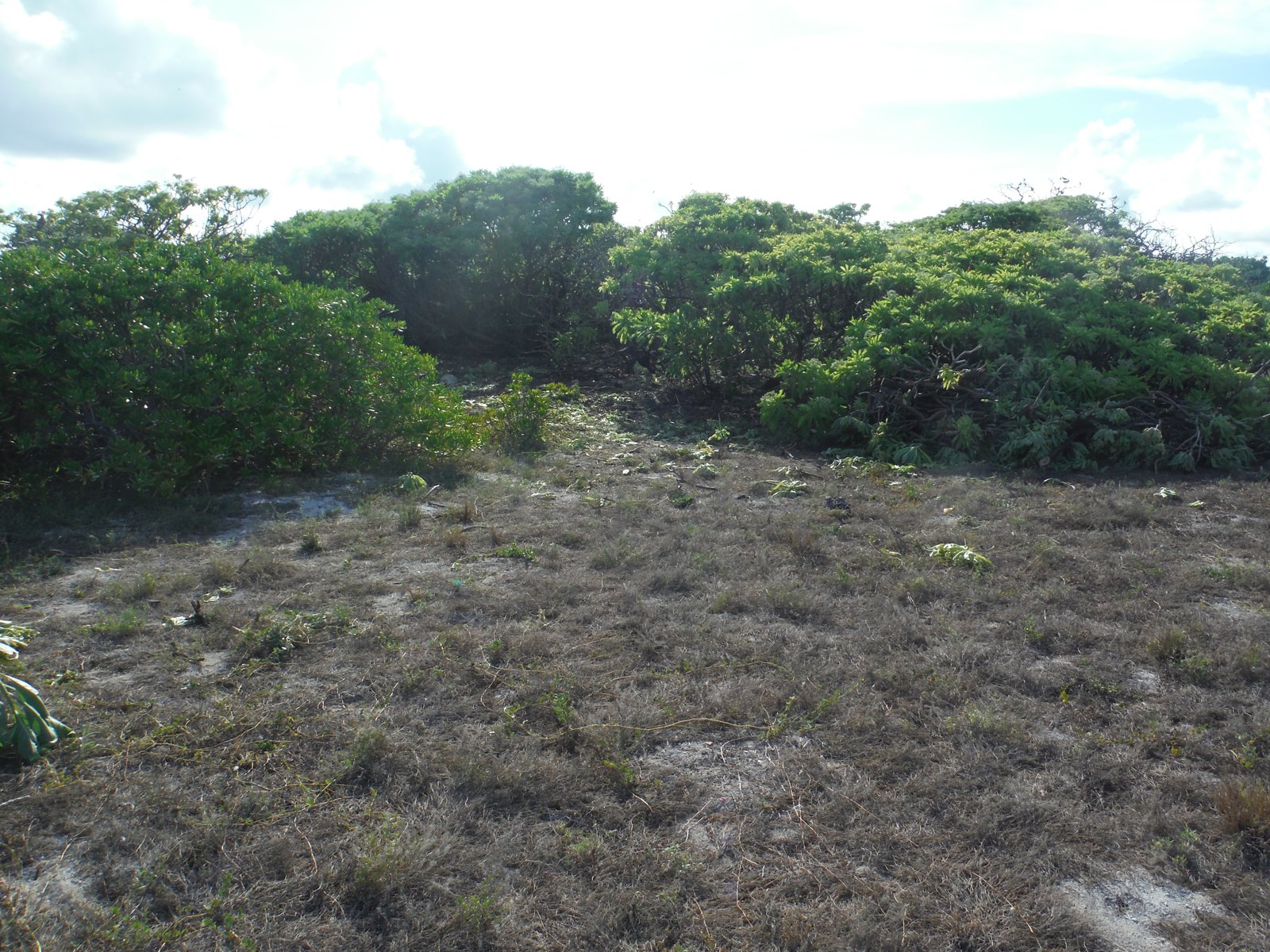
Some medium-sized trees along the shoreline are girdled: a ring of bark is cut away and treated with herbicide so the tree dies in place. Crews choose trees carefully, since tall dead branches can be a hazard for flying birds. Where heliotrope has been removed, crews outplant naupaka and kāwelu grown in the island nursery to cover the bare ground and protect the dunes.
Native plant restoration
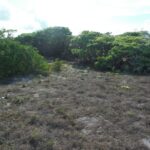
How crews grow and outplant naupaka, kāwelu and other natives where weeds are removed.
Help clear invasive species from Hōlanikū
KAC/DLNR field crews monitor wildlife and restore habitat year-round. Your support keeps them on the island.