
Manō
Sharks
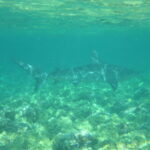
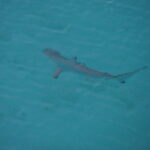
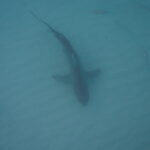
Tiger, Galapagos and reef sharks patrol the lagoon of Hōlanikū, and each summer niuhi gather to hunt albatross fledglings.
| State law | Illegal to knowingly capture, entangle or kill sharks (since 2022) |
|---|---|
| Fishing | Not allowed in the State Marine Refuge |
| Species recorded | Niuhi (tiger), Galapagos, gray reef, whitetip reef and blacktip reef sharks |
Species Information
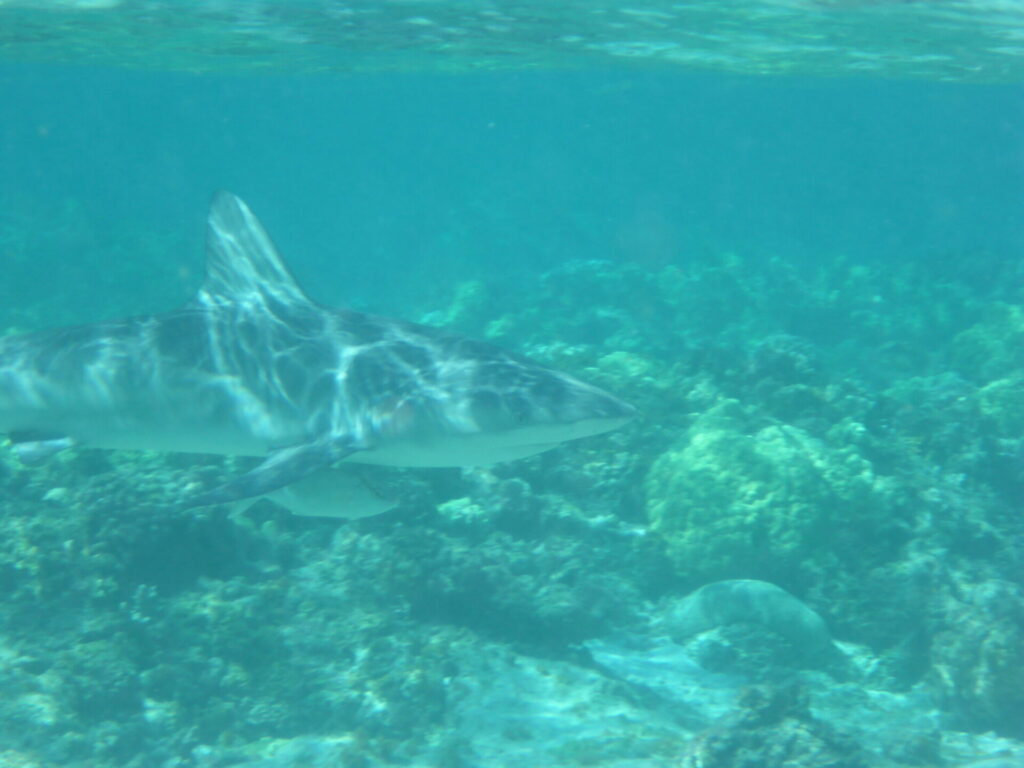
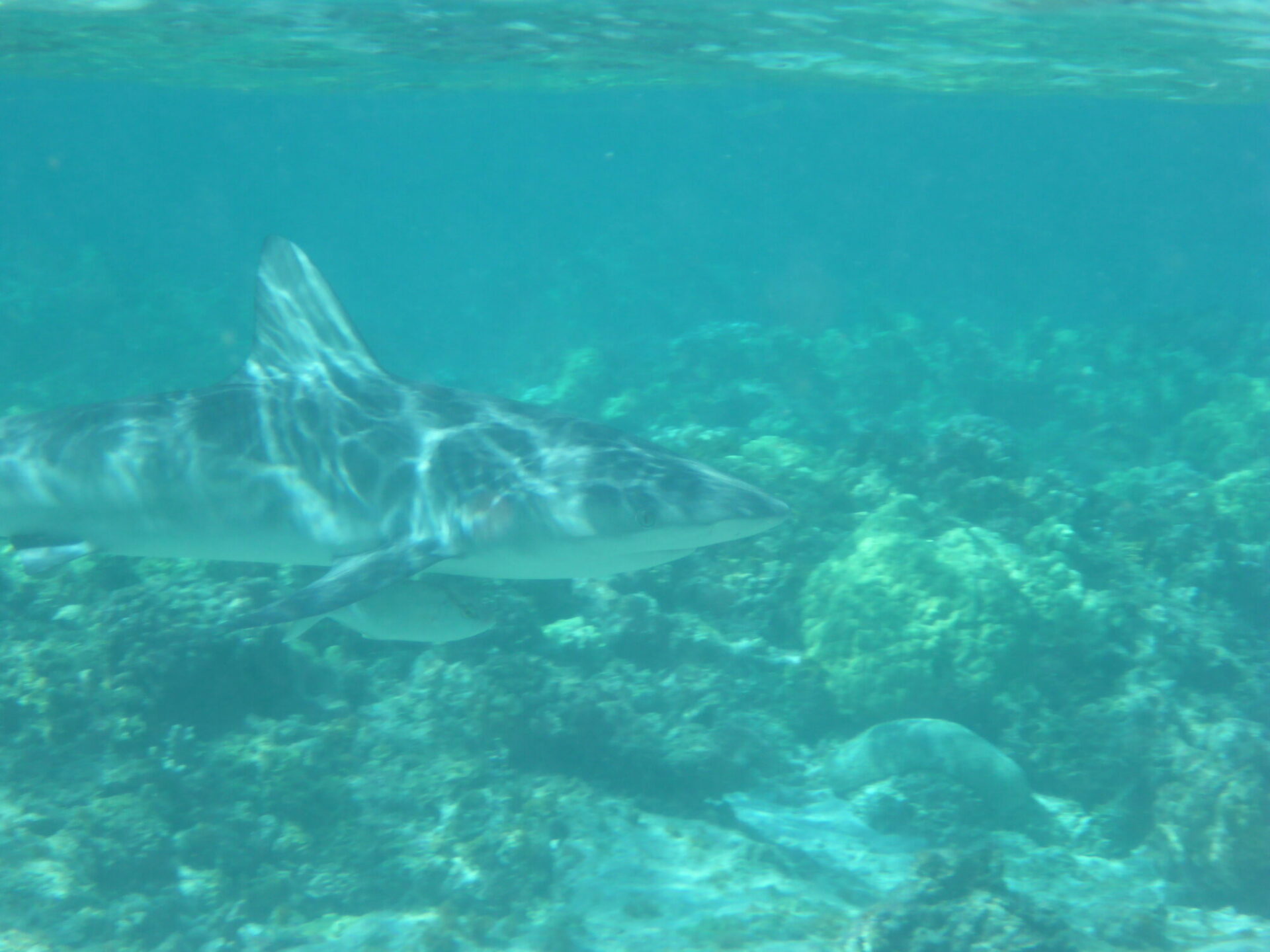
Manō is the Hawaiian word for shark. In Hawaiian tradition some manō are honored as ʻaumākua, family guardians. Sharks are top predators on the reefs of Papahānaumokuākea, where large predators make up more than half of all fish biomass. Five species of sharks have been recorded at Hōlanikū.
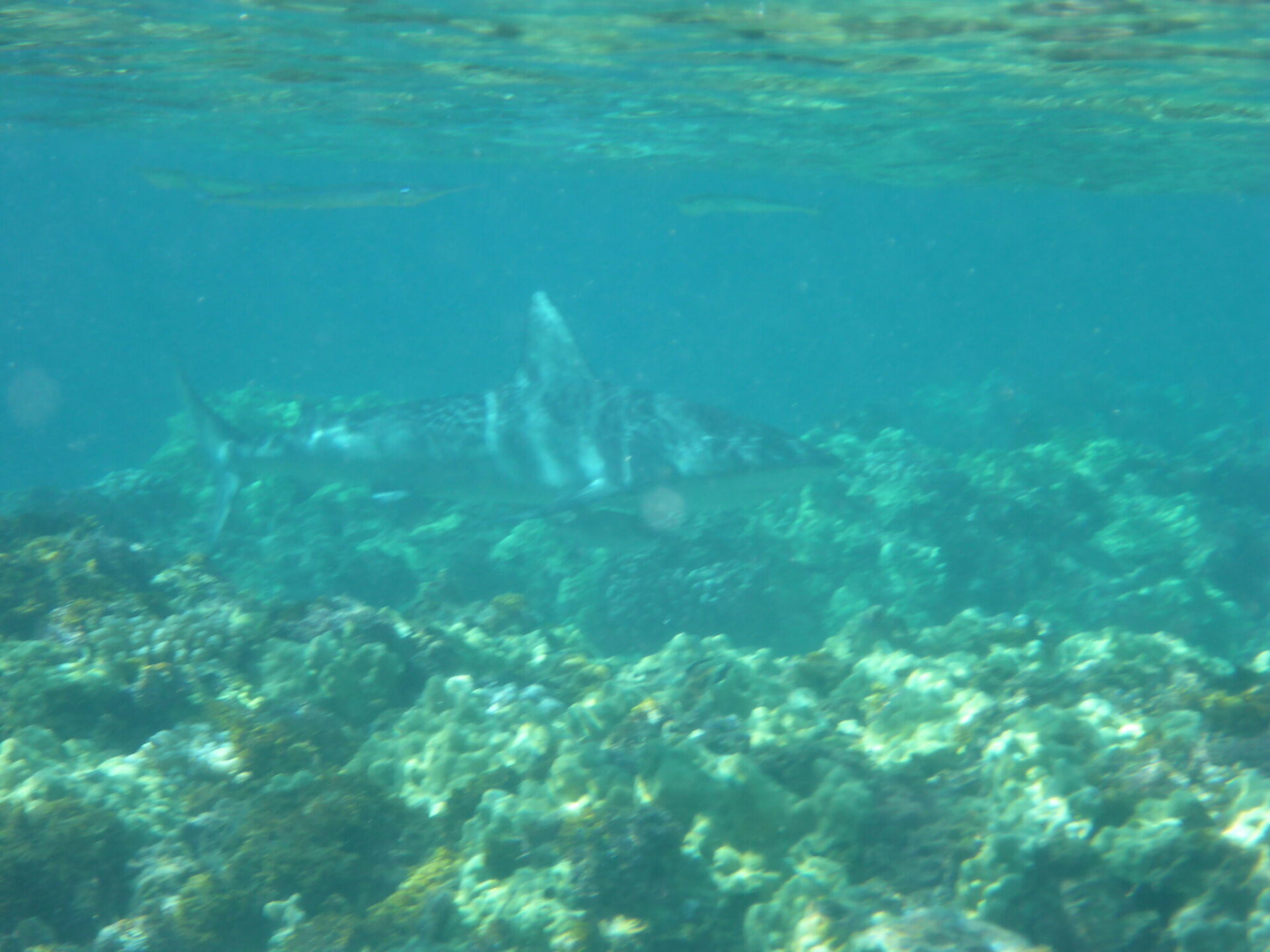
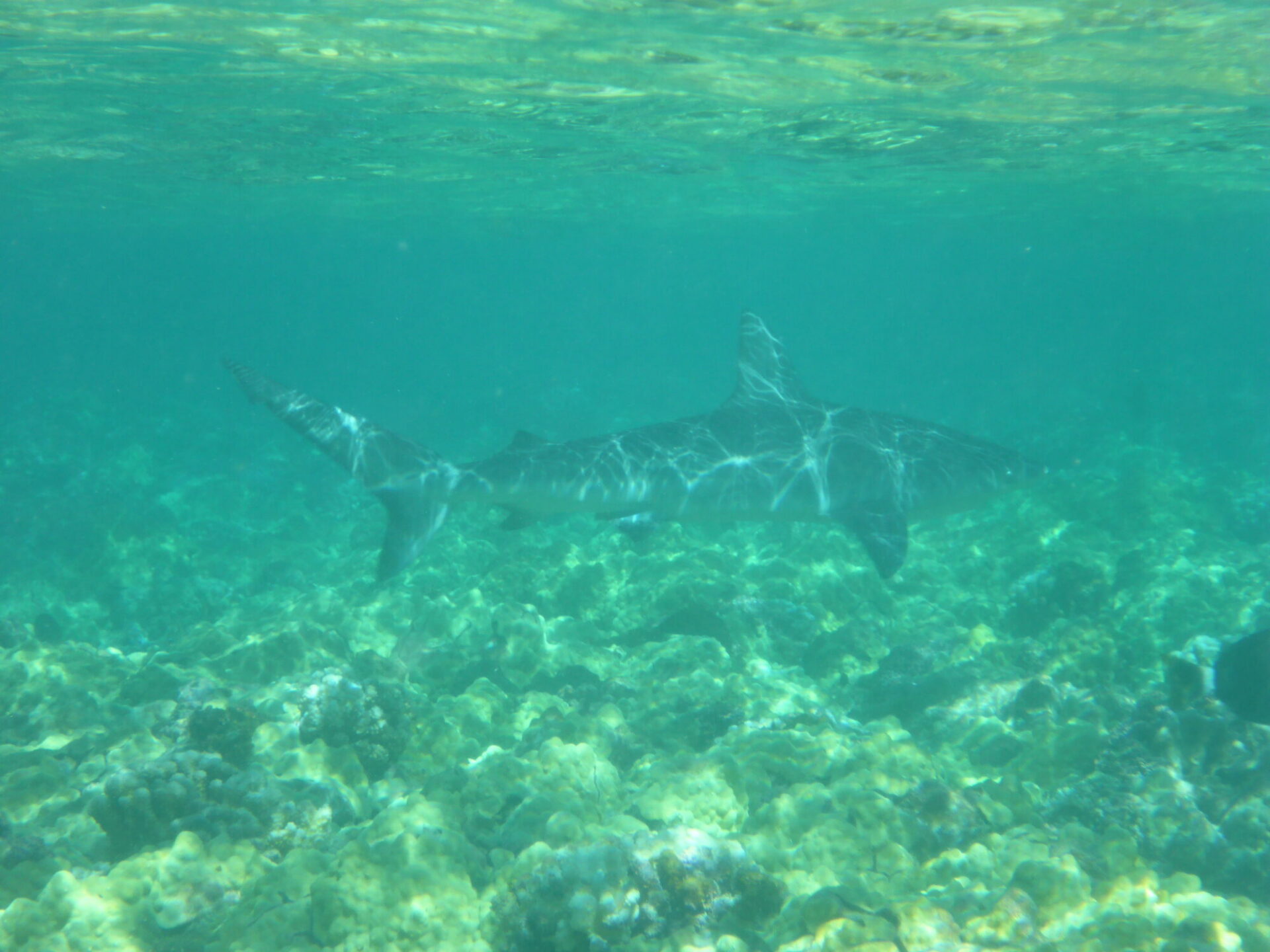
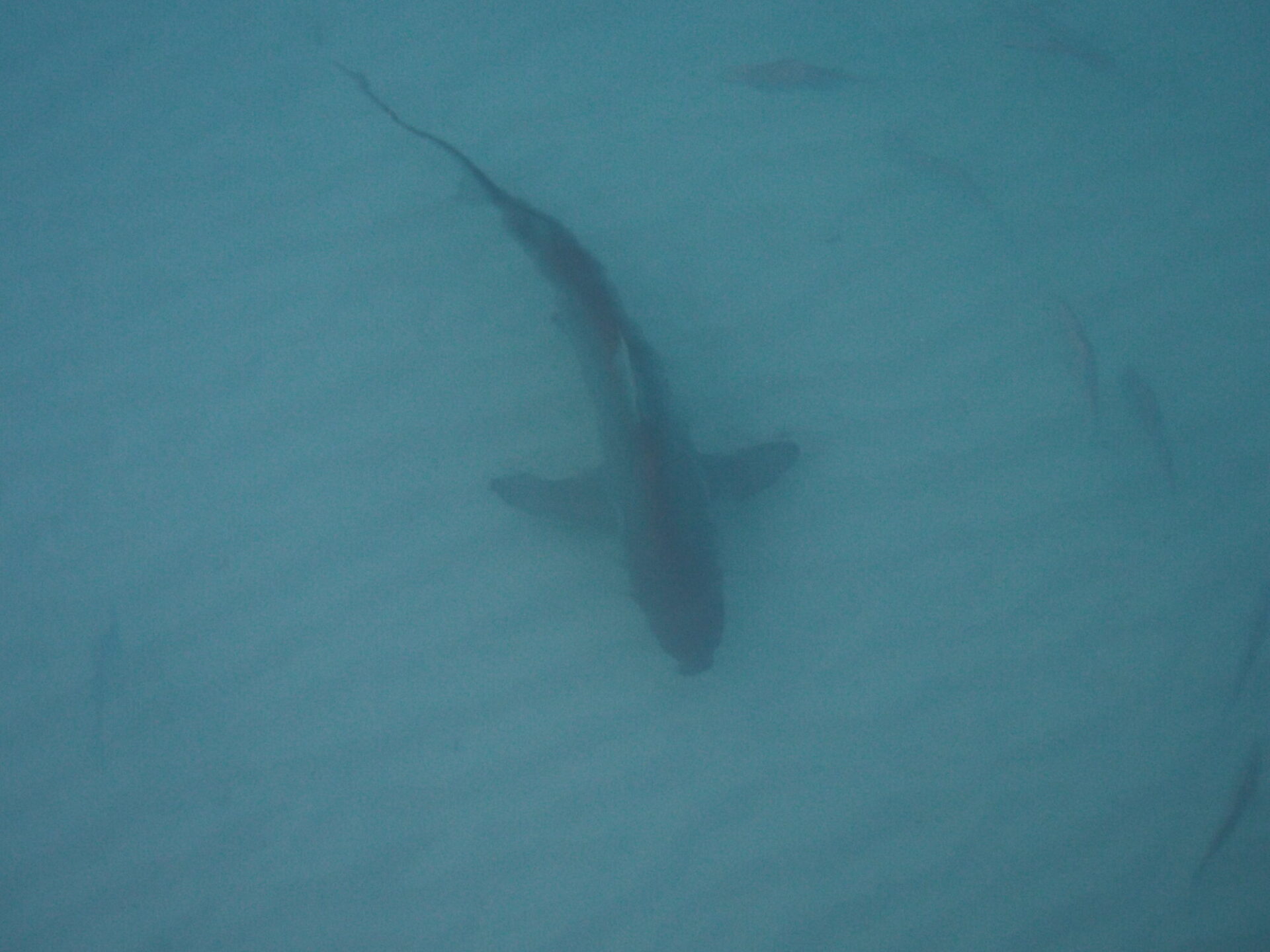
Niuhi, tiger shark (Galeocerdo cuvier). A large shark with dark stripes on its back, most visible in younger animals. Tiger sharks eat almost anything, from fish and turtles to seabirds.
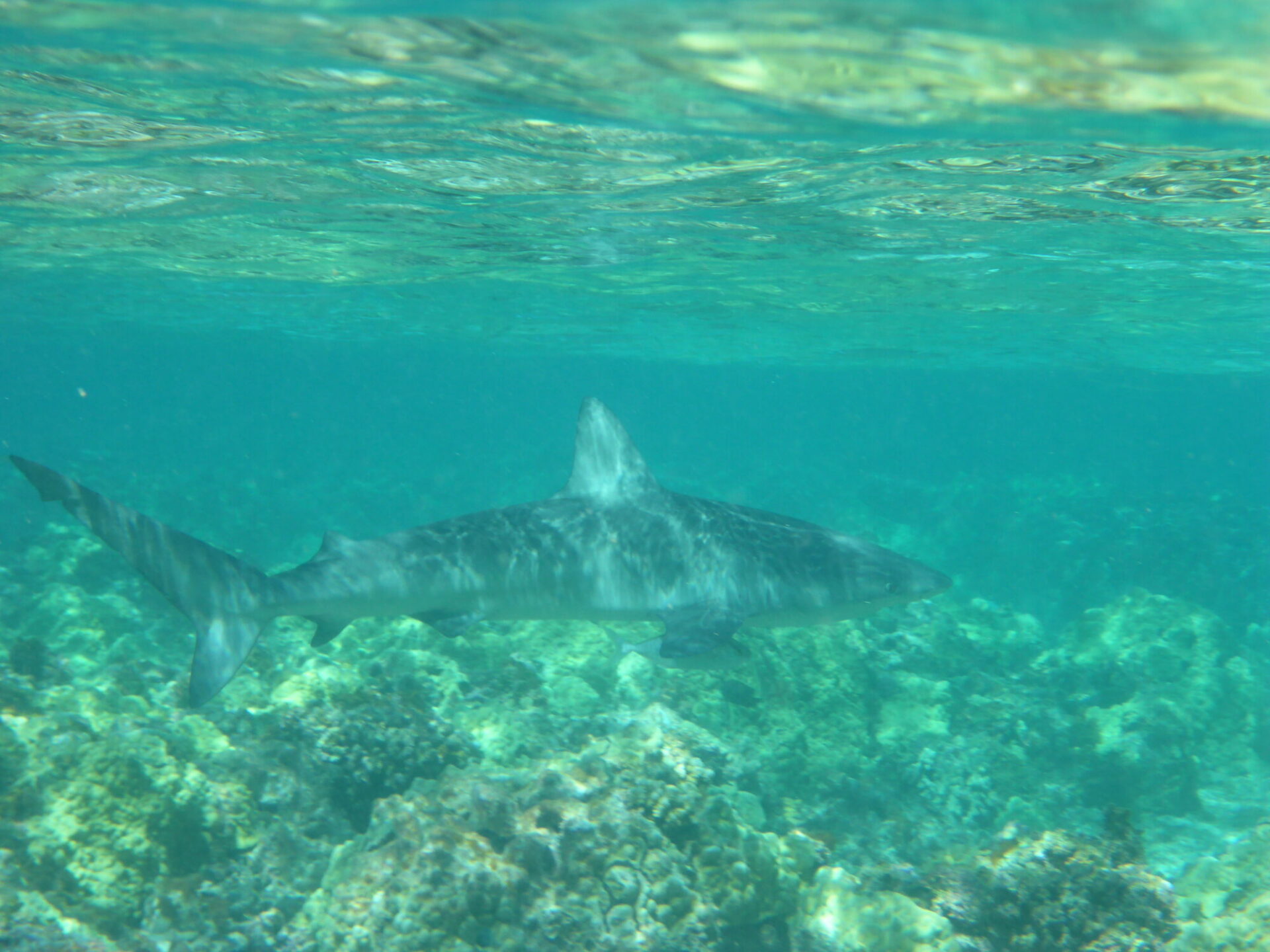
Galapagos shark (Carcharhinus galapagensis). A large gray shark common around the Northwestern Hawaiian Islands, often seen in the lagoon and along the reef.
Gray reef shark (Carcharhinus amblyrhynchos). A stocky gray shark with a dark band along the edge of its tail, usually found along the outer reef.
Manō lalakea, whitetip reef shark (Triaenodon obesus). A slender reef shark with white tips on its dorsal fin and tail. It often rests on the bottom or in caves during the day.
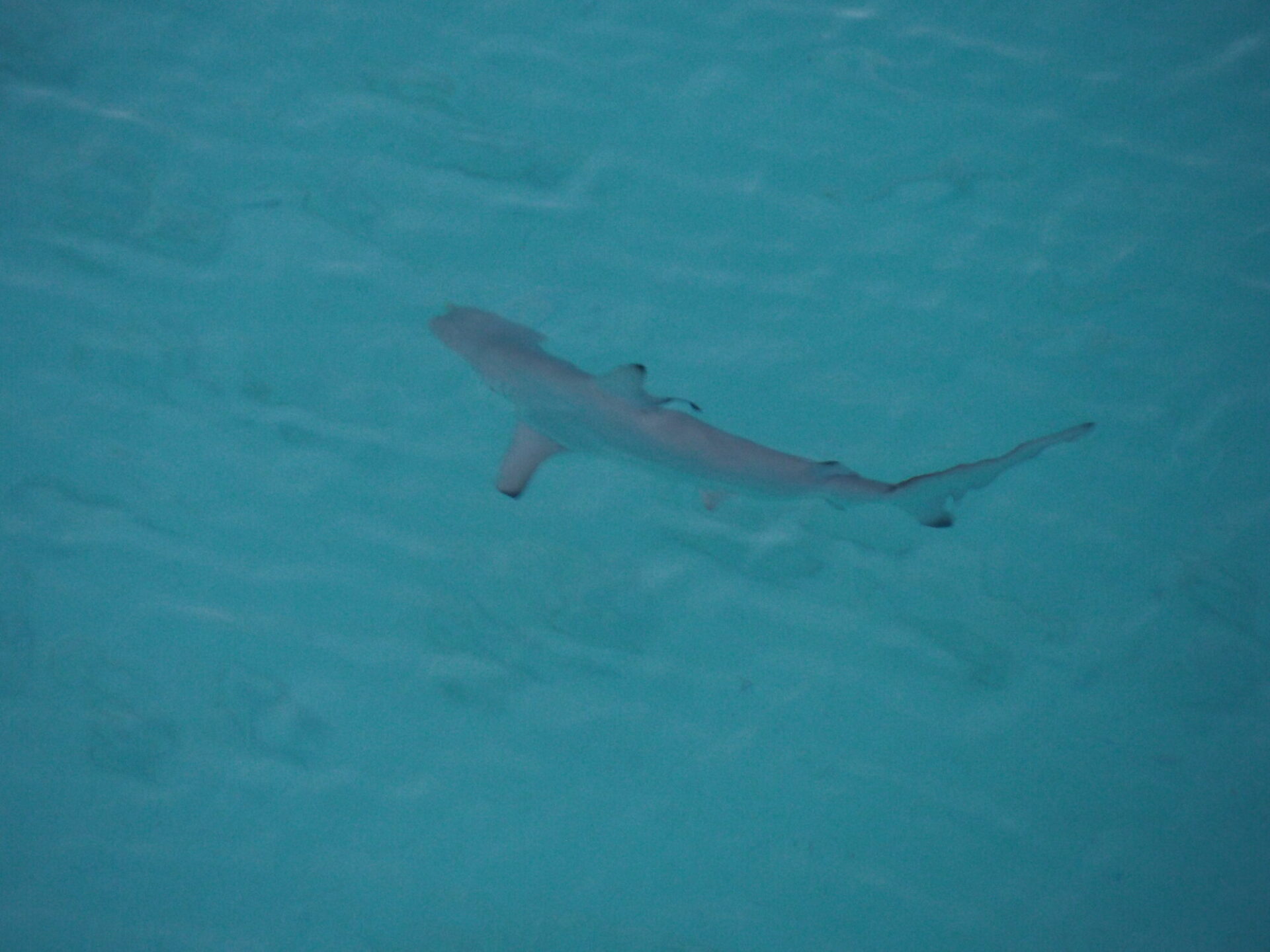
Manō pāʻele, blacktip reef shark (Carcharhinus melanopterus). A smaller shark with black-tipped fins, often seen in shallow water close to shore.
Niuhi and the albatross fledglings
In June and July, thousands of young mōlī and kaʻupu leave Hōlanikū for the first time. Many land on the water near shore while they build strength to fly, and niuhi patrol the shallows to catch them. Crews regularly see sharks taking fledglings off the beaches. In 2015 one shark about 15 feet long took three kaʻupu fledglings off the west beach, and in June 2025 crews watched several predation events near the pier.
A 2025 University of Hawaiʻi study at Lalo (French Frigate Shoals) found that tiger sharks gather around small islands in summer to hunt fledgling seabirds, and that their arrival pushes smaller sharks to change where they hunt.
Galapagos and reef sharks
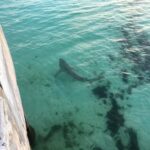
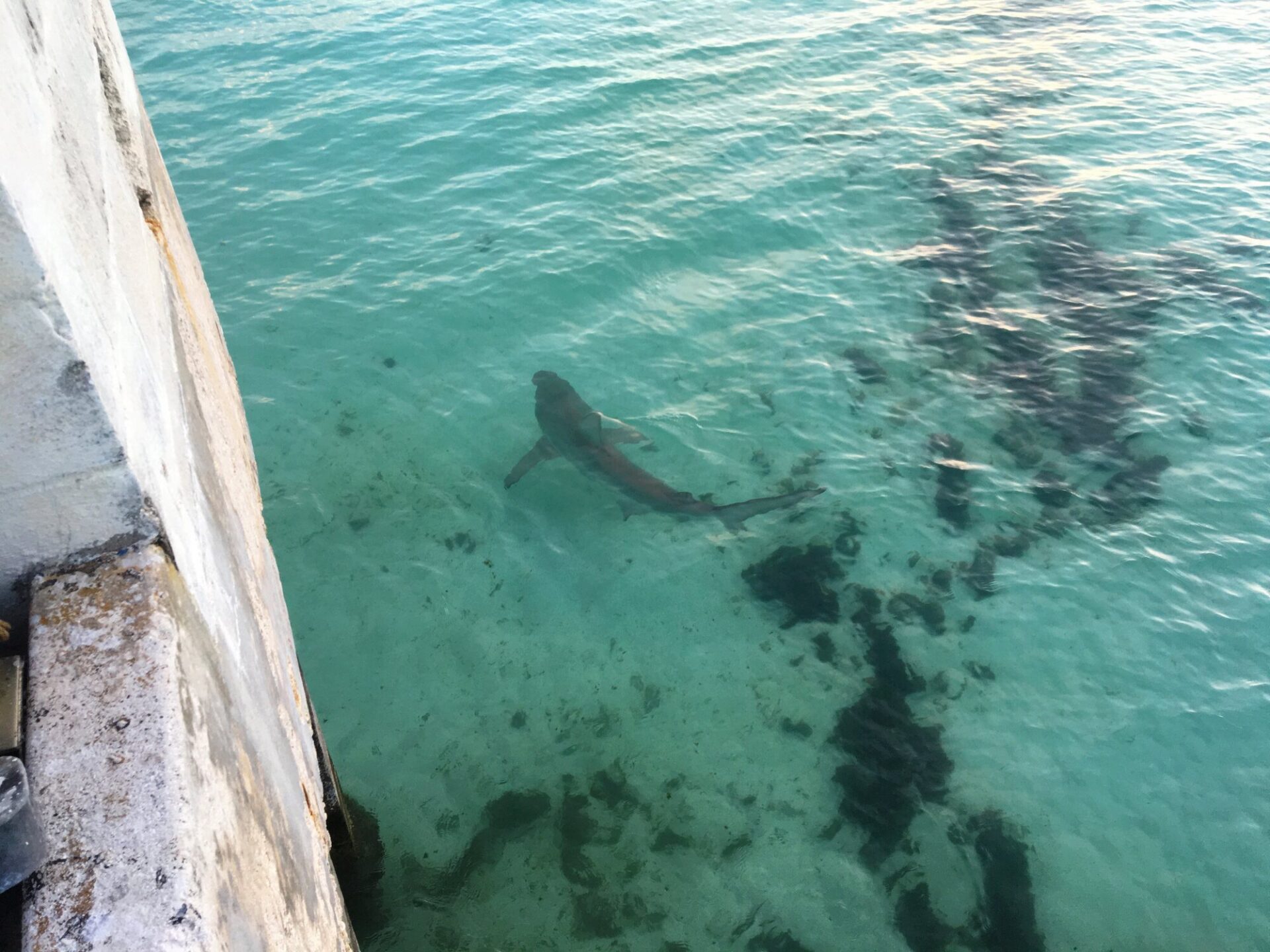
Galapagos sharks and smaller reef sharks are seen at the pier through the year, often in the evening when they hunt small fish. At Lalo, Galapagos sharks are known to prey on young monk seals. On Hōlanikū, crews have watched an adult monk seal chase small sharks away from the pier, and have documented seals that survived shark bites.
Conservation Actions
Since 1 January 2022, it has been illegal under State law to knowingly capture, entangle or kill any shark in Hawaiʻi state waters. Fishing of any kind is not allowed in the Northwestern Hawaiian Islands State Marine Refuge around Hōlanikū, and the wider waters are protected as Papahānaumokuākea Marine National Monument and National Marine Sanctuary. Removing derelict nets from the reef protects sharks as well as the animals they share it with.
Current Threats
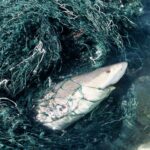
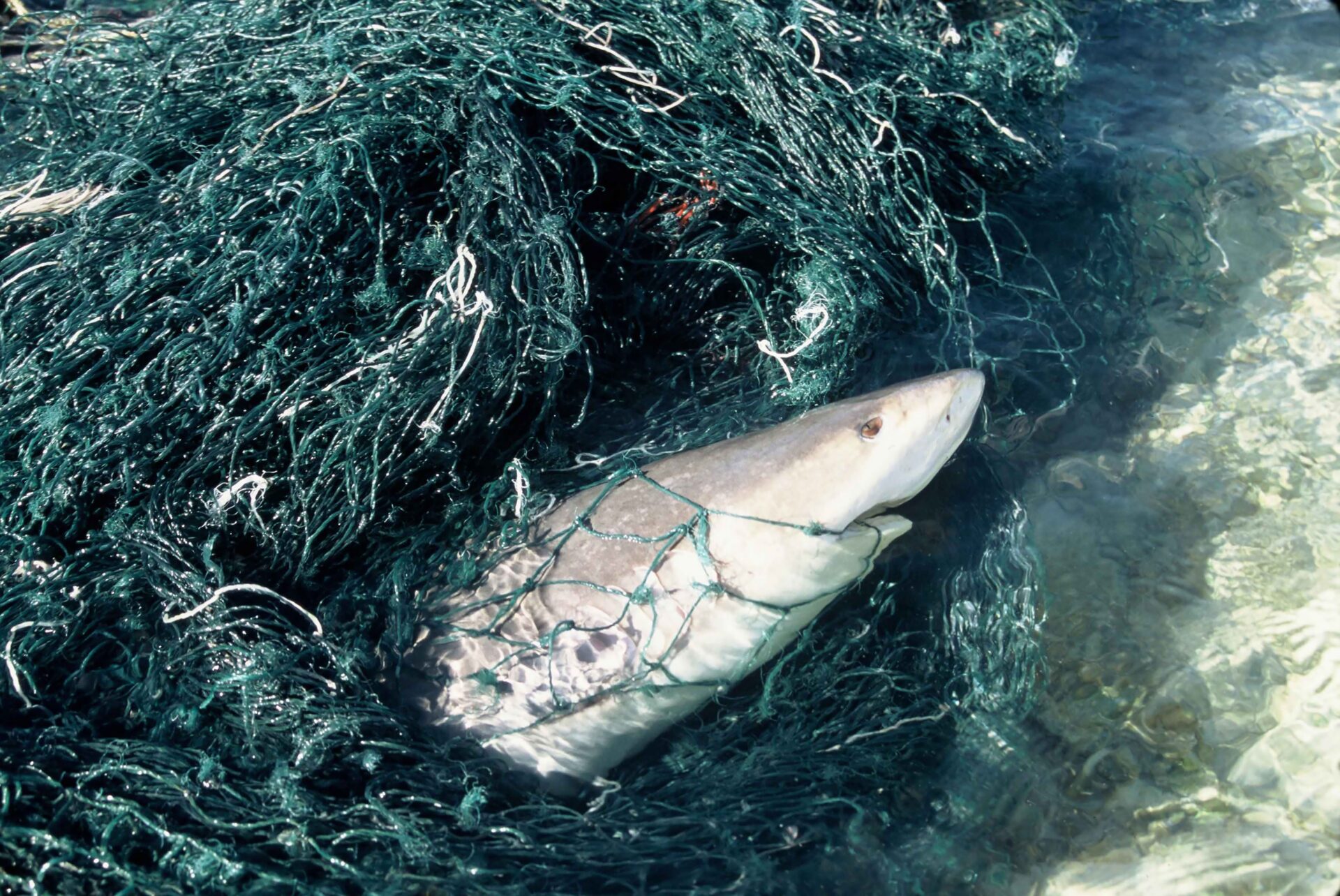
Sharks can be caught and drowned in derelict fishing nets that drift onto the reef. Outside protected waters, many shark species are caught as bycatch in fisheries.
On Hōlanikū
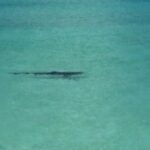
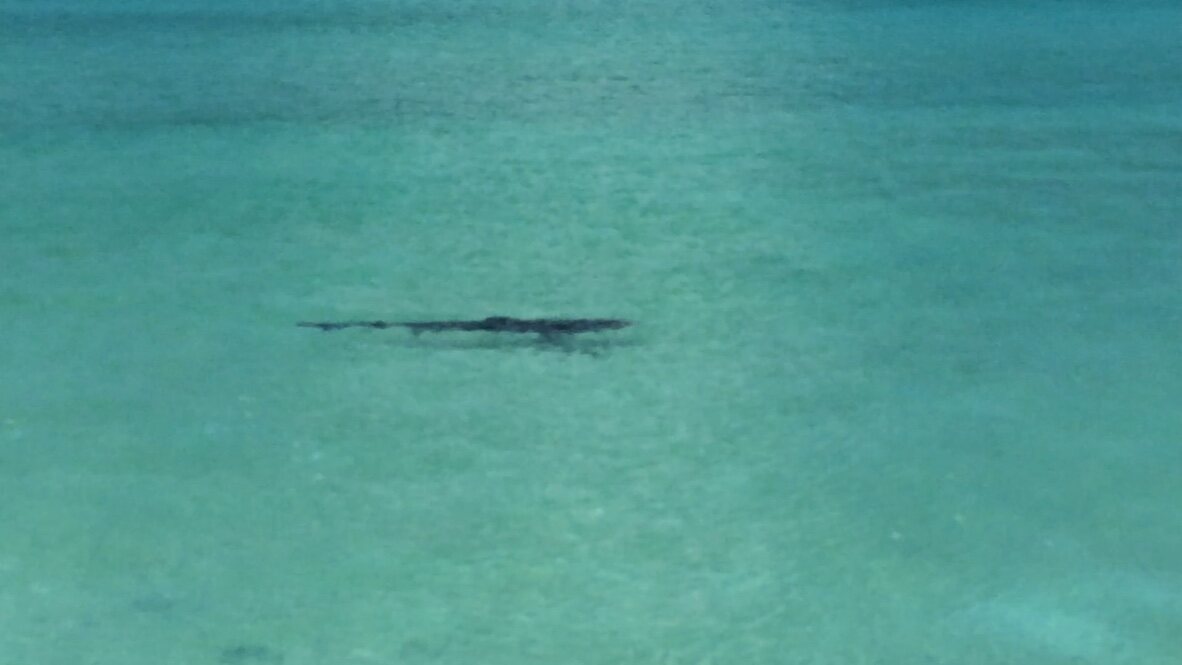
Most shark sightings are from the pier and the shoreline. Niuhi from about 6 to 15 feet long are seen most often in summer, during the albatross fledging season, and a 10- to 15-foot tiger shark was seen near the pier in October. In July 2014 a 12-foot tiger shark near Sand Island was chased by a pod of spinner dolphins.
Learn more
How the summer arrival of albatross fledglings reshapes where tiger, Galapagos and gray reef sharks hunt at Lalo.
Sharks in Hawaiʻi
The State guide to sharks in Hawaiian waters, shark safety and the 2022 shark protection law.
Respecting wildlife
Protected on Hōlanikū
All wildlife on Hōlanikū is protected. The island is the Kure Atoll State Wildlife Sanctuary, inside Papahānaumokuākea Marine National Monument and National Marine Sanctuary, and entry is allowed only by permit. KAC/DLNR work on Hōlanikū is done under the Papahānaumokuākea co-managers' permits, along with other permits where needed, such as NOAA Fisheries permits for monk seal and sea turtle work and federal bird banding permits.
About our photos
Photos and video on this site were taken by permitted crews and partners during research and management work, usually from a distance with zoom or telephoto lenses so animals are not disturbed. Close-ups of animals being handled show permitted work such as banding, tagging, rescue or disentanglement.
Seeing marine animals elsewhere in Hawaiʻi
- Keep your distance: at least 10 feet from honu, 50 feet from monk seals (150 feet from a mother and pup), 50 yards from spinner dolphins and 100 yards from humpback whales. The dolphin and whale distances are federal law.
- Never touch, chase, feed or swim with them, and keep visits short.
- Use binoculars or your camera's zoom for a closer look, and don't fly drones near wildlife.
- Keep dogs on a leash on beaches.
- Report injured, entangled or stranded animals to the NOAA Marine Wildlife Hotline at 888-256-9840.
More marine life of Hōlanikū
Help protect native habitat on Hōlanikū
KAC/DLNR field crews monitor wildlife and restore habitat year-round. Your support keeps them on the island.