
Introduced animals and pests
Rats, ants, mosquitoes and other stowaways can undo years of restoration, so crews watch for them and respond quickly.
| Polynesian rats | Removed in the 1990s |
|---|---|
| Big-headed ants | Not detected since August 2020 |
| Mosquitoes | Not found in 2025 |
| Watched for | Black rats, mosquitoes, Cattle Egrets |
Rats
Polynesian rat (Rattus exulans). Polynesian voyagers carried these small rats across the Pacific, and Hōlanikū was the northernmost place they reached. The rats ate seabird eggs and chicks and likely wiped out the few ʻakihikēʻehiʻale (Tristram's Storm-Petrels) that nested here in the 1960s. After the U.S. Coast Guard closed its LORAN station, DLNR Division of Forestry and Wildlife removed the rats in the early 1990s. Their methods were later used to remove rats from Mokoliʻi, off Oʻahu.
Since then, nunulu (Bonin Petrels) have increased dramatically, and in 2013 crews found three ʻakihikēʻehiʻale nests, the first recorded in almost 50 years.
Black rat (Rattus rattus). In August 2016 a single black rat was seen on Hōlanikū, likely brought ashore with equipment during the Coast Guard cleanup of the old landfill. Traps were set right away and it was caught 11 days later. No rats have been found since.
Big-headed ants
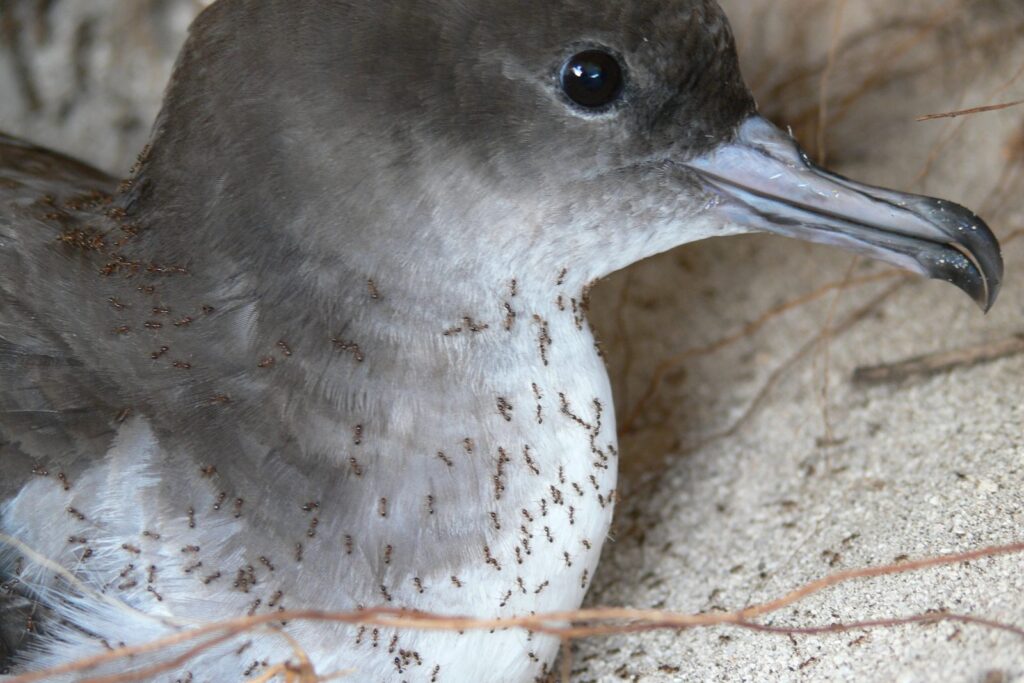
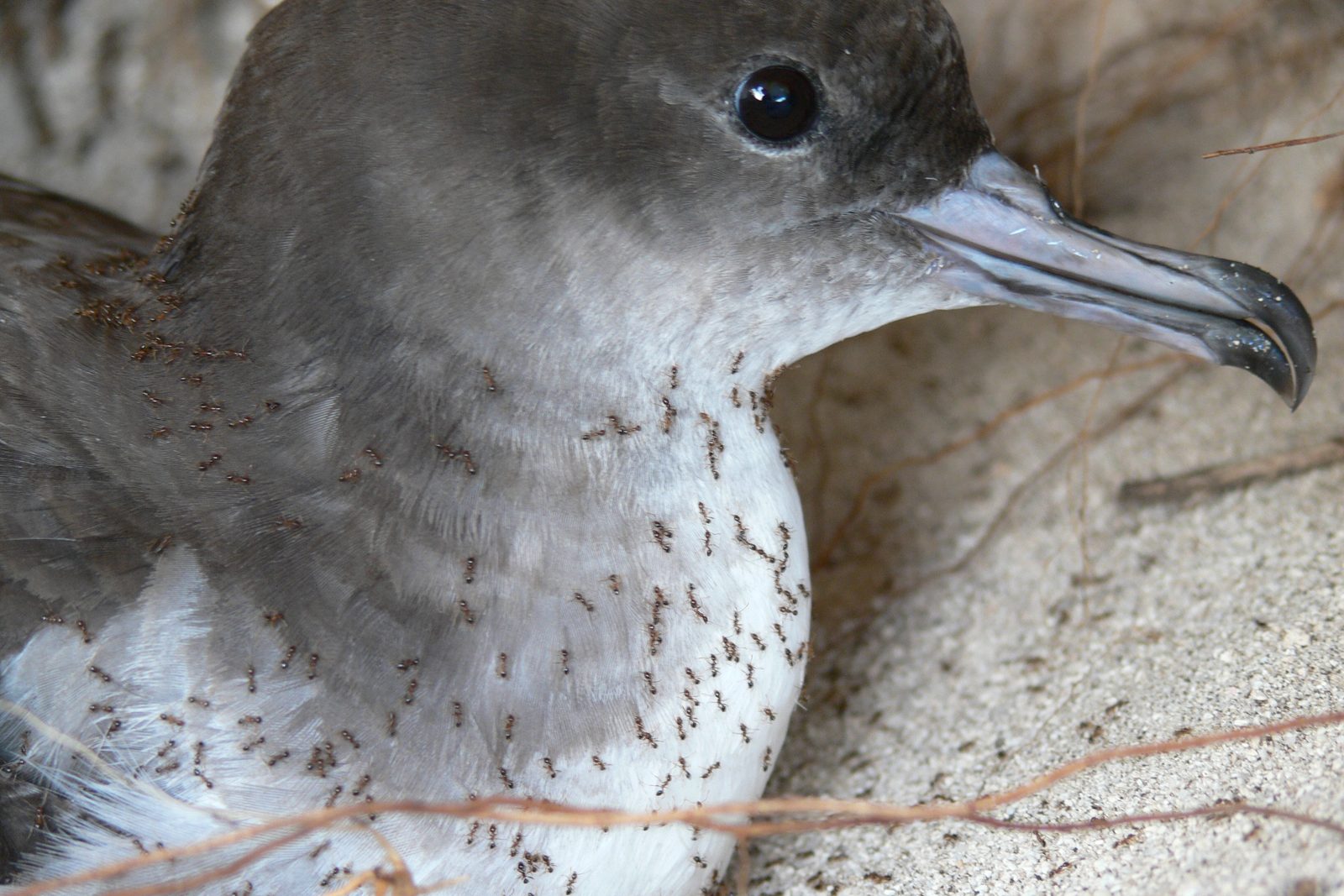
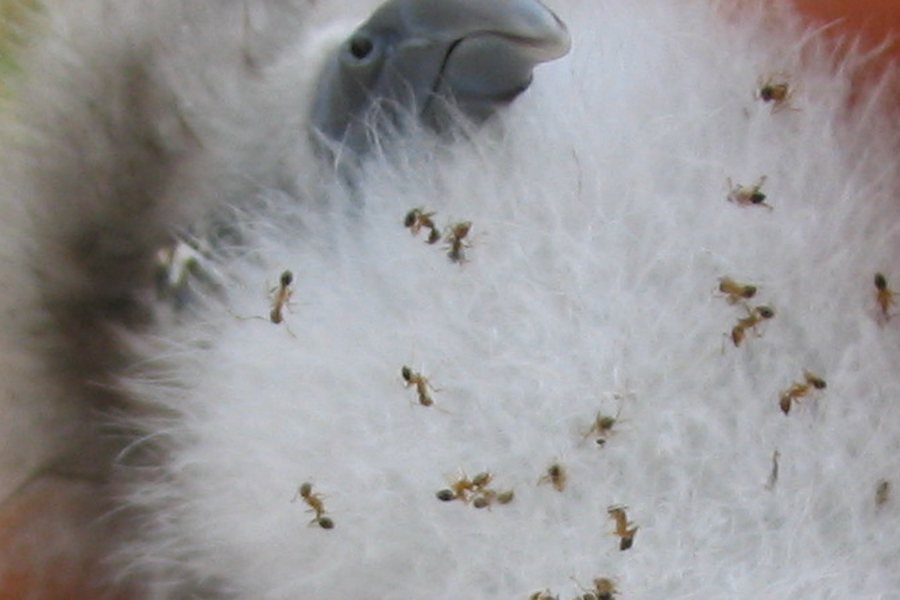
Big-headed ants (Pheidole megacephala) were once widespread on Green Island. They swarmed the chicks of ground-nesting seabirds such as ʻuaʻu kani (Wedge-tailed Shearwaters) and farmed scale insects that killed young pōpolo plants.
Before koloa pōhaka were brought to Hōlanikū in 2014, crews surveyed and treated the whole island, starting on July 2, 2014. Soon after, beetles and other insects reappeared in large numbers, a sign of how heavily the ants had affected the island. Big-headed ants have not been detected since August 2020, and crews keep watching for them.
Mosquitoes
The southern house mosquito (Culex quinquefasciatus) was first found on Hōlanikū in August 2016, probably blown over from Kuaihelani (Midway Atoll). Mosquitoes can carry avian pox and avian malaria, which are deadly to many Hawaiian birds.
Crews treated every water source, and no mosquitoes were detected after August 2019. A few larvae turned up at Kipukawai seep in April 2024 and were treated, and no mosquitoes were found in 2025. Because mosquitoes are still established on Kuaihelani, crews keep checking any standing water.
Other pests
Cattle Egret (Bubulcus ibis). These introduced birds occasionally fly in from Kuaihelani, where they breed. They eat seabird chicks and koloa pōhaka ducklings, so crews are ready to respond under federal authorization to keep them from becoming established.
Paper wasps (Polistes aurifer and Polistes jokahamae). Two introduced paper wasps are common on Hōlanikū and build nests in naupaka, heliotrope and camp buildings. Crews remove nests in work areas.
Southern green stink bug (Nezara viridula). First recorded in October 2018. It is seen in low numbers on naupaka, and no serious damage has been found.
Pest Management
More about how crews monitor and respond to pests on Hōlanikū.
Help clear invasive species from Hōlanikū
KAC/DLNR field crews monitor wildlife and restore habitat year-round. Your support keeps them on the island.