
Land invertebrates
Insects, spiders, mites, centipedes and other small animals without backbones, including one tiny mite known only from Hōlanikū.
| Species recorded | 164 (NOWRAMP 2000 survey) |
|---|---|
| Hawaiian endemics | 11 listed in 2000 |
| Found only on Kure | Hemicheyletia kureatollensis, a mite |
| Introduced | About 86 percent of species |
Small but important
Insects, spiders, mites, centipedes and other arthropods are easy to overlook, but they recycle nutrients, pollinate plants and feed birds such as the koloa pōhaka (Laysan Duck), which eats flies and other insects.
Scientists have surveyed the land arthropods of Hōlanikū several times. The 1923 Tanager Expedition collected 35 kinds of insects. In September 1961 George Butler and Robert Usinger collected 96 species of insects and other arthropods in three days. The most complete survey came in 2000, when Bishop Museum entomologists recorded 164 species on Green Island as part of the Northwestern Hawaiian Islands Reef Assessment and Monitoring Program (NOWRAMP).
Found only in Hawaiʻi
The 2000 survey listed 11 of the 164 species as Hawaiian endemics, found nowhere else on Earth. They include:
Mites. Hemicheyletia kureatollensis, a tiny predatory mite described in 1982 from leaf litter and soil on Kure Atoll and known only from here, and its relative Hemicheyletia granula. Halarachne laysanae lives in the nasal passages of ʻīlioholoikauaua (Hawaiian monk seals) and was first described from them in 1980.
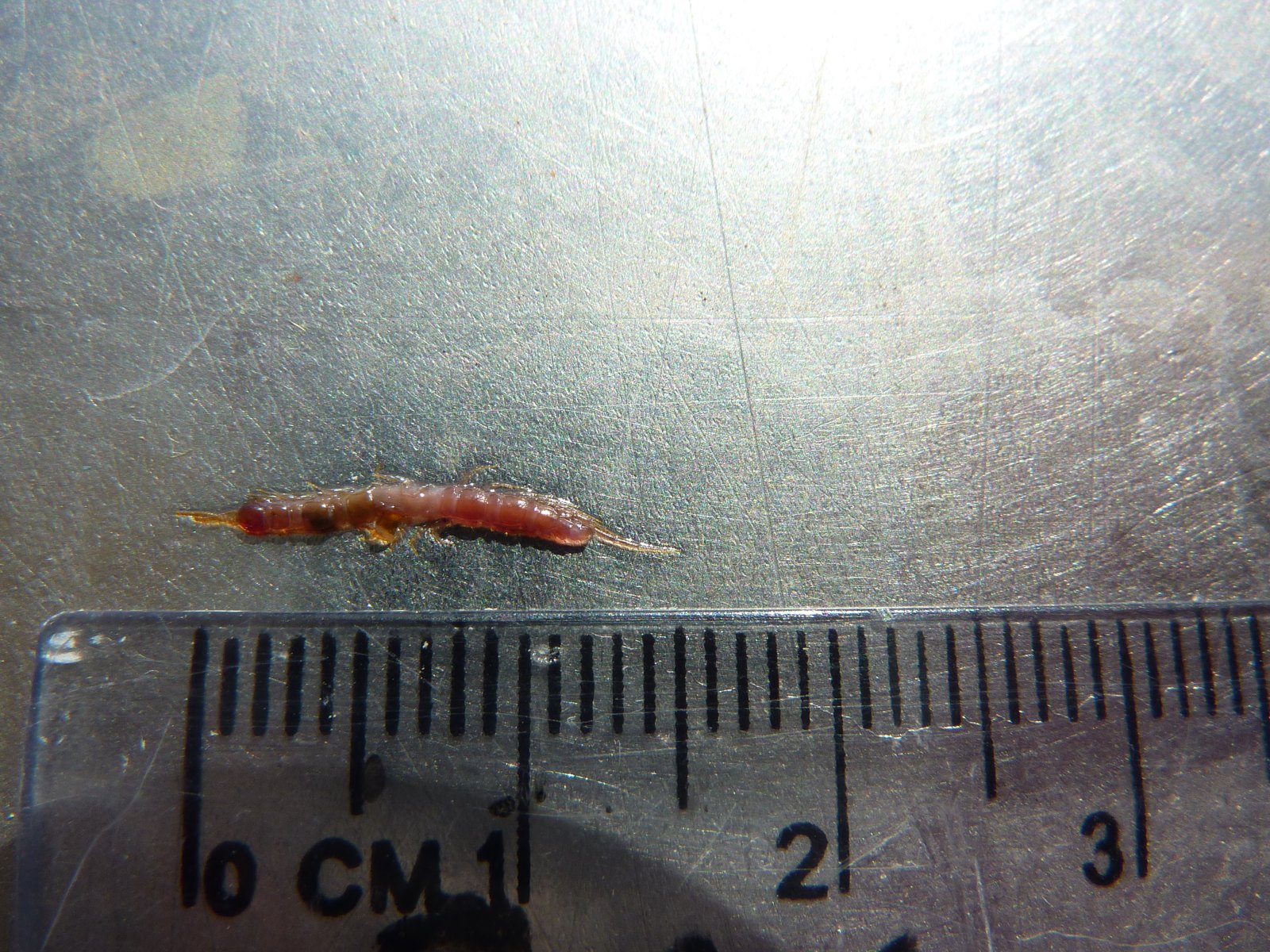
Centipede. Lithobius moananus (first described as Onebius moananus), which was named from specimens collected on Kure by the 1923 Tanager Expedition.
Insects. The seed bug Nysius fullawayi fullawayi, the weevil Dryophthorus distinguendus and the small fly Bryania bipunctata.
Names change as scientists learn more. Two species on the 2000 list have since been found to be widespread species with other names: the centipede Honuaphilus alohanus is now Tuoba sydneyensis, and the fungus gnat Bradysia molokaiensis is now Bradysia crassicornis. Most of these records are from 2000 or earlier, and some species may not have been seen on Hōlanikū since.
Outnumbered by newcomers
About 86 percent of the arthropod species recorded on Hōlanikū in 2000 were introduced, most of them brought by ships, planes and cargo during the Coast Guard years. Endemic insects have disappeared from many of the northwestern atolls, where native plants were cleared and new species arrived.
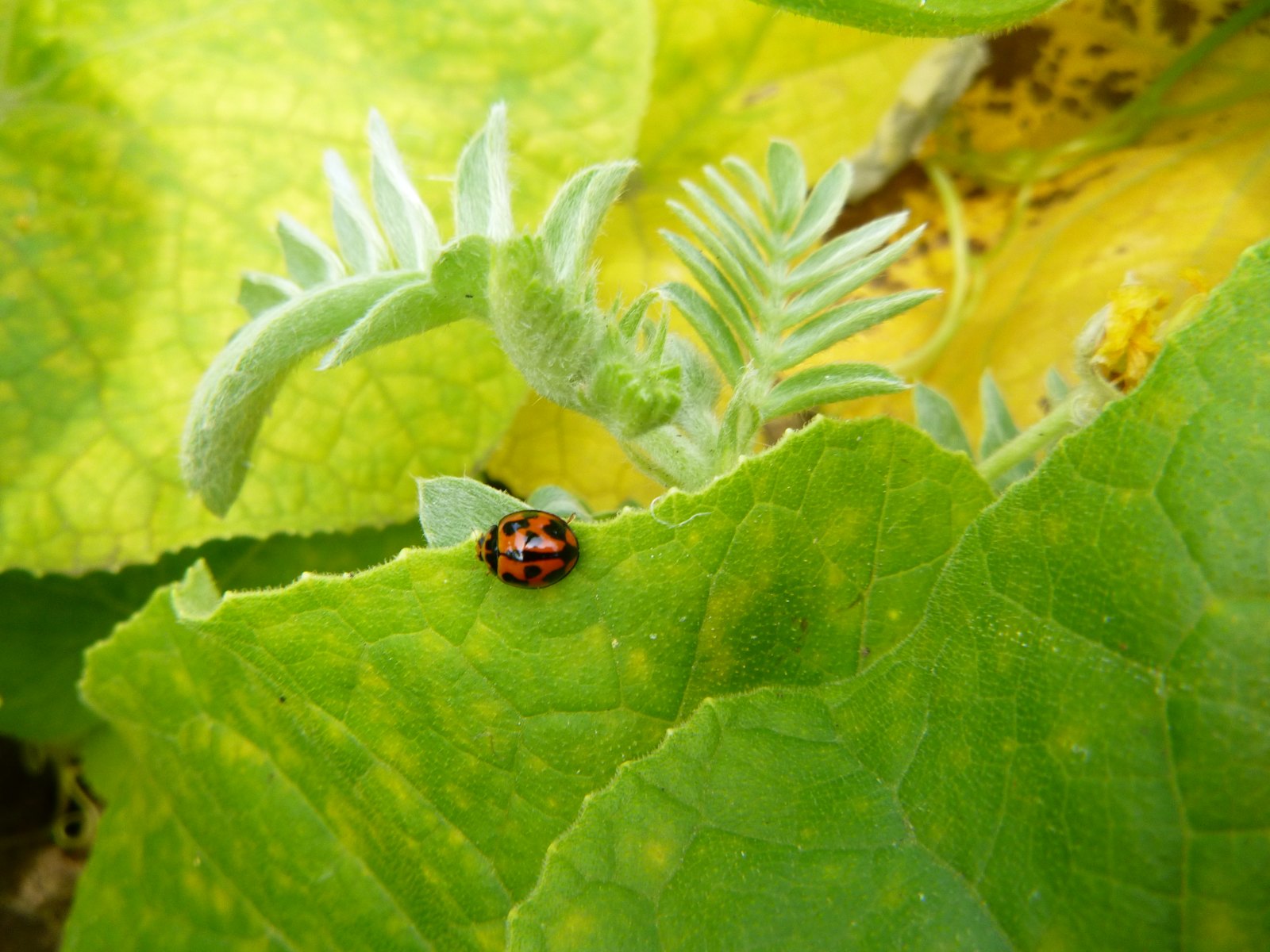
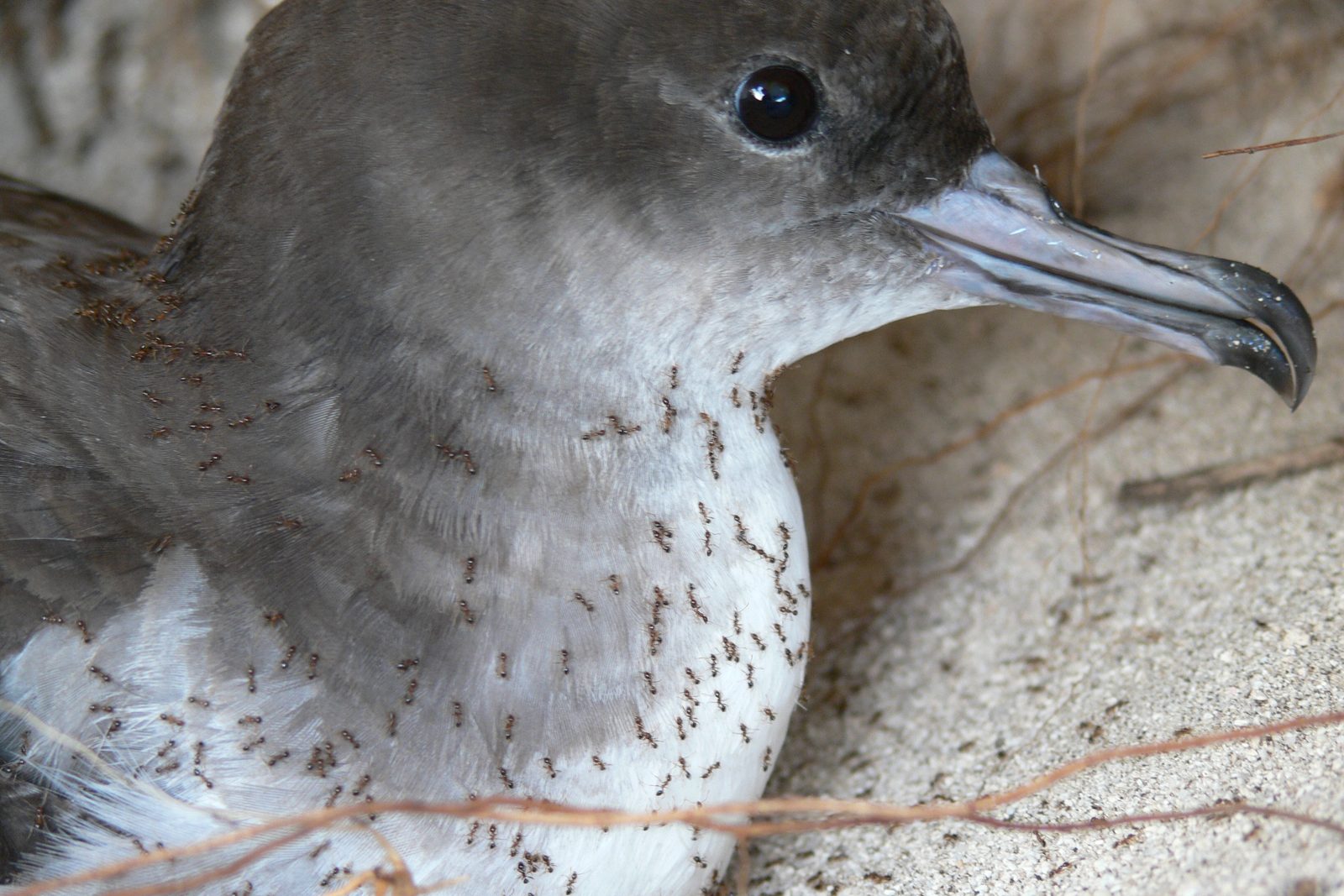
Some introduced species do real harm. Big-headed ants (Pheidole megacephala) once swarmed seabird chicks and farmed scale insects on native plants. After crews treated the whole island in 2014, beetles and other insects reappeared in large numbers. Restoring native plants and keeping out new arrivals through strict biosecurity helps protect the native species that remain.
Notable species
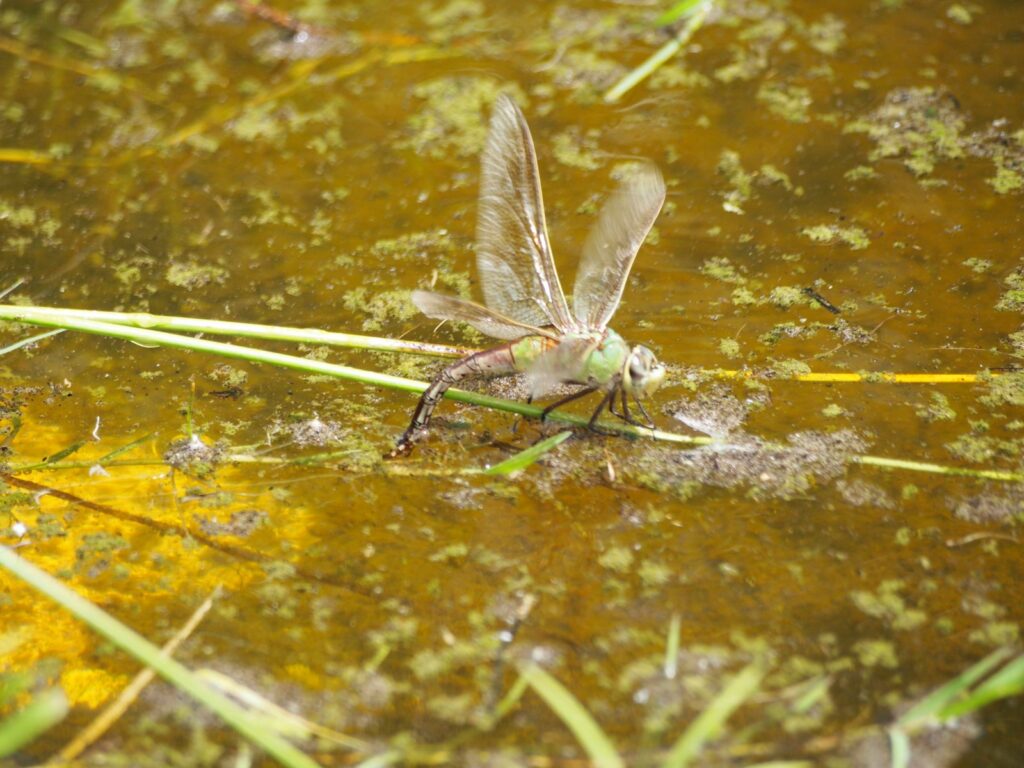
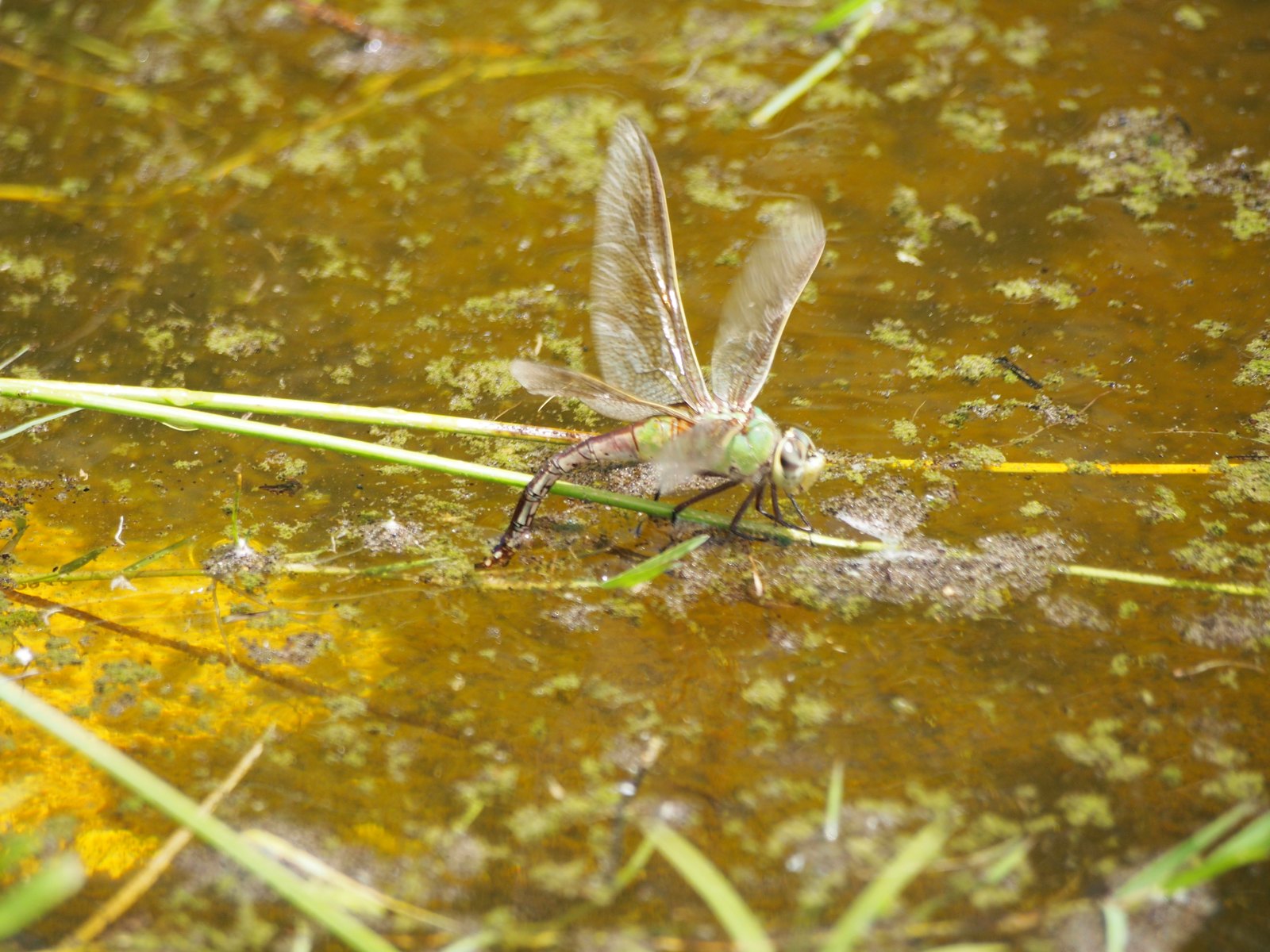
Common green darner (Anax junius). A large native dragonfly that breeds in freshwater seeps on Green Island.
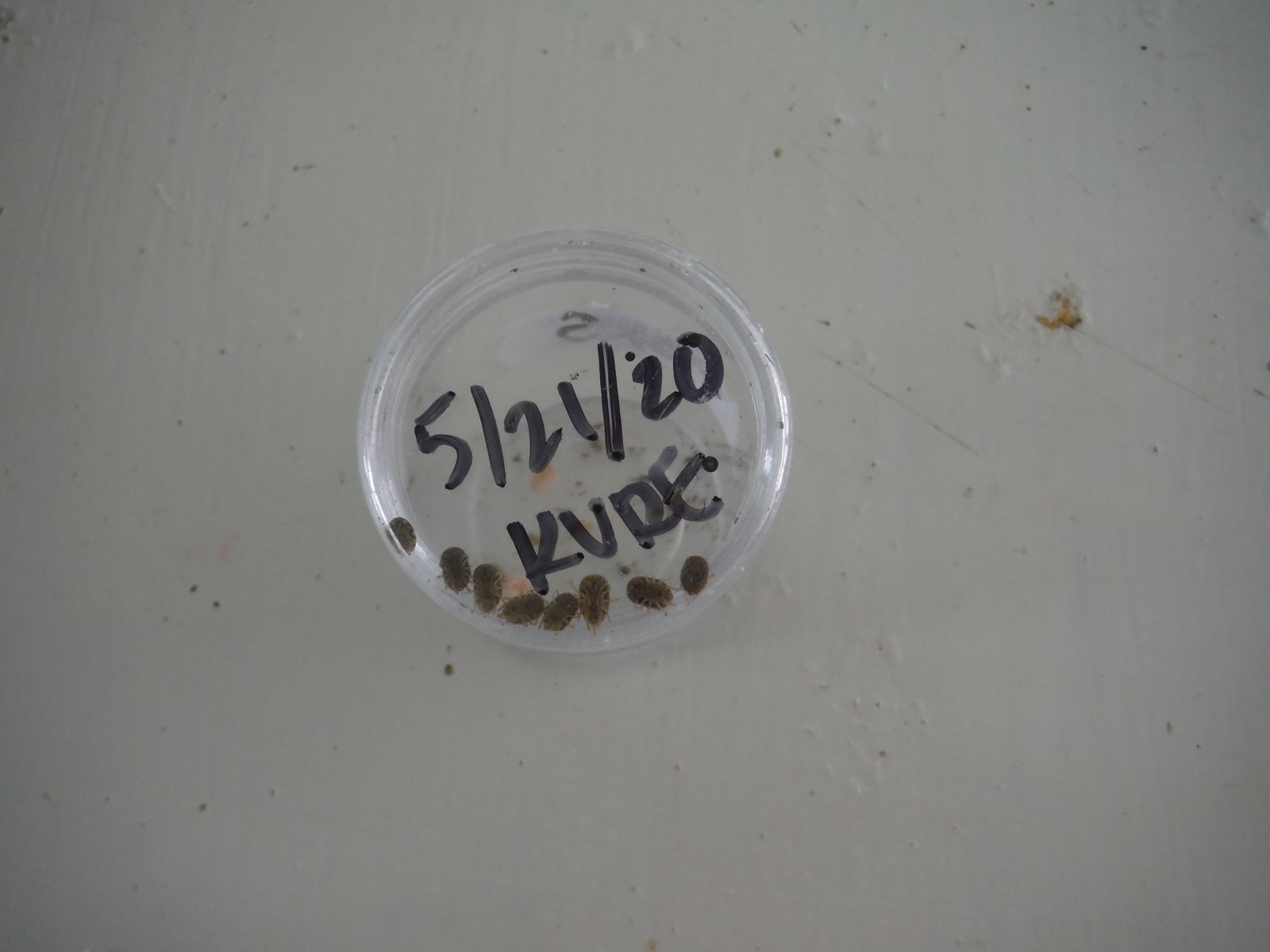
Seabird soft tick (Carios capensis, also called Ornithodoros capensis). A tick that feeds on seabirds and lives in nesting colonies. Ticks are most common in the dense albatross colonies from May to July and drop off after the chicks fledge. Crews take precautions, but tick bites are a regular part of fieldwork.
Spider mites (Tetranychus spp.). Tiny mites that feed on plant leaves and can leave them curled and yellow. Collectors in 1961 found them on naupaka and pōhuehue.
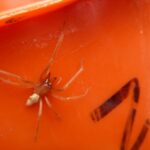
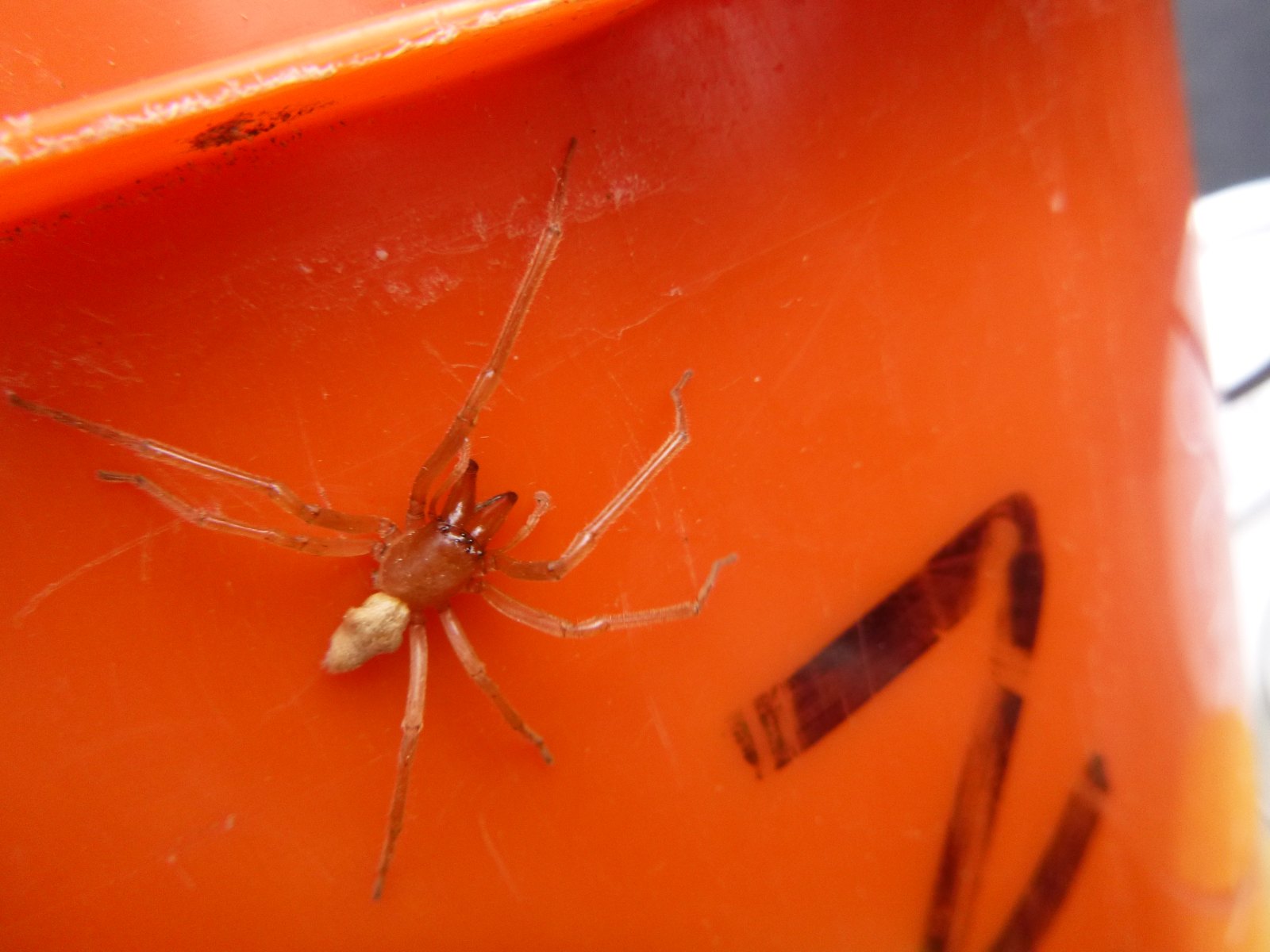
Spiders. Orb weavers (Neoscona), pale leaf spiders (Cheiracanthium), spitting spiders (Scytodes), jumping spiders and large cane spiders (Heteropoda venatoria) are found on Green Island. All are thought to be introduced.
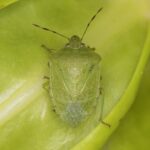
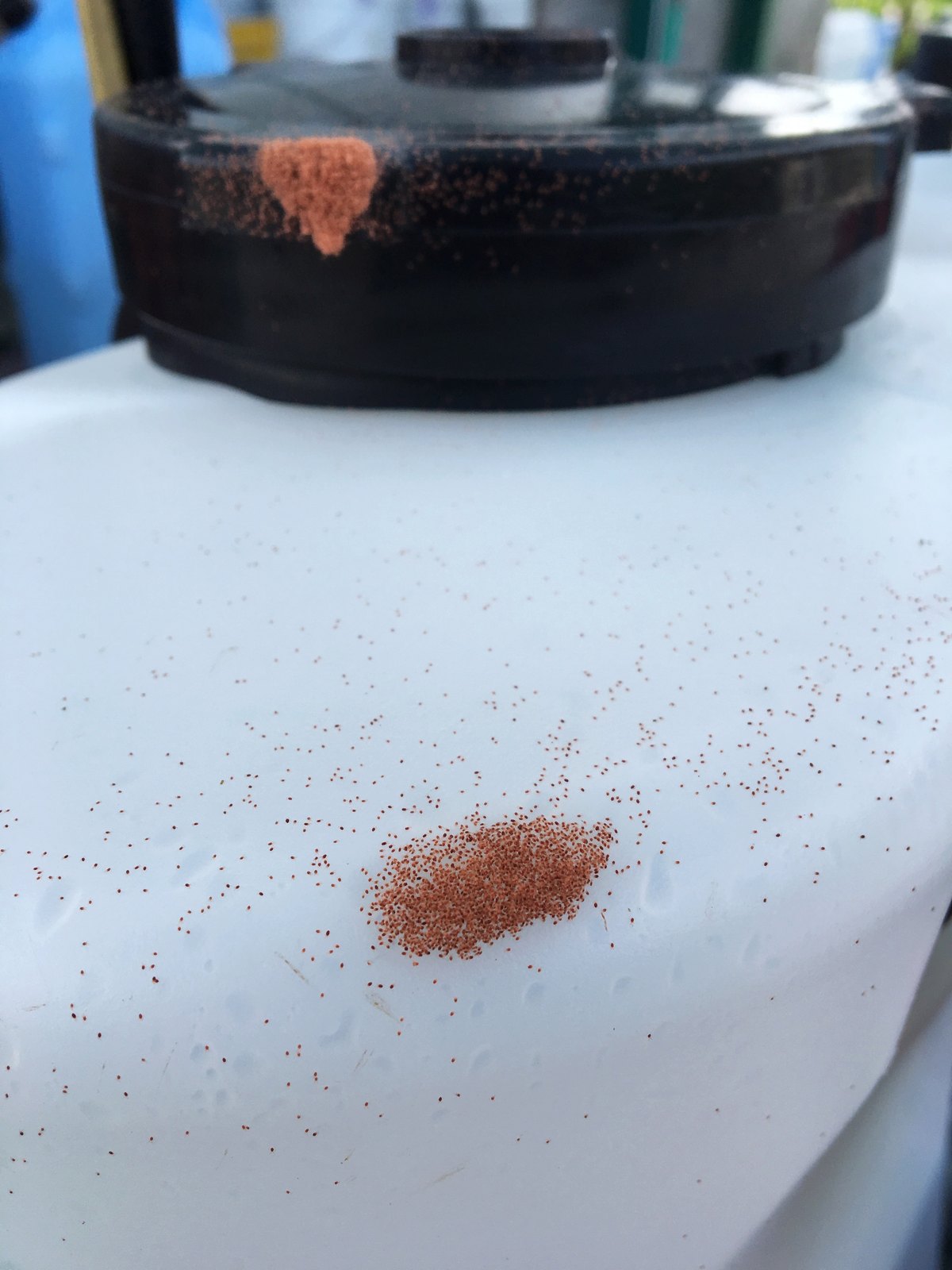
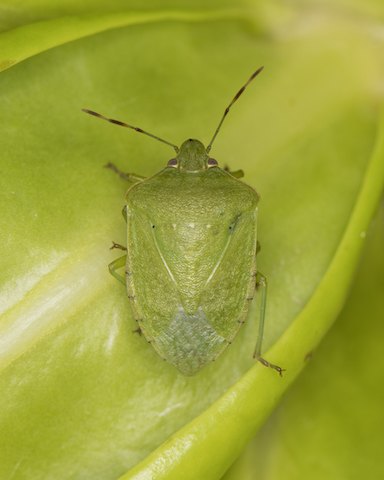
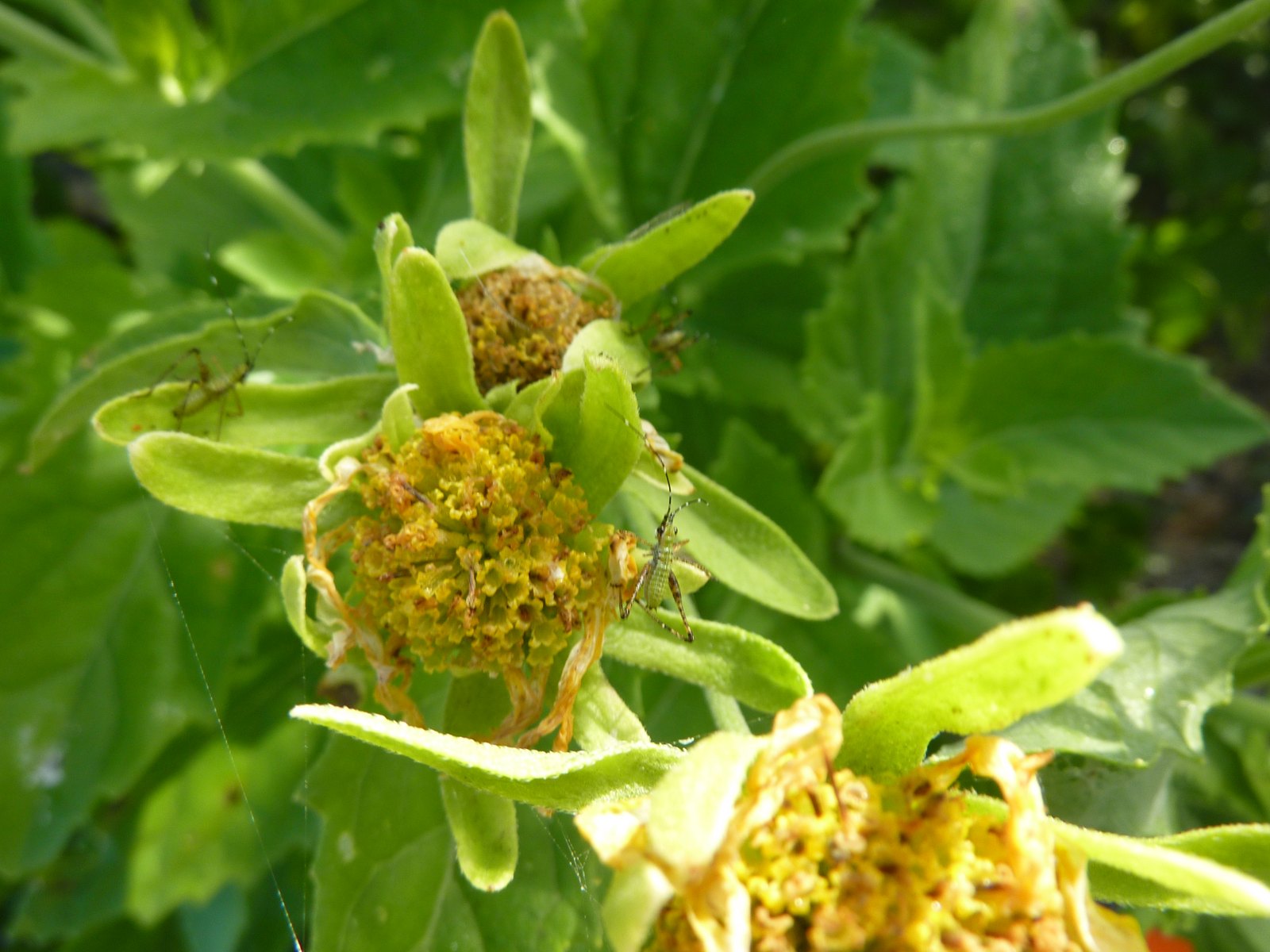
Southern green stink bug (Nezara viridula). An introduced plant-feeding bug first recorded on Hōlanikū in October 2018. A common green form and a rare orange form both occur. It is seen in low numbers on naupaka, where it lays its eggs, and no serious damage has been found.
NOWRAMP 2000 survey
The Bishop Museum report with species lists for each island.
Kure insects, 1961
Butler and Usinger's survey of 96 species on Green Island.
Hawaiian arthropod checklist
Bishop Museum's list of the land arthropods of Hawaiʻi and their status.
Help protect native habitat on Hōlanikū
KAC/DLNR field crews monitor wildlife and restore habitat year-round. Your support keeps them on the island.