
ʻĪlioholoikauaua
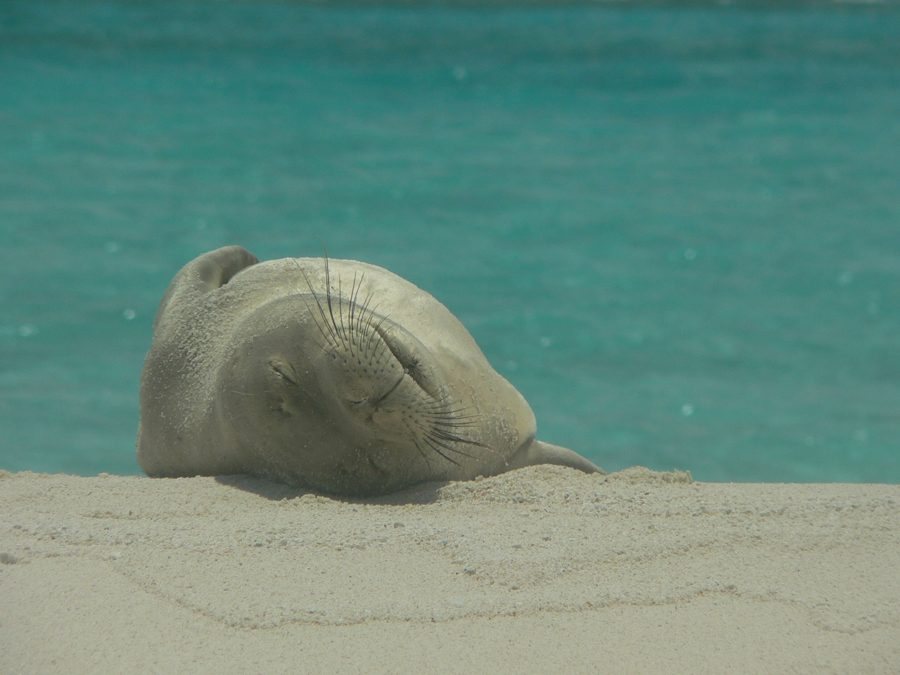
Hawaiian monk seal
Neomonachus schauinslandi
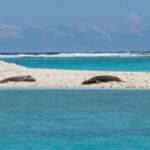
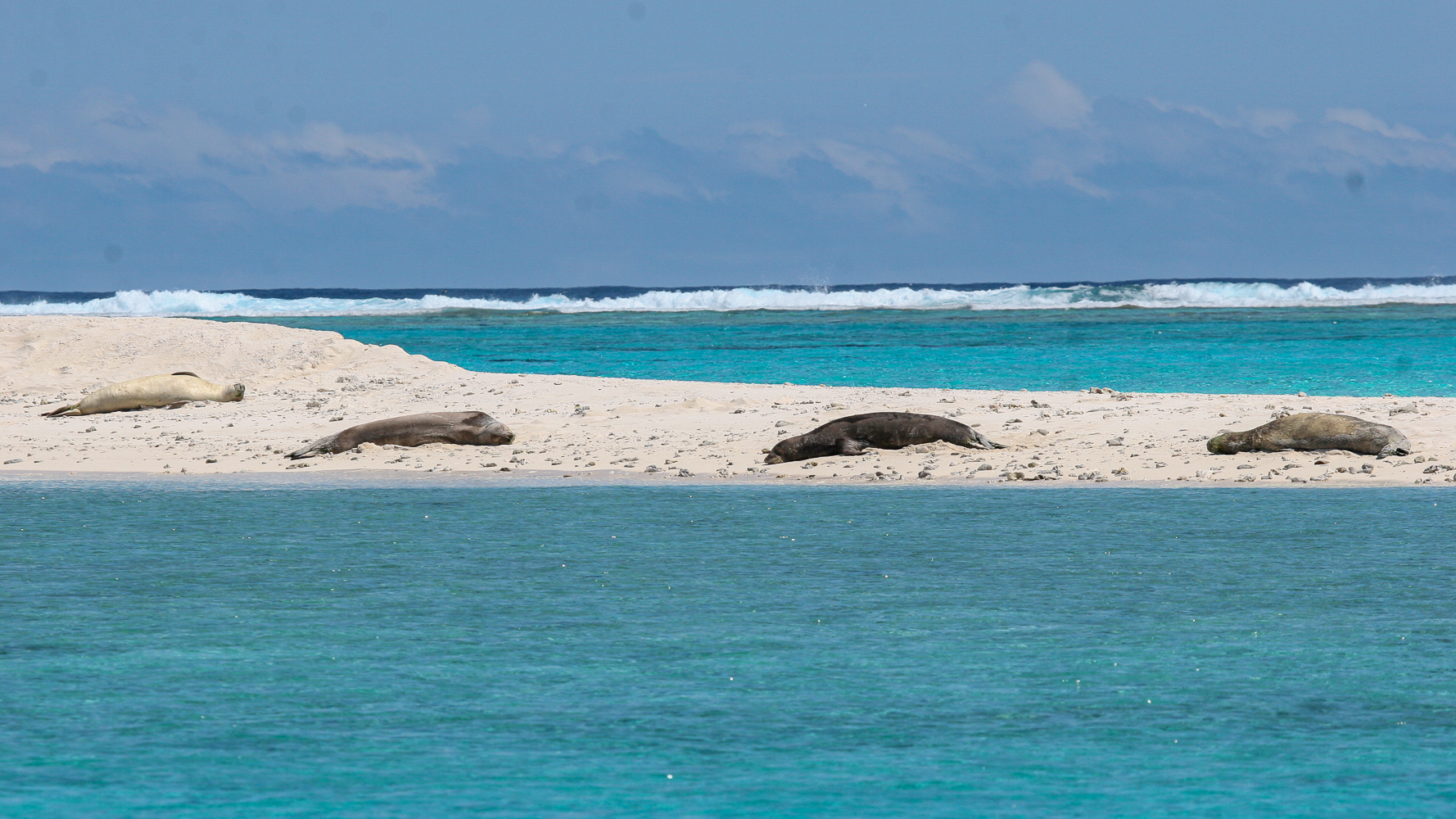
One of the most endangered seals in the world, found only in Hawaiʻi, with about 110 living on Hōlanikū.
| Status in Hawaiʻi | Endemic |
|---|---|
| Federally listed | Endangered (1976) |
| State listed | Endangered |
| IUCN Red List | Endangered |
Species Information
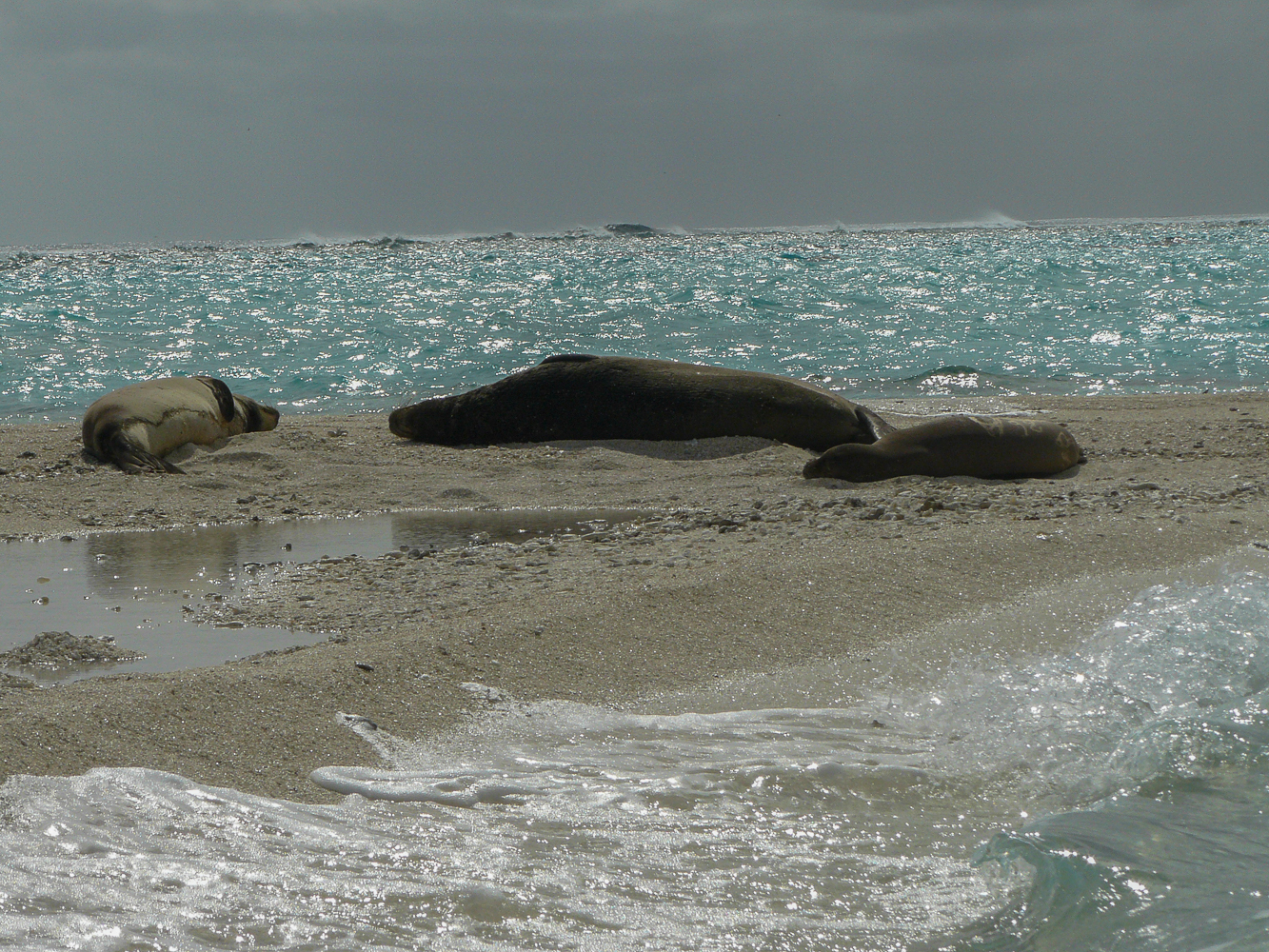
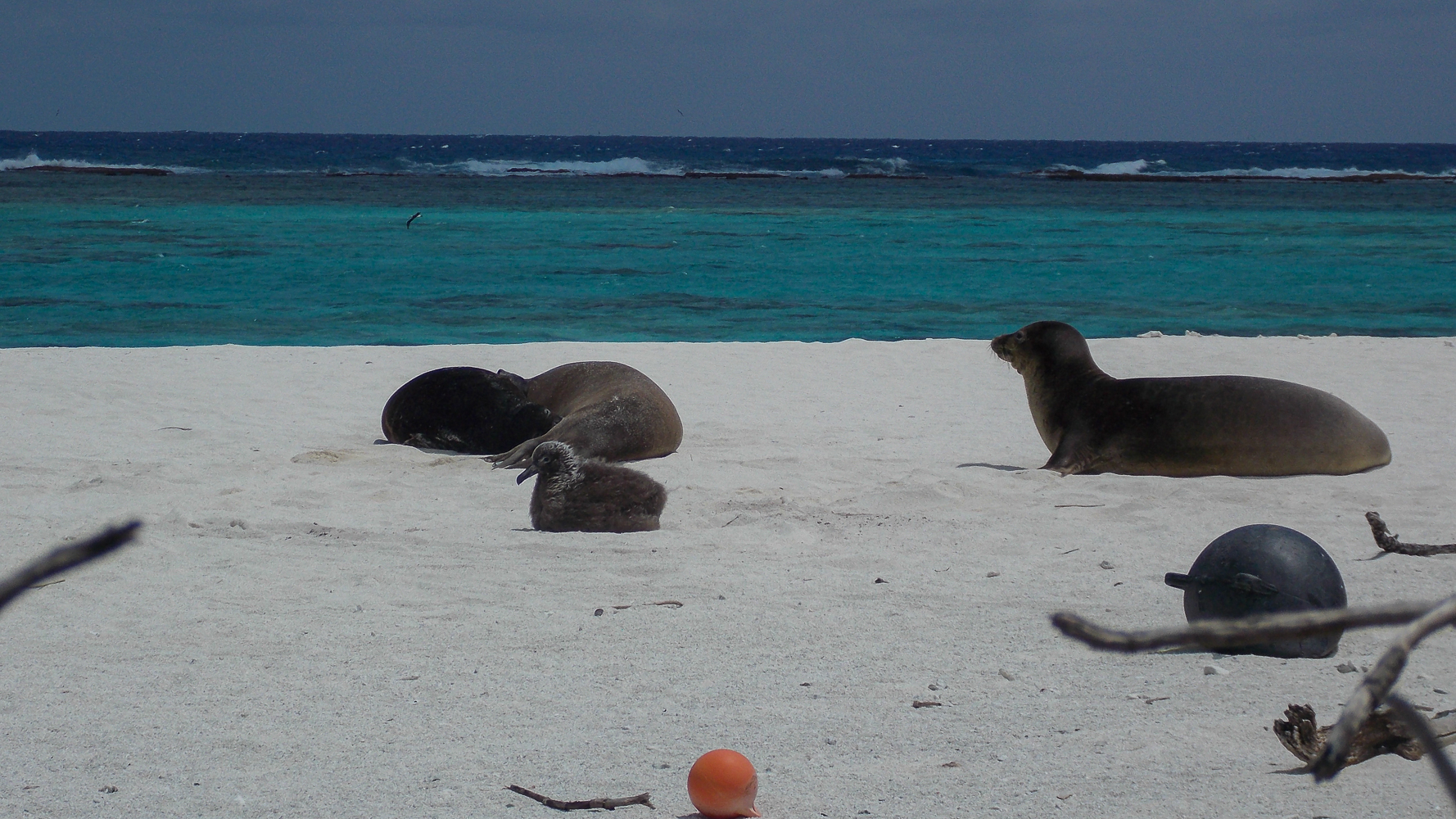
The ʻīlioholoikauaua, or Hawaiian monk seal, lives only in the Hawaiian Islands. Its Hawaiian name means "dog that runs in rough water." It is one of only two monk seal species left in the world. The other is the Mediterranean monk seal (Monachus monachus), which lives in the Mediterranean Sea and the eastern Atlantic and is even rarer. A third species, the Caribbean monk seal, was declared extinct in 2008. In 2014 scientists placed the Hawaiian and Caribbean monk seals in their own genus, Neomonachus, leaving the Mediterranean monk seal in Monachus.
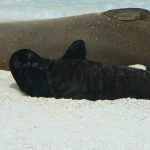
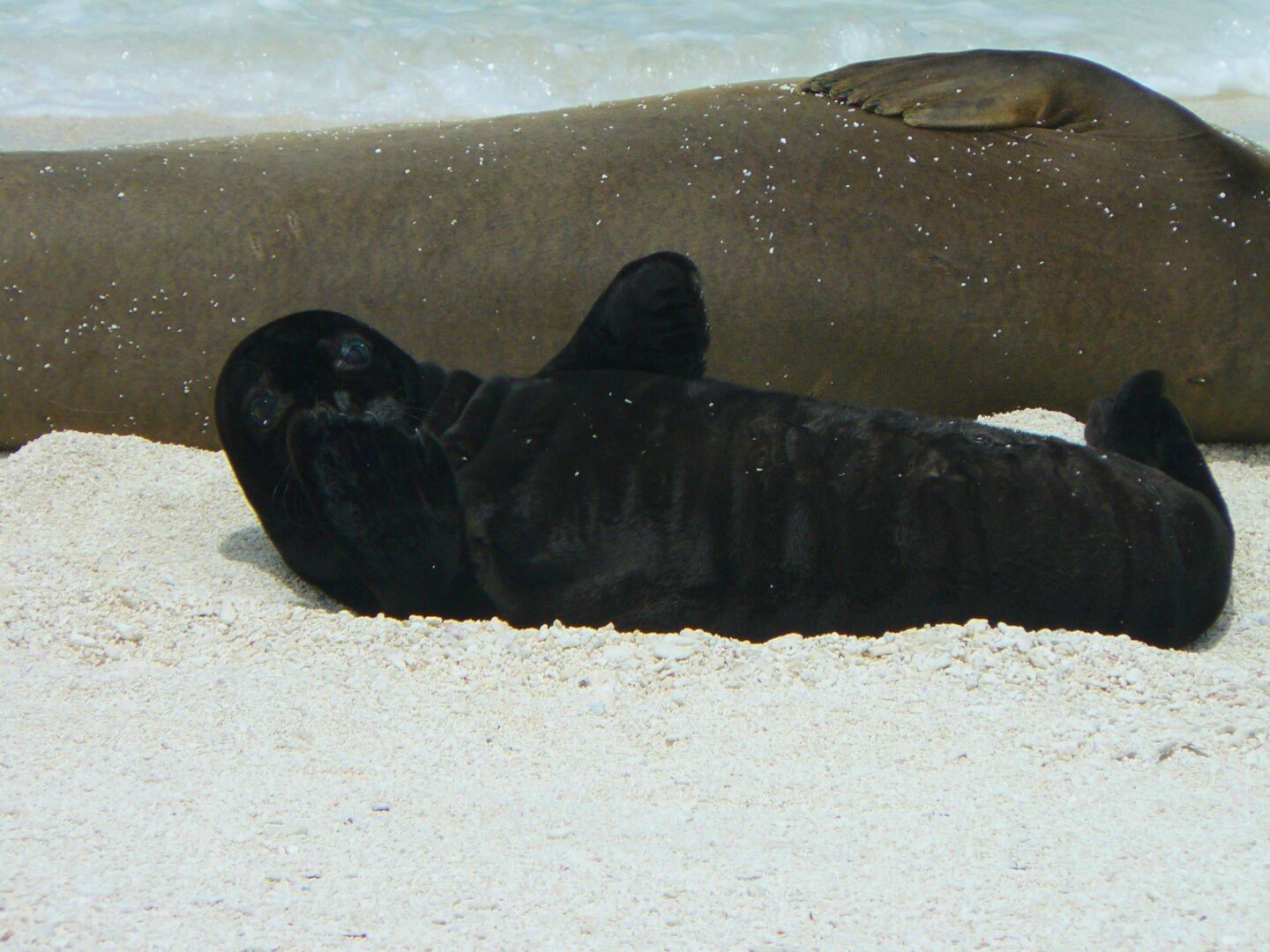
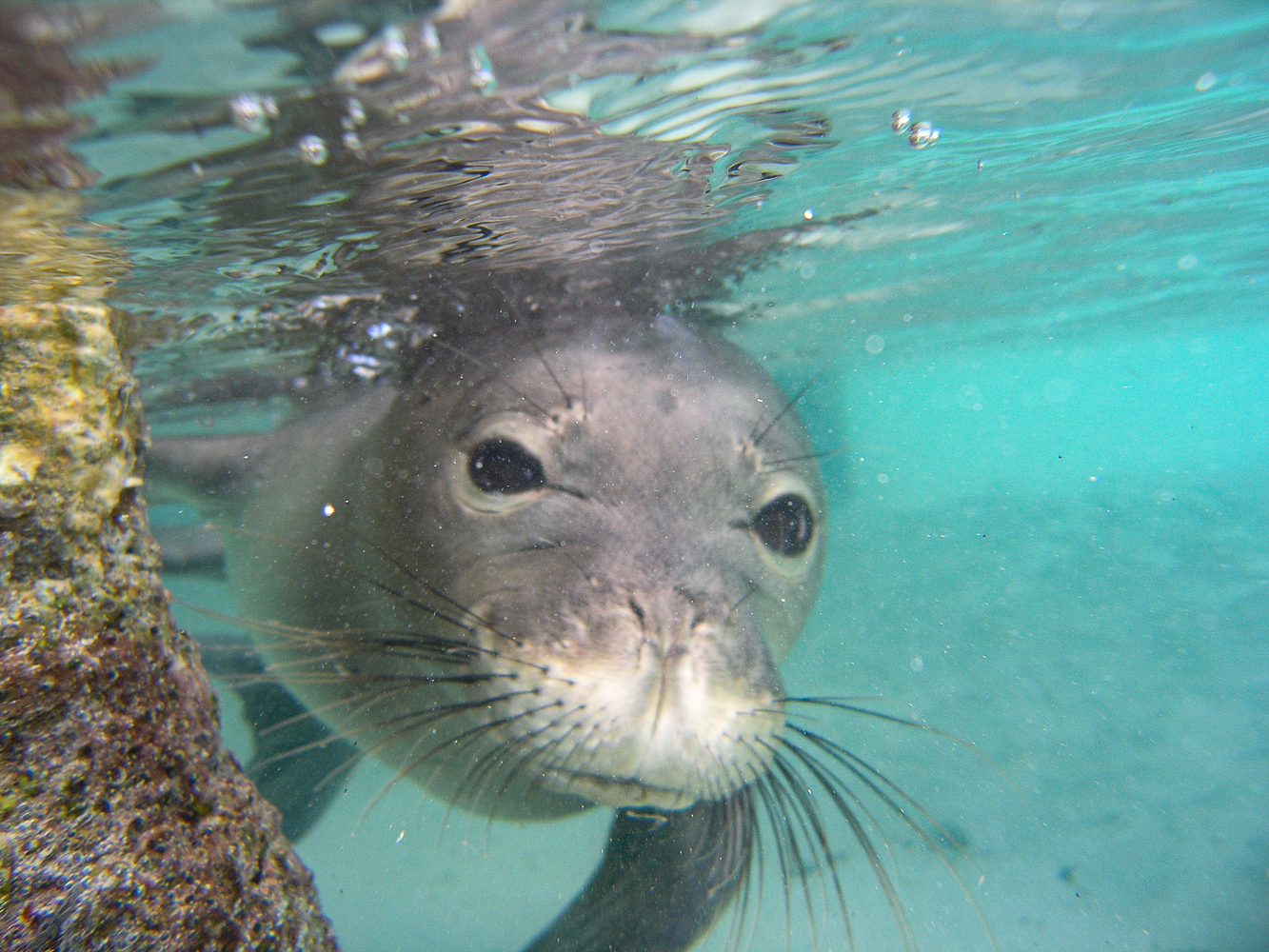
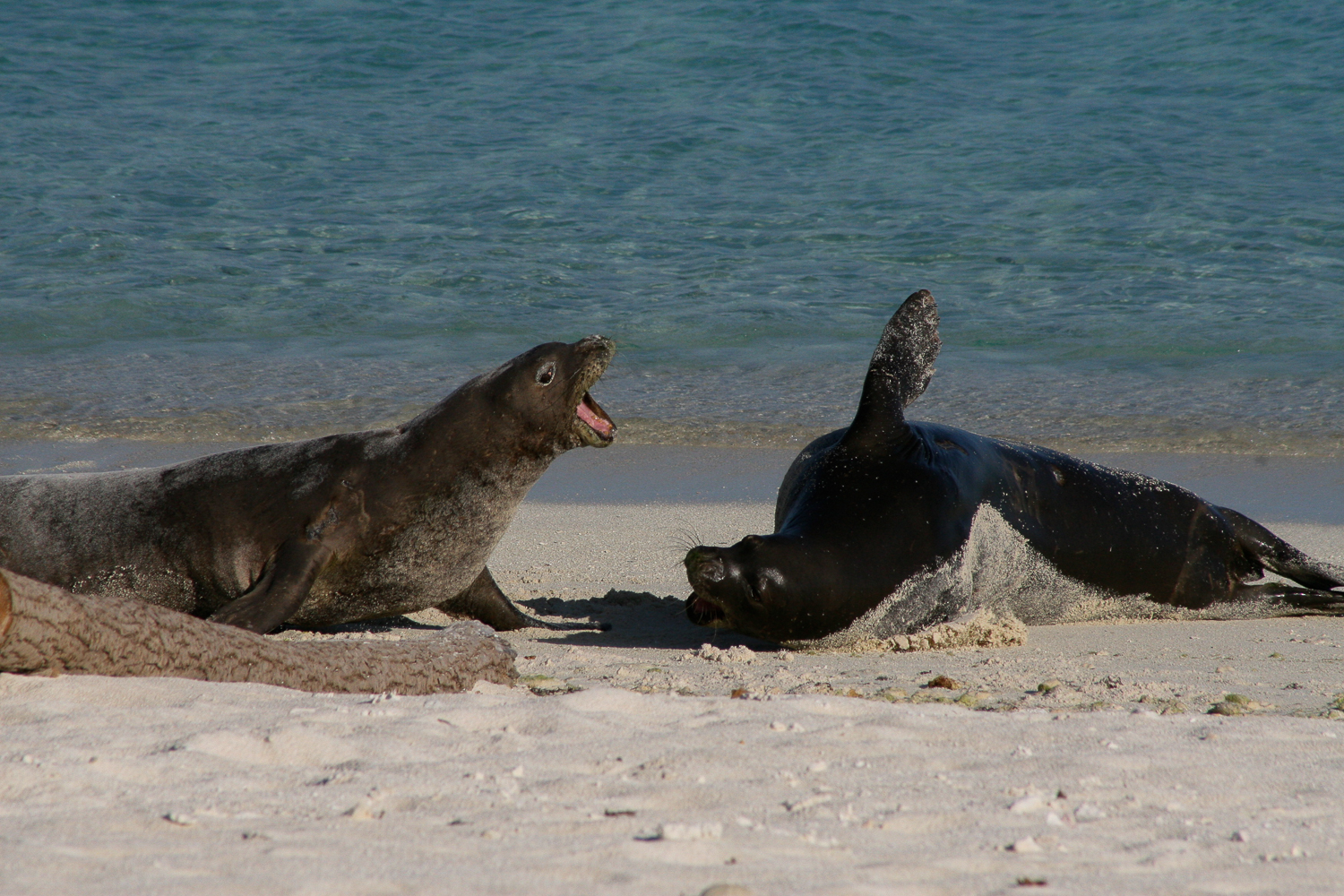
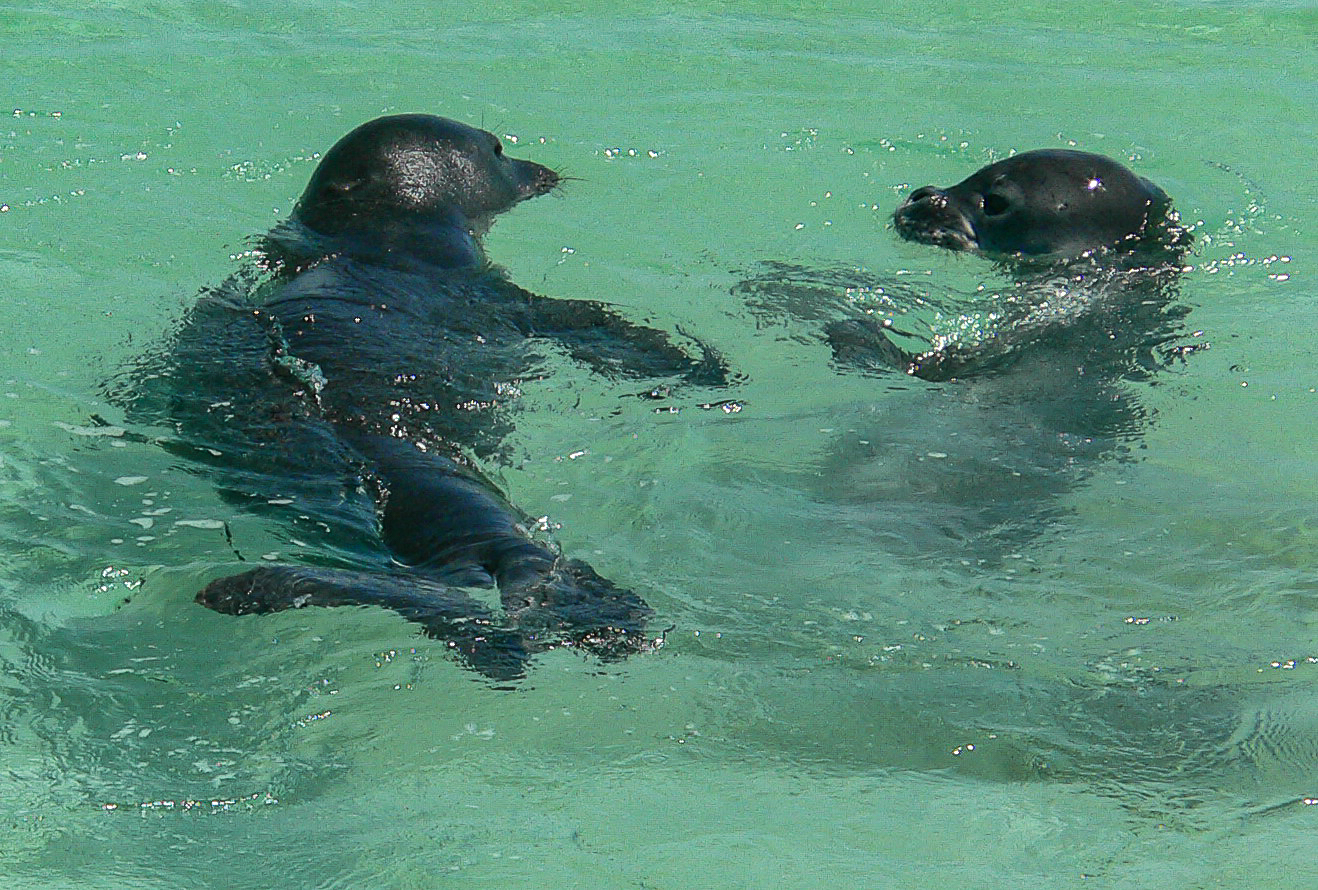
Adults grow to about 7 feet long and up to about 600 pounds, and females are slightly larger than males. Adults are silvery gray to brown above and paler below, and many carry scars from sharks and from courtship. Pups are born black and turn silver gray after they molt at weaning.
Foraging & Pupping
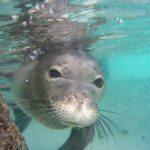
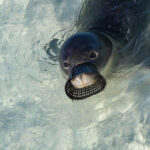
Monk seals hunt on the sea floor for fish, eels, octopus, squid and lobster. Most dives are shallow, but they can feed several hundred feet down on deep reef slopes.
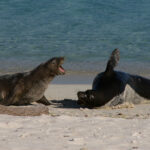
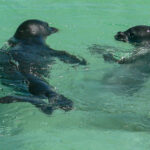
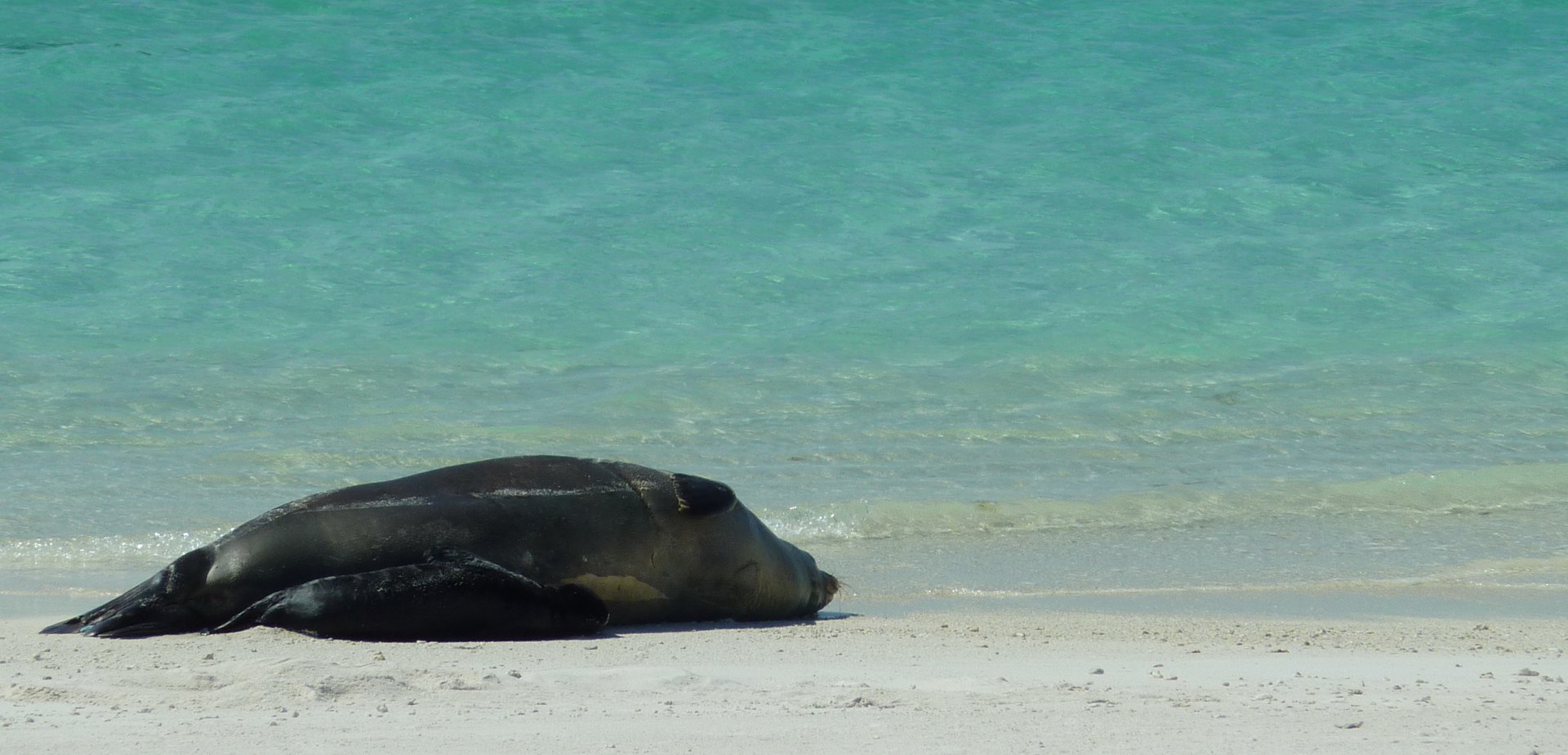
On Hōlanikū most pups are born from late winter through summer. The mother stays with her pup for five to seven weeks without eating, then leaves it on the beach. The weaned pup, or "weaner," must then learn to forage on its own, and its first year is the hardest.
Distribution & Abundance
Monk seals live throughout the Hawaiian archipelago, from Hōlanikū to Hawaiʻi Island. NOAA estimates the population at about 1,600 seals: nearly 1,200 in Papahānaumokuākea and about 400 in the main Hawaiian Islands. After more than 50 years of decline, the population has been increasing since about 2013.
Hōlanikū is one of the main breeding sites in Papahānaumokuākea. NOAA estimated 112 seals here in 2024, including 21 pups.
Conservation Actions
The Hawaiian monk seal has been listed as endangered under the federal Endangered Species Act since 1976 and is also protected by State law and the Marine Mammal Protection Act. NOAA Fisheries leads recovery through its Hawaiian Monk Seal Research Program.
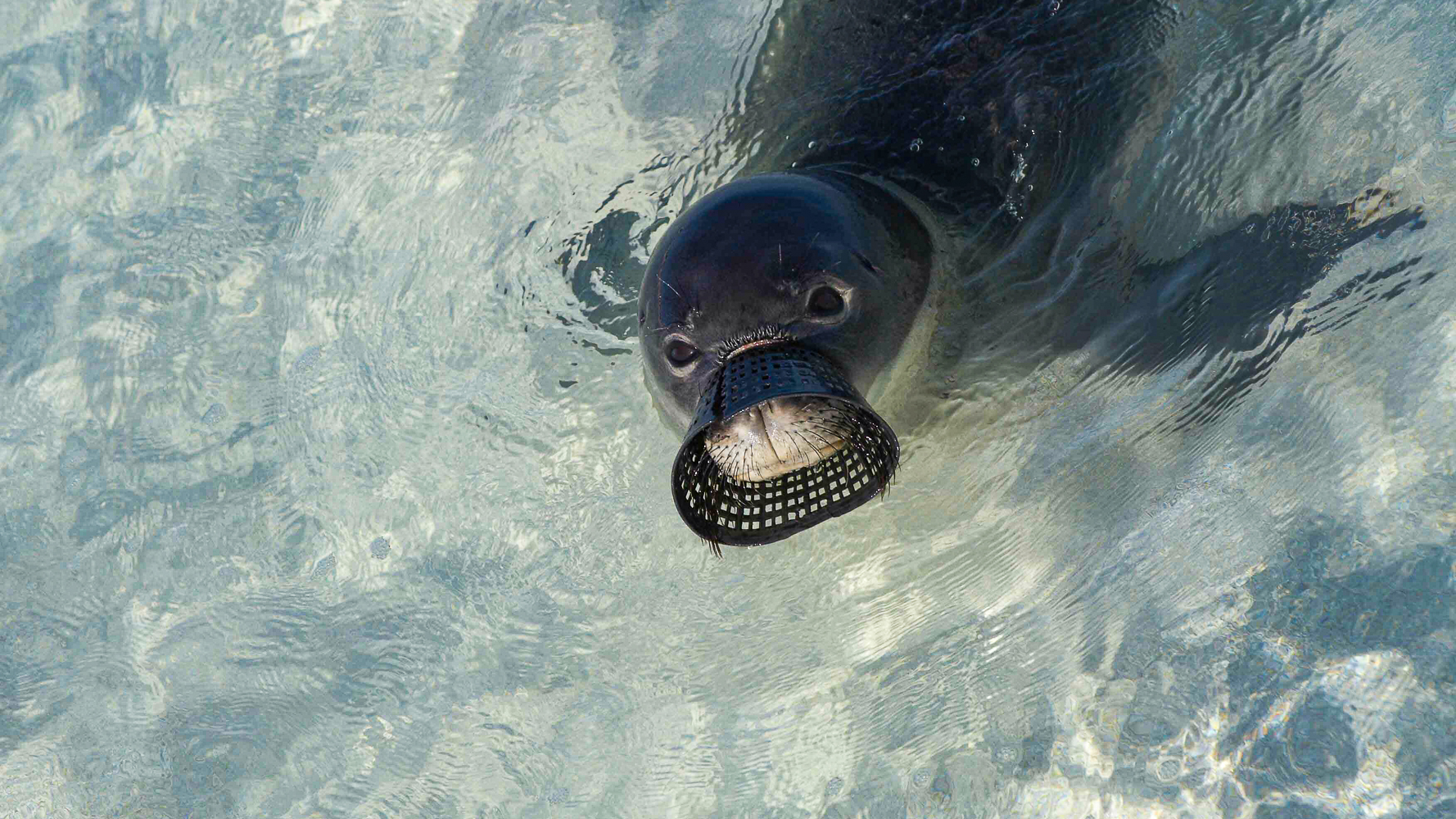
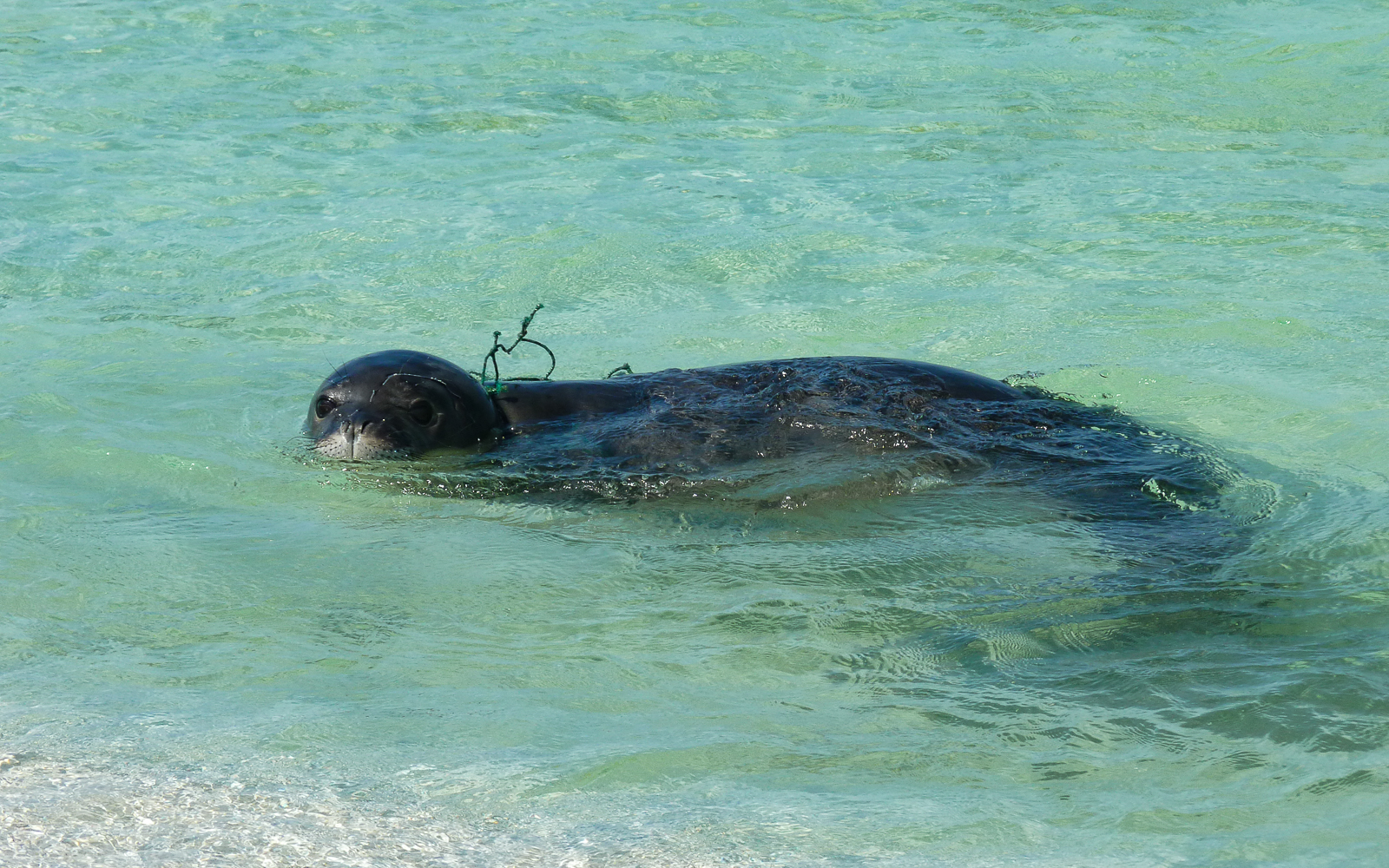
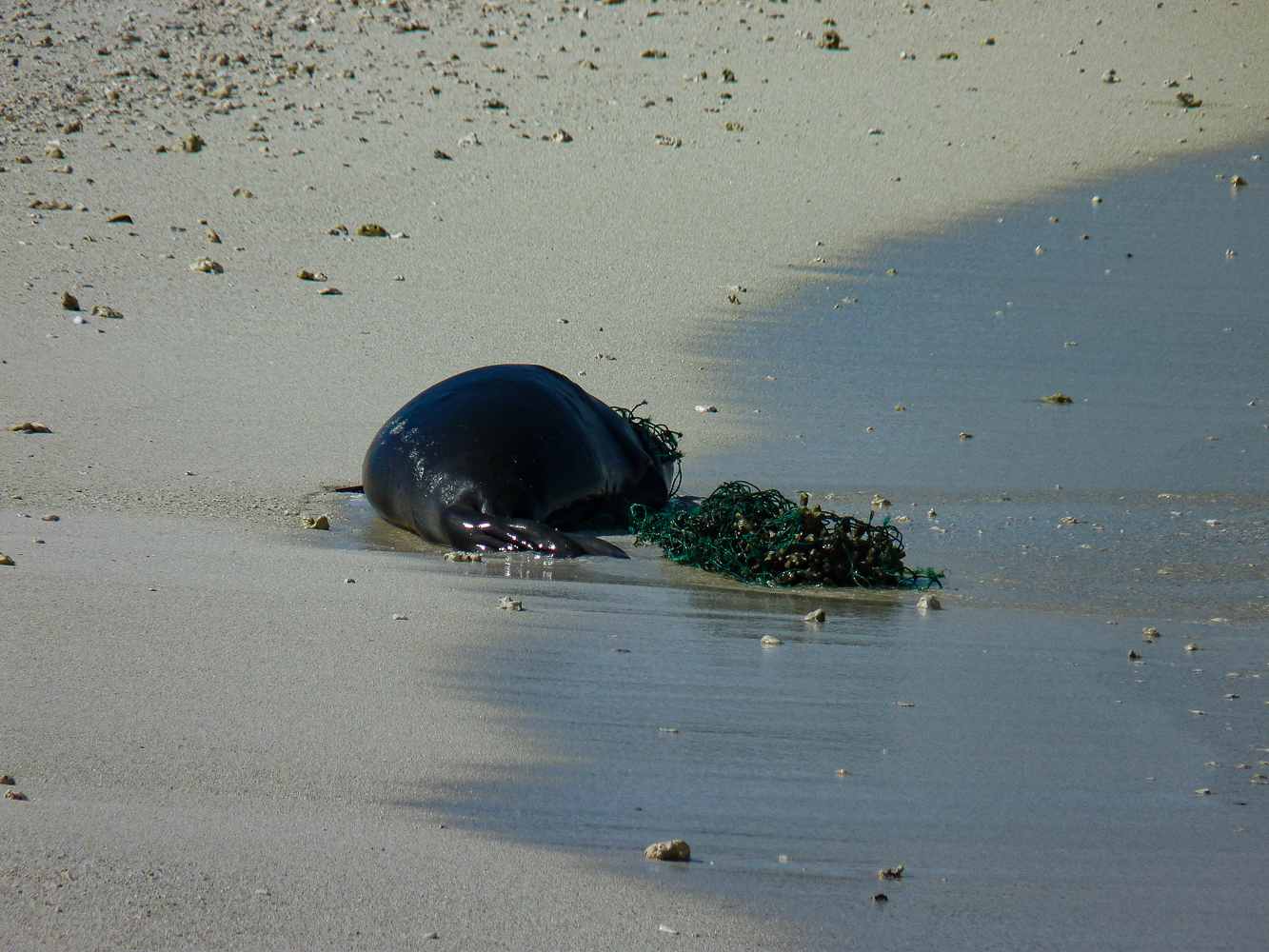
On Hōlanikū, most monk seal surveys are done by KAC/DLNR crews. Crews document mothers and pups, injured and entangled seals, and weaned pups, and they help NOAA teams tag weaners each year. Removing marine debris from beaches and reefs, and cutting seals free of nets and line, are among the most direct ways crews help. In 2024 two nursing pups that had become separated were reunited with their mothers here.
Current Threats
Young seals face the greatest risks: not finding enough food, shark predation and entanglement in derelict nets and fishing line. Rising seas and storms are washing away the low sandy beaches where mothers give birth. In the main Hawaiian Islands, seals are also harmed by fishing hooks, disease and disturbance by people and dogs.
On Hōlanikū
Hōlanikū has long been one of the six main breeding sites for monk seals in Papahānaumokuākea. From 1981 into the early 1990s, NOAA's Head Start Project raised weaned female pups in a protected pen on Hōlanikū, and young females rehabilitated from other islands were released here to help the population recover. None of those seals are still alive. Some of their offspring may still be part of the colony, but monitoring at the time was too limited to trace family lines.
Since 2005, yearly pup counts on Hōlanikū have ranged from about 13 to 23. KAC/DLNR crews counted 18 pups in 2025. In 2026, 23 pups had been born by late June (preliminary count), the same as in 2005. Crews tagged 12 weaned pups that season. One weaner caught in monofilament line freed itself while the crew was getting ready to help.
Learn more
NOAA Fisheries leads monk seal recovery across Hawaiʻi and shares population updates and field season news.
2025 field season
Highlights from the 2025 monk seal and sea turtle season in Papahānaumokuākea, including pup counts for each island.
Respecting wildlife
Protected on Hōlanikū
All wildlife on Hōlanikū is protected. The island is the Kure Atoll State Wildlife Sanctuary, inside Papahānaumokuākea Marine National Monument and National Marine Sanctuary, and entry is allowed only by permit. KAC/DLNR work on Hōlanikū is done under the Papahānaumokuākea co-managers' permits, along with other permits where needed, such as NOAA Fisheries permits for monk seal and sea turtle work and federal bird banding permits.
About our photos
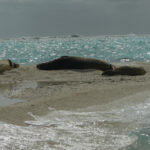
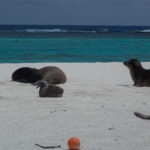
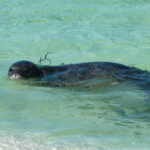
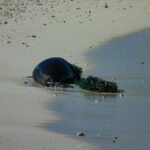
Photos and video on this site were taken by permitted crews and partners during research and management work, usually from a distance with zoom or telephoto lenses so animals are not disturbed. Close-ups of animals being handled show permitted work such as banding, tagging, rescue or disentanglement.
Seeing marine animals elsewhere in Hawaiʻi
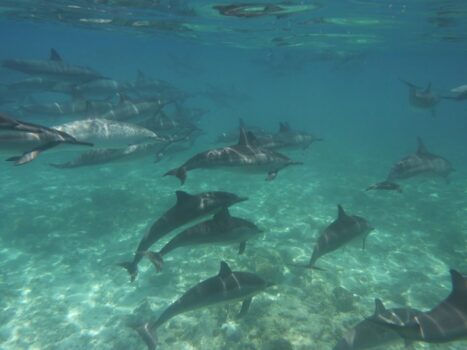
- Keep your distance: at least 10 feet from honu, 50 feet from monk seals (150 feet from a mother and pup), 50 yards from spinner dolphins and 100 yards from humpback whales. The dolphin and whale distances are federal law.
- Never touch, chase, feed or swim with them, and keep visits short.
- Use binoculars or your camera's zoom for a closer look, and don't fly drones near wildlife.
- Keep dogs on a leash on beaches.
- Report injured, entangled or stranded animals to the NOAA Marine Wildlife Hotline at 888-256-9840.
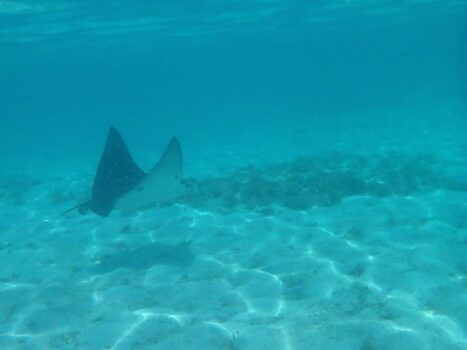
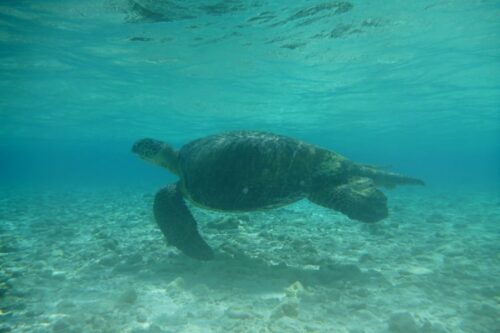
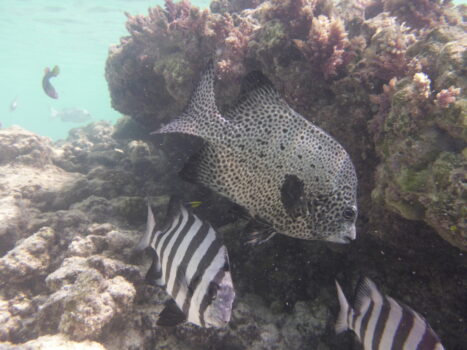
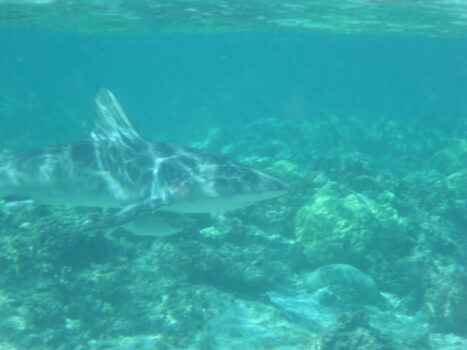
More marine life of Hōlanikū
Help protect native habitat on Hōlanikū
KAC/DLNR field crews monitor wildlife and restore habitat year-round. Your support keeps them on the island.