
Ironwood
Casuarina equisetifolia
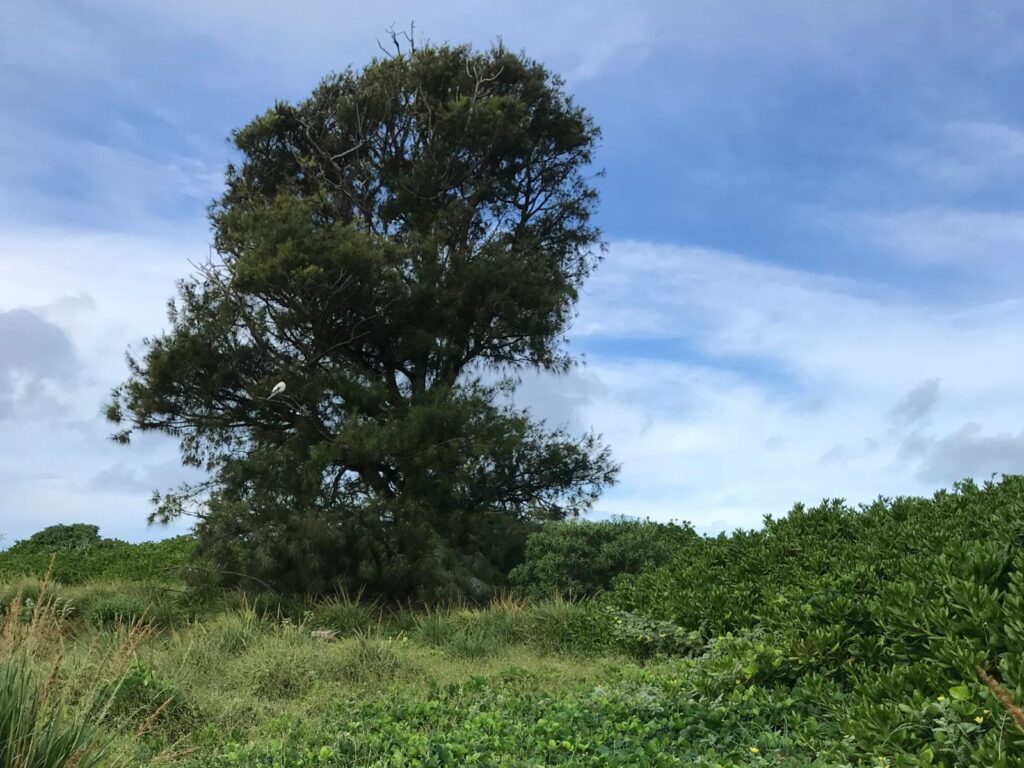
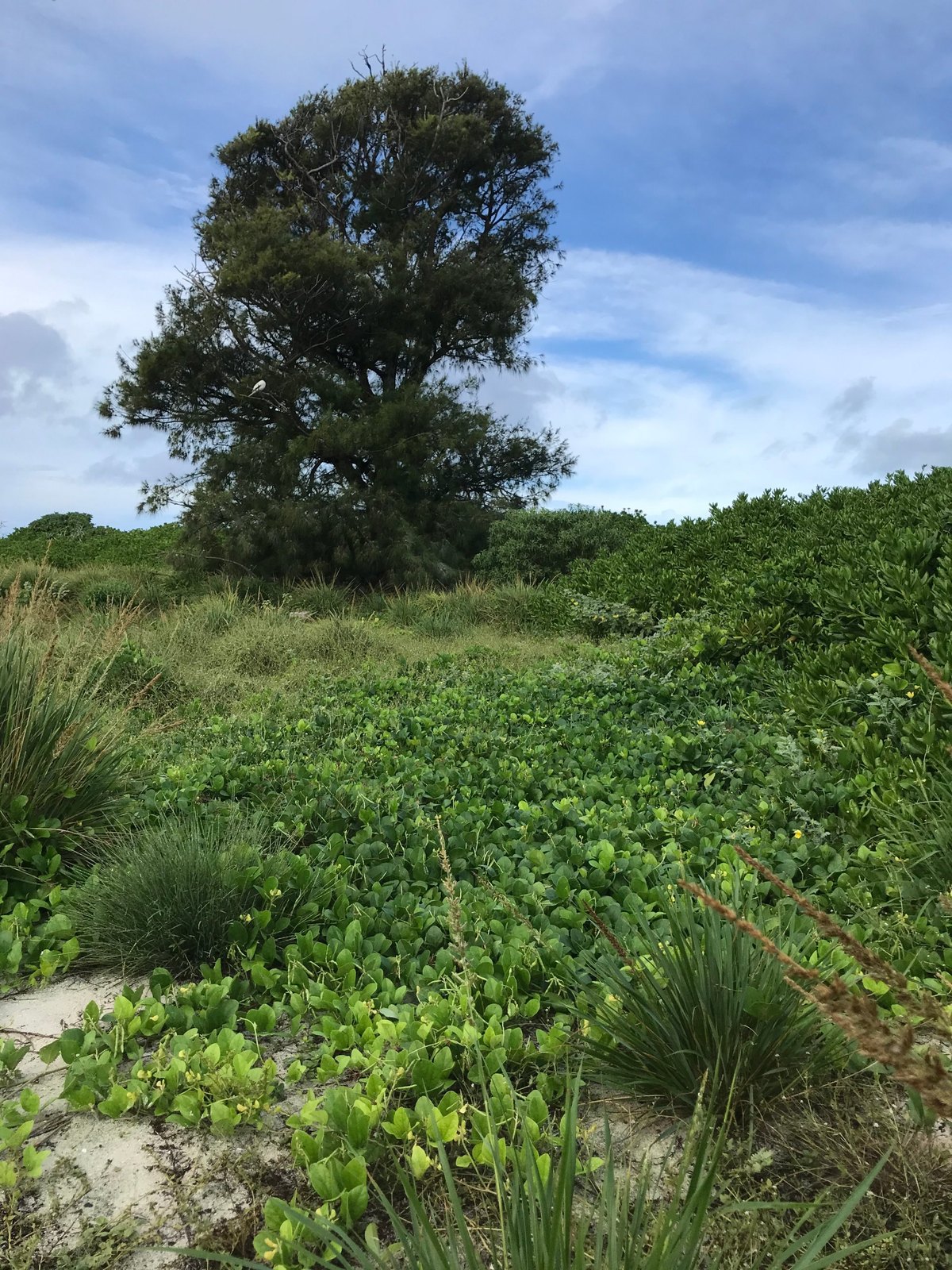
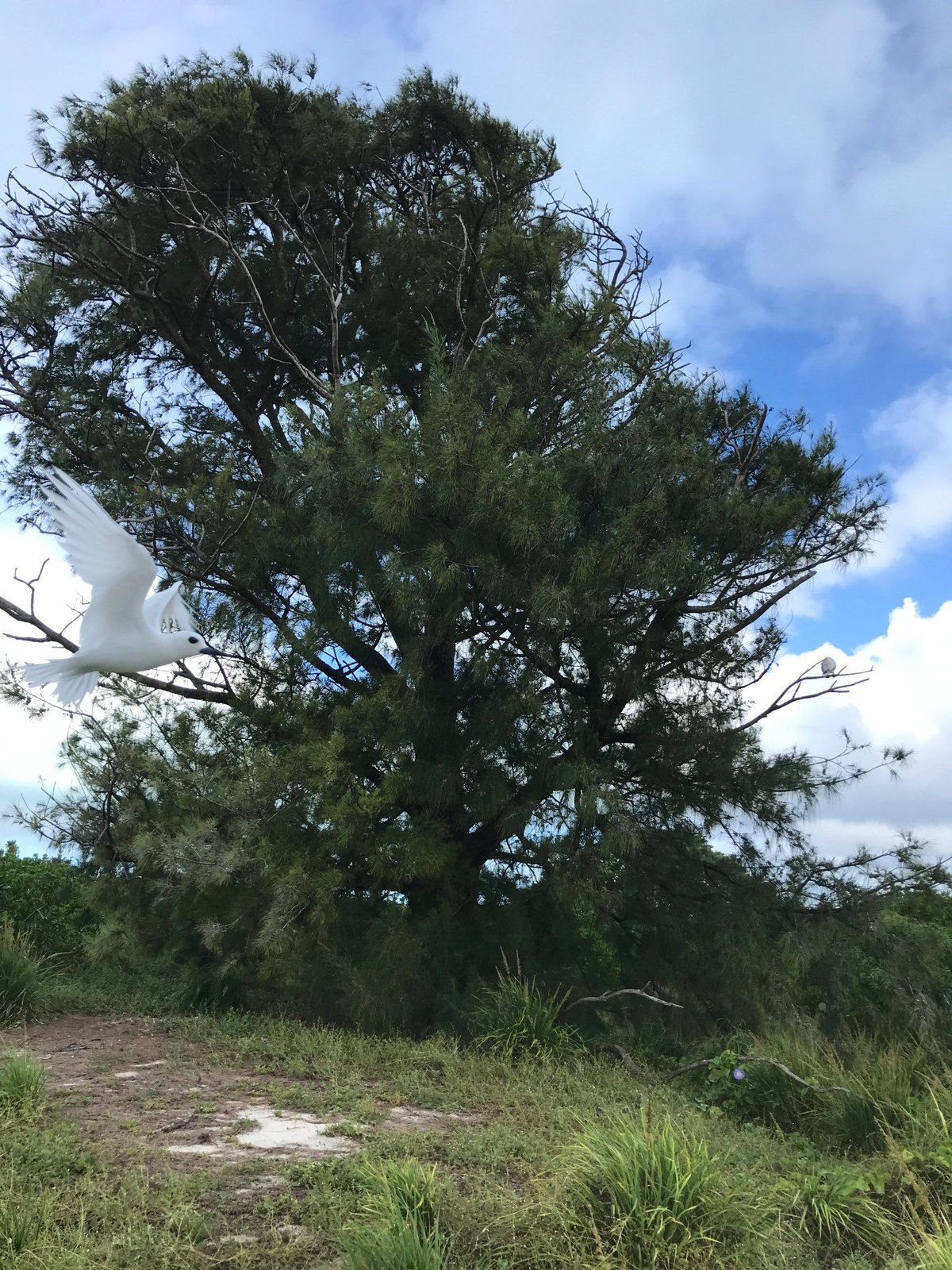
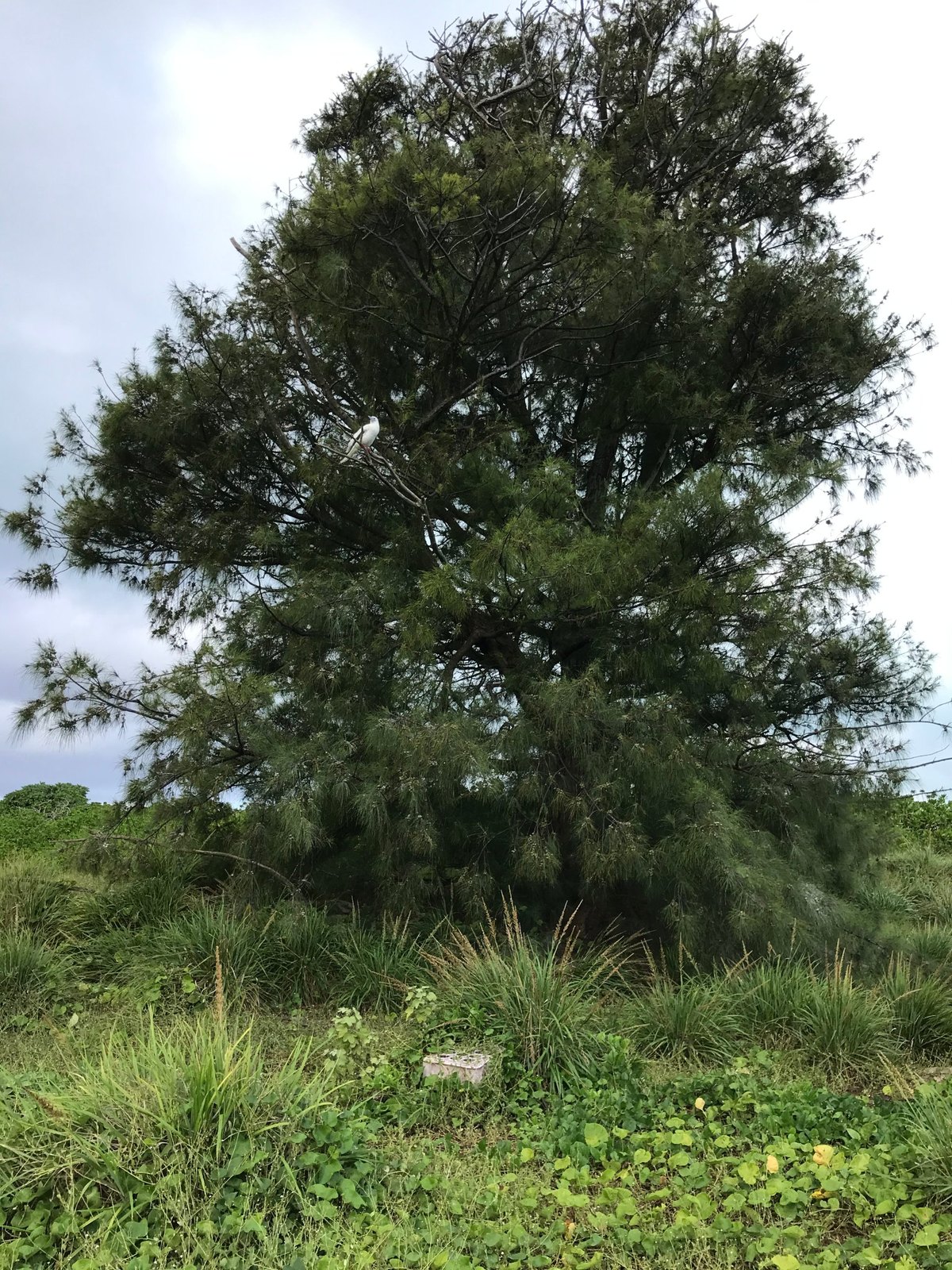
Once a grove of more than 30 trees, ironwood is now down to a single tree on Hōlanikū. Boat crews use it as a landmark, so it is known as the Navigation Tree.
| Origin | Native to Australia, Southeast Asia and some Pacific islands |
|---|---|
| On Hōlanikū | Introduced; one tree remains |
| Management | Last tree kept as a navigation landmark; seedlings removed |
About this tree
Ironwood (Casuarina equisetifolia), also called common ironwood or Australian pine, is a fast-growing tree that looks like a pine but is not related to one. What look like needles are thin, jointed green twigs. The true leaves are reduced to tiny teeth around each joint.
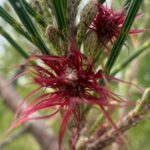
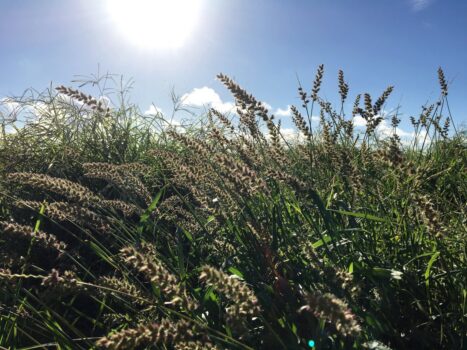
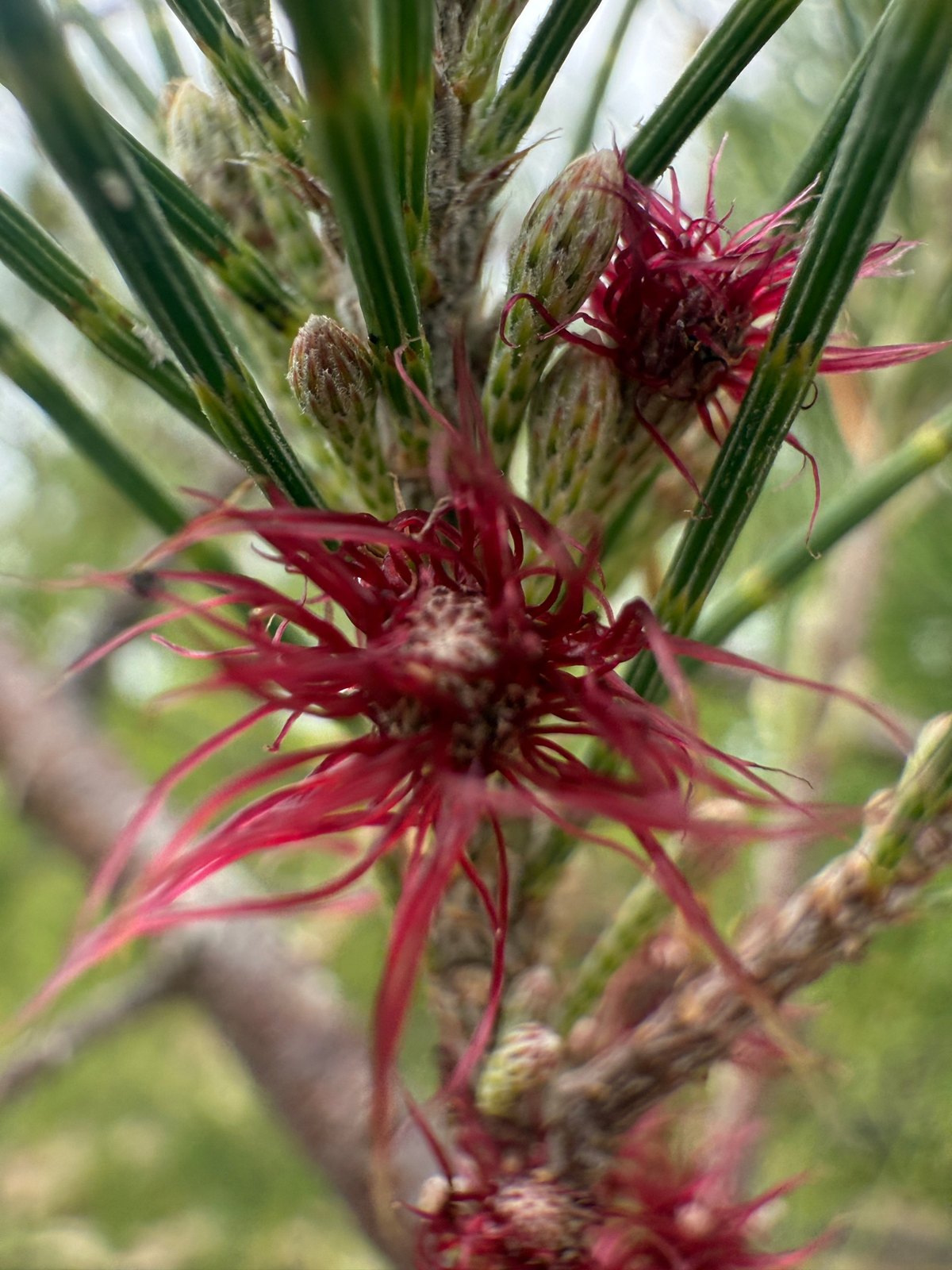
The tree is wind-pollinated. Female flowers form small clusters of red, thread-like stigmas. They develop into woody, cone-like fruits that release small winged seeds. Ironwood tolerates salt spray and poor sand, and it drops a thick layer of needle-like twigs that can smother plants beneath it. It has been planted widely on Pacific islands for windbreaks and shade, and in many places it has spread into native coastal habitat.
Why it was removed
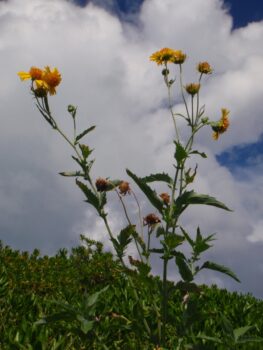
A 2001 botanical survey of Kure Atoll ranked ironwood among the three most invasive plants on the atoll, along with golden crownbeard (Verbesina encelioides) and sandbur (Cenchrus echinatus). The trees crowded out native plants, and they stood in the way of mōlī and other albatross landing and taking off.
After the State took over management of Hōlanikū, DLNR crews removed the trees. In October 2008 they cut all 30 ironwoods in camp, which ranged from 10 to 30 feet tall, and four more at the east end of the runway and in the northwest dunes. They treated the stumps so the trees would not resprout. They chose October because mōlī, noddies and white terns are not nesting then, and they marked shearwater burrows beforehand so the crew could avoid them. Until then, the camp trees had been a night roost for hundreds of ʻiwa.
In June 2010 a U.S. Fish and Wildlife Service biologist cut the three largest remaining trees, which stood 40 to 70 feet tall on the west side of the island. Two of them were estimated to be about 50 years old. The trunk of one was hollowed out by a big-headed ant colony. Crews moved white tern chicks and mōlī chicks out of the way and returned them afterward.
The Navigation Tree
One tree was left standing in 2010. Black noddies had four active nests in it, and ship captains and small boat coxswains with NOAA and the Coast Guard asked that it be kept as an aid to navigation. Small boats launched from ships outside the southwest opening of the reef follow a heading on the tree to find a safe route through the reef to the island. Field reports first called it the "Navigator's Tree," and today crews call it the Navigation Tree.
Earlier reports recommended eventually replacing it with a native tree. For now there is no plan to remove it. Black noddies have nested in it over the years, and white terns and red-footed boobies perch in its branches.
Management today
Ironwood seeds can sprout far from the parent tree, so crews watch for seedlings during weed surveys and pull any they find. Over the years single seedlings have turned up on the runway, in the southwest dunes and on Radar Hill.
The ground around the Navigation Tree has become one of the most successful native planting sites on Hōlanikū. Since about 2010, crews have planted the open area around the tree, ringed by naupaka, with kāwelu, dwarf eragrostis, nohu, maʻo, naio, ʻanaunau, ʻiliahi a loʻe, ʻōhelo kai and nanea. Many of these plants now flower and set seed there, and crews collect seed from the site for the nursery.
Invasive plant program
How KAC/DLNR crews find and remove invasive plants on Hōlanikū.
Restoring native plants
How crews grow native plants in the nursery and plant them out across the island.
Help clear invasive species from Hōlanikū
KAC/DLNR field crews monitor wildlife and restore habitat year-round. Your support keeps them on the island.