
Nuisance algae
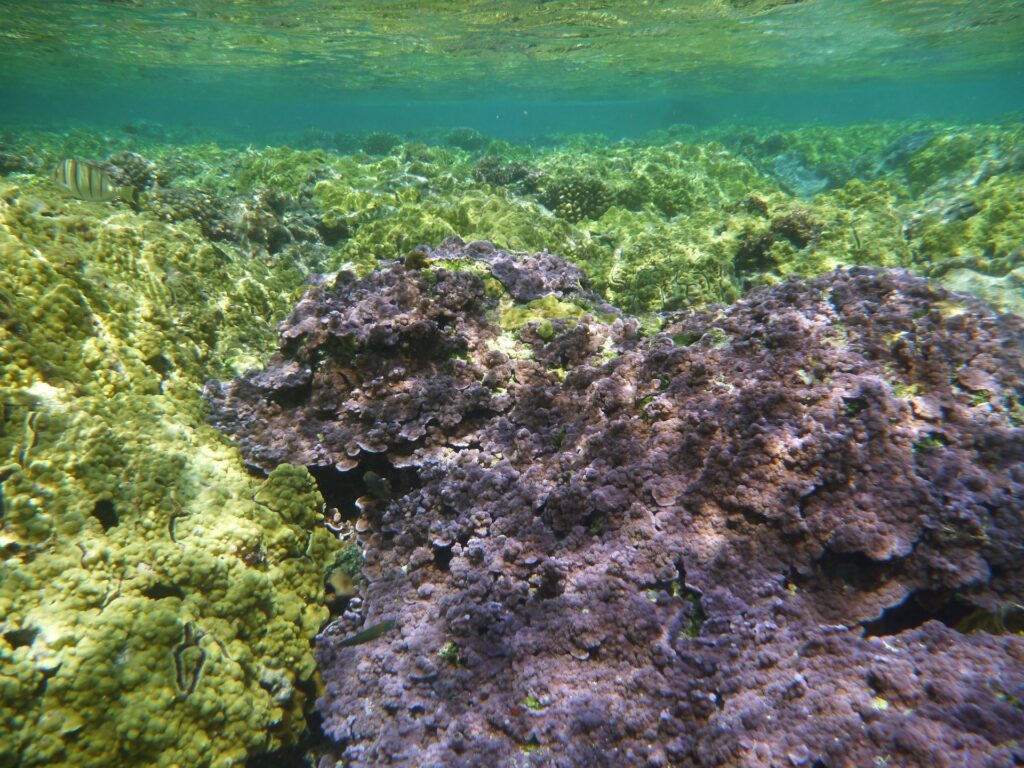
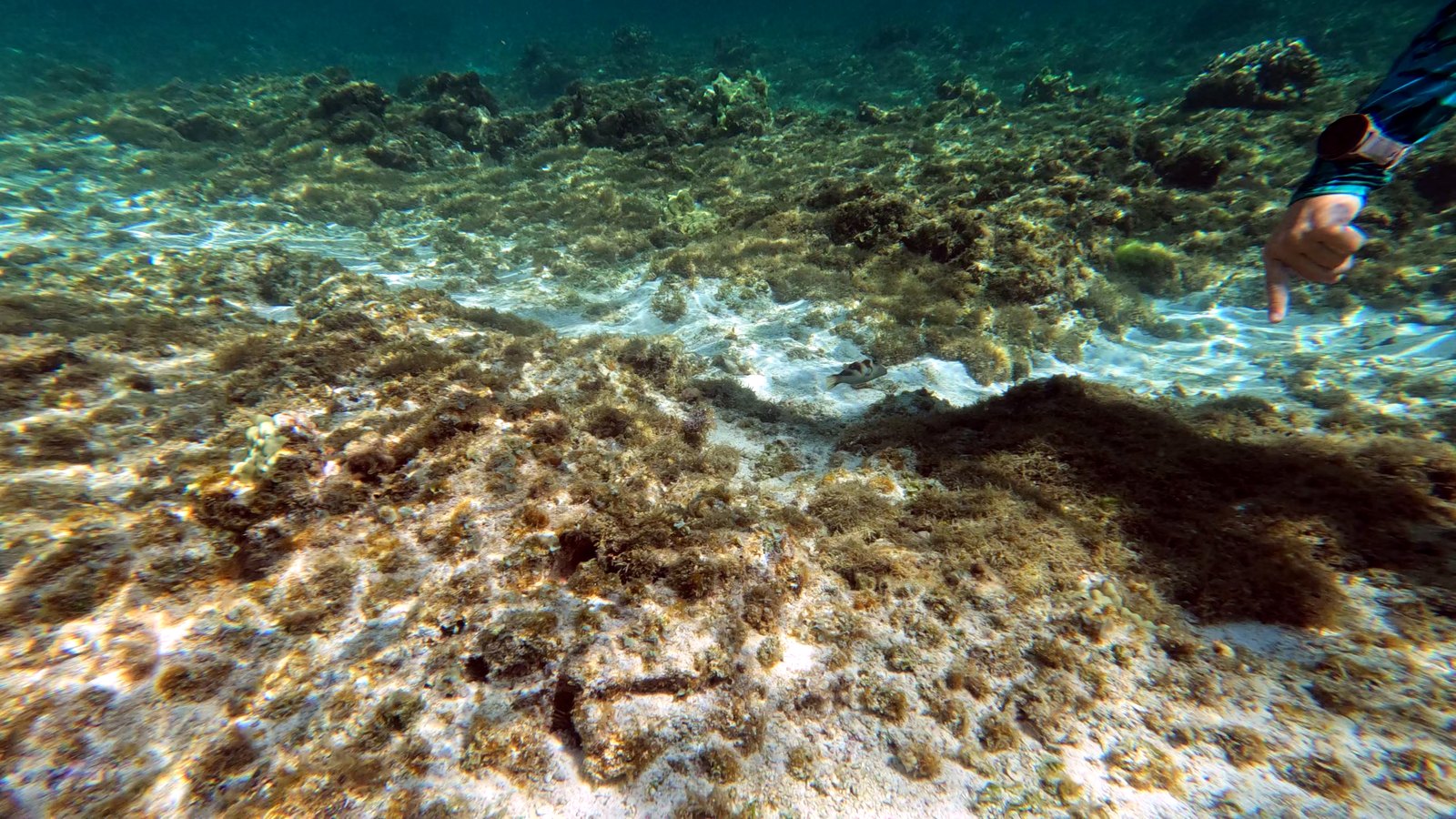
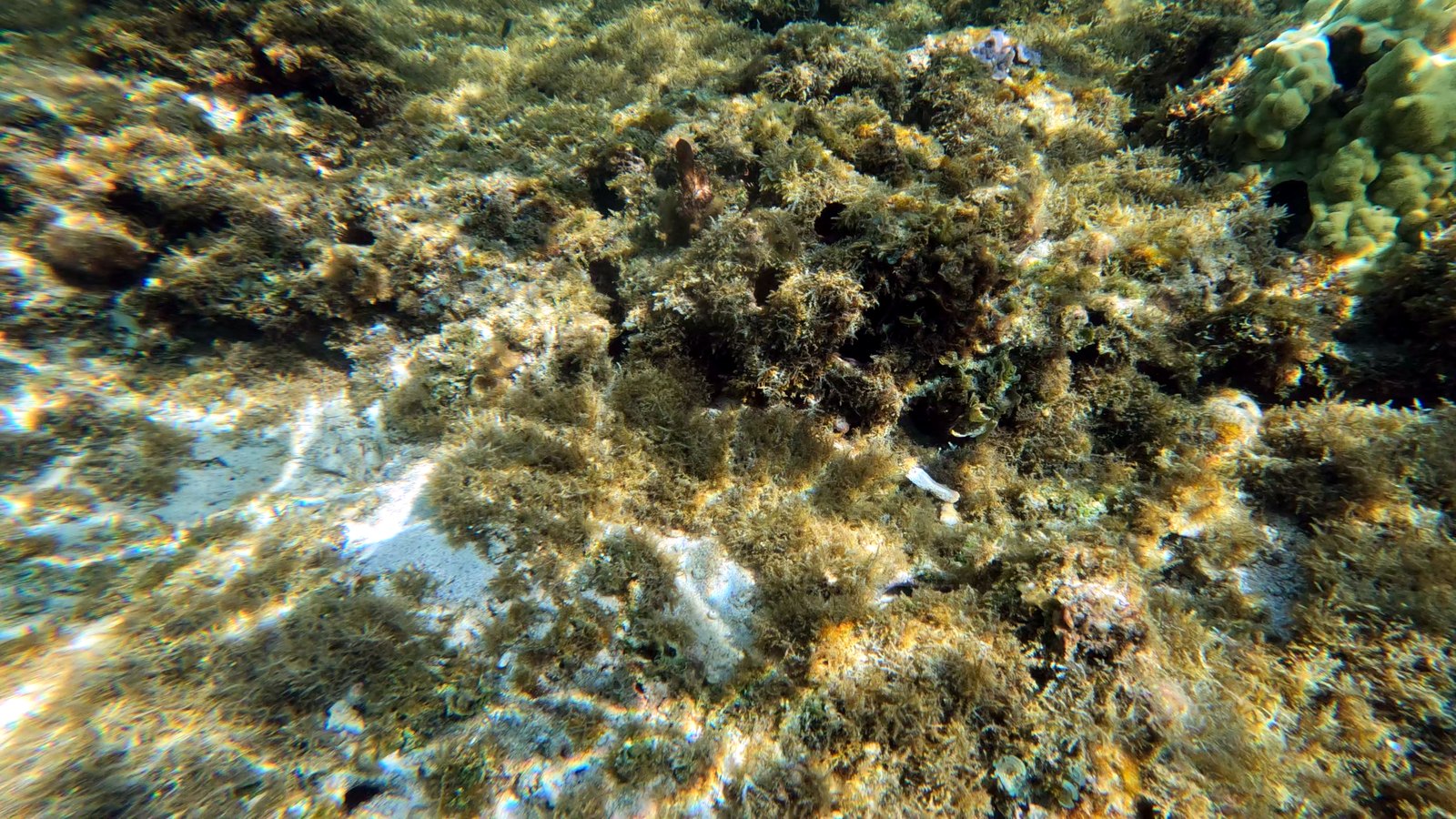
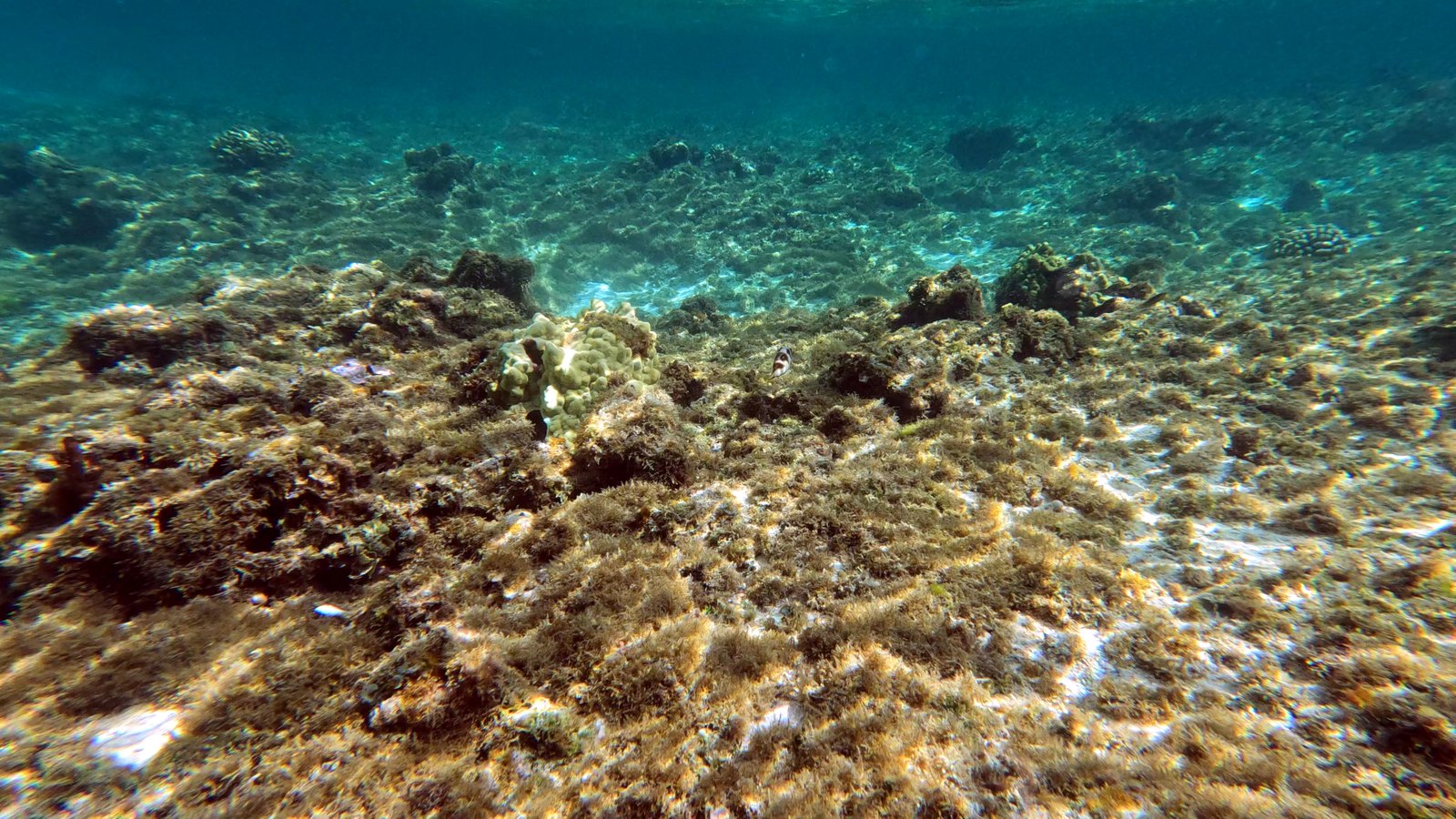
A mat-forming red alga now found at Hōlanikū could smother parts of the reef, and strict cleaning rules aim to slow its spread. Shown here: healthy Hōlanikū reef with purple rice coral, the kind of habitat these rules protect.
| Main concern | Chondria tumulosa (red alga) |
|---|---|
| First found at Hōlanikū | 2023 |
| Also present at | Manawai (Pearl and Hermes) and Kuaihelani (Midway) |
| Prevention | Gear and boats cleaned between atolls |
Chondria tumulosa
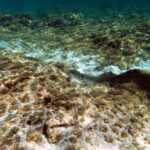
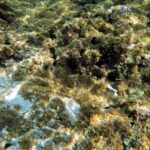
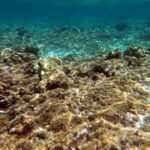
Chondria tumulosa is a red alga that grows in thick mats over coral and other reef life, smothering almost everything beneath it. NOAA divers first found it at Manawai (Pearl and Hermes Atoll) in 2016. By 2019 it formed mats of more than 100,000 square feet there, and it was found at Kuaihelani (Midway Atoll) in 2021.
In 2023 a research expedition made the first confirmed record of Chondria at Hōlanikū, so it is now known at all three of the northernmost atolls in Papahānaumokuākea. Where it came from is still a mystery, and in 2024 researchers detected its DNA in Majuro in the Marshall Islands.
Why it matters
The reefs of Papahānaumokuākea are among the most intact in the world, and many of their fish, corals and algae are found only in Hawaiʻi. A nuisance alga that spreads across the reef could crowd out native species and change the habitat that fish, honu and ʻīlioholoikauaua (Hawaiian monk seals) depend on. Once marine species are established, they are very hard to remove.
An unusual bloom in 2008
In 2008 the native green alga Boodlea composita bloomed on the reef at Hōlanikū, covering parts of it and washing up on the beaches. Boodlea is not introduced, but the bloom showed how quickly algae can take over when conditions change.
Preventing spread
Divers, boats and gear can carry tiny fragments of algae from one reef to another. Under Papahānaumokuākea biosecurity rules, dive gear, small boats and ship decks are cleaned and treated before moving between atolls, and researchers are developing environmental DNA tests that can detect Chondria from a water sample.
Learn more
NOAA on the 2023 expedition that confirmed Chondria at Hōlanikū.
Current Monument guidance
The Monument's best management practices, including BMP 020 on stopping the spread of nuisance alga, set the cleaning and disinfection steps for boats, dive gear and equipment.
Help clear invasive species from Hōlanikū
KAC/DLNR field crews monitor wildlife and restore habitat year-round. Your support keeps them on the island.