
Sandbur
Cenchrus echinatus
A spiny grass whose burs hitch rides on feathers, clothing and boots, and a priority target across Hōlanikū.
| Origin | Native to tropical America |
|---|---|
| On Hōlanikū | Invasive grass, priority target |
| Also called | Common sandbur, mauʻu kukū |
| Spread by | Spiny burs that stick to animals and people |
About this plant
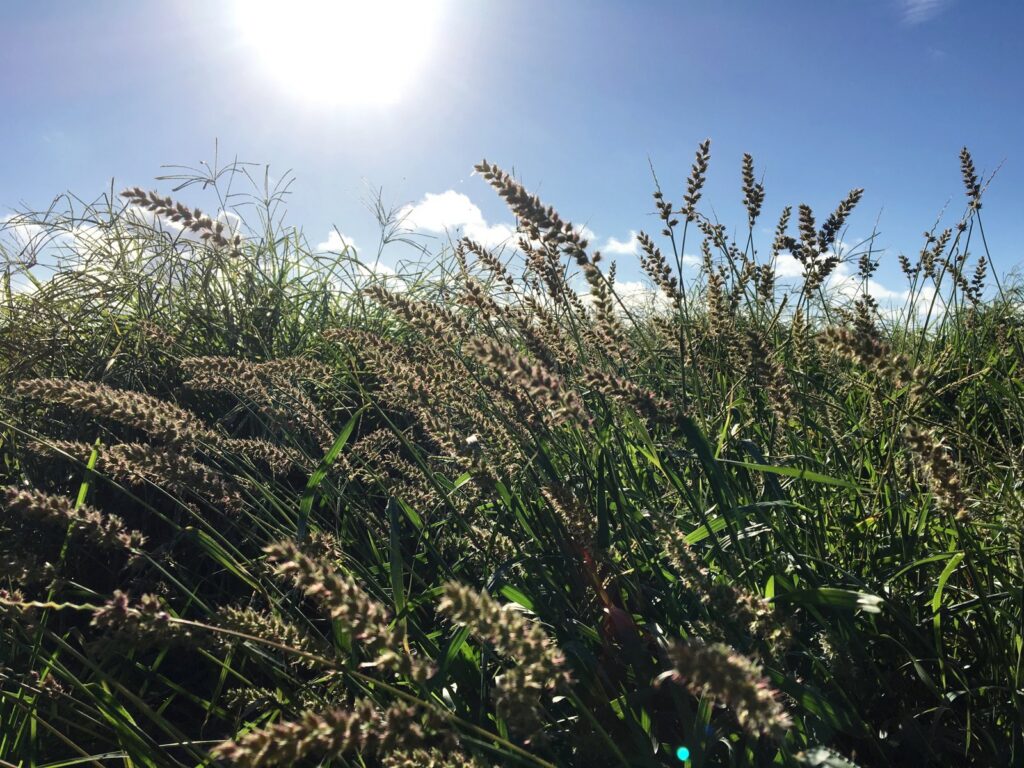
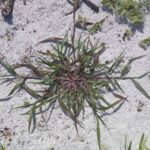
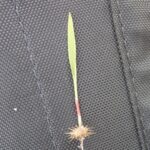
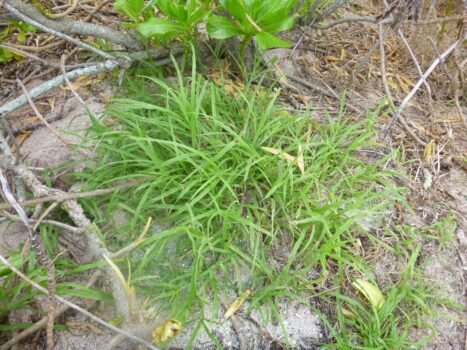
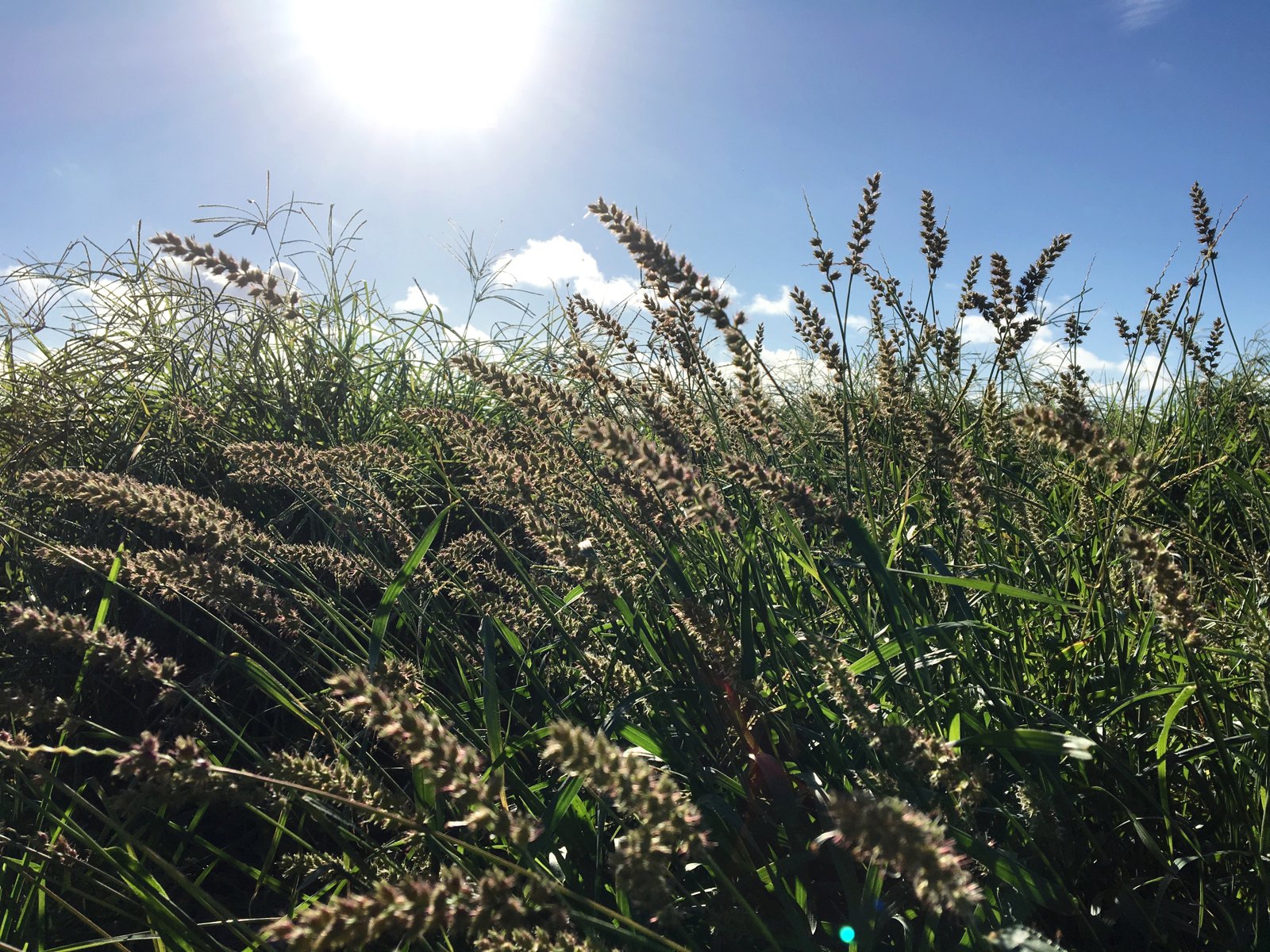
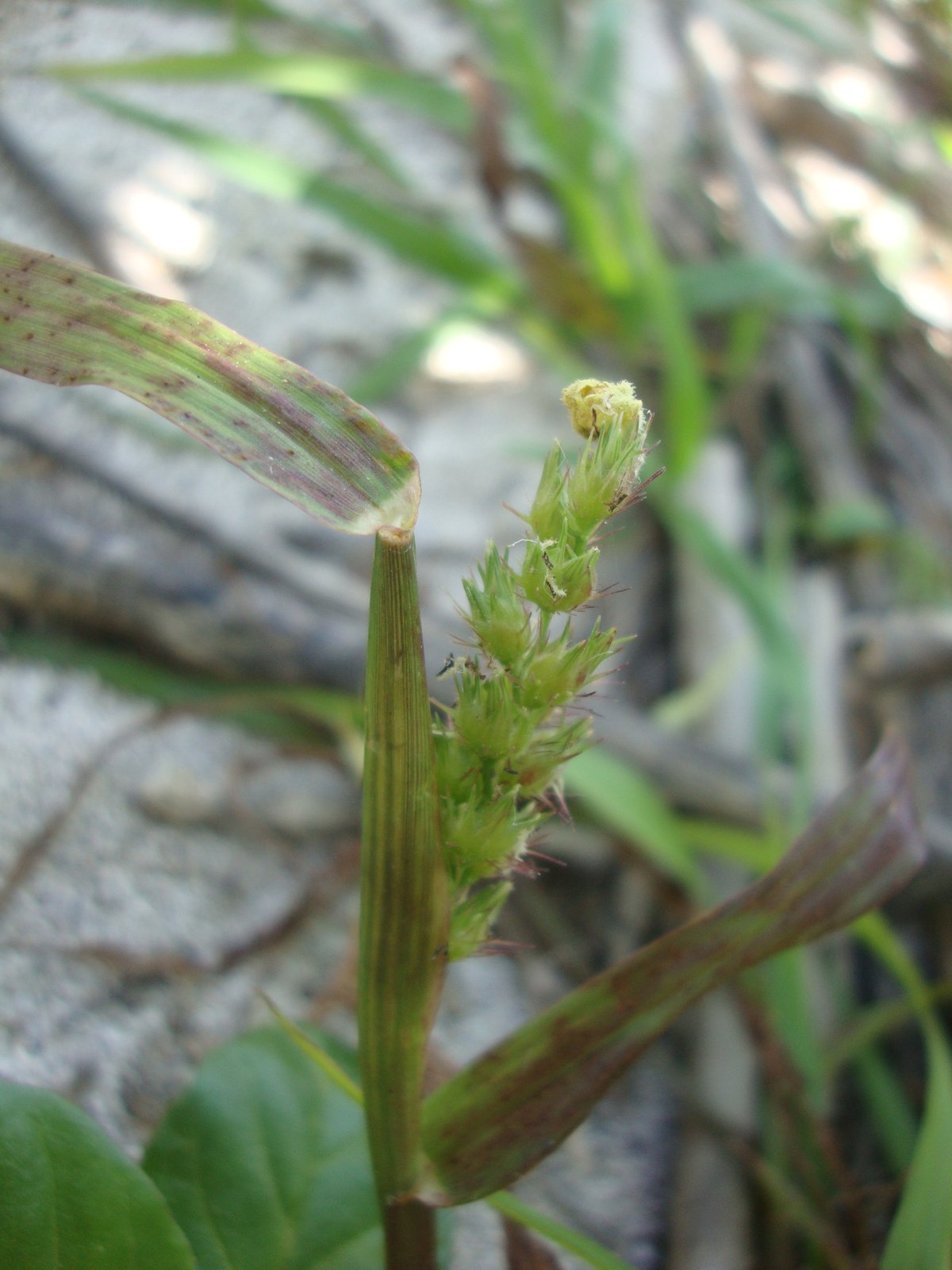
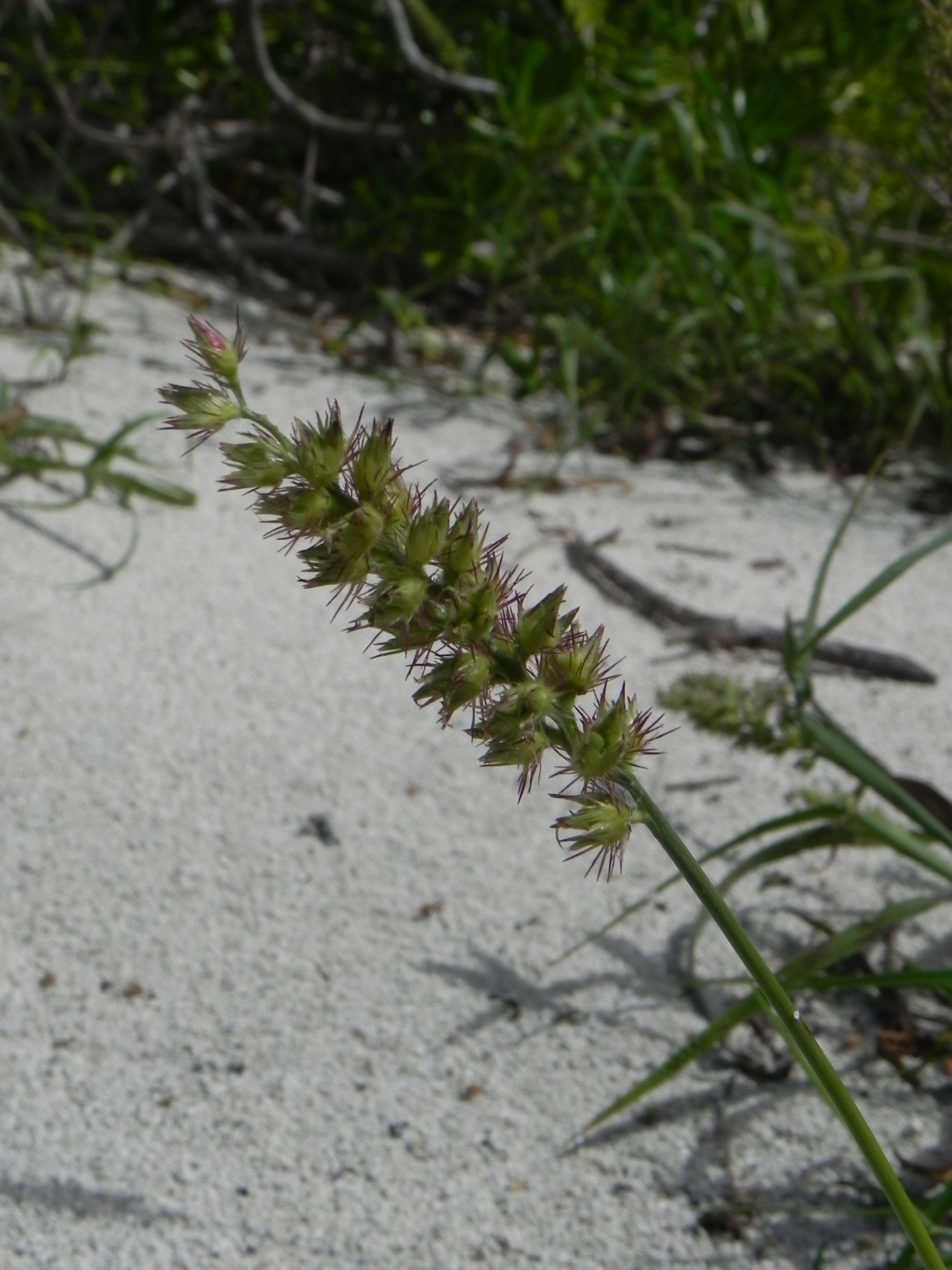
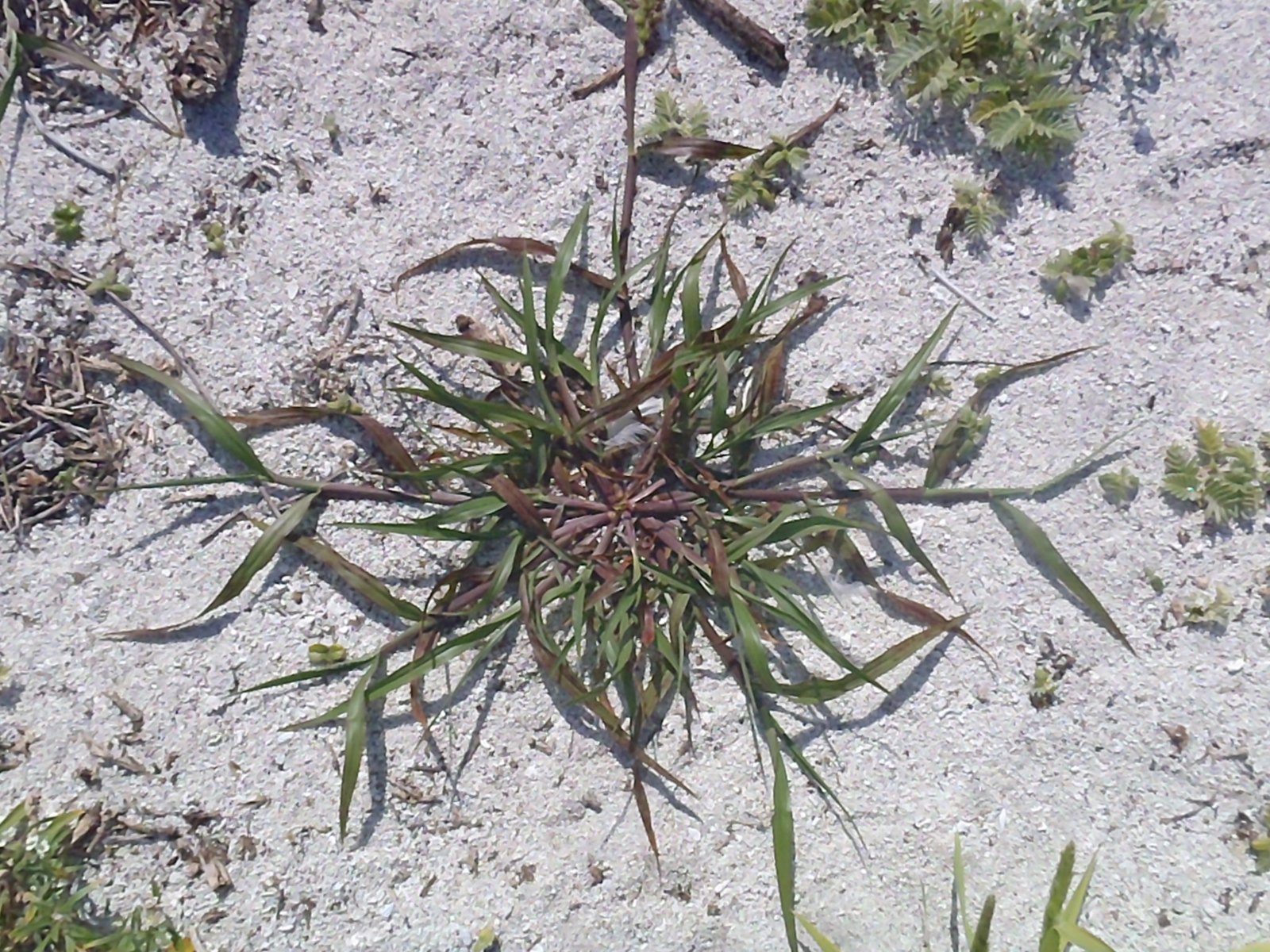
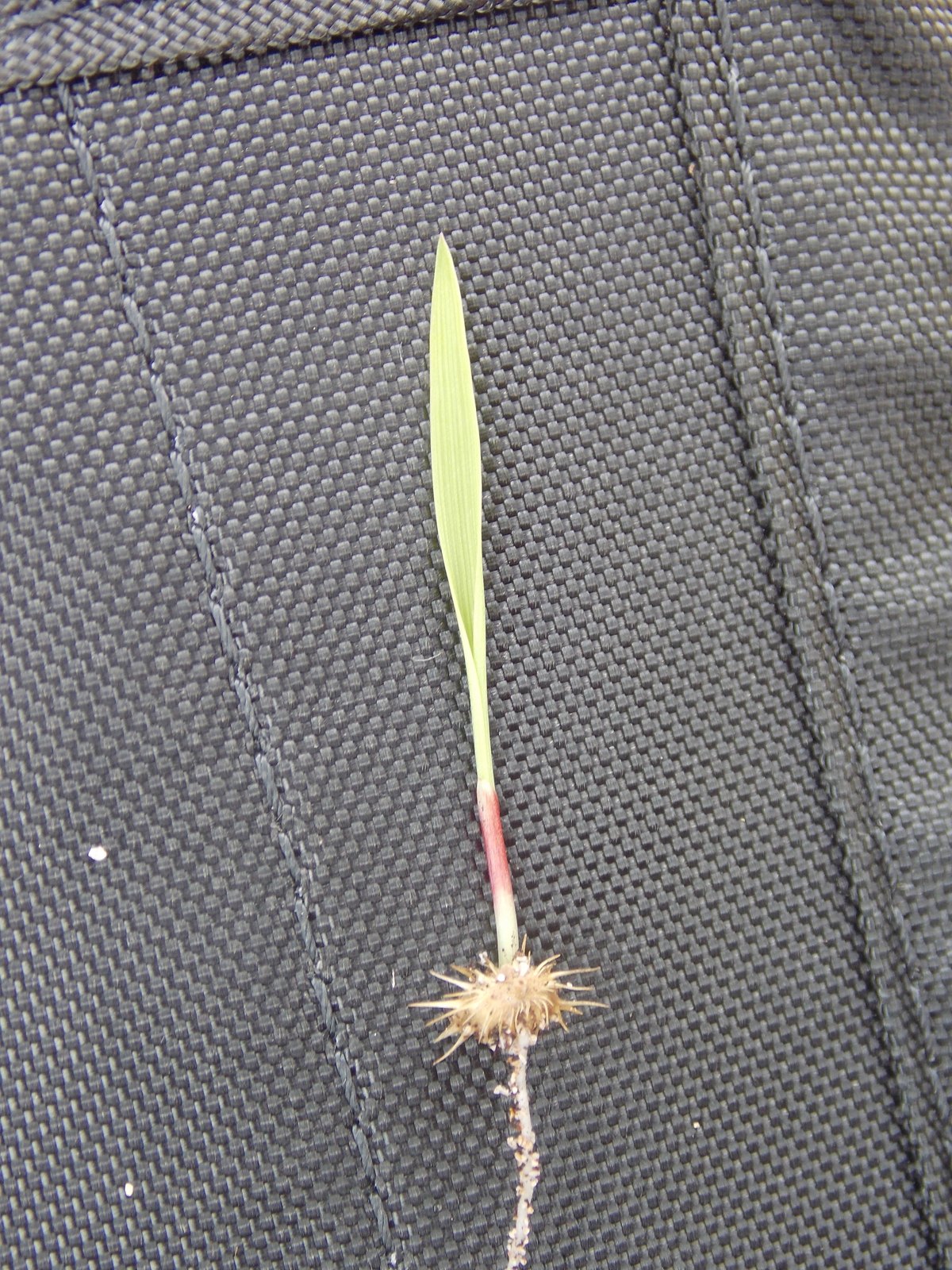
Sandbur (Cenchrus echinatus) is a branching grass from tropical America that grows up to about two feet tall. Its seeds form inside hard, spiny burs. The scientific name echinatus means "armed with spines," and the Hawaiian name mauʻu kukū also refers to its prickles.
It is now found on all the main Hawaiian Islands and on several islands in Papahānaumokuākea, including Hōlanikū, Kuaihelani (Midway Atoll), Kamole (Laysan), Kapou (Lisianski), Lalo (French Frigate Shoals) and Nihoa.
Why remove it?
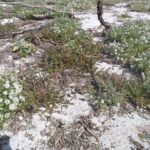
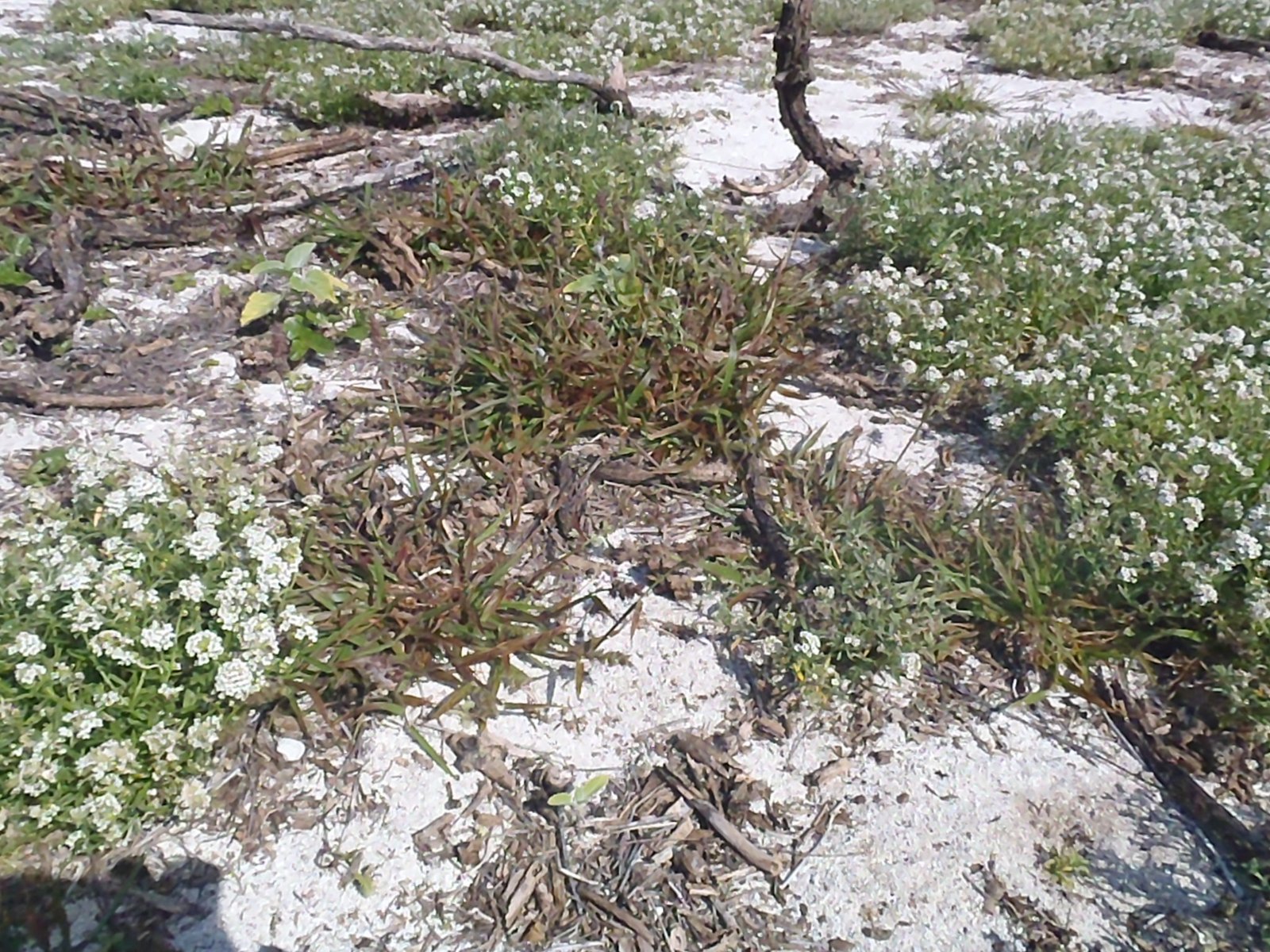
Sandbur formed dense, single-species stands on Hōlanikū that replaced native plants. Its burs can catch in the down and feathers of seabird chicks, and they stick to wildlife, clothing and boots, which spreads the seeds to new places.
Hōlanikū was once home to a native relative, kāmanomano or Laysan sandbur (Cenchrus agrimonioides var. laysanensis), last collected here in 1961 and now thought to be extinct.
How crews remove it
Sandbur is a priority grass and is treated with herbicide or pulled during every sweep of the island. It seeds heavily in the hot summer months, so crews spray plants as they walk between weed sites. Crews also collect the seeds from mature plants so they do not drop and add to the seed bank in the soil, and the seeds are destroyed. After working near mature plants, crew members check their clothes, boots and gear for burs, and any seeds they find are collected and destroyed too.
On Kamole (Laysan), a long effort by the U.S. Fish and Wildlife Service removed sandbur from the island, showing that it can be done.
Target weeds on Hōlanikū
The other invasive plants crews remove during each sweep.
Help clear invasive species from Hōlanikū
KAC/DLNR field crews monitor wildlife and restore habitat year-round. Your support keeps them on the island.