
Golden crownbeard
Verbesina encelioides
The number one target on Hōlanikū: a fast-growing weed that once covered much of Green Island and is now close to being eradicated.
| Origin | Native to the southwestern United States and Mexico |
|---|---|
| On Hōlanikū | Invasive weed, target for eradication |
| Plants removed | 263,615 in 2015; 3,257 in 2025 |
| Goal | No plants and no seeds left on the island |
About this plant
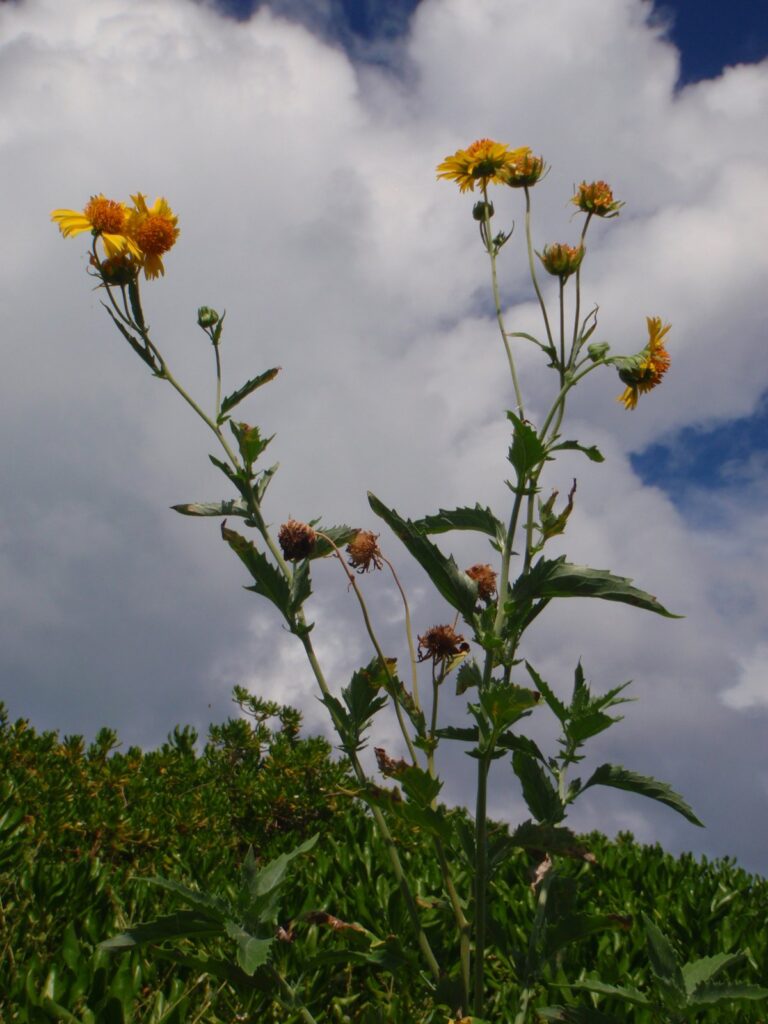
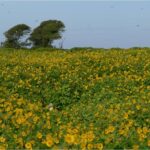
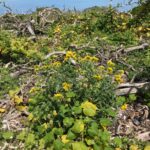
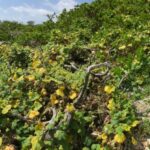
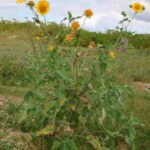
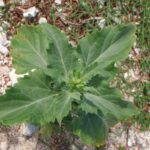
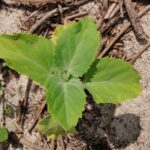
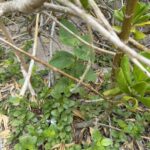
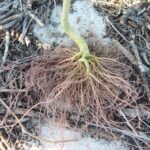
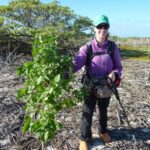
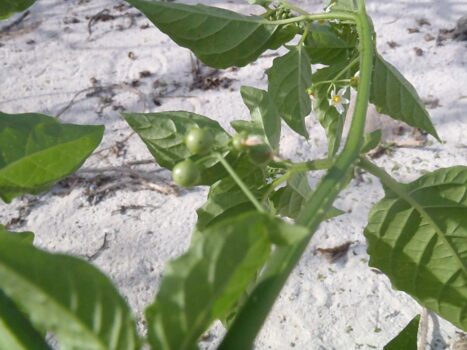
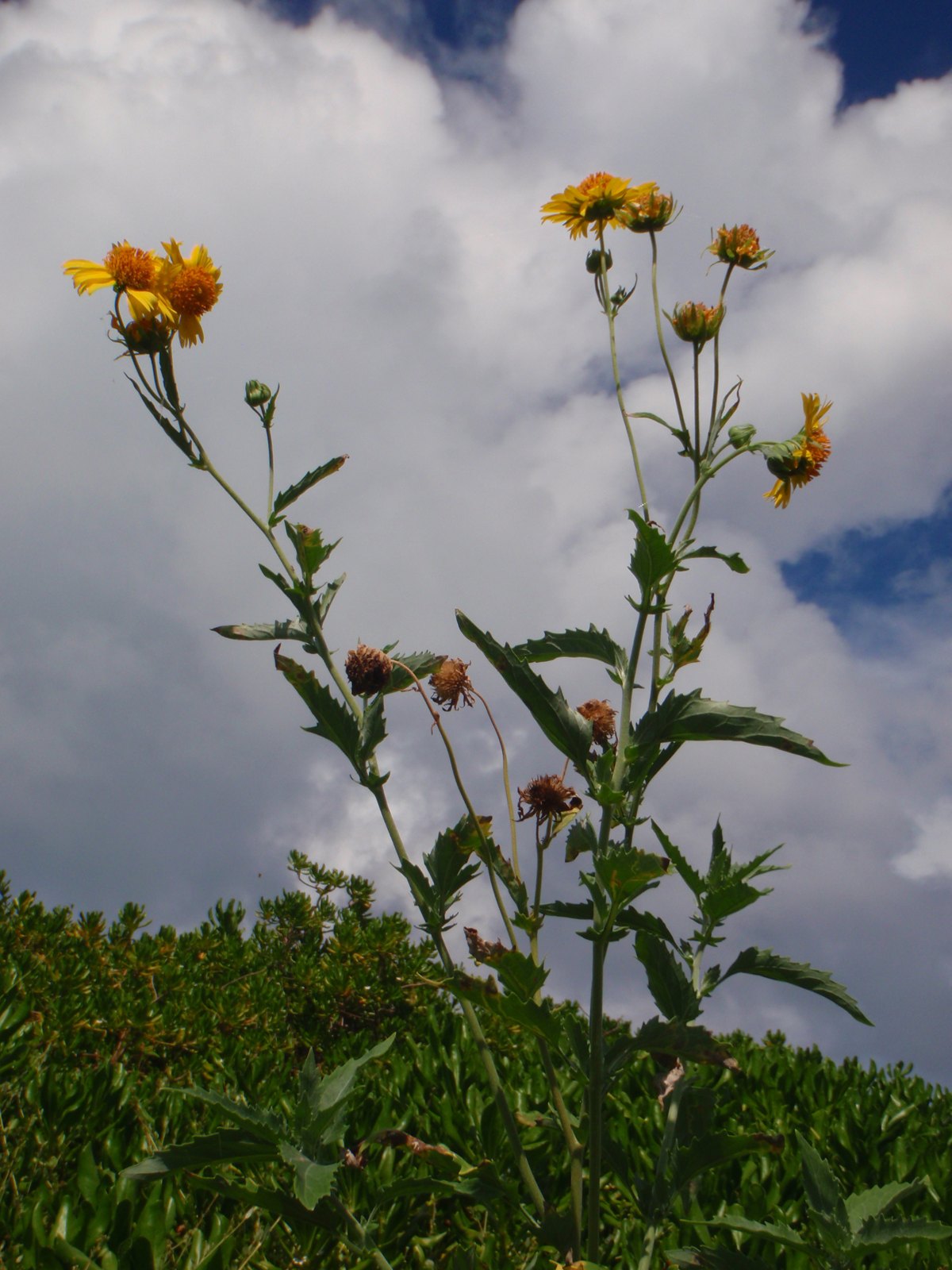
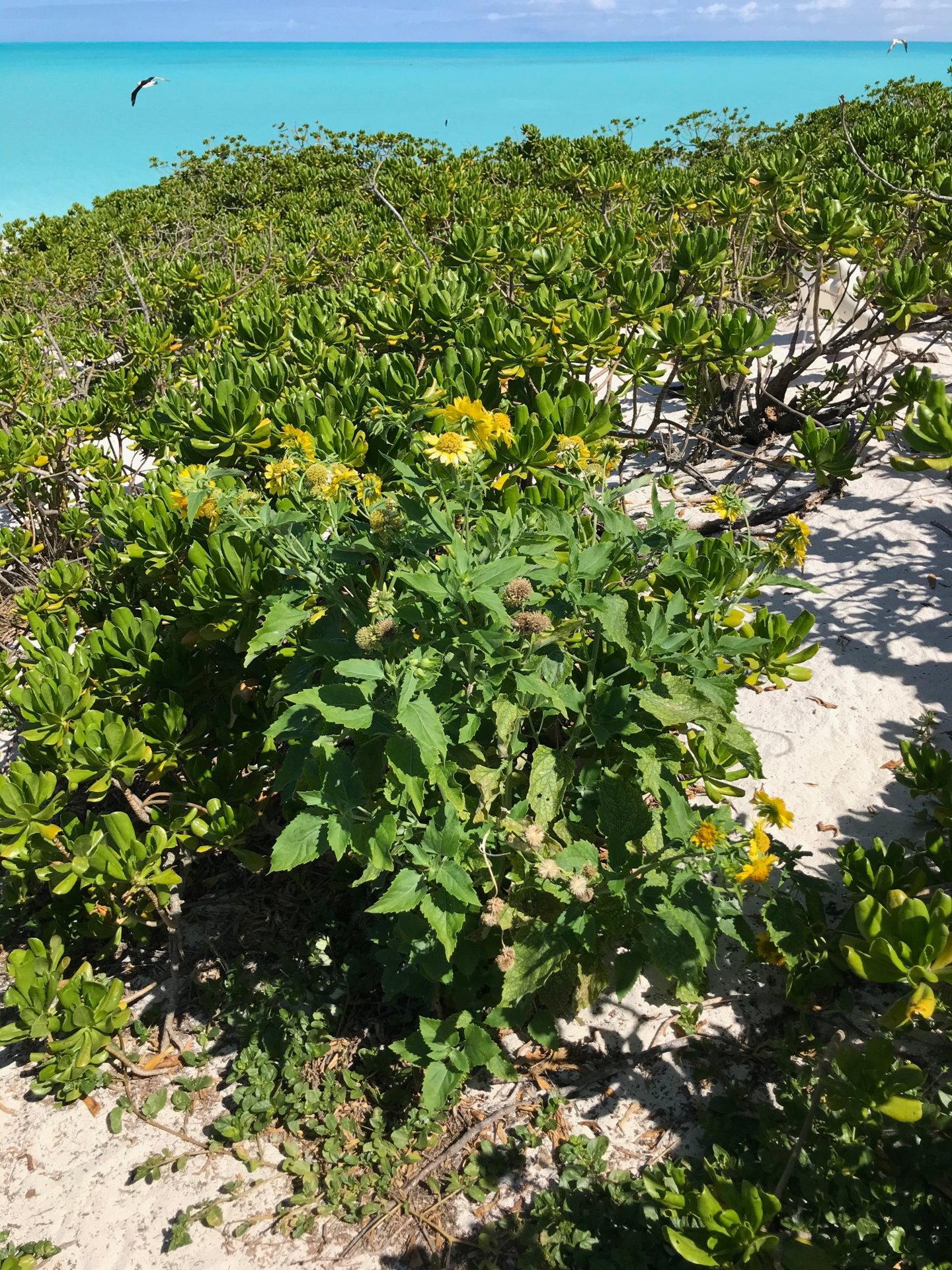
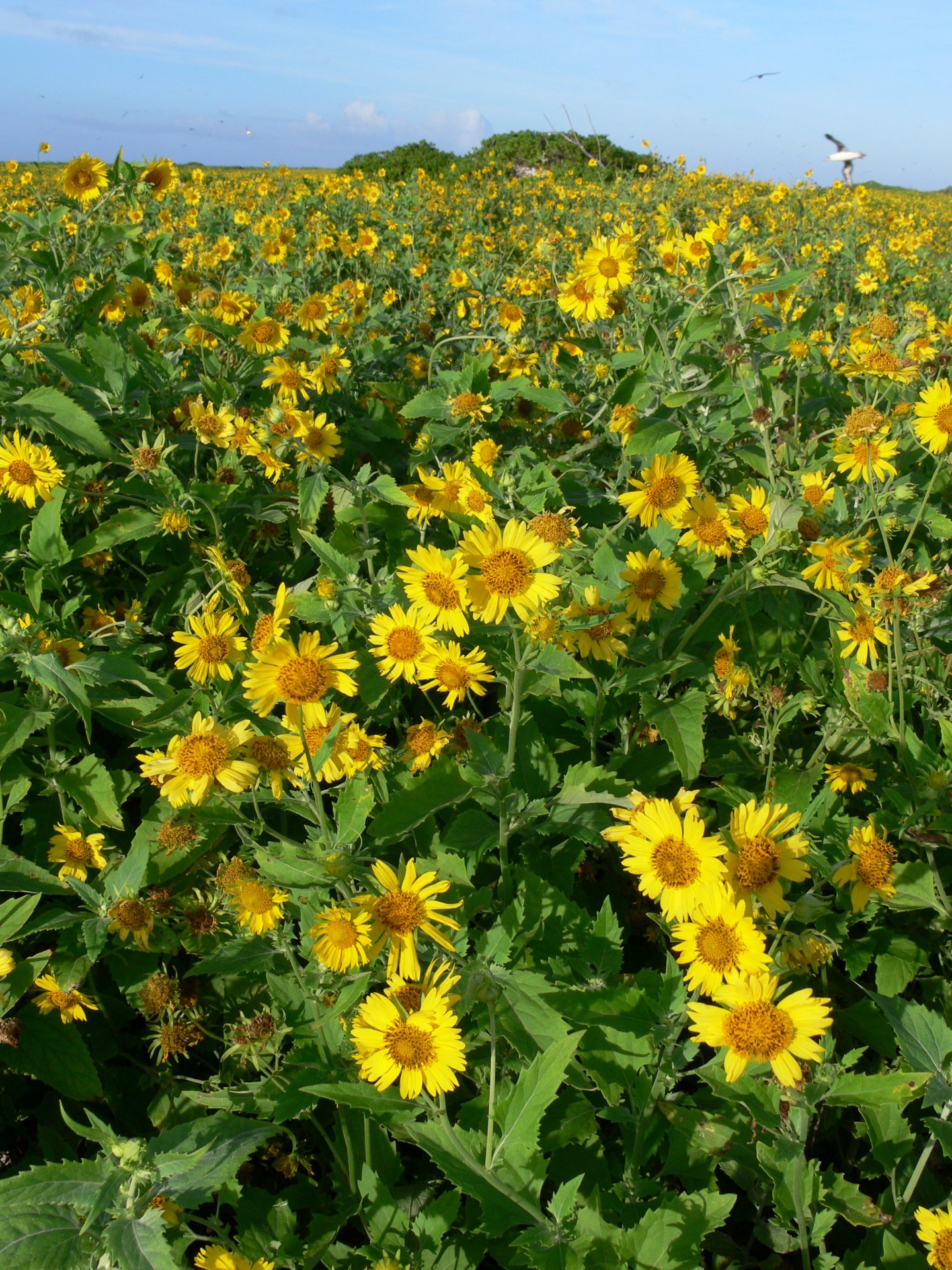
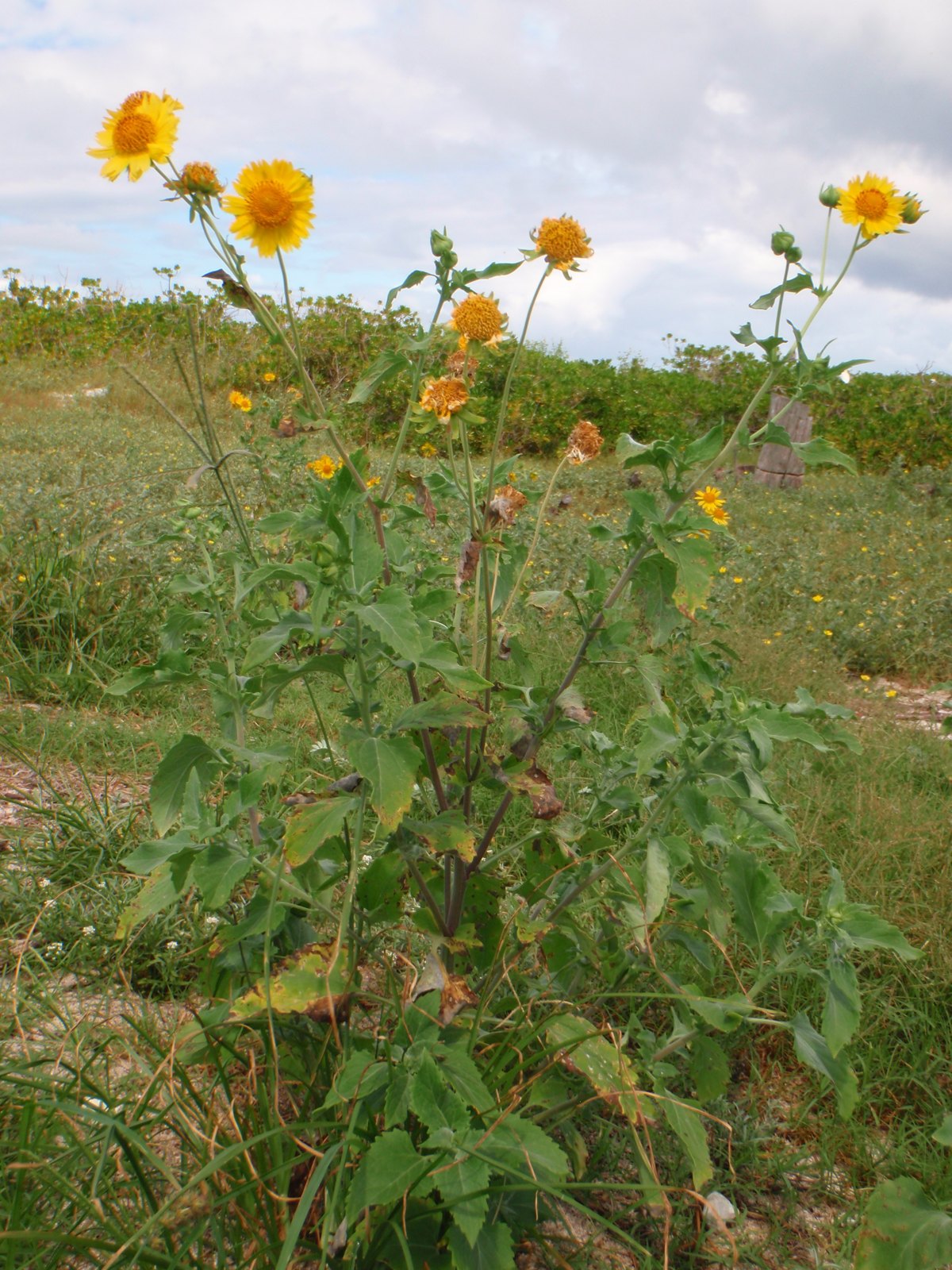
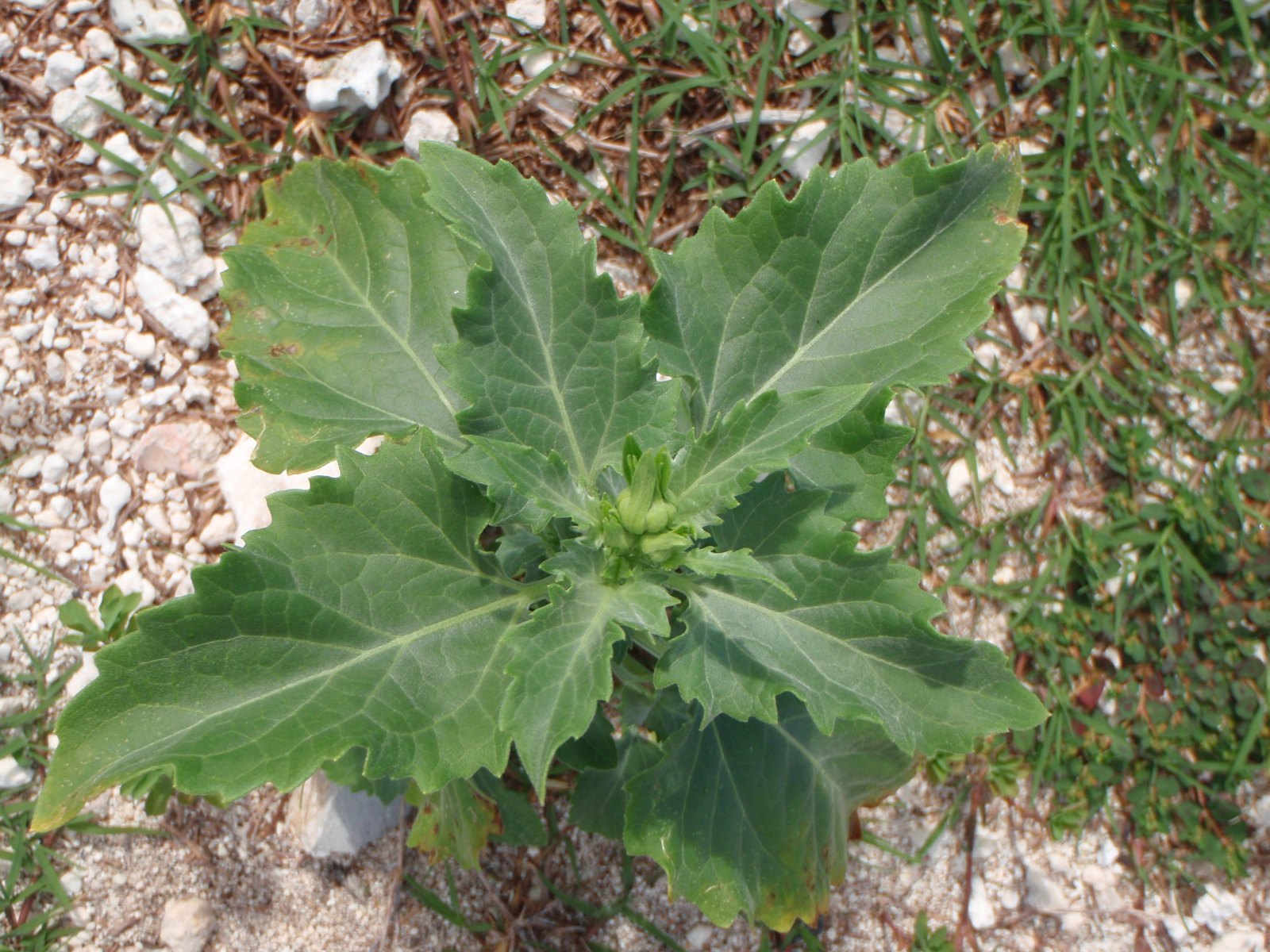
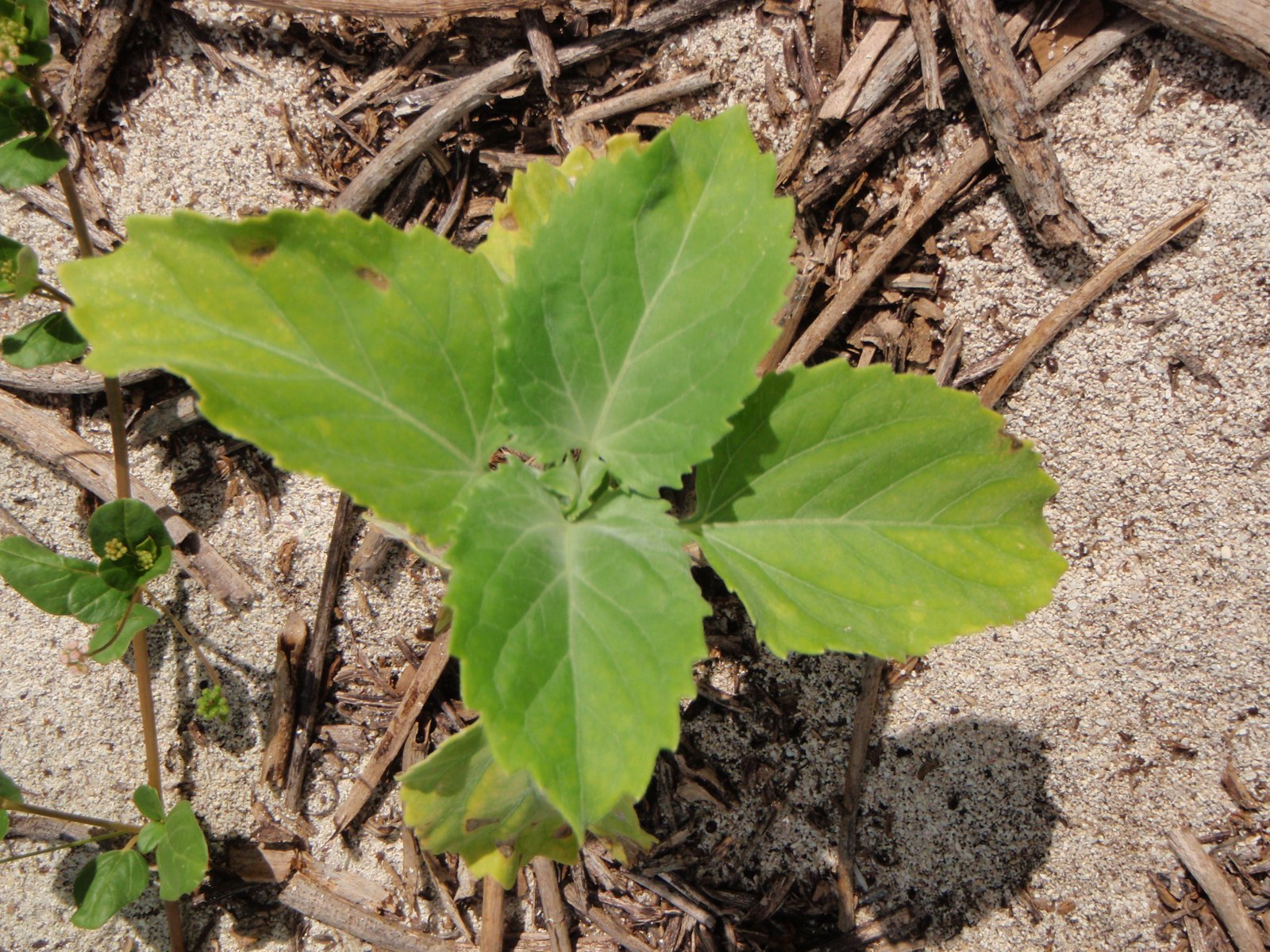
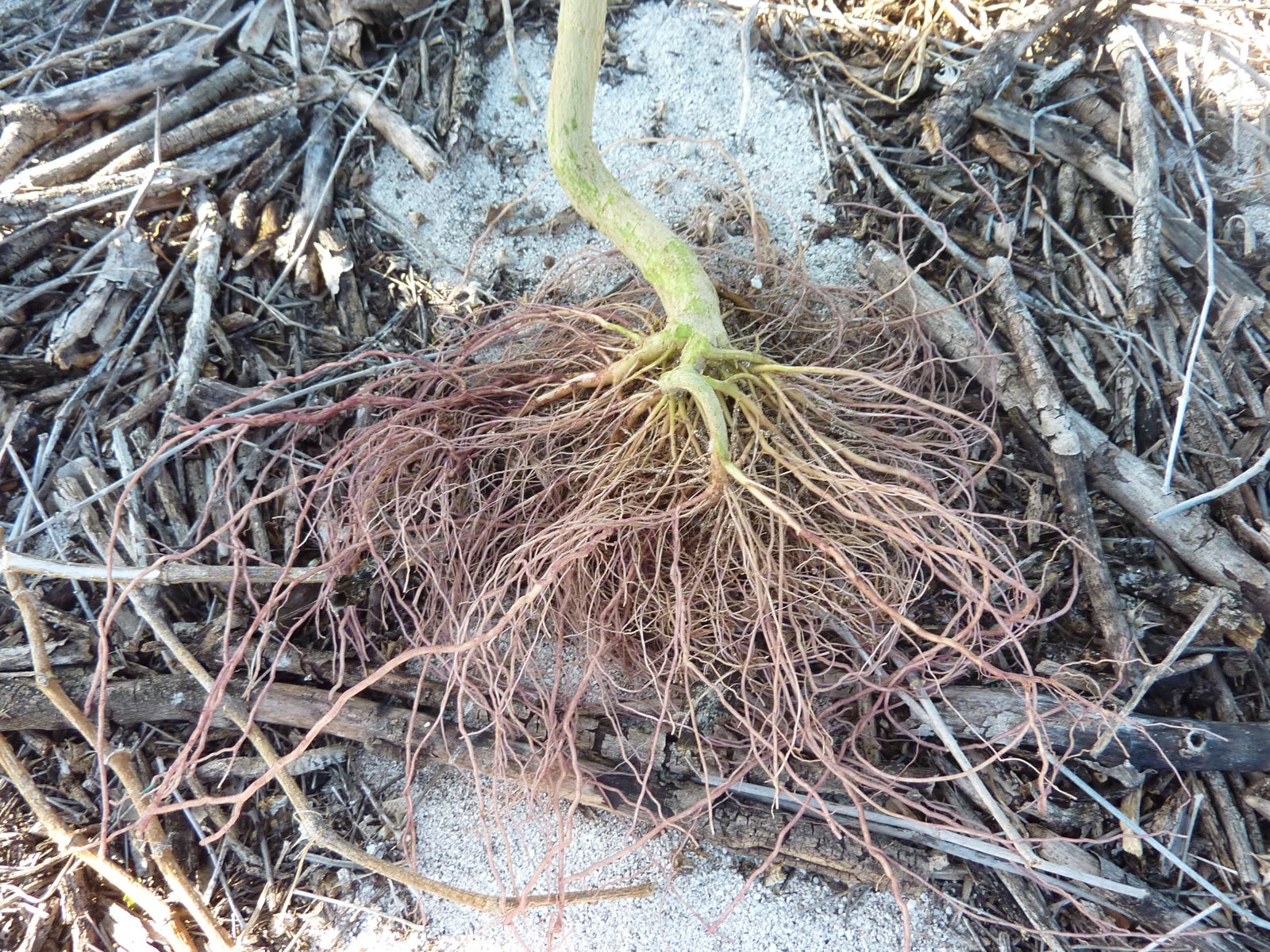
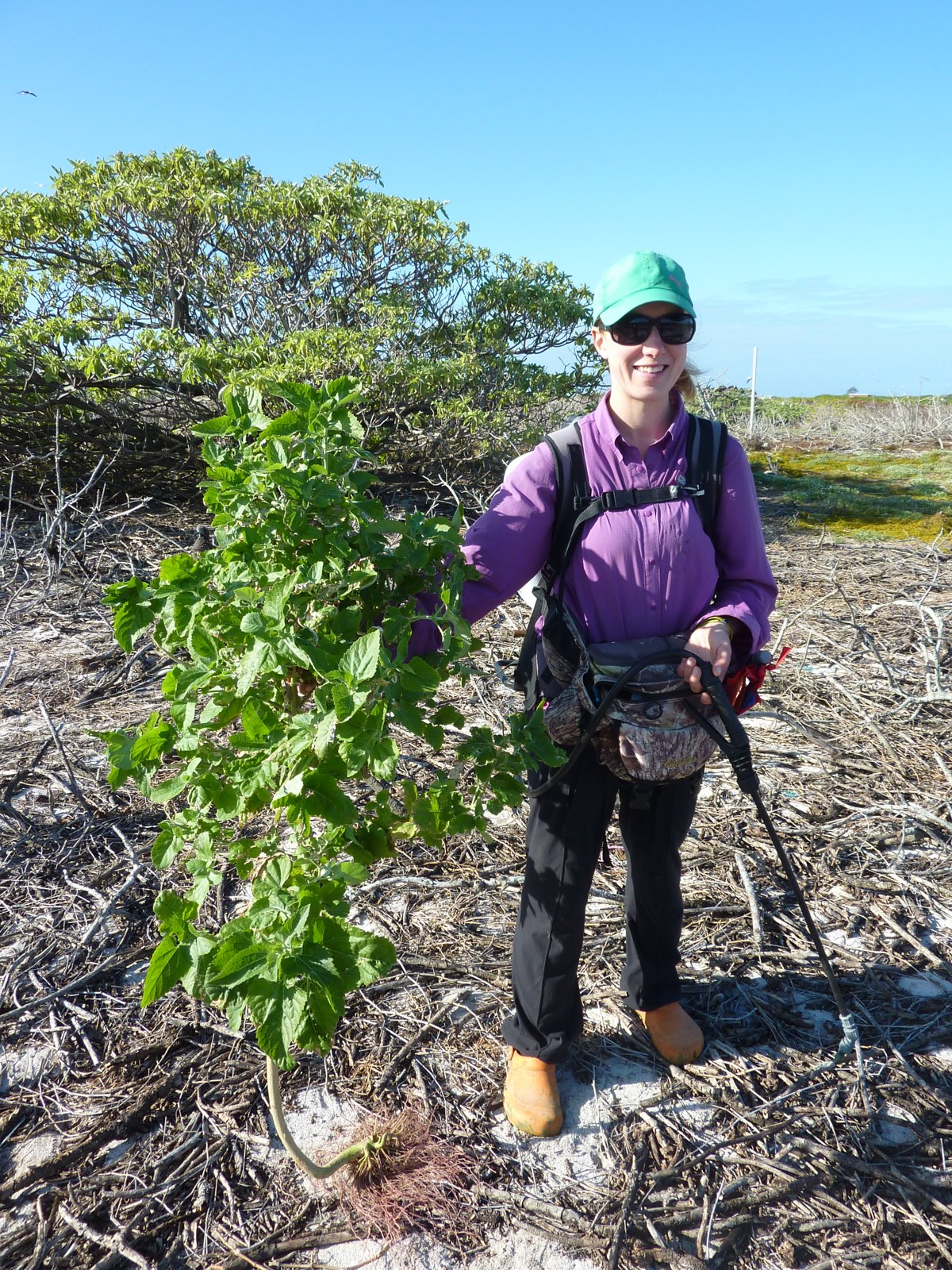
Golden crownbeard Verbesina encelioides is an annual in the sunflower family, native to the southwestern United States and Mexico. It has gray-green, toothed leaves and yellow, daisy-like flowers. On Hōlanikū it can sprout, flower and drop seed in about a month when conditions are right, and a single plant can drop hundreds of seeds. It also has a deep, hairy root system. Roots have been found at least 7 inches below the surface, which may be one reason the plant handles drought so well.
Crews call it "Verb." It is also known as cowpen daisy and wild sunflower. It grows on other islands in Papahānaumokuākea, including Kuaihelani (Midway Atoll), where it has also been the focus of a long removal effort.
Why remove it?
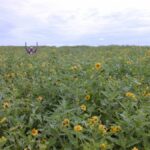
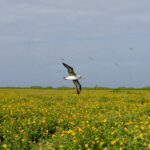
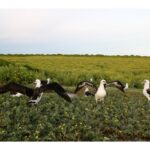
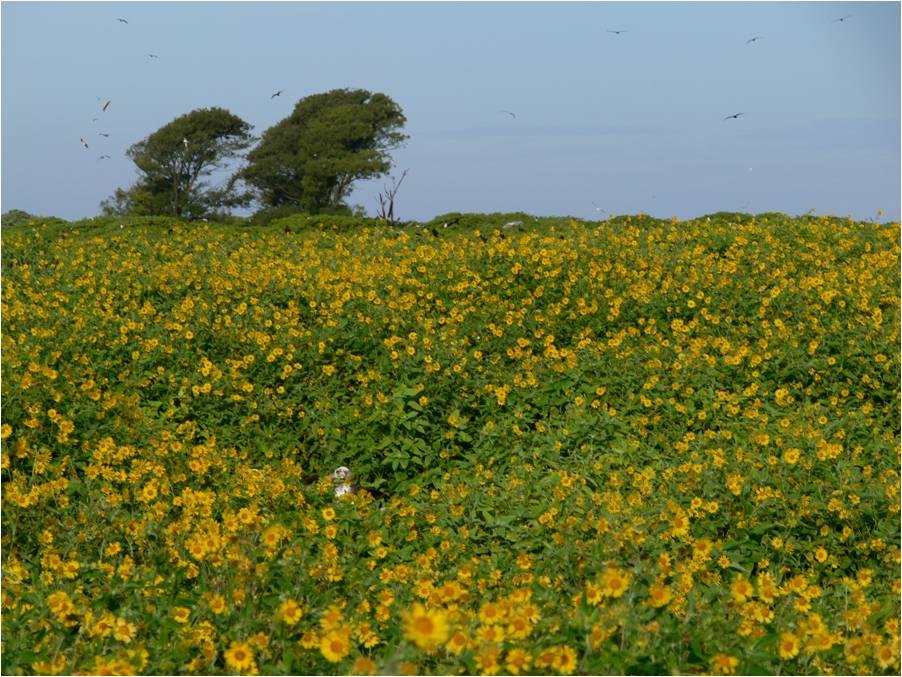
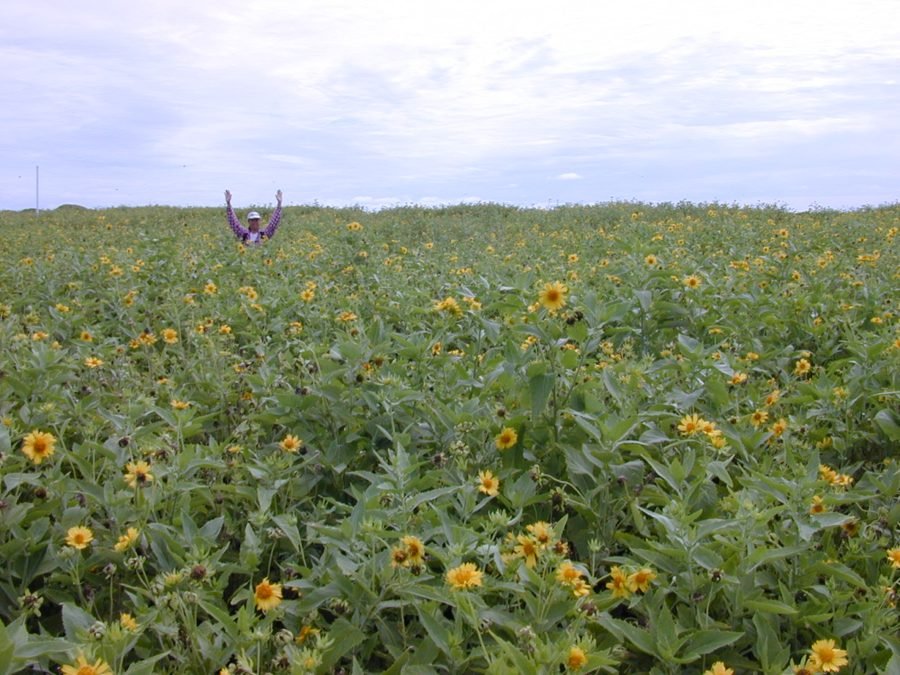
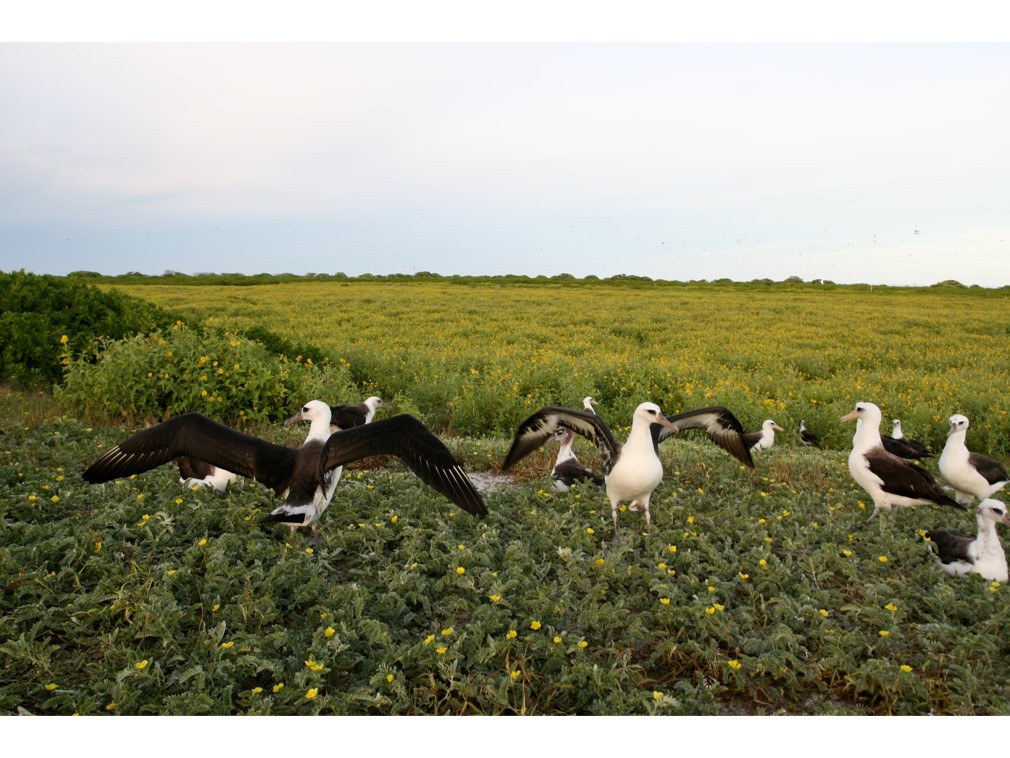
Golden crownbeard Verbesina encelioides grows in thick stands up to seven feet tall that crowd out native plants. Seabirds nest at lower densities in these stands. Albatross chicks can get tangled in the stems or overheat because the stands block the breeze. Adult albatrosses also died from the heat inside dense stands as they pushed through to reach and feed their chicks, which made the toll on the population even greater. The stands support large populations of introduced ants and scale insects as well.
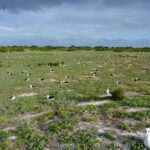
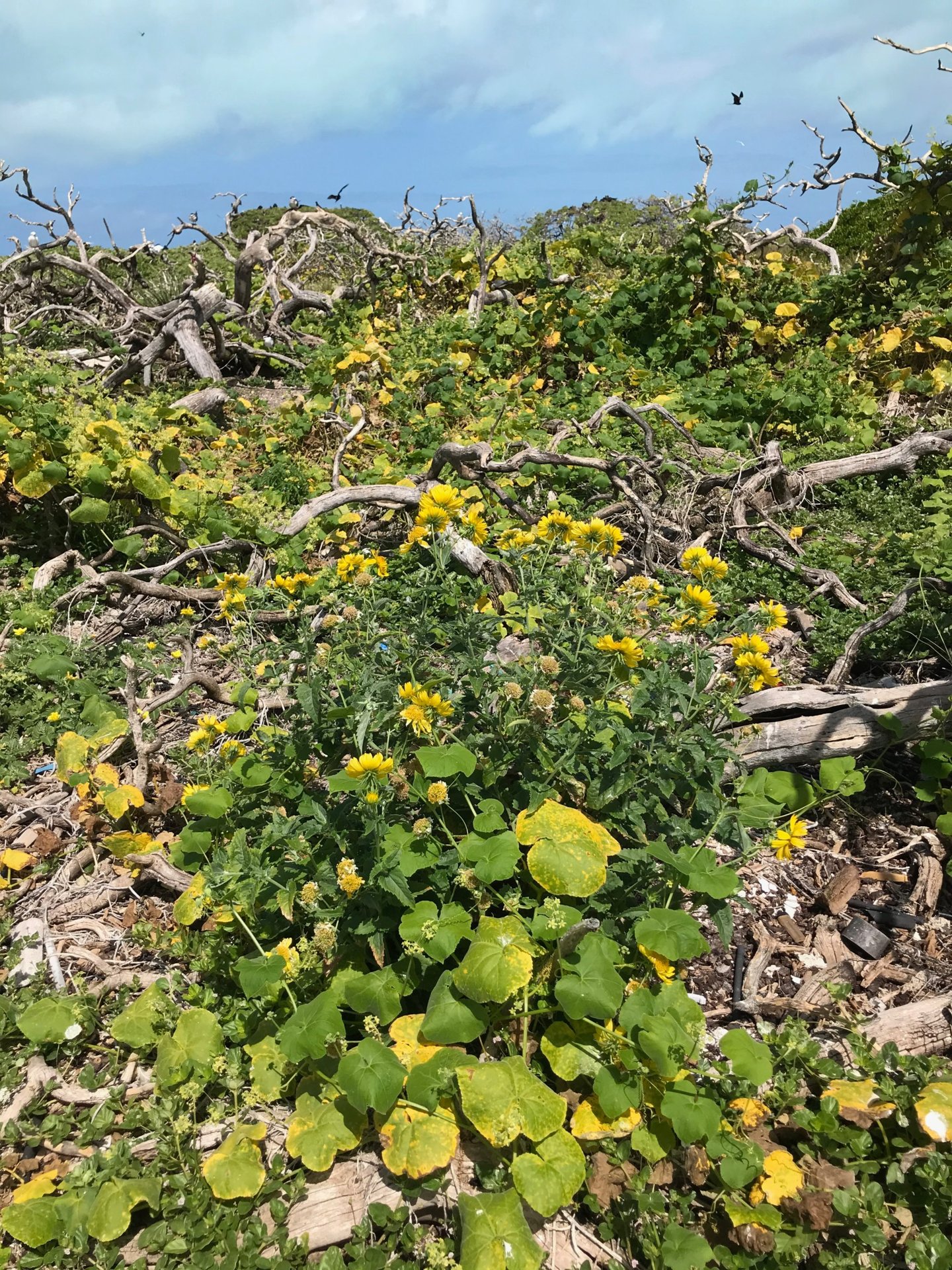
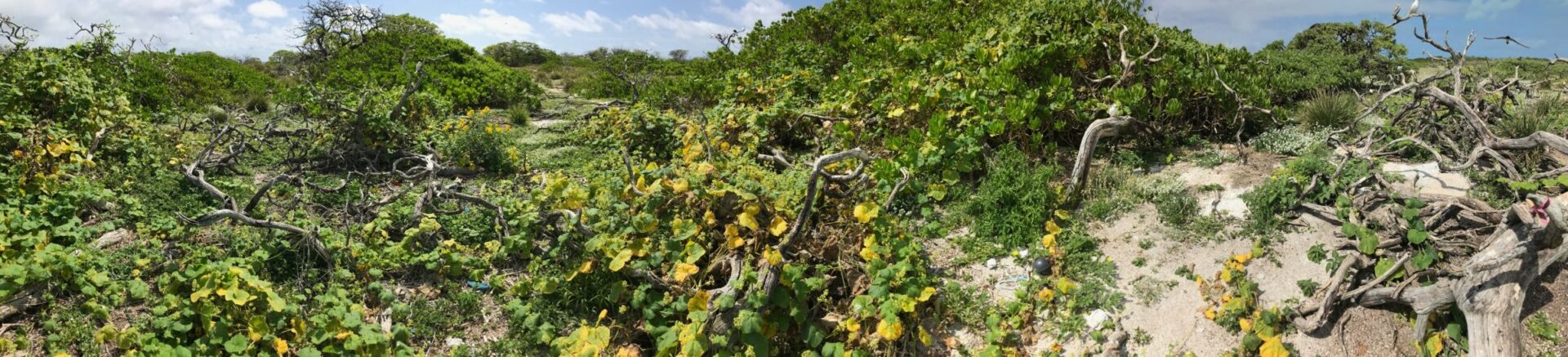
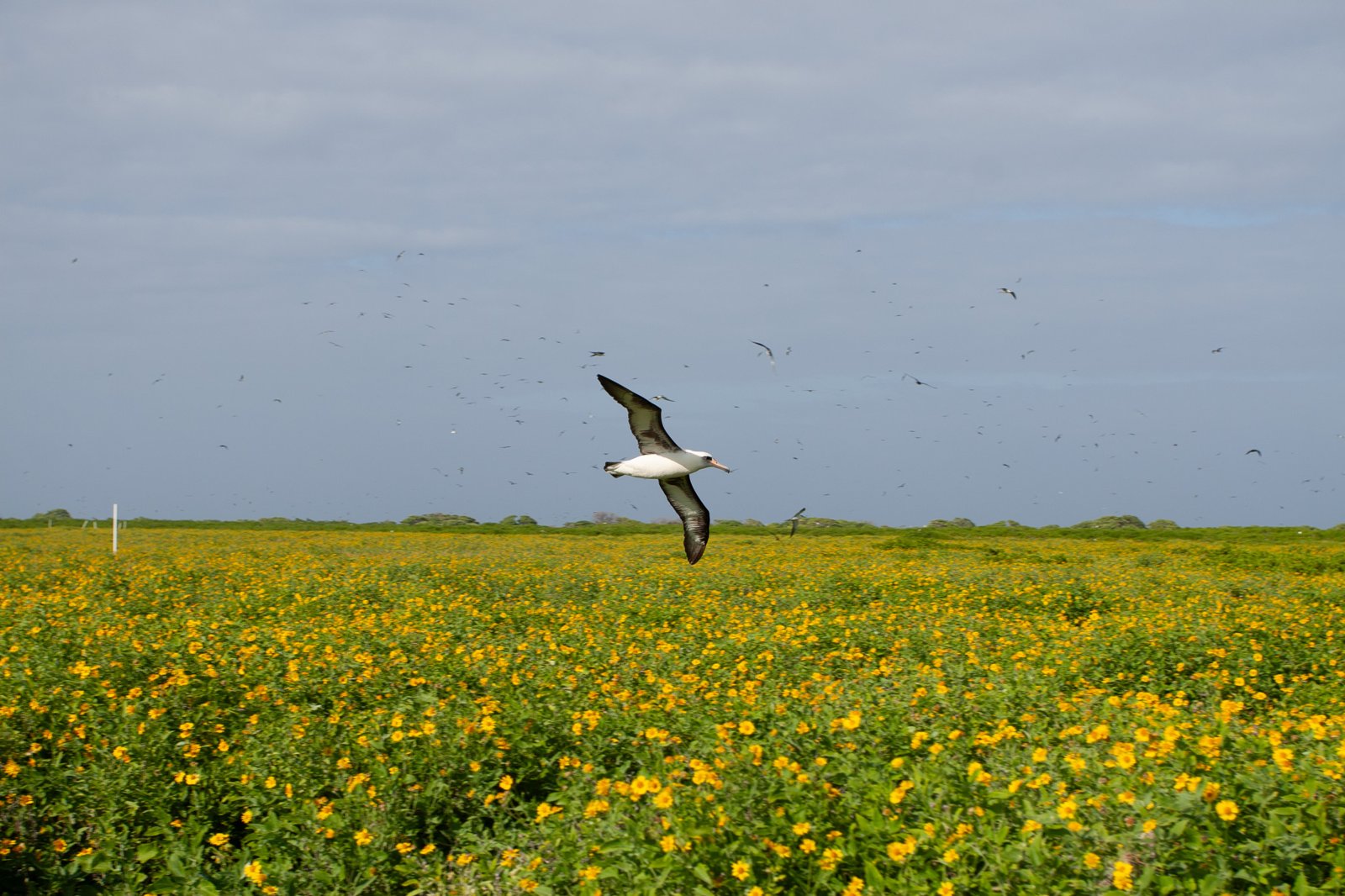
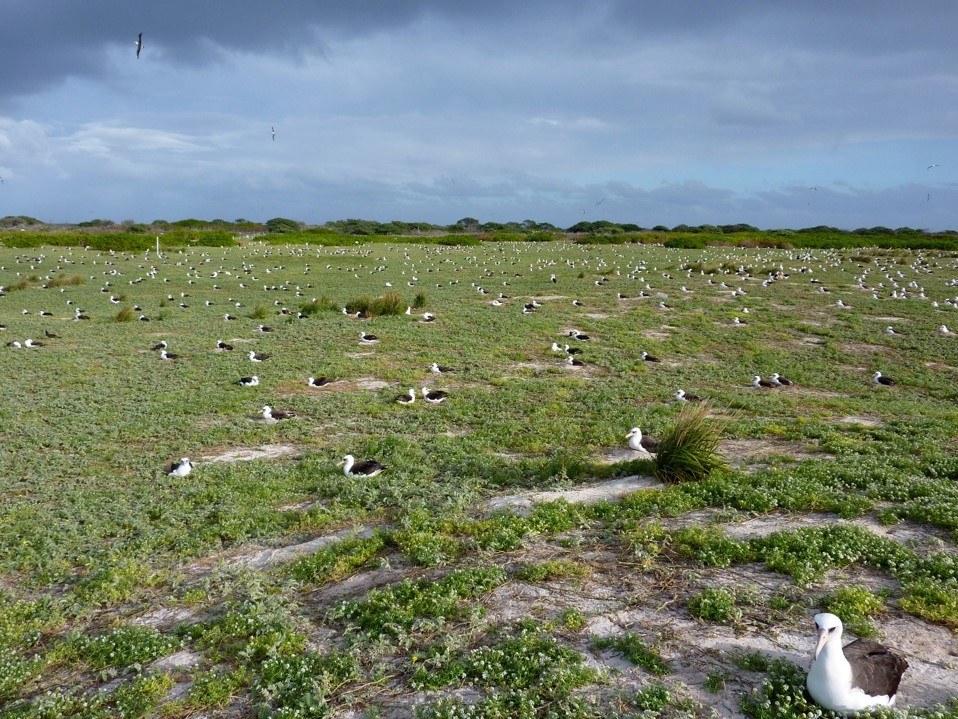
When the stands are cleared and native plants return, birds move back in. Laysan and Black-footed Albatrosses, Brown and Masked Boobies, Christmas and Wedge-tailed Shearwaters and Bonin and Tristram's Storm-Petrels have all nested in cleared areas. Ground-nesting booby colonies overlap closely with the old golden crownbeard footprint.
Weeds on Hōlanikū also put less-invaded islands at risk. Seeds can be carried by seabirds, migrating birds or people, even with strict quarantine.
How crews remove it
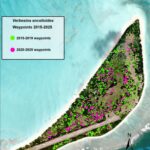
Year-round control began in 2010, and since 2014 crews have treated all 188 vegetated acres of Green Island. The island is divided into 44 Greater Restoration Areas, and crews walk each one in lines, or transects, every 4 to 6 weeks, a schedule set by how fast the plant can go to seed. Transecting for invasive plants makes up about 70 percent of crew fieldwork.
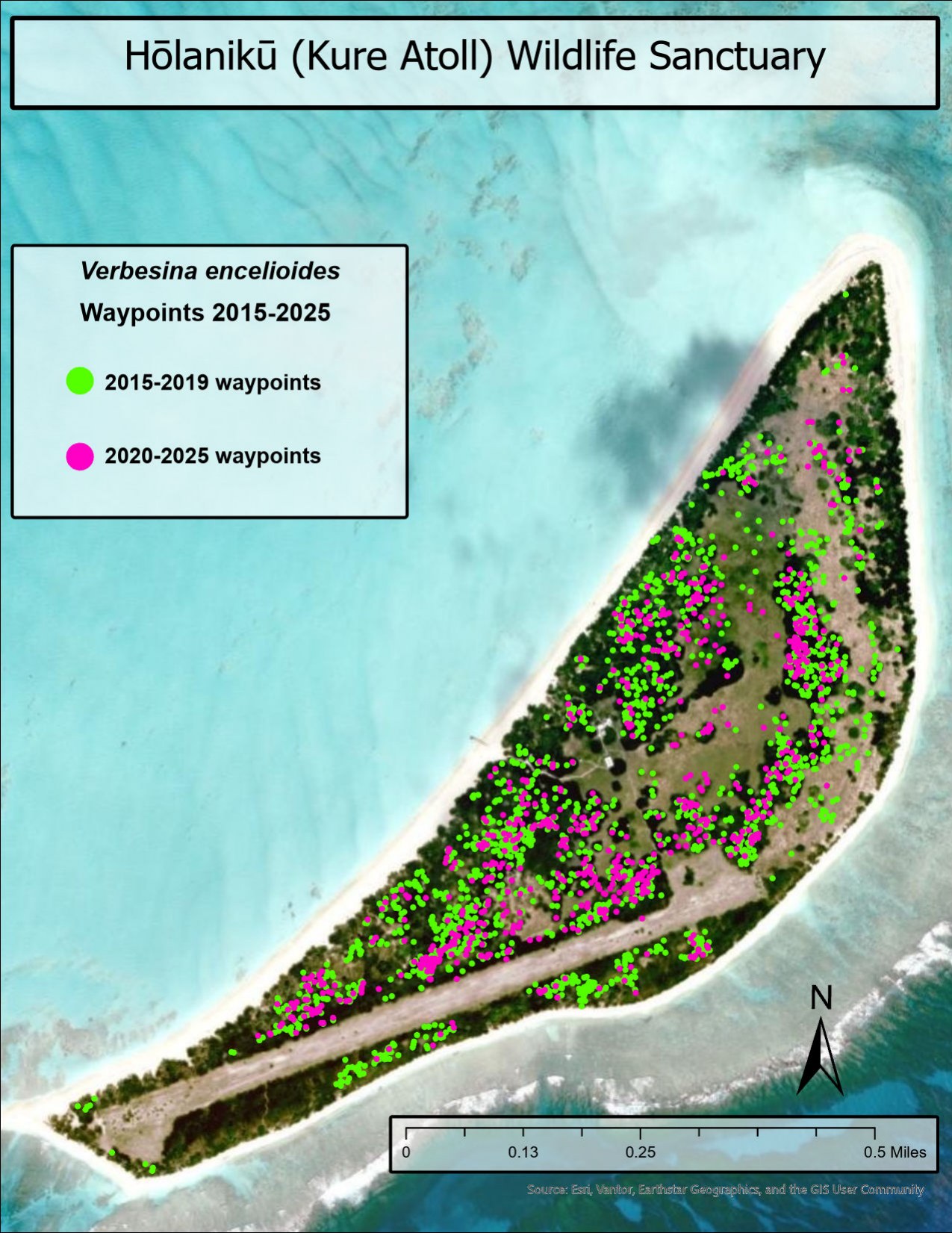
Every plant found is pulled or treated with herbicide, counted and recorded by growth stage. Seeds from mature plants are bagged and taken back to camp, and each site gets a GPS waypoint and flagging so it can be rechecked. Since Winter 2025, crews have also placed stakes at active sites so they are easier to find again. Hand-pulling and targeted herbicide work best together, and crews remove all target weeds in an area at the same time so they need fewer visits through nesting colonies.
Crews are also trying new tools. In Summer 2022 they tested a small drone to look for flowering golden crownbeard from the air and developed safety guidelines for flying near seabird colonies.
Progress
Annual removals have dropped by about 99 percent, from more than 260,000 plants in 2015 to 3,257 in 2025. Seeds stay viable in the soil for three to five years, so any plant that drops seed means years of rechecking that spot, and crews keep sweeping the island even when few plants are found. Removals rose in 2023 after a year of small crews and fewer treatment hours in 2022, a reminder of how quickly the plant can come back.
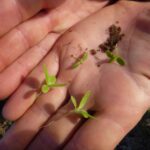
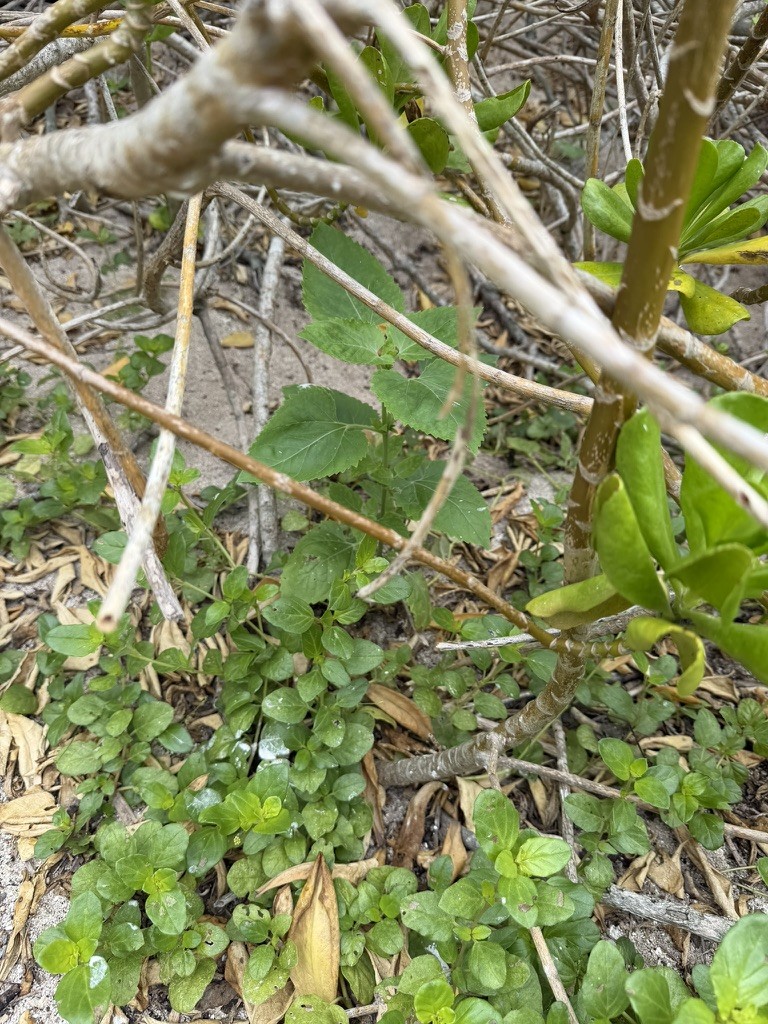
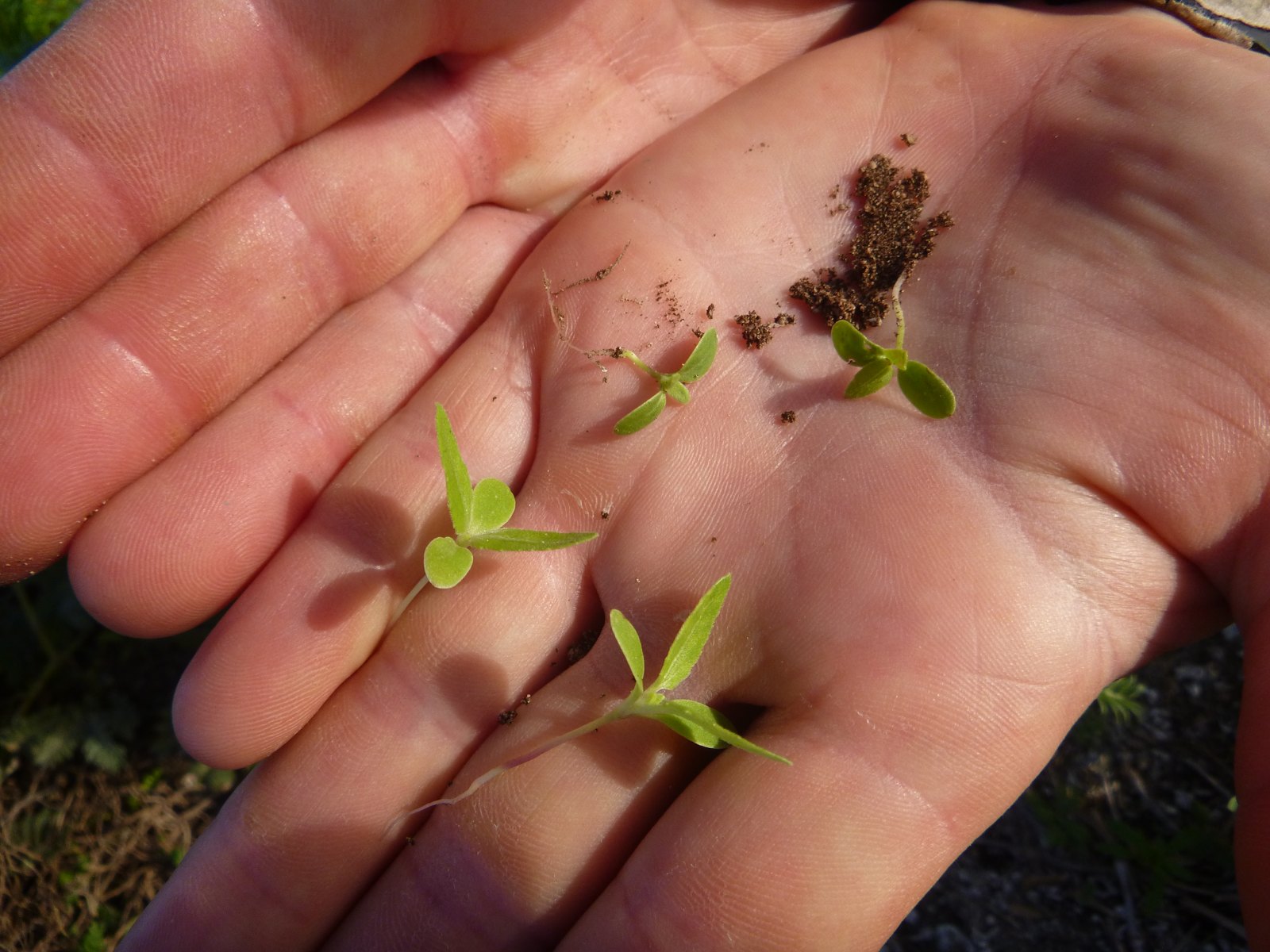
In November 2026 the winter crew finished its first full sweep of the season, and every crew member found at least one golden crownbeard, a sign that new crews are learning to spot even the smallest sprouts.
Golden crownbeard removal
Yearly removal numbers, methods and the other target weeds.
From the field
A crew member makes the case against "Verb" on Green Island.
Help clear invasive species from Hōlanikū
KAC/DLNR field crews monitor wildlife and restore habitat year-round. Your support keeps them on the island.