
ʻOu
Bulwer's Petrel
Bulweria bulwerii
A small, sooty petrel that flies low and fast over the waves and nests in hollows and crevices.
| State recognized | Indigenous |
|---|---|
| NatureServe Global Rank | G4 Apparently secure |
| North American Waterbird Conservation Plan | Moderate concern |
| IUCN Red List | Least concern |

Species Information
The ʻou, or Bulwer's Petrel, is a small, nocturnal gadfly petrel (family Procellariidae) of tropical oceans that spends most of its life far out at sea. It has long, pointed wings, a long, pointed tail, a black bill and short, pale legs. Adults are sooty brown with a pale bar across the upper wing. ʻOu fly low over the water with a light, erratic flight of short wingbeats and glides, and usually feed alone.
Foraging & Nesting
Little is known about how ʻou feed. They probably pick prey from the surface in flight or while sitting on the water. Their diet is mainly fish and squid, along with crustaceans and sea-striders.
ʻOu keep the same mate for many years and nest in large colonies. Limited data suggest they return to the colony where they hatched, and pairs often reuse the same nest site. Nests are in hollows and crevices; they have a musky smell and may be bare or lined with feathers, plants or rubble. In Hawaiʻi, eggs are laid from mid-May to mid-June and most chicks fledge by early October. Both parents incubate the egg and brood and feed the chick.
Distribution & Abundance
ʻOu nest throughout the Northwestern Hawaiian Islands and on many small islets off the main islands, including Kaʻula, Lehua, Mānana, Moku Manu, Mōkōlea Rock, Moku Lua, Mokuhoʻoniki and Molokini. Elsewhere they nest on a few islands in the North Atlantic, the North and South Pacific and the Indian Ocean. Little is known about where they go outside the nesting season, though they seem to move southeast after breeding.
Hawaiʻi has an estimated 75,000 to 103,000 breeding pairs in the Northwestern Hawaiian Islands and 500 to 1,000 pairs on the main islands. Nihoa holds by far the largest colony, 75,000 to 100,000 pairs, the largest known in the world. Smaller colonies are found on Kamole (Laysan Island), Lalo (French Frigate Shoals) and Mokumanamana (Necker Island). ʻOu were once common on Kuaihelani (Midway Atoll) before rats arrived. The world population is unknown.
Conservation Actions
ʻOu are protected under the federal Migratory Bird Treaty Act and State of Hawaiʻi law. Hawaiʻi's State Wildlife Action Plan calls for removing and controlling predators, re-establishing colonies on main-island sites and protecting refuges. With rats gone from Kuaihelani and Hōlanikū, ʻou colonies there are expected to recover.
Current Threats
Like all burrow and crevice-nesting seabirds, ʻou are vulnerable to rats and cats, which wiped out the colony on Kuaihelani. Invasive plants such as golden crownbeard (Verbesina encelioides) and kaunaʻoa pehu (Cassytha filiformis) can cover nesting areas, and rising seas threaten low-lying islands. Bright lights near colonies can confuse birds flying at night.
On Hōlanikū
A small number of ʻou nest on Hōlanikū, mainly near the East Turnaround and along the north side of the old runway. Because they are active only at night and nest out of sight, they are easy to miss. In 2025, the first adult of the season was seen at the pier in late June.


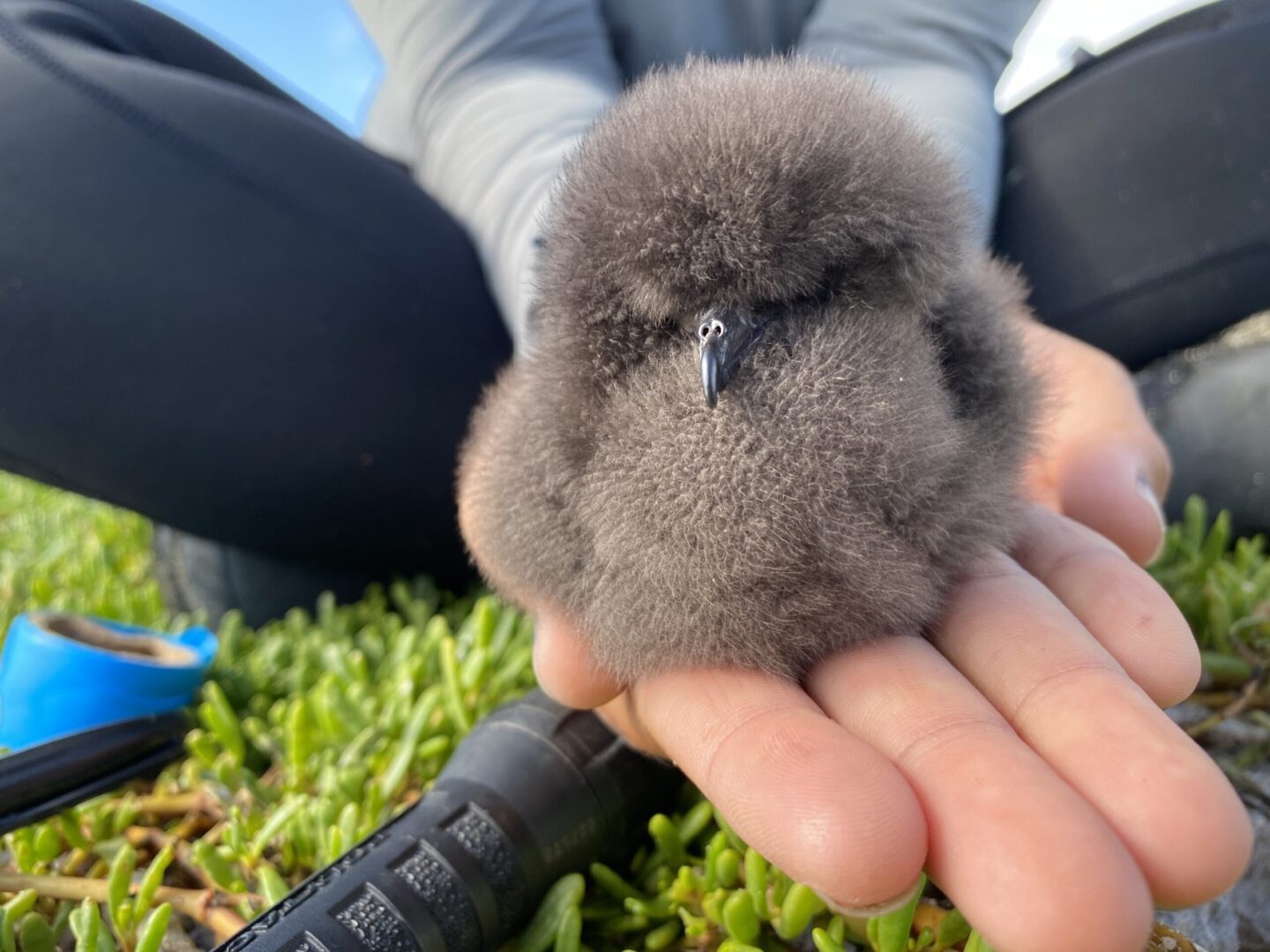
Bulwer's Petrel
James Bulwer, a Scottish clergyman and amateur naturalist, collected the type specimen of Bulwer's Petrel in the Desertas Islands for Sir William Jardine in 1828. Aside from this contribution, he focused on conchology and archaeology, living quietly in Norfolk.
Bulwer’s Petrel, a small and little-known nocturnal seabird, is one of two species in its genus—the other being Jouanin’s Petrel (Bulweria fallax), which is restricted as a breeder to the northwest Indian Ocean.
What's in a Name?
A webinar related to the research of the Papahānaumokuākea Native Hawaiian Cultural Working Group tasked with giving Hawaiian names to numerous other bird, plant, limu, and coral species unique to PMNM
More seabirds of Hōlanikū
-
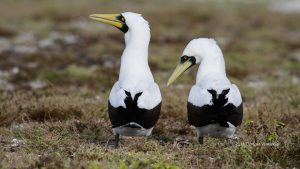 ʻĀ
Masked Booby
-
 ʻĀ
Red-footed Booby
-
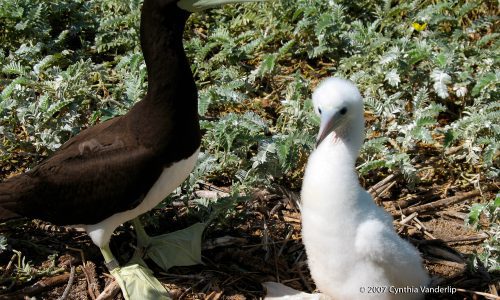 ʻĀ
Brown Booby
-
 ʻAkihikēʻehiʻale
Tristram's Storm-Petrel
-
 ʻAoʻū
Christmas Shearwater
-
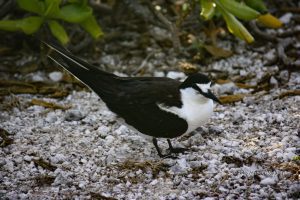 ʻEwaʻewa
Sooty Tern
-
 ʻIwa
Great Frigatebird
-
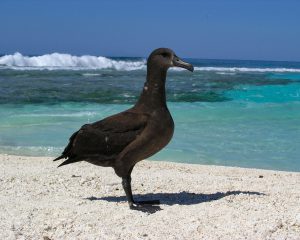 Kaʻupu
Black-footed Albatross
-
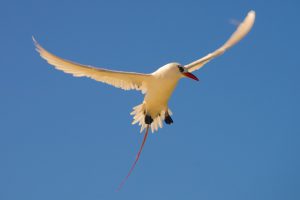 Koaʻe ʻula
Red-tailed Tropicbird
-
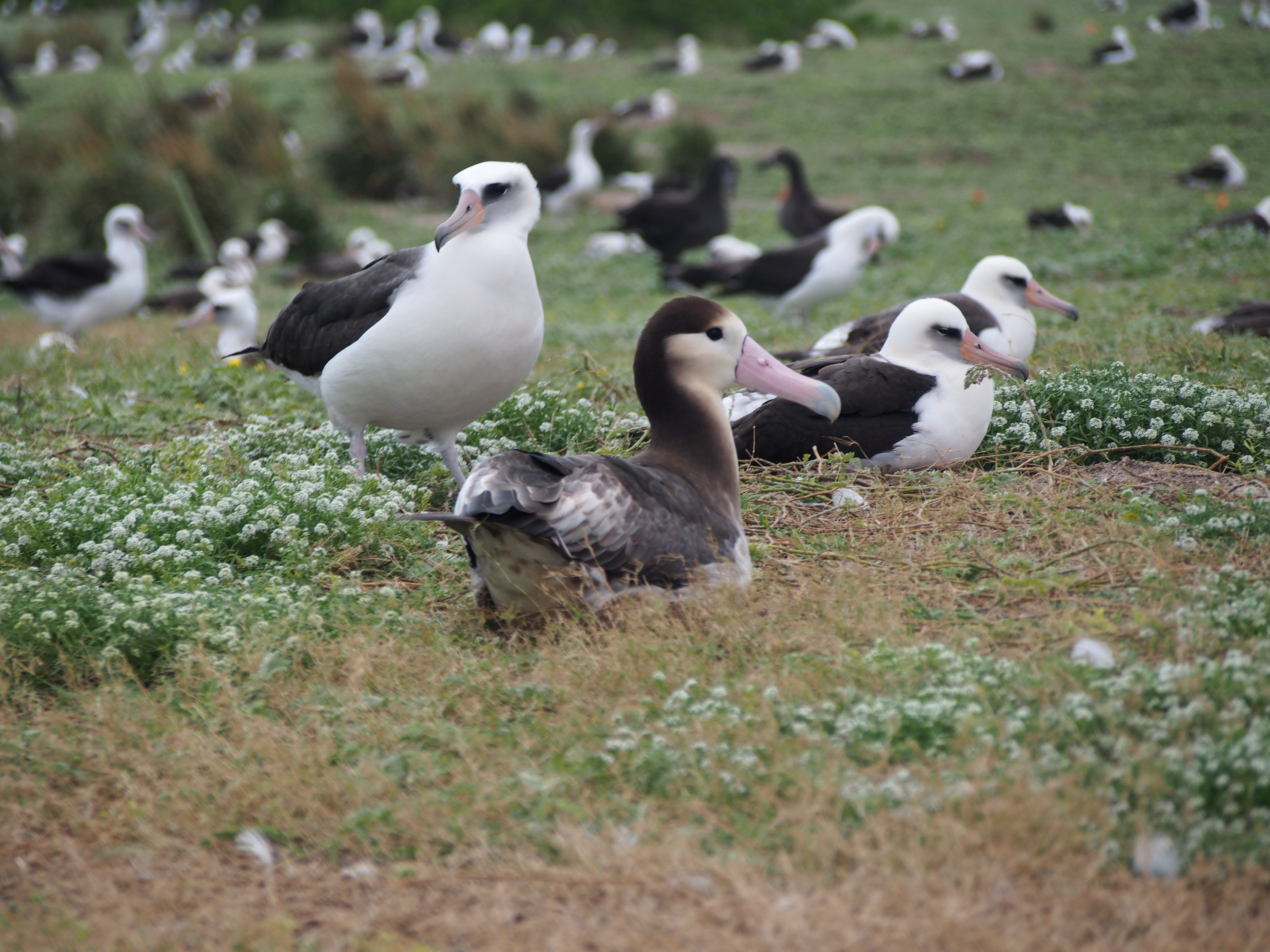 Makalena
Short-tailed Albatross
-
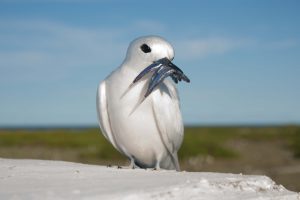 Manu-o-Kū
Blue-billed White-Tern
-
 Mōlī
Laysan Albatross
-
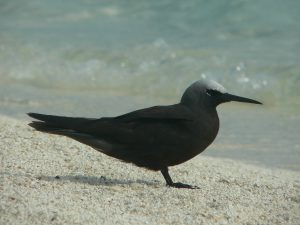 Noio
Black Noddy
-
 Noio kōhā
Brown Noddy
-
 Nunulu
Bonin Petrel
-
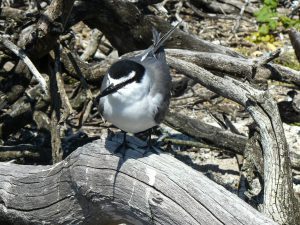 Pākalakala
Gray-backed Tern
-
 ʻUaʻu kani
Wedge-tailed Shearwater
Help protect seabirds and shorebirds on Hōlanikū
KAC/DLNR field crews monitor wildlife and restore habitat year-round. Your support keeps them on the island.