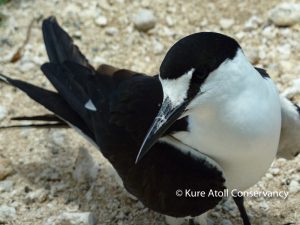
Kaʻupu
Black-footed Albatross
Phoebastria nigripes
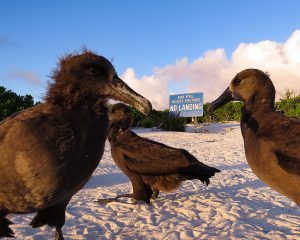
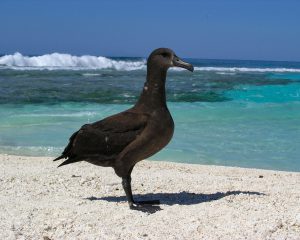
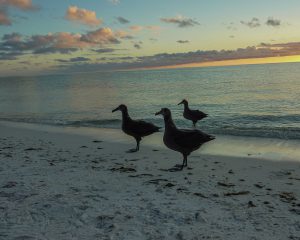
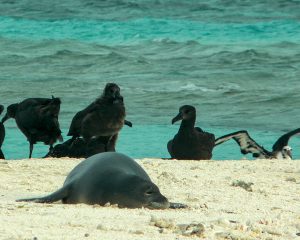
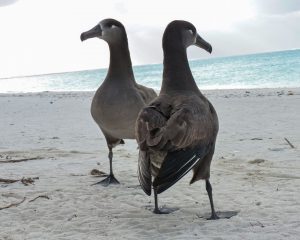
A dark, dusky albatross that nests on the open beaches and sandy edges of Hōlanikū.
| State recognized | Indigenous |
|---|---|
| IUCN Red List | Near Threatened |
| USFWS Bird of Conservation Concern | Yes (2021) |

Species Information
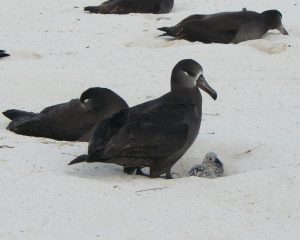
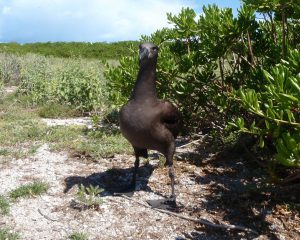
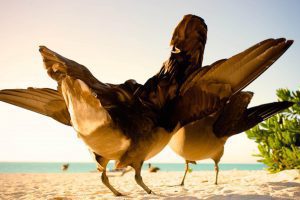
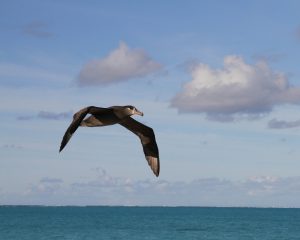
The kaʻupu, or Black-footed Albatross, is the smallest albatross (family Diomedeidae) found in Hawaiʻi. Adults are dark brown to black with a narrow whitish band at the base of the bill and another under the eye. About one in ten also has a white rump and undertail. Like all albatrosses, kaʻupu are expert fliers that use dynamic soaring to cover great distances.
Foraging & Nesting
Kaʻupu feed on the surface, seizing prey while sitting on the water and sometimes tipping forward like a duck. Like many seabirds, they use a keen sense of smell to find food, and they often follow fishing boats.
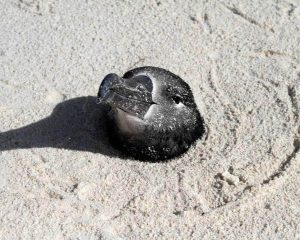
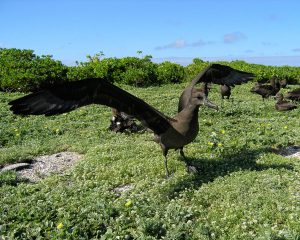
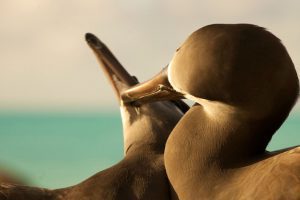
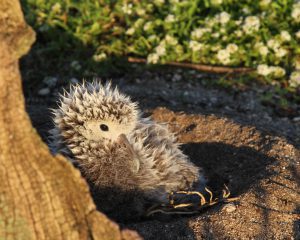
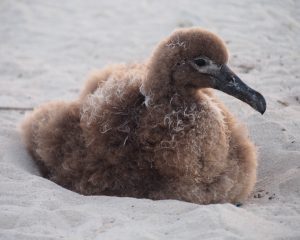
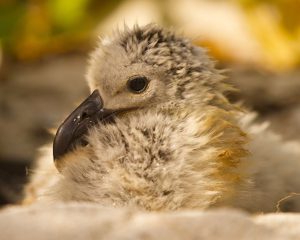
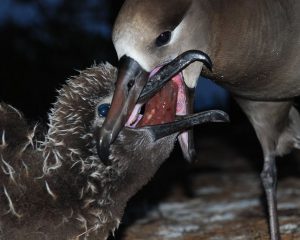
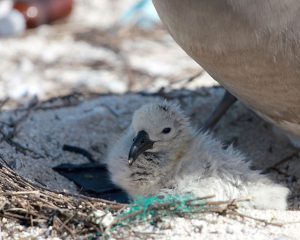
Kaʻupu keep the same mate for life and return to the same nest site year after year, though pairs do not always breed every year. They nest in large colonies in shallow hollows on open, sandy beaches and dunes, and pairs perform noisy courtship dances. In Hawaiʻi, eggs are laid in November and chicks fledge in June and July. Each pair lays only one egg a year, and both parents incubate, brood and feed the chick. Young birds stay at sea until their third year, then return to dance, build practice nests and look for a mate.
Distribution & Abundance
Apart from a few colonies off Japan, kaʻupu nest only in the Northwestern Hawaiian Islands, where they breed on every island. They once nested on Johnston, Marcus and Wake islands and in the Marshall and Northern Mariana Islands, but there is no evidence that they ever nested on the main Hawaiian Islands. Outside the nesting season they range across the North Pacific.
About 95 percent of the world's kaʻupu nest in Hawaiʻi, most of them on Kamole (Laysan Island) and Kuaihelani (Midway Atoll). They nest on open sandy beaches and dunes, sometimes among vegetation. On the IUCN Red List the species was moved from Endangered to Near Threatened in 2013, after new data showed the population is stable or increasing.
Conservation Actions
Kaʻupu are protected under the federal Migratory Bird Treaty Act and State of Hawaiʻi law, and the U.S. Fish and Wildlife Service lists them as a Bird of Conservation Concern. Hawaiʻi's State Wildlife Action Plan calls for protecting and managing nesting colonies, controlling and removing predators, reducing bycatch in fisheries, education about plastic and marine pollution and starting new colonies on higher islands safe from sea level rise.
On Hōlanikū, KAC/DLNR crews plant native naupaka and kāwelu along the shoreline to shelter beach nests from high surf. In 2024 and 2025 crews also helped Oikonos Ecosystem Knowledge fit kaʻupu with small leg-band trackers to learn where they feed while raising chicks and outside the nesting season.
Current Threats
Because kaʻupu nest on open beaches close to the water, they are especially exposed to rising seas, high surf and storms. In January 2025, large swells on Hōlanikū reached the vegetation line around the whole island and washed out at least 100 albatross nests. At sea, kaʻupu are caught as bycatch on longline hooks more often than mōlī because they follow boats, and they swallow floating plastic.
In the past, feather hunters wiped out colonies on Johnston, Wake and Marcus islands around 1900, and many more birds died during World War II and in high-seas drift nets until those were banned in 1993.
On Hōlanikū
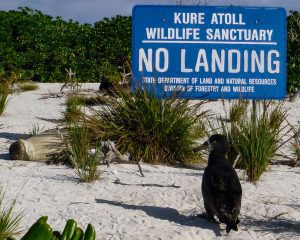
Kaʻupu nest mainly along the beaches and on parts of the old runway on Hōlanikū. KAC/DLNR crews count every nest each December and every chick before fledging. The December 2024 count found 3,042 kaʻupu nests, and 1,525 chicks were counted the following spring.

The Kiamanu Project
Gathering salvage seabird materials in Kure field camps support the perpetuation of traditional practices and ceremonies that promote responsible environmental kinship and whose tools and feather products were traditionally made from seabirds.
ʻŌlelo noʻeau #1437
Ka manu kaʻupu hālō ʻalo o ka moana
The kaʻupu, the bird that observes the ocean.
Said of a careful observer
More seabirds of Hōlanikū
-
 ʻĀ
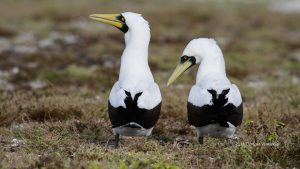
Masked Booby
-
 ʻĀ
Red-footed Booby
-
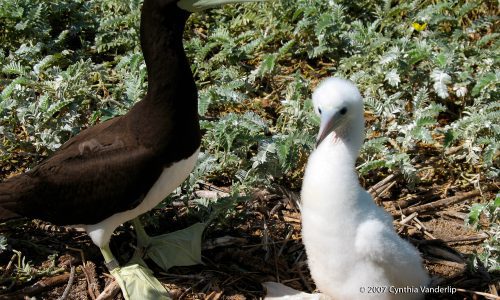 ʻĀ
Brown Booby
-
 ʻAkihikēʻehiʻale
Tristram's Storm-Petrel
-
 ʻAoʻū
Christmas Shearwater
-
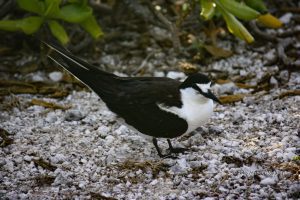 ʻEwaʻewa
Sooty Tern
-
 ʻIwa
Great Frigatebird
-
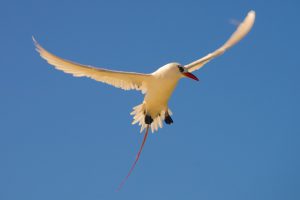 Koaʻe ʻula
Red-tailed Tropicbird
-
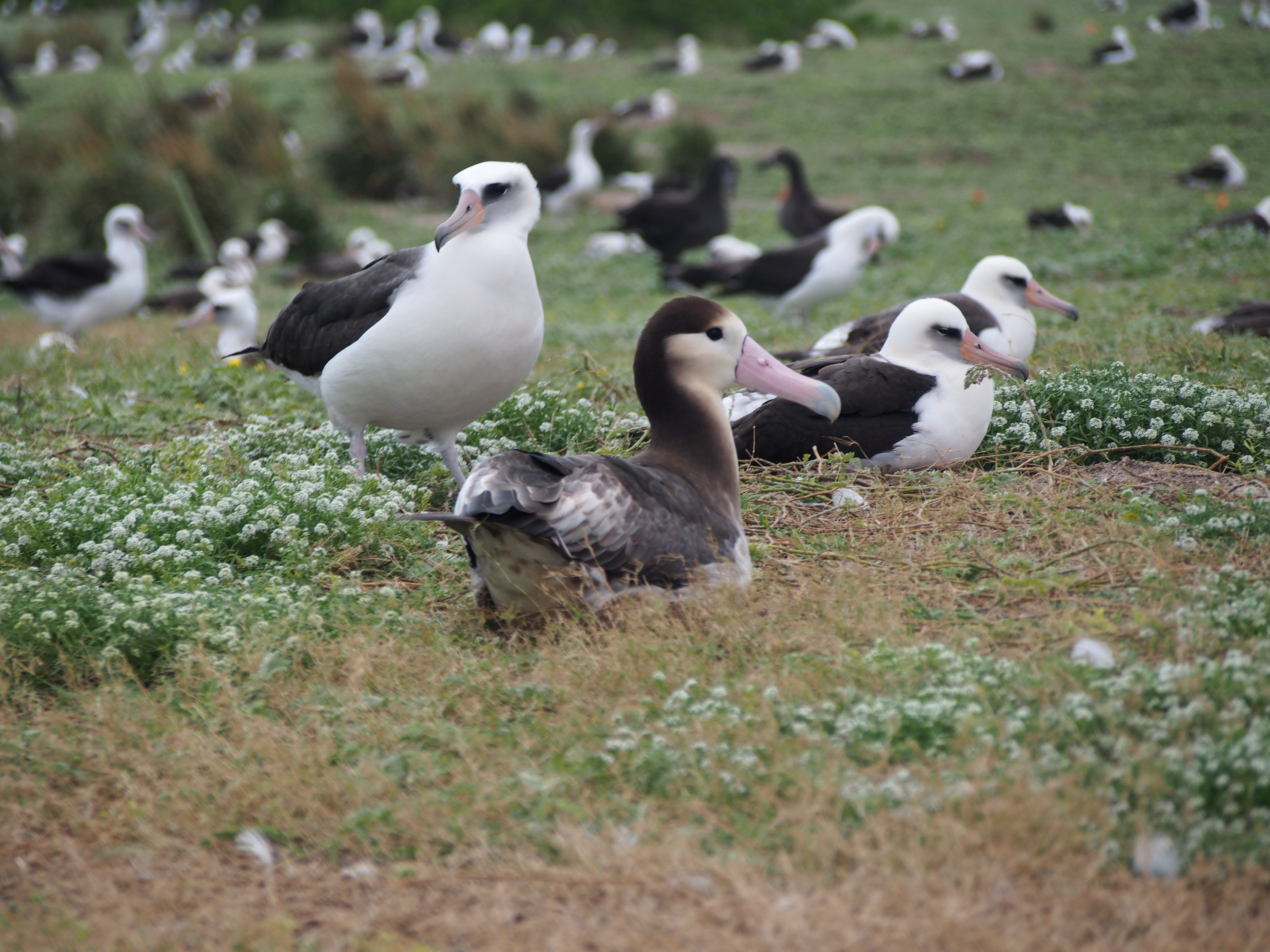 Makalena
Short-tailed Albatross
-
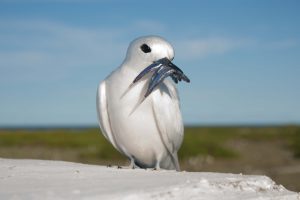 Manu-o-Kū
Blue-billed White-Tern
-
 Mōlī
Laysan Albatross
-
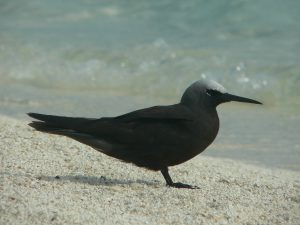 Noio
Black Noddy
-
 Noio kōhā
Brown Noddy
-
 Nunulu
Bonin Petrel
-
 ʻOu
Bulwer's Petrel
-
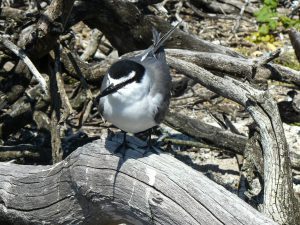 Pākalakala
Gray-backed Tern
-
 ʻUaʻu kani
Wedge-tailed Shearwater
Help protect seabirds and shorebirds on Hōlanikū
KAC/DLNR field crews monitor wildlife and restore habitat year-round. Your support keeps them on the island.