
ʻAoʻū
Christmas Shearwater
Puffinus nativitatis
A dark, medium-sized shearwater that nests under the cover of native plants on Hōlanikū.
| State recognized | Indigenous |
|---|---|
| NatureServe Global Rank | G3G4 Vulnerable/Apparently secure |
| North American Waterbird Conservation Plan | High concern |
| USFWS Bird of Conservation Concern | Yes (2021) |
| IUCN Red List | Least concern |

Species Information
The ʻaoʻū, or Christmas Shearwater, is a medium-sized seabird in the family Procellariidae. It is dark brown, slightly paler underneath, with a short, wedge-shaped tail and a shiny black bill. Males and females look alike.
Foraging & Nesting
ʻAoʻū often feed in large, mixed-species flocks over schools of predatory fish that drive smaller prey to the surface. They catch food by seizing it while sitting on the water, by short plunges or by dipping prey from the surface in flight. Their diet is about half fish and half flying squid.
Like many seabirds, ʻaoʻū return to nest at the colony where they hatched, often at the same nest site. Colonies tend to be small. Each pair lays one egg a season, and both parents share all the work of raising the chick.
ʻAoʻū nest in rock crevices or under dense plants such as naupaka and kāwelu (Eragrostis variabilis); eggs and chicks must be shaded to survive the heat. In Hawaiʻi, eggs are laid from about February and chicks fledge in October or November, with no care from the parents after they leave. Based on a small sample, ʻaoʻū first breed at about four years old, and the oldest known bird lived to 17.
Distribution & Abundance
ʻAoʻū nest on tropical and subtropical islands of the Pacific. In Hawaiʻi they nest on Kaʻula, Moku Manu and Lehua off the main islands and throughout the Northwestern Hawaiian Islands from Nihoa to Hōlanikū, except Necker Island and Gardner Pinnacles. Other colonies are found on Johnston Atoll, in the Pitcairn Islands, on Sala y Gómez and Motu Nui off Rapa Nui (Easter Island) and in the Marquesas, Tuamotu, Line, Phoenix and Austral Islands. They have disappeared from the Ogasawara Islands, Minami-Torishima and Wake Island.
Hawaiʻi has about 2,500 to 3,300 breeding pairs. The largest colony, about 1,500 to 2,000 pairs, is on Kamole (Laysan Island).
Conservation Actions
ʻAoʻū are protected under the federal Migratory Bird Treaty Act and State of Hawaiʻi law, and the U.S. Fish and Wildlife Service lists them as a Bird of Conservation Concern. Hawaiʻi's State Wildlife Action Plan calls for removing and controlling predators and invasive species, protecting refuges and moving birds from the Northwestern Hawaiian Islands to higher main-island sites above projected sea level rise.
On Hōlanikū, KAC/DLNR crews control kaunaʻoa pehu (Cassytha filiformis) to protect the dune and shoreline plants where ʻaoʻū nest, and replant native shrubs and grasses that give their nests shade.
Current Threats
Like all burrow and ground-nesting seabirds, ʻaoʻū are vulnerable to rats and cats; all of the Northwestern Hawaiian Islands are now free of both. Invasive plants such as golden crownbeard (Verbesina encelioides) and the spreading vine kaunaʻoa pehu can smother the vegetation they nest under, and on Kamole and Lisianski introduced rabbits once stripped the islands bare. Rising seas threaten nesting areas on low islands.
On Hōlanikū
ʻAoʻū return to Hōlanikū in early March and dig in under naupaka, kāwelu and other plants across the island, often reusing the same nest sites year after year. Crews find adults on eggs in May and the first downy chicks in June. In June 2025 a crew member counted 11 adults in one area of the southwest quadrant.


ʻAoʻū
The name ʻaoʻū was chosen for the Christmas Shearwater because of its call: the sound ʻao repeated six times, followed by a long ʻū. ʻAo means a new shoot, leaf or bud, especially of kalo; ao also means cloud, daylight and enlightenment. ʻŪ means to growl, grunt, groan, moan, sigh or coo. Naming birds for their calls is a common practice for many seabirds and shorebirds in Hawaiʻi.
What's in a Name?
A webinar related to the research of the Papahānaumokuākea Native Hawaiian Cultural Working Group tasked with giving Hawaiian names to numerous other bird, plant, limu, and coral species unique to PMNM
More seabirds of Hōlanikū
-
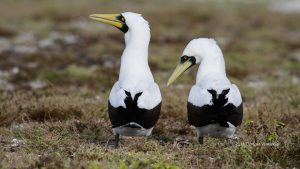 ʻĀ
Masked Booby
-
 ʻĀ
Red-footed Booby
-
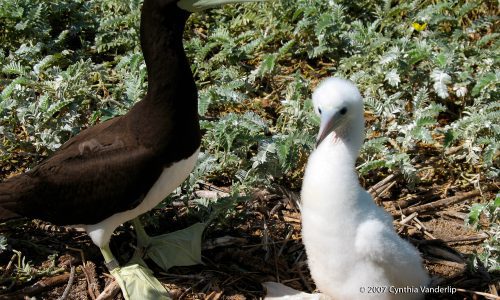 ʻĀ
Brown Booby
-
 ʻAkihikēʻehiʻale
Tristram's Storm-Petrel
-
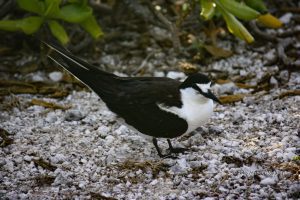 ʻEwaʻewa
Sooty Tern
-
 ʻIwa
Great Frigatebird
-
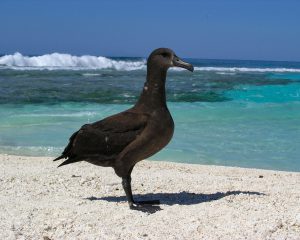 Kaʻupu
Black-footed Albatross
-
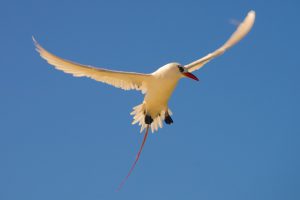 Koaʻe ʻula
Red-tailed Tropicbird
-
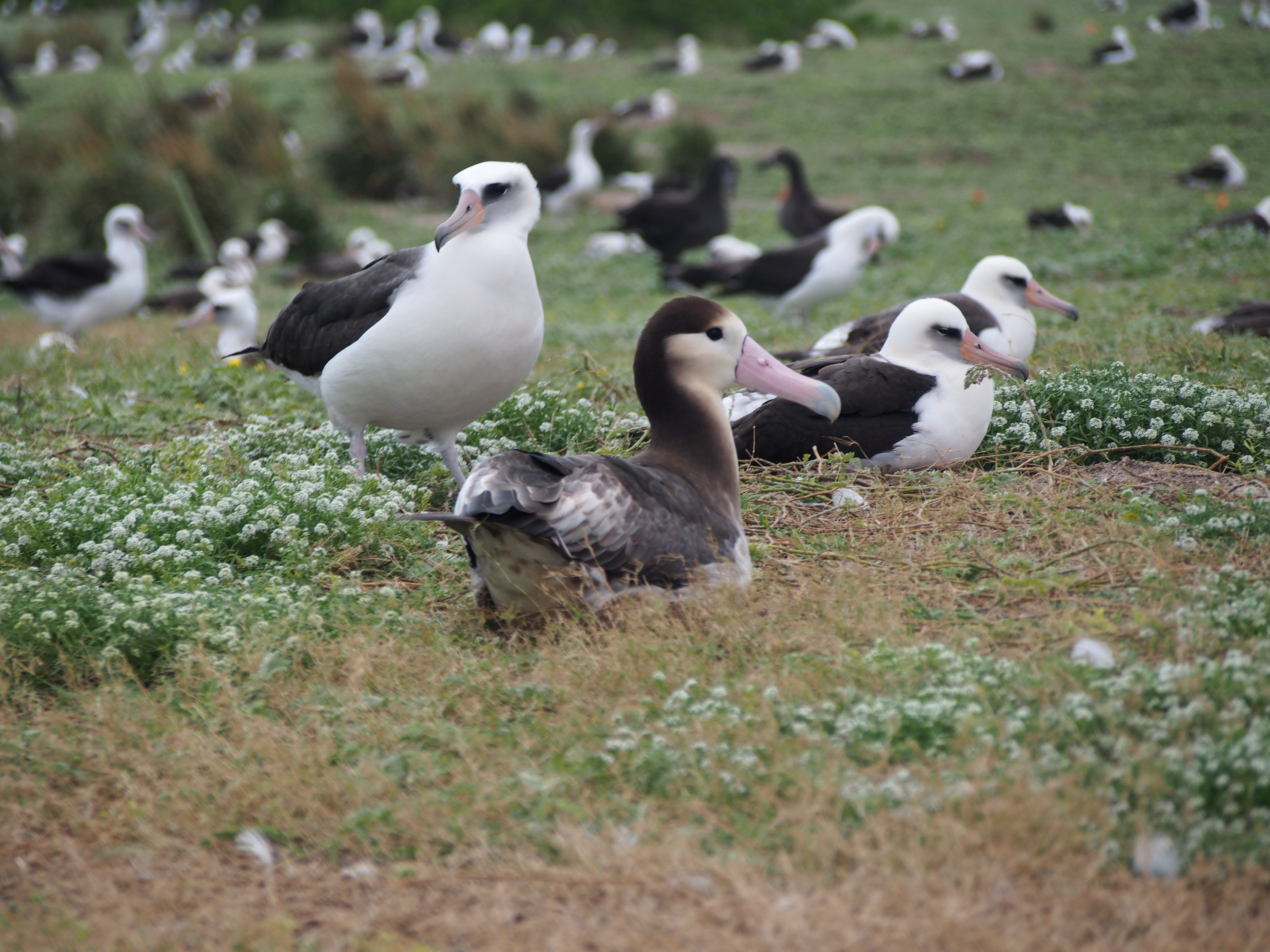 Makalena
Short-tailed Albatross
-
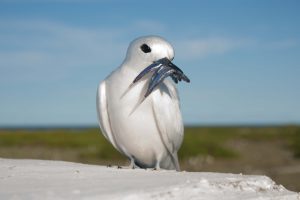 Manu-o-Kū
Blue-billed White-Tern
-
 Mōlī
Laysan Albatross
-
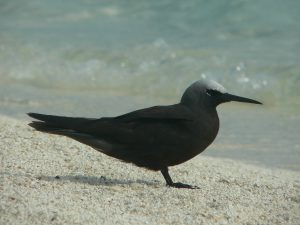 Noio
Black Noddy
-
 Noio kōhā
Brown Noddy
-
 Nunulu
Bonin Petrel
-
 ʻOu
Bulwer's Petrel
-
 Pākalakala
Gray-backed Tern
-
 ʻUaʻu kani
Wedge-tailed Shearwater
Help protect seabirds and shorebirds on Hōlanikū
KAC/DLNR field crews monitor wildlife and restore habitat year-round. Your support keeps them on the island.


