
Aloha kākou! Enjoy the latest field blog from our Field Station Manager, Naomi
Sixteen Years on Hōlanikū: Watching an Ecosystem Recover 


When I first arrived on Hōlanikū (Kure Atoll) in May 2010 as a monk seal field technician, I had no idea how deeply this remote place would shape my life.
At the time, I was focused on monitoring endangered ʻīlioholoikauaua (Hawaiian monk seals)—conducting surveys, documenting pups, and learning to live and work in one of the world’s most isolated locations. But over time, Hōlanikū became much more than a field site. It became a place I returned to year after year, drawn back by the wildlife, the restoration work, and the privilege of witnessing change unfold across an entire ecosystem. Somewhere along the way, it also became home.
Since 2010, I have returned regularly to support wildlife research and habitat restoration across the atoll. Over those years, I witnessed Hōlanikū transform in ways that once felt impossible.
One of the most remarkable changes has been the recovery of native habitat and the visible increase in wildlife abundance and diversity across the island.
When I first began working on Hōlanikū, large portions of the island were heavily affected by invasive vegetation and ants, which altered nesting habitat, impacted ground-nesting seabirds, and displaced native plants. Restoration work was physically demanding and often felt endless—long days spent walking transects through heat, wind, and rain, removing invasive species, hauling marine debris, monitoring wildlife, and carefully documenting change.
But season after season, the work continued. And slowly, the island responded.
Native groundcover and grasses began returning to areas once overtaken. Open nesting habitat expanded, and seabirds quickly reclaimed restored areas with remarkable resilience.
Today, when I walk through the island interior, I see and hear life everywhere.
Tens of thousands of mōlī (Laysan Albatross) and kaʻupu (Black-footed Albatross) blanket the landscape during breeding season. ʻĀ (Red-footed, Brown, and Masked Boobies), pākalakala (Gray-backed Terns), manu-o-Kū (White Terns), ʻewaʻewa (Sooty Terns), koaʻe ʻula (Red-tailed Tropicbirds), ʻiwa (Great Frigatebirds), ʻaoʻū (Christmas Shearwaters), and ʻakihikeʻehiʻale (Tristram’s Storm-Petrels) all contribute to the constant movement and sound of the island. Many species now appear in greater numbers—or in places where they were once uncommon.
One of the highlights I will never forget was participating in conservation efforts connected to the translocation of koloa pōhaka (Laysan duck) to Hōlanikū, one of the rarest waterfowl species in the world. Seeing these adorable birds establish themselves within the Northwestern Hawaiian Islands is a powerful reminder of what collaborative conservation can accomplish.
Hōlanikū has also always been full of surprises. Over the years, I’ve been fortunate to witness numerous rare and visiting bird species appearing on the island—birds blown off course, migrants stopping briefly to rest, and species rarely documented in such a remote location. Every unusual sighting brought excitement to camp and served as another reminder of how connected Hōlanikū is to the wider Pacific.
The recovery of Hōlanikū is not the work of one person. It reflects decades of dedication from an incredible community of volunteers, field technicians, crew leaders, researchers, managers, Native Hawaiian practitioners, and agency partners committed to protecting this place within Papahānaumokuākea Marine National Monument.
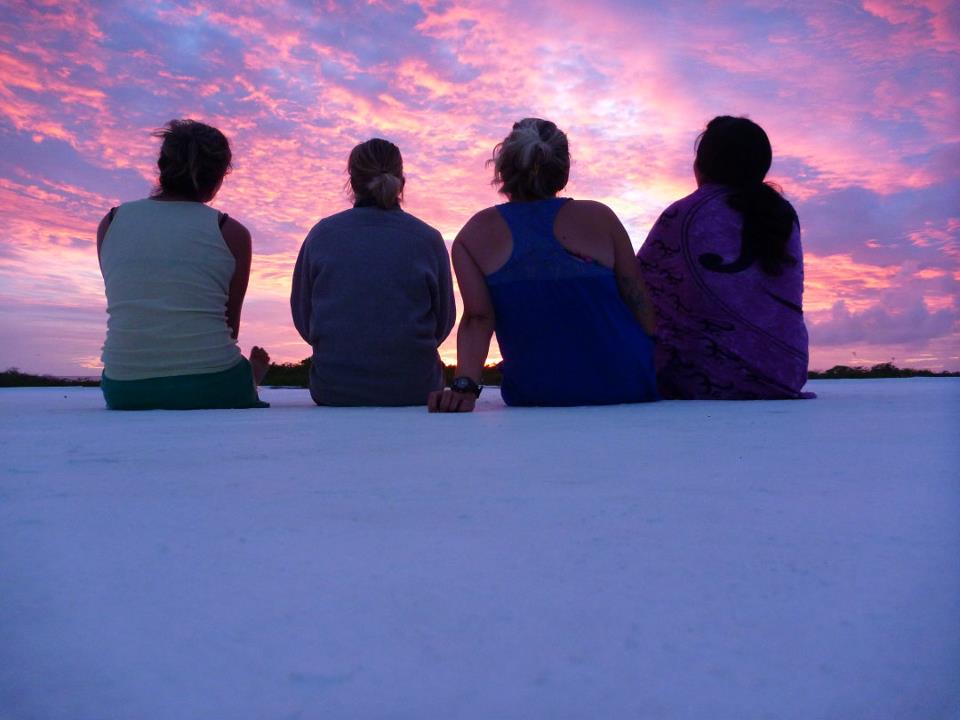
Many of us arrived as strangers, but Hōlanikū has a way of turning people into ʻohana.
Living and working in such an isolated place creates bonds that are difficult to describe unless you have experienced it yourself. You celebrate together, weather storms together, solve problems together, and support one another through the challenges of remote field life. Over time, the island becomes woven into your identity. The people become family.
Some of the people I worked beside arrived with little field experience and grew into exceptional conservation professionals, leaders, and mentors themselves. Watching people grow alongside the island—developing confidence, resilience, and a deep connection to conservation—has become one of the most rewarding parts of my own journey.
Over the years, my role has evolved from seasonal field technician to leadership and management positions, and I now have the privilege of mentoring and supporting new generations of conservation staff and volunteers as they begin their own journeys on Hōlanikū. There is something special about watching people fall in love with this place for the first time—watching Hōlanikū become part of them, too.
Last week marked another milestone I never could have imagined during my first season here: celebrating ten birthdays within Papahānaumokuākea. Birthdays on Hōlanikū are never extravagant, but they are always meaningful. This year also included a delicious pineapple upside-down birthday cake—mahalo nui loa to Nick and Kayla for making it happen!
It also felt especially meaningful to spend the past week alongside the winter crew, who have given so much of themselves to this place. Their dedication, resilience, humor, and hard work are part of what keeps Hōlanikū thriving season after season. At the same time, the arrival of the NOAA monk seal team and a new habitat restoration volunteer has brought fresh faces, new energy, and the beginning of another chapter for the atoll.
Hōlanikū has taught me that conservation is deeply collaborative. Real ecosystem recovery happens because people continue showing up—season after season—to mālama ʻāina, support one another, and do the difficult work required to protect habitat for the species that depend on it.
The island has also taught me patience. Ecosystem recovery does not happen quickly. On remote islands, progress is measured over years and decades rather than days. Sometimes the changes are dramatic; other times they are subtle—a seabird returning to restored habitat, native plants spreading back across the island, or a monk seal pup surviving another season.
Those moments matter.
Even after sixteen years, Hōlanikū still surprises me. Every season brings something new: shifting wildlife populations, rare bird sightings, changing shorelines, successful nesting and breeding seasons, and reminders of how connected this remote ecosystem is to the rest of the world.
I feel incredibly fortunate to have witnessed even a small part of this story.
What began as a single field season became a lifelong connection—to a place, to a purpose, and to an ʻohana that continues to shape who I am today.
A hui hou,
Naomi

