Kōlea
Pacific Golden-Plover
Pluvialis fulva
A long-distance migrant that spends each winter in Hawaiʻi and flies thousands of miles nonstop to nest on the Arctic tundra of Alaska and Siberia.
| State recognized | Indigenous |
|---|---|
| U.S. Shorebird Conservation Plan | High concern |
| IUCN Red List | Least concern |
| NatureServe Global Rank | G5 Secure |

Species Information
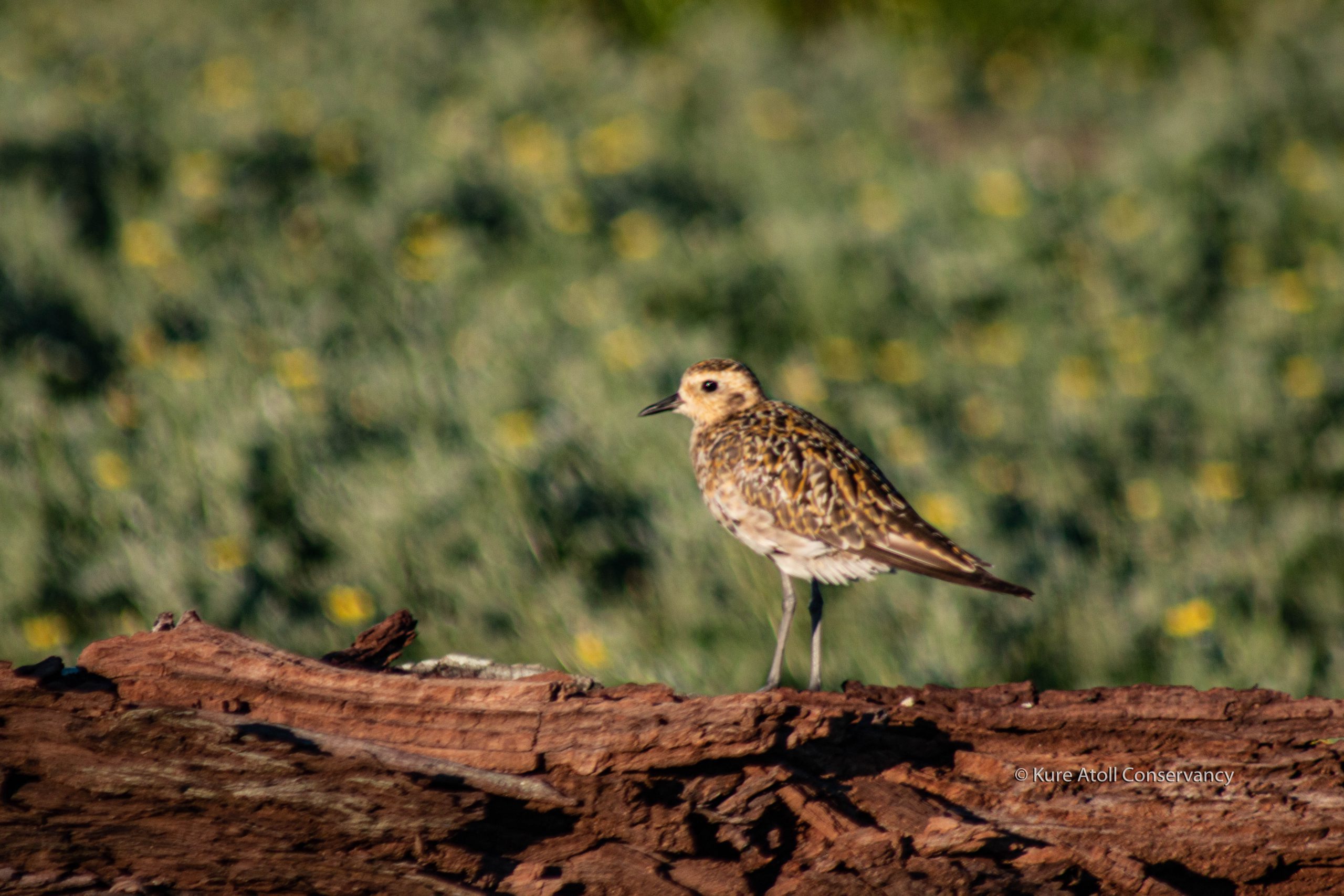
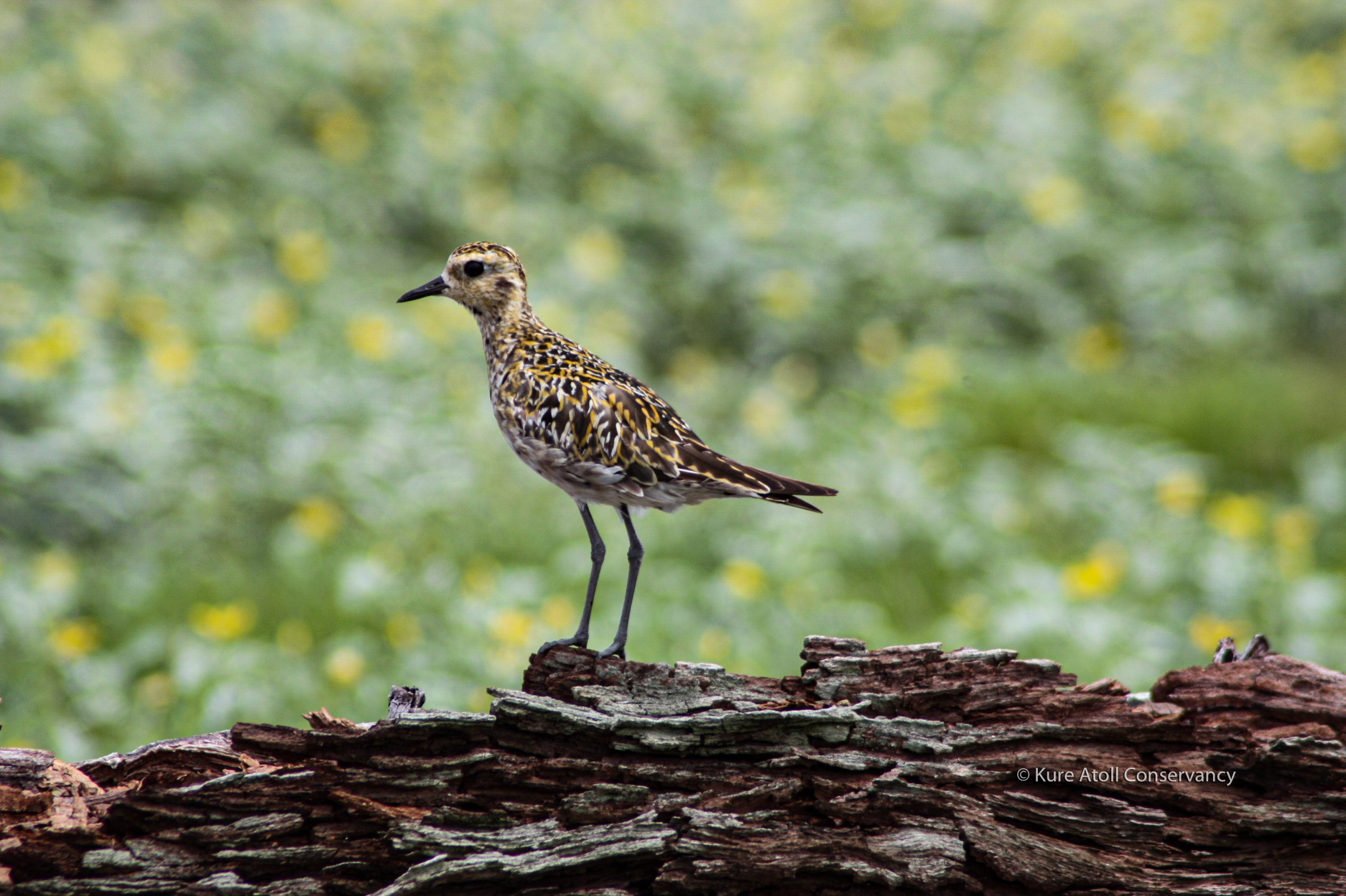
The kōlea, or Pacific Golden-Plover, is a small, yellow-and-buff mottled shorebird (family Charadriidae) that winters in the main Hawaiian Islands and nests in Siberia and westernmost Alaska. Most adults arrive in Hawaiʻi in August, and juveniles follow in October. Spring departures begin in late April.
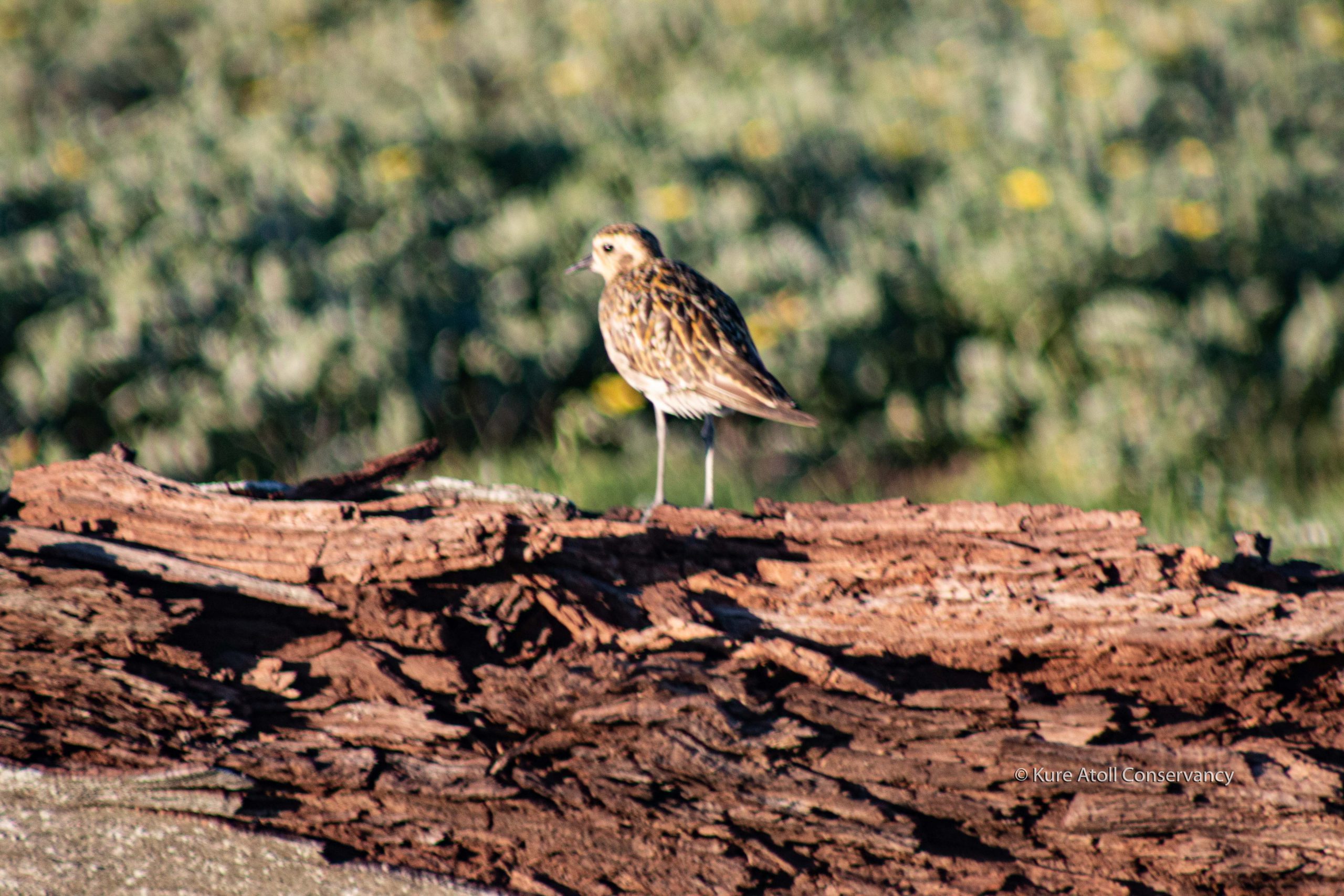
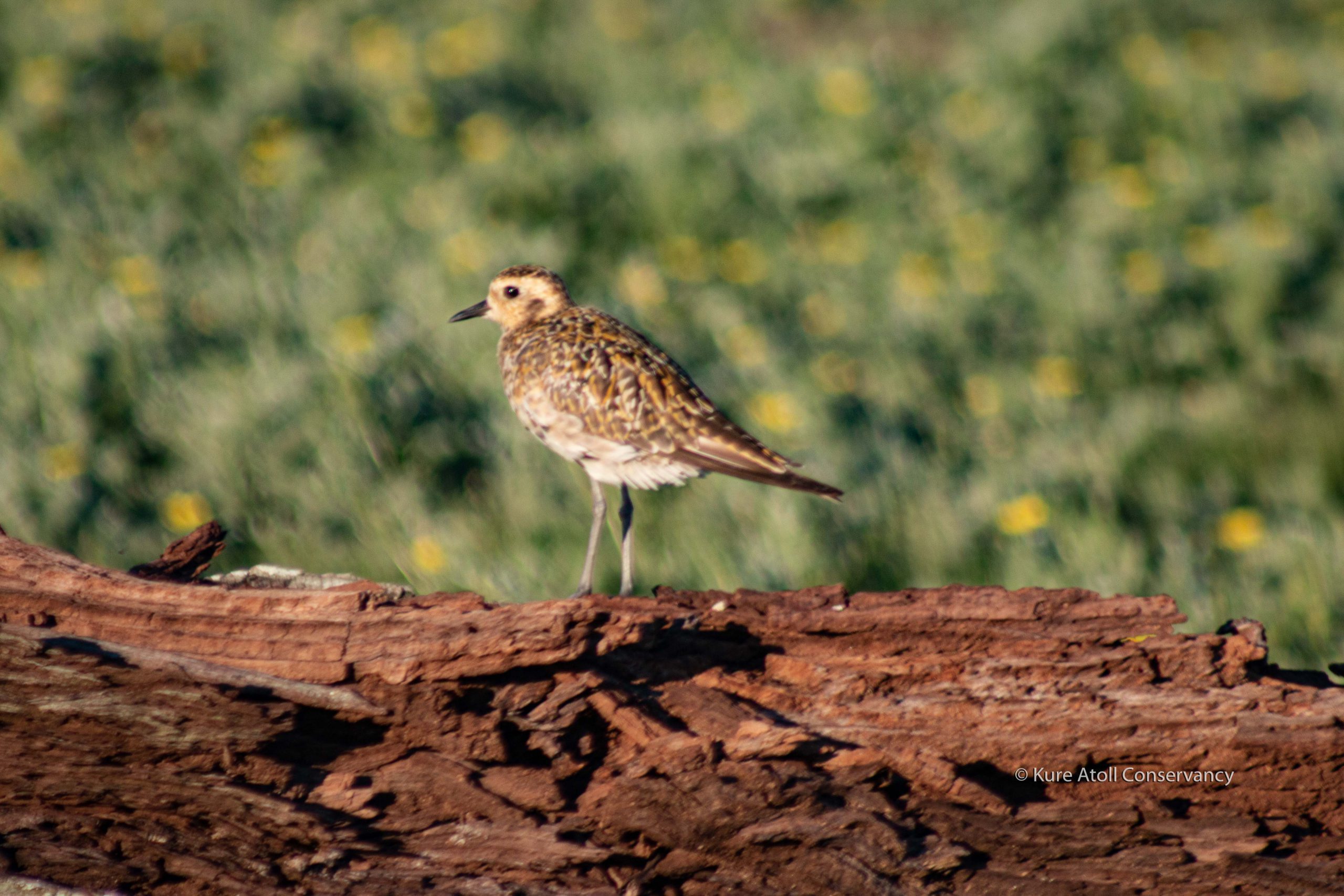
Like many shorebirds, kōlea have long, slender legs and thin bills. Their plumage changes dramatically between seasons. Outside the breeding season, adults are gray-brown and mottled, with yellow spots on the back and wings and a black tail. In the breeding season, males take on what is sometimes called a "tuxedo": the face, neck, and belly turn black, edged with a bold white stripe, while the back keeps its golden spots.
Foraging & Nesting
Although a shorebird, the kōlea often prefers inland sites with short grass for foraging. In towns, it feeds on lawns, parks and golf courses. Kōlea hunt by sight, mostly for insects such as cockroaches, moths, caterpillars and earwigs. On the breeding grounds, they also eat berries, leaves and seeds until the ground thaws and insects emerge.
Kōlea nest in the Arctic, from Siberia to western Alaska, choosing lowland tundra or stony uplands with mosses and lichens. The nest is a shallow scrape on the ground, and the black-and-white speckled eggs blend into the surroundings. Chicks feed themselves from hatching while their parents watch over them. Pairs often return to the same nest site, or within about 100 meters of it, year after year.
Kōlea are just as faithful to their wintering grounds. Many return to the same patch of grass each fall and defend it fiercely against other birds.
Distribution & Abundance
Kōlea are highly migratory. They leave Hawaiʻi for Alaska and Siberia in late April and May, nest through the northern summer and return in the fall, often flying thousands of miles nonstop over open ocean.
In winter they spread across the tropical Pacific, from Hawaiʻi to Japan, and as far as East Africa, India, Southeast Asia and Australia. In Hawaiʻi they are common on all the main islands and in the Northwestern Hawaiian Islands from August through April. A small number stay through the summer instead of migrating.
Wintering kōlea use almost any open habitat: pastures, crop fields, salt marshes, mudflats, beaches, airports, cemeteries, sports fields, parks, lawns and roadsides. In Hawaiʻi, they range from the shoreline to at least 2,500 meters (8,200 feet) on mountain slopes. Birds that winter in Hawaiʻi tend to nest in southwest Alaska. The global population is estimated at 190,000 to 250,000 birds.
Conservation Actions
Kōlea are listed as Least Concern on the IUCN Red List because of their huge range and large population, although the global population is thought to be declining. The U.S. Shorebird Conservation Plan ranks the species as High Concern.
Kōlea are protected under the federal Migratory Bird Treaty Act. Hunting kōlea in Hawaiʻi, once a serious threat, was banned in 1941, and populations are thought to have recovered since. There is no species-specific recovery plan.
Current Threats
Hunting was the main threat until it was prohibited in 1941. Today, kōlea that winter on golf courses and lawns may be exposed to herbicides and pesticides, although the effects are not well known. Collisions with aircraft happen occasionally at Līhuʻe (Kauaʻi) and Kahului (Maui) airports in the fall, when young birds try to set up feeding territories on airport grounds.
On Hōlanikū
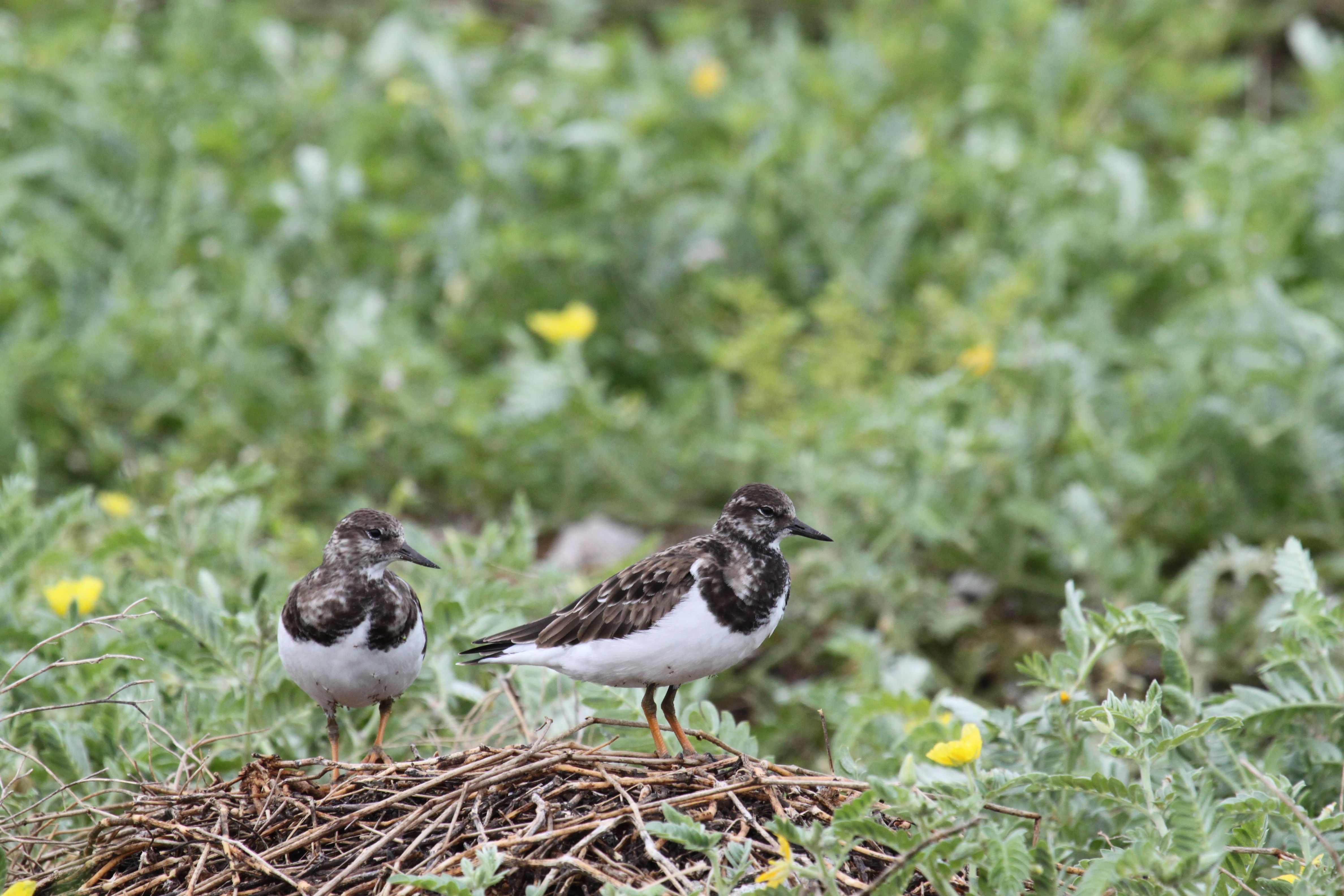
Kōlea visit the atoll every year, arriving around late August and staying through the winter. Crews see them gathering in large groups on the beaches and the old runway, often alongside ʻakekeke (Ruddy Turnstone), and alone in grassy areas across Green Island. Their flight call and slim, long-winged shape make them easy to tell from the other shorebirds that visit.
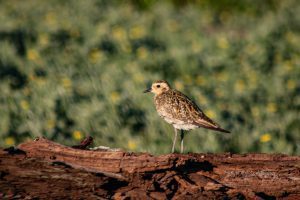
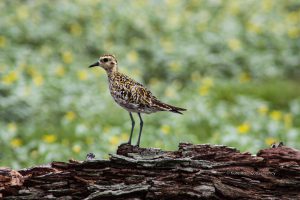
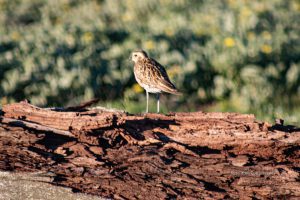
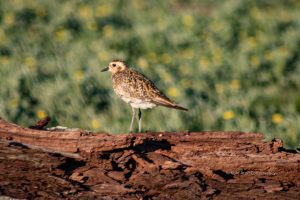

Kōlea
Kolea (kō'-lē'-a), n.
1. A stepfather or stepmother.
2. A parent-in-law; a father-in-law, makuakane kolea, or a mother-in-law, makuawahine kolea: he kane hou na ka makuahine, he wahine hou na ka makuakane.
2. The Pacific Golden Plover (Pluvialis fulva); a migratory bird which makes its appearance about the end of August and leaves again early in May. A popular game bird.
What's in a Name?
A webinar on the work of the Papahānaumokuākea Native Hawaiian Cultural Working Group, which has given Hawaiian names to many birds, plants, limu, and corals found in the monument.
More shorebirds of Hōlanikū


Help protect seabirds and shorebirds on Hōlanikū
KAC/DLNR field crews monitor wildlife and restore habitat year-round. Your support keeps them on the island.