
Volunteer on Hōlanikū
Spend a season living, working and learning at one of the most remote field camps on Earth. As a Kure Atoll Conservancy and Hawaiʻi Department of Land and Natural Resources (DLNR) volunteer, you will help restore habitat, monitor wildlife and care for Hōlanikū (Kure Atoll).
Apply Now Applications are accepted year-round. New to Hōlanikū? Explore the volunteer experience and field station expectations below before applying.What Volunteers Do
Hōlanikū is more than 1,300 miles from Honolulu, and a dedicated field team has maintained a year-round presence on the atoll since 2010. KAC field volunteers work in partnership with the State of Hawaiʻi Department of Land and Natural Resources (DLNR) to protect and restore this remarkable ecosystem. Hōlanikū is both a working field station and a place of learning, where volunteers receive hands-on training and develop practical field skills. The examples below highlight some of the work you may participate in, depending on the season, project priorities, and applicable permits.
-
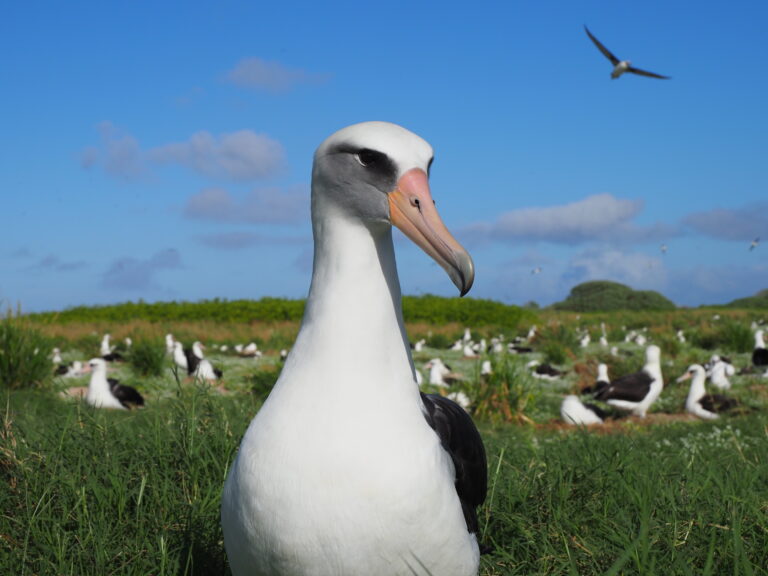
Seabird Monitoring
Monitor nesting activity, breeding success, and population trends for thousands of seabirds, including mōlī (Laysan Albatross), kaʻupu (Black-footed Albatross), and other nesting species.
-

Wildlife Surveys
Monitor wildlife populations across the atoll, including endangered koloa pōhaka (Laysan Ducks), ʻīlioholoikauaua (Hawaiian Monk Seals), shorebirds, and other native wildlife. Conduct surveys, document observations, and help protect habitat.
-
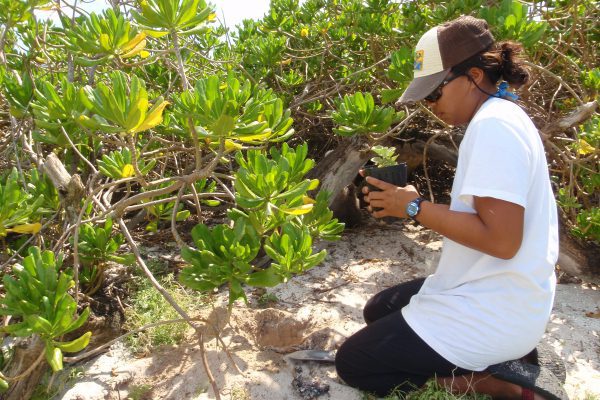
Habitat Restoration
Grow and outplant native coastal vegetation, maintain restoration areas, and improve habitat for nesting seabirds and other native wildlife.
-
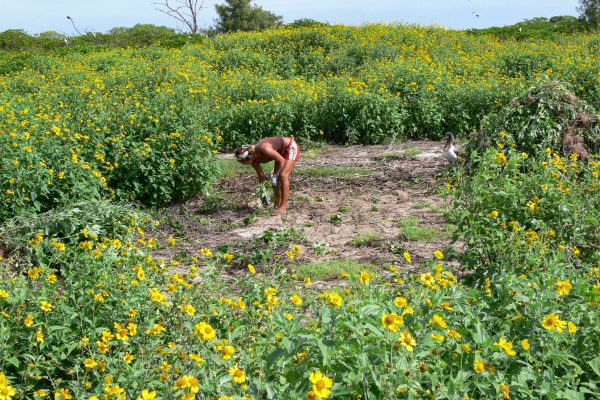
Invasive Plant Removal
Survey the island for invasive plants, including golden crownbeard (Verbesina encelioides), and remove them before they can produce seeds. Help restore native vegetation and protect wildlife habitat.
-
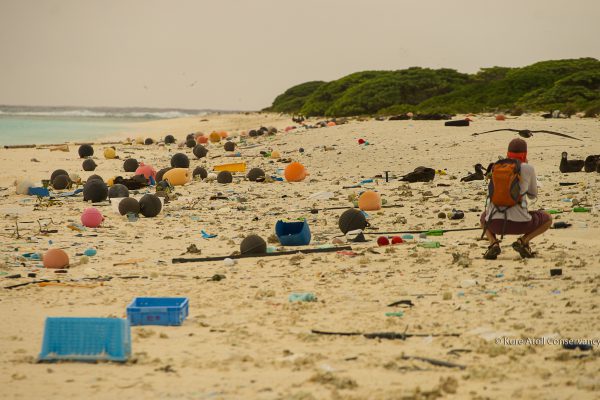
Marine Debris Removal
Collect and document discarded fishing nets, lines, plastics, and other marine debris that wash ashore, reducing entanglement and ingestion hazards for seabirds, Hawaiian monk seals, sea turtles, and other marine wildlife.
-
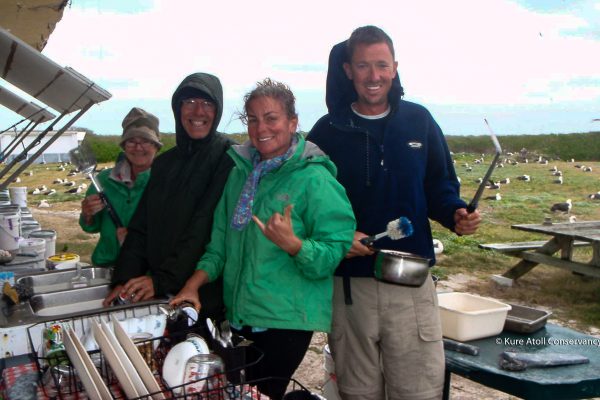
Camp Life
Share the responsibilities of living and working at a remote, solar-powered field station, from cooking and cleaning to maintaining facilities, equipment, and water systems. Teamwork and adaptability are essential to daily life on Hōlanikū.
Training and Learning
The volunteer program is built around learning. Volunteers receive extensive practical training and work alongside experienced conservation professionals, gaining skills and experience that can be a valuable stepping stone to a career in conservation.
Field skills
About 70% of fieldwork centers on invasive species management, so you will become skilled at finding, identifying and controlling invasive plants. Training and fieldwork include:
- Removing invasive plants by hand and with targeted herbicide (pesticide training is provided)
- Monitoring invasive species
- Identifying plants and animals using Hawaiian, common and scientific names
- Wildlife monitoring and data collection
- Native plant propagation and outplanting
- Safe animal handling and disease response, as project permits allow
- Beach cleanups to remove entanglement and ingestion hazards
- Off-grid living and facility maintenance
Hawaiian culture and place
Cultural and ecological stewardship go hand in hand on Hōlanikū. Volunteers are expected to approach the atoll with respect for Hawaiian cultural practices and place-based knowledge throughout their season. Field teams:
- Receive pre-deployment cultural and permit briefings from Papahānaumokuākea
- Learn about the Hawaiian host culture through library resources and briefings
- Learn arrival and departure oli
- Learn and use Hawaiian names for places and wildlife
- Document Huliʻia observations each month
- Follow guidance to protect and preserve ahu on Hōlanikū
- Follow Papahānaumokuākea Best Management Practices and the Mai Ka Pō Mai Native Hawaiian guidance document
We integrate cultural values into daily life and wildlife management, fostering a deep sense of kuleana for Hōlanikū.
Field Seasons
Our field station operates year-round with two overlapping seasonal crews. Winter is the longer season, typically about 8 to 9 months from fall into early summer, and summer typically runs about 5 to 6 months from late spring into fall. Both include time in Honolulu before and after deployment for training, gear preparation and wrap-up, which often overlaps with the next crew. Volunteers are expected to commit to their full assigned season. Start and end dates vary from year to year with ship schedules and operational needs, so tell us which season, or seasons, you are available for when you apply.
Typically begins in the fall
Our longer season, spanning albatross courtship, nesting and chick-rearing. Winter volunteers see the full breeding cycle of the seabirds of Hōlanikū.
Typically begins in the spring
Work follows the priorities of the season and can include habitat restoration, invasive plant control, marine debris removal and wildlife monitoring.
Life at the Field Station
Living on Hōlanikū is a rare opportunity, and it asks for flexibility, patience and a good sense of humor. Here is what daily life is like.
Living and working
- A small crew of about 4 to 6 people, sharing a bunkhouse, kitchen and work spaces with DLNR staff
- Solar power and rain-catchment water. Fresh water is limited, and saltwater may be used for laundry, bathing and dishes.
- Mostly dried, canned and frozen food. Fresh food is not allowed because of biosecurity.
- Physically demanding fieldwork, including walking up to 10 miles a day in sun, heat and wind
- A full field schedule of about 40 hours a week that follows wildlife and project needs, plus shared camp chores
- Limited recreation. Access around the island is restricted outside work hours to protect wildlife.
Staying connected and getting there
- No cell service. Limited Wi-Fi through Starlink, depending on weather and solar power, plus satellite phone and inReach devices.
- Strict biosecurity. All gear is inspected and frozen or fumigated, and clothing must be new or used only on Hōlanikū. Quarantine work clothing is provided.
- Travel is by ship. Trips are limited and infrequent, and dates can shift with weather or ship schedules.
- Medical help is remote. Doctors are on call by phone, but an emergency evacuation can take time.
What We Provide
KAC covers transportation from Honolulu, housing, meals, equipment, supplies and the costs of living and working on Hōlanikū, including:
- Travel between Honolulu and Hōlanikū
- Food and housing at the field camp for the whole season
- Quarantine work clothing and field gear
- Extensive hands-on training in field methods, safety and Hawaiian cultural practices
- A modest $150 monthly stipend to help offset costs, subject to available funding and discussed during the interview
- The experience of a lifetime on one of the most remote atolls on Earth
Travel to and from Honolulu is the volunteer's responsibility.
Who We're Looking For
- People who are eager to learn and expand their knowledge of a complex ecosystem. No conservation job or biology degree is required.
- People who enjoy physical work outdoors in sun, wind and rain
- Good teammates who are comfortable living with a small crew for months at a time
- Careful, patient workers who can follow detailed protocols for wildlife and biosecurity
- A love of nature and a commitment to mālama ʻāina (caring for the land)
- People interested in building practical skills and experience for future opportunities in conservation and field research
How to Apply
We review applications year-round for upcoming Summer and Winter seasons. Apply with the form below, or by email. Either way works. Selection depends on crew openings, seasonal needs and availability, so we may only contact applicants being considered for an upcoming season.
Apply Online
- Fill out the application form below.
- Include a link to your resume and contact information for three references, or email them to us.
- We'll contact you if your experience and availability match an upcoming season.
Or Apply by Email
Send the following to info@kureatollconservancy.org with the subject line "Volunteer Application":
- A short cover letter: why you want to volunteer on Hōlanikū
- Your resume, including any field, outdoor or conservation experience
- Contact information for three references
- The season(s) you are available for
See Life on Hōlanikū
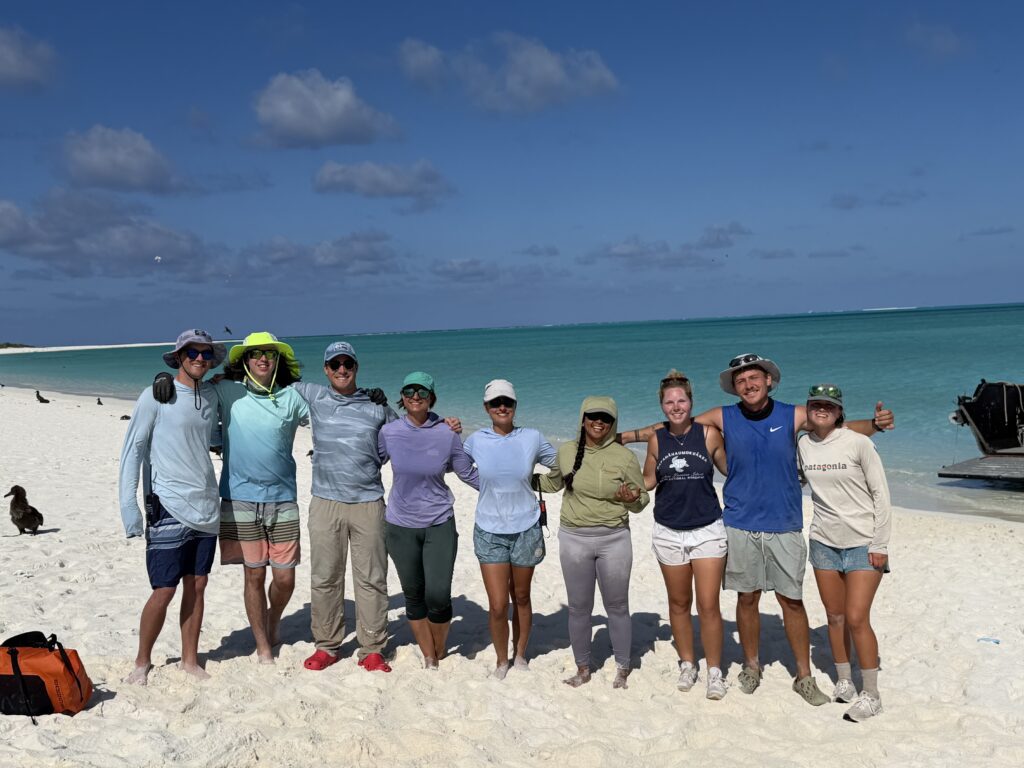
The best way to know what a season is like is to hear from the crew. Read our weekly field blogs, written by volunteers on the atoll, and join our newsletter to follow along.
Questions about volunteering? Email info@kureatollconservancy.org.