
Noio Kōhā – Brown Noddy
Anous stolidus
| State Recognized | Indigenous |
| NatureServe Heritage Rank | G5 – Secure |
| North American Waterbird Conservation Plan |
Not currently at risk |
| Regional Seabird Conservation Plan |
USFWS 2005 |
| State Recognized | Indigenous |
| NatureServe Heritage Rank | G5 – Secure |
| North American Waterbird Conservation Plan |
Not currently at risk |
| Regional Seabird Conservation Plan |
USFWS 2005 |

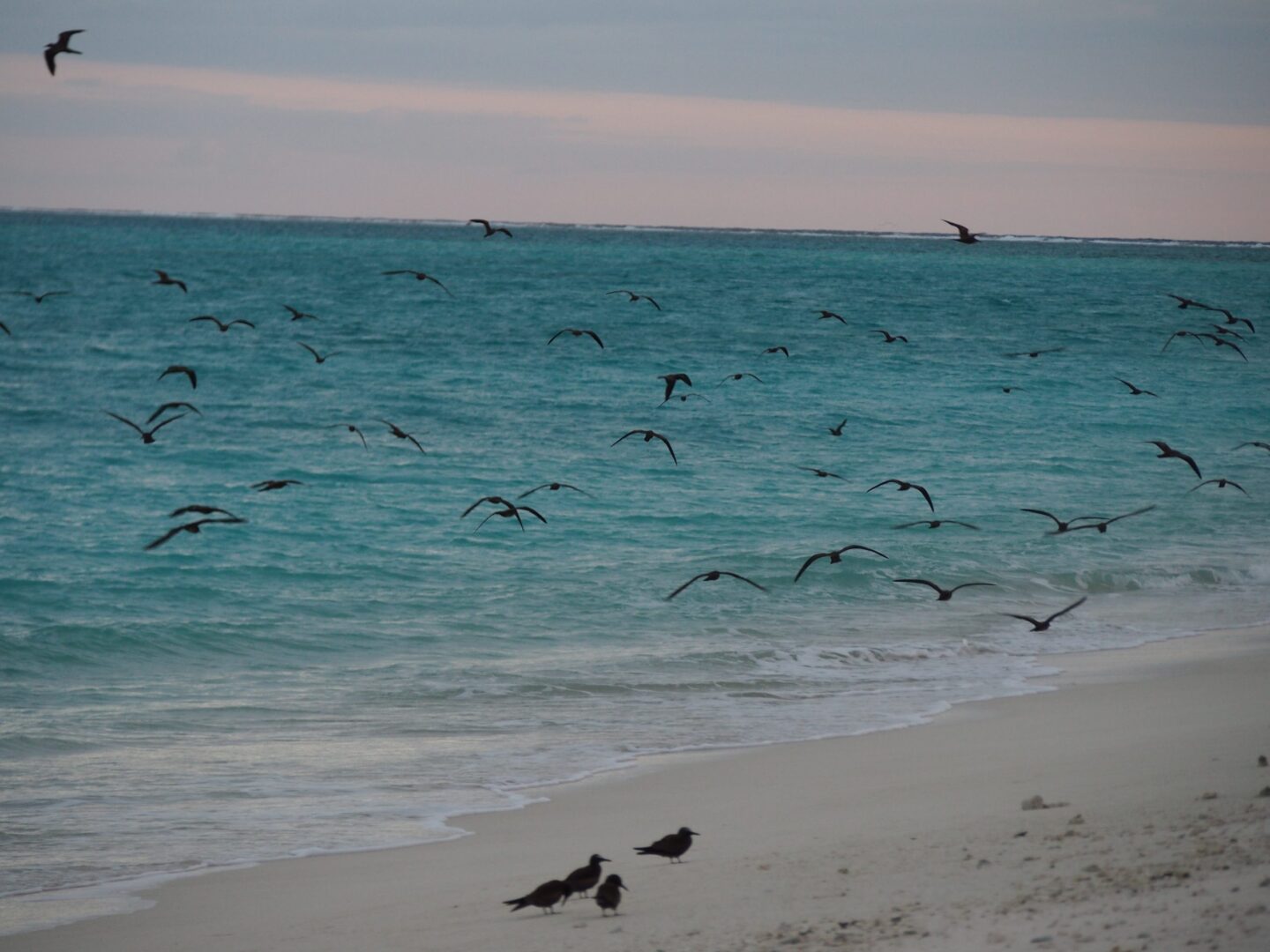
The Noio Kōhā, also known as the Brown Noddy, is a medium-sized and abundant tern belonging to the family Laridae. This bird inhabits tropical regions in both hemispheres and closely resembles the Noio, or Black Noddy, in both appearance and behavior. There are five recognized subspecies of the Noio Kōhā, with one subspecies (A. s. pileatus) being resident in Hawai‘i.
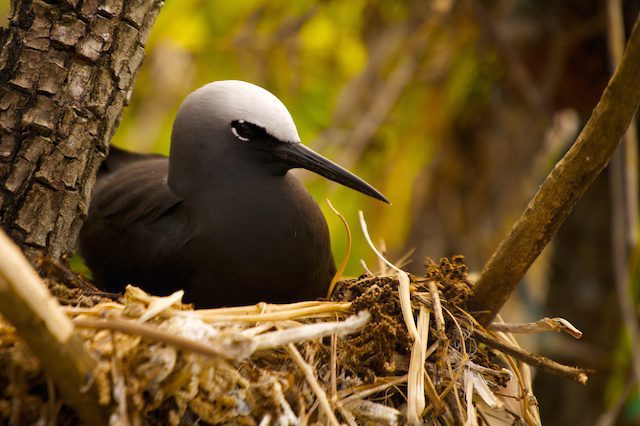
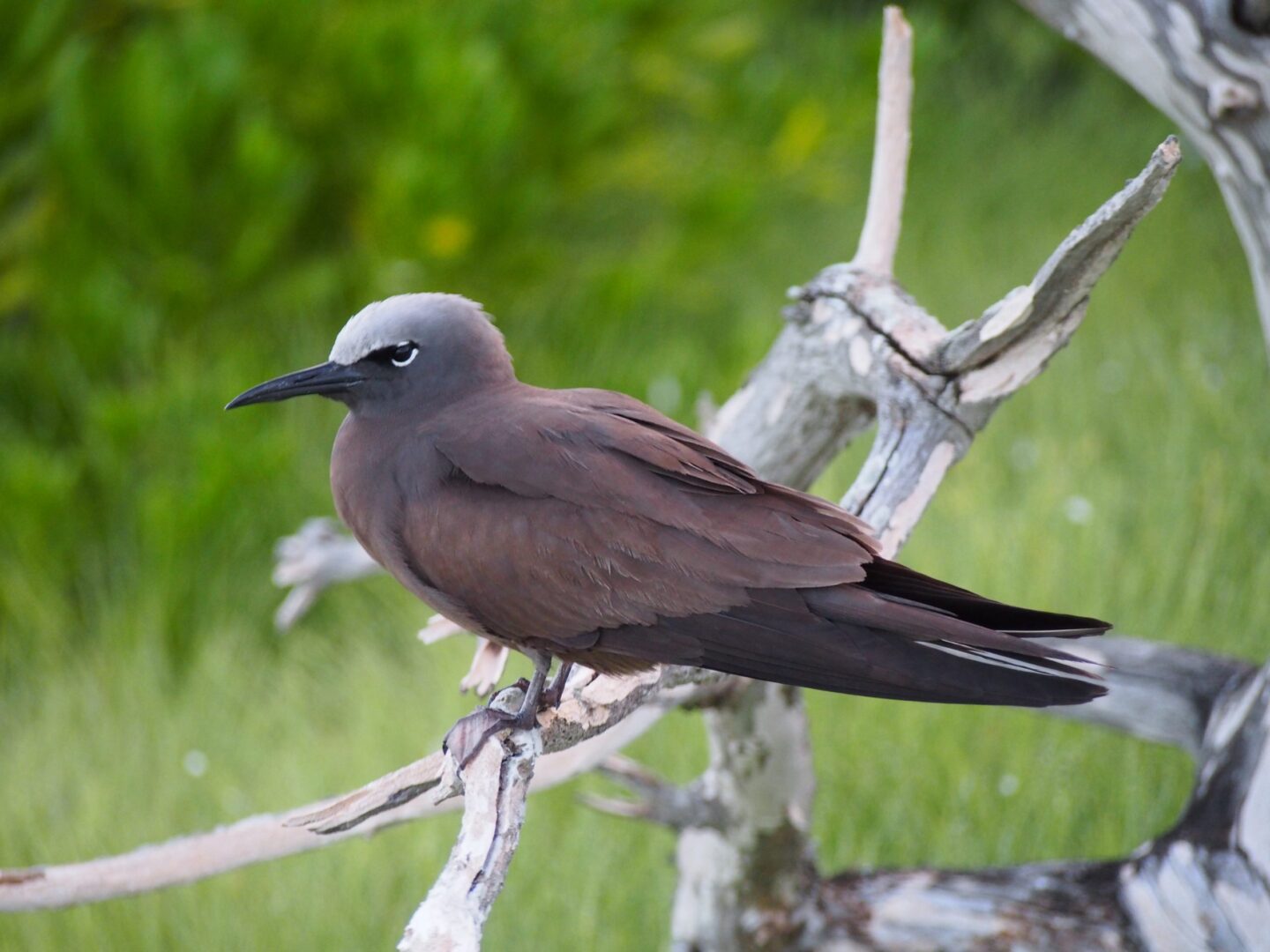
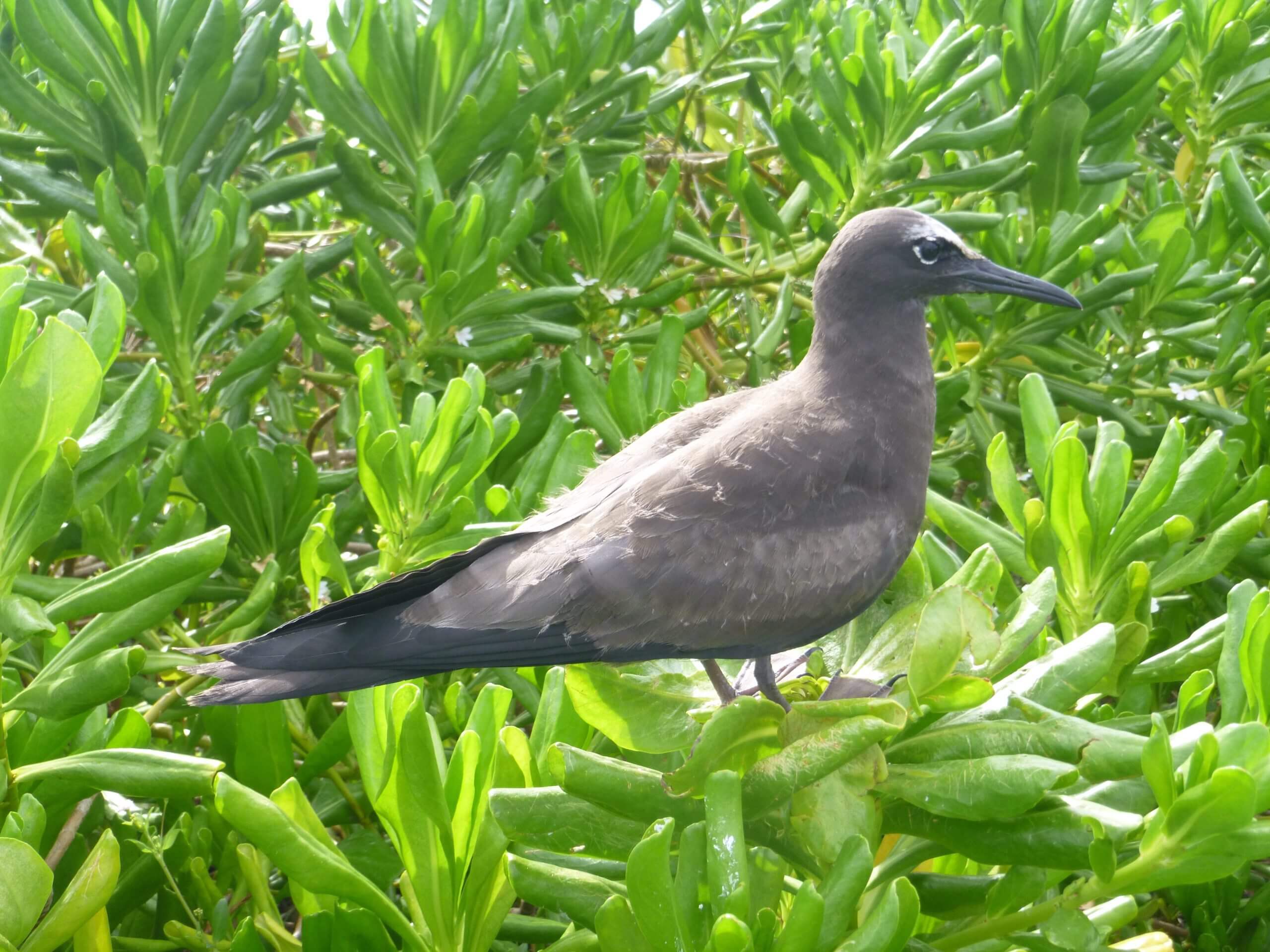
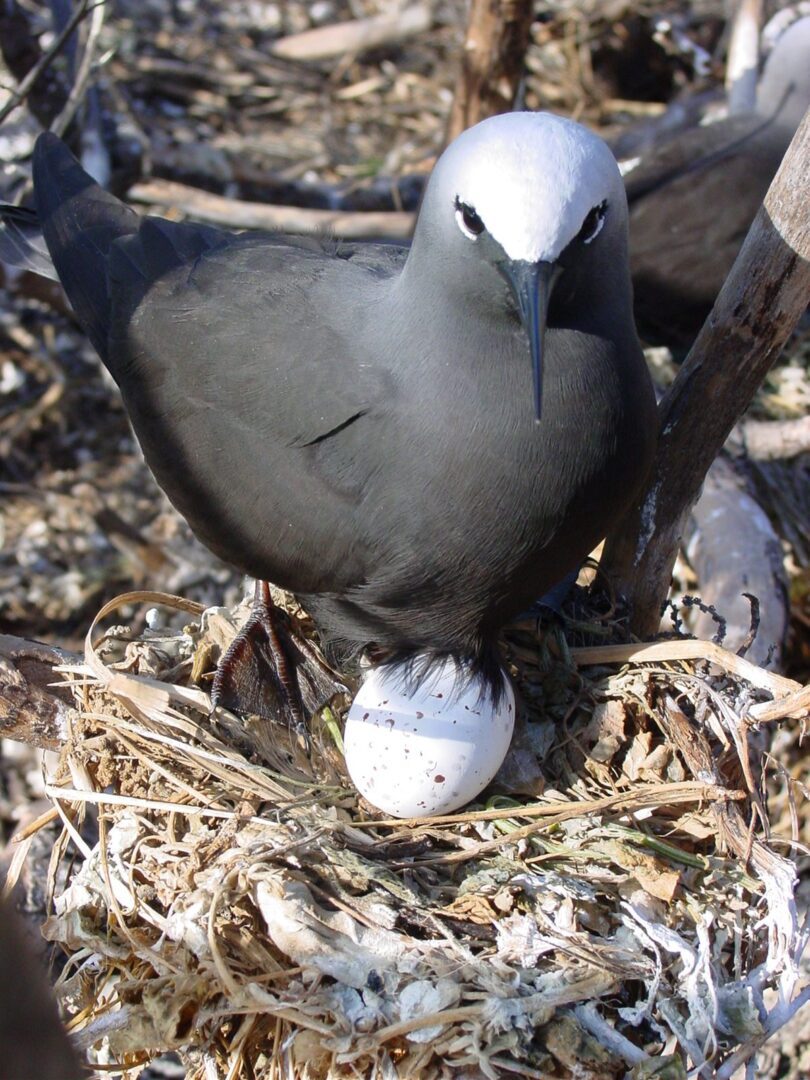
The Brown Noddy has slender wings and a wedge-shaped tail. Both adult males and females have dark brown plumage, a white cap on their heads, and a black bill, legs, and feet. Males tend to be larger than females. Their flight is characterized by swift, rapid wingbeats, usually flying directly and low over the ocean; this species almost never soars at high altitudes.
The Brown Noddy (Noio Kōhā) often forages in large hunting parties consisting of several species that associate with schools of large predatory fish. These fish drive prey species to the surface. The Brown Noddy primarily forages in nearshore waters, feeding by dipping the surface from the wing or by making shallow dives. In Hawai‘i, the diet mainly consists of fish, but squid are also consumed.
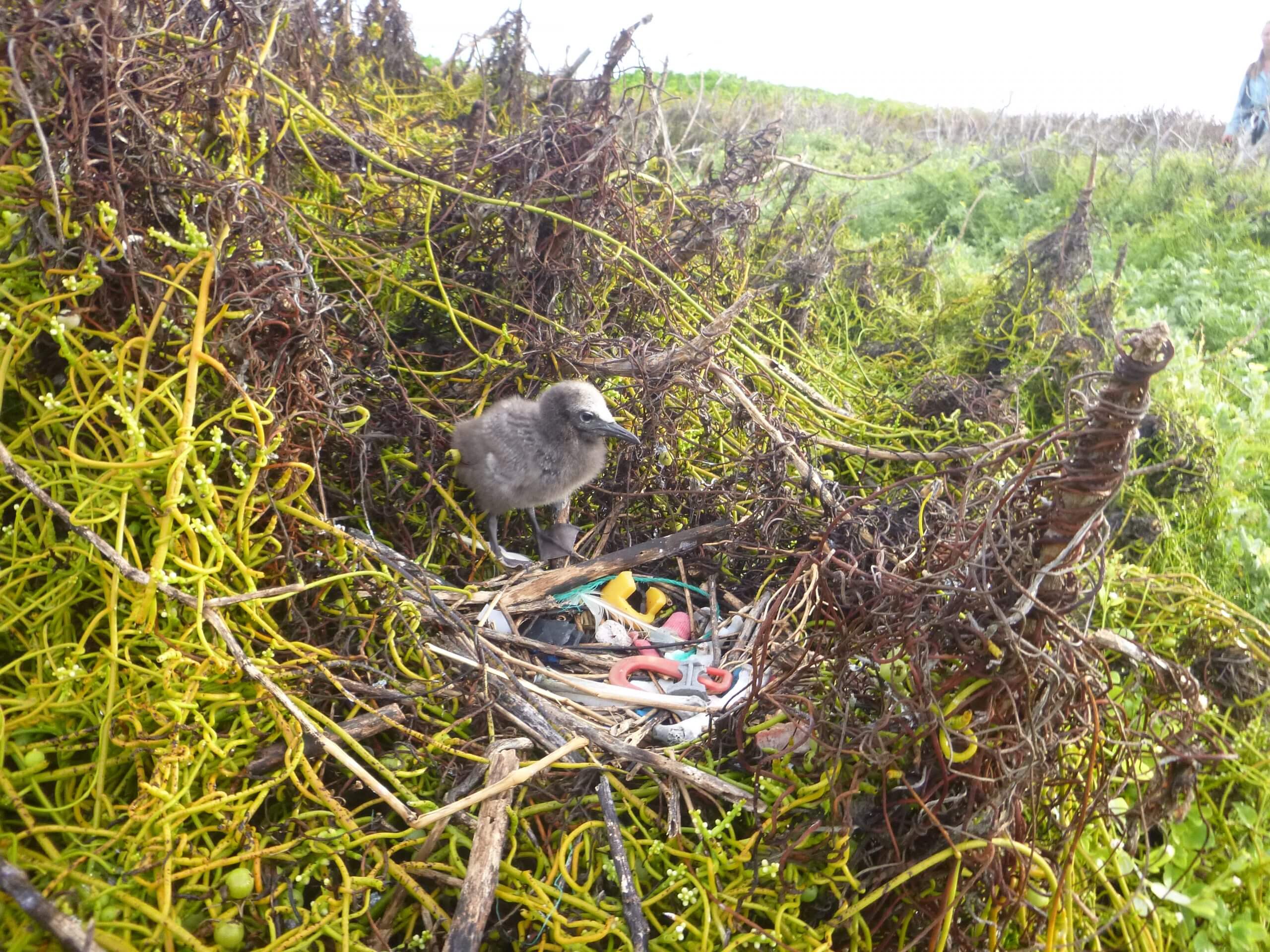
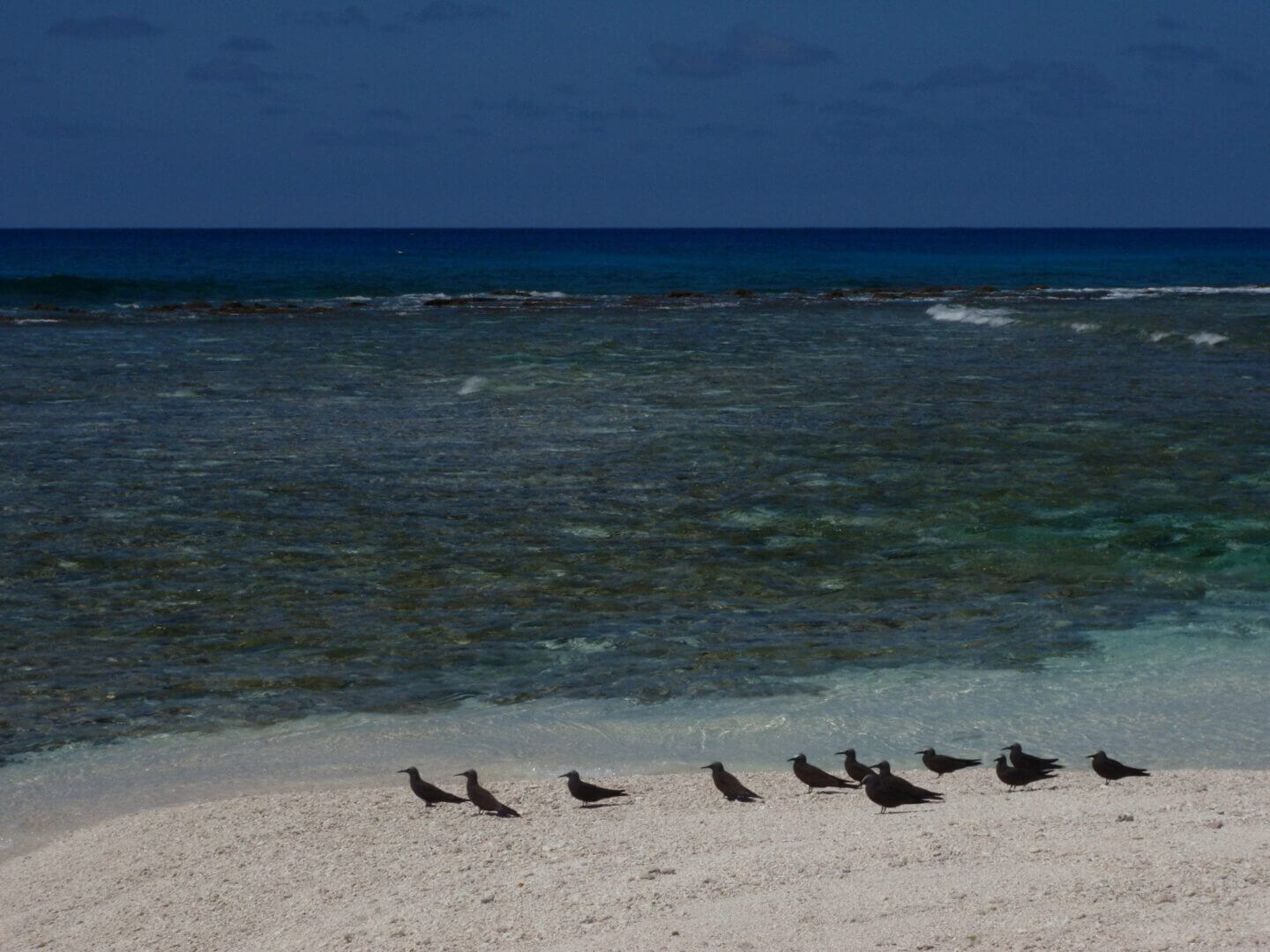
Breeding occurs in large, dense colonies, with nesting sites located on the ground, cliffs, or in trees. In Hawai‘i, breeding is synchronous, with peaks occurring during the spring and summer. Pairs typically remain together throughout the year, although there is limited information on the duration of these pair bonds. Both parents are involved in incubating the single egg and in brooding and feeding the chick.
The Noio Kōhā, or Brown Noddy, breeds throughout the Hawaiian Archipelago, including all the islands of the Northwestern Hawaiian Islands and the offshore islets of the Main Hawaiian Islands. Outside of Hawaii, the Brown Noddy nests on islands in the tropical Atlantic and Pacific Oceans. Typically, these birds stay close to their breeding colonies, remaining within 100 kilometers (62 miles) year-round.
The following management goals are essential to Pacific seabird conservation: maintain, protect, and enhance habitat; eradicate or control non-natives; minimize bycatch and other adverse effects of fishing; improve the effectiveness of oil spill response efforts; identify contaminants and hazardous substances; and minimize the impact of powerlines, towers, wind turbines, and lights (USFWS 2005). The goal of these management actions is not only to protect seabird populations and their breeding colonies, but also to re-establish former breeding colonies, thereby reducing the risk of extinction.
Introduced Predators: Like all seabirds, adults and their nests are vulnerable to predation by rats (Rattus spp.) and feral cats (Felis silvestris). Fortunately, all sites in the Northwestern Hawaiian Islands (NWHI) are free from both rats and cats.
Invasive Species: On Lisianski and Laysan Islands, rabbits (Oryctolagus cuniculus) have severely reduced suitable nesting locations by denuding the vegetation. Additionally, Golden Crown-beard (Verbesina encelioides) further degrades these crucial nesting habitats. At Kure, introduced Big-headed Ants (Pheidole megacephala) may contribute to nestling mortality and facilitate the destruction of native vegetation by supporting a non-native scale insect.
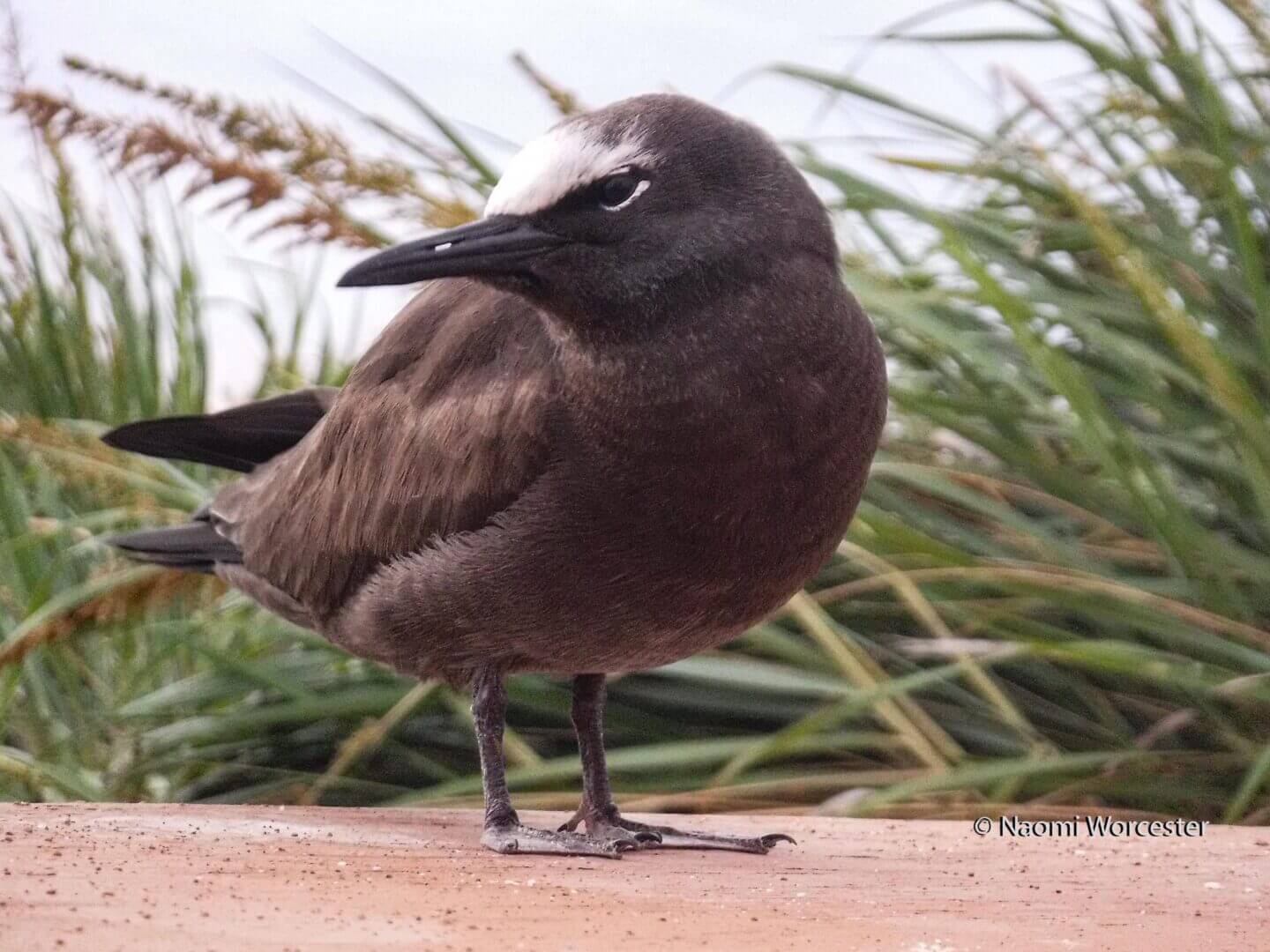
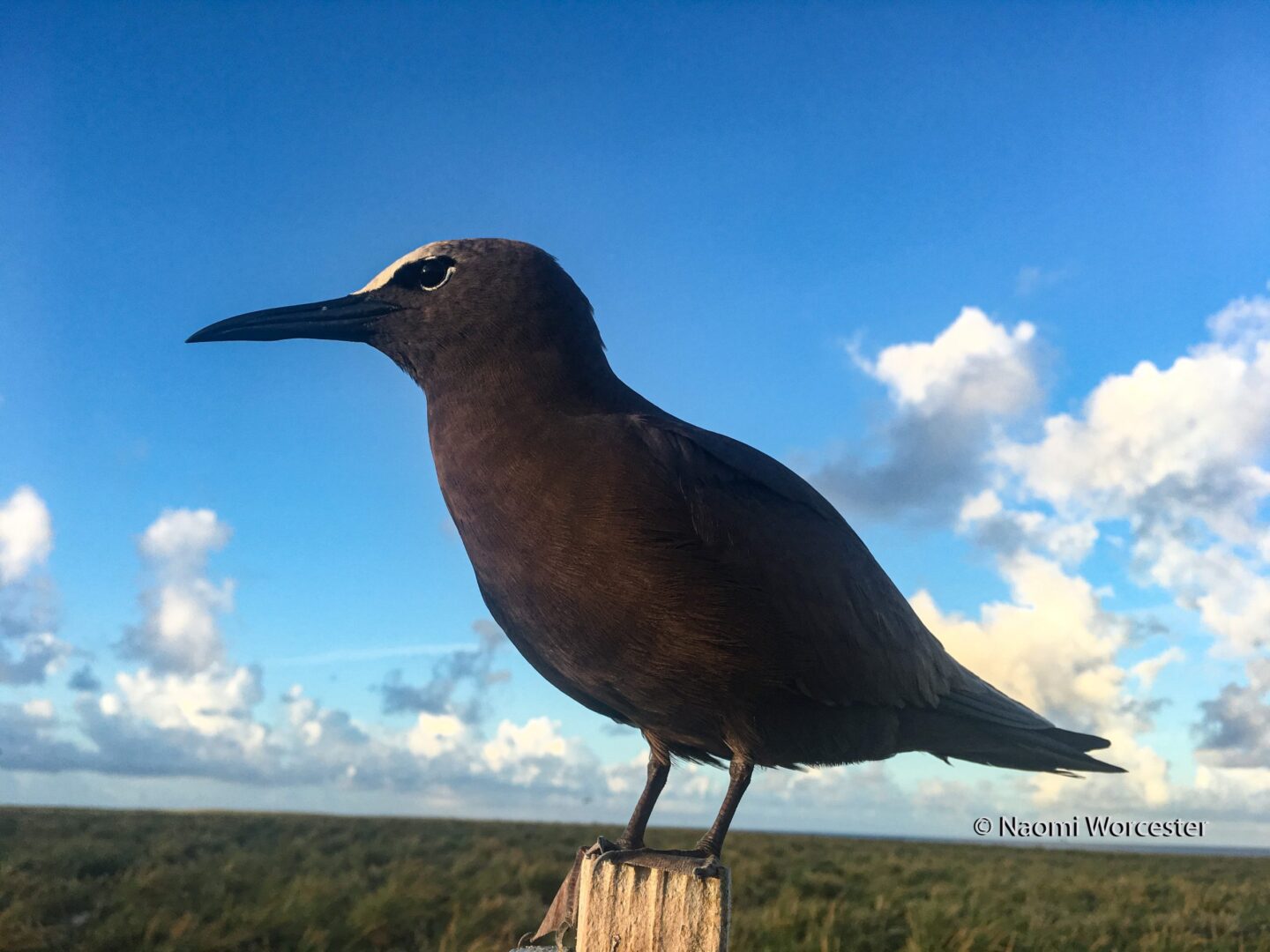
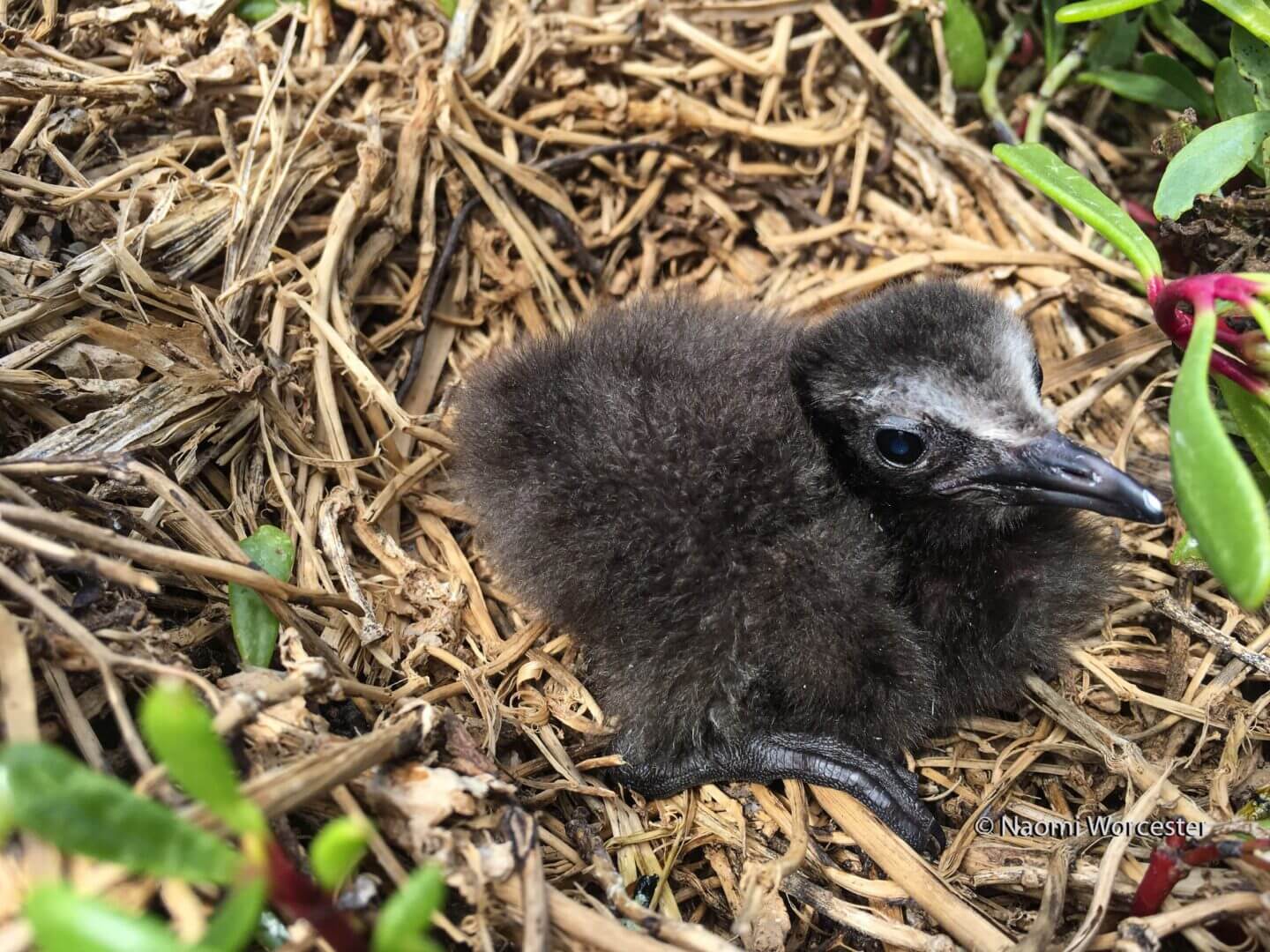
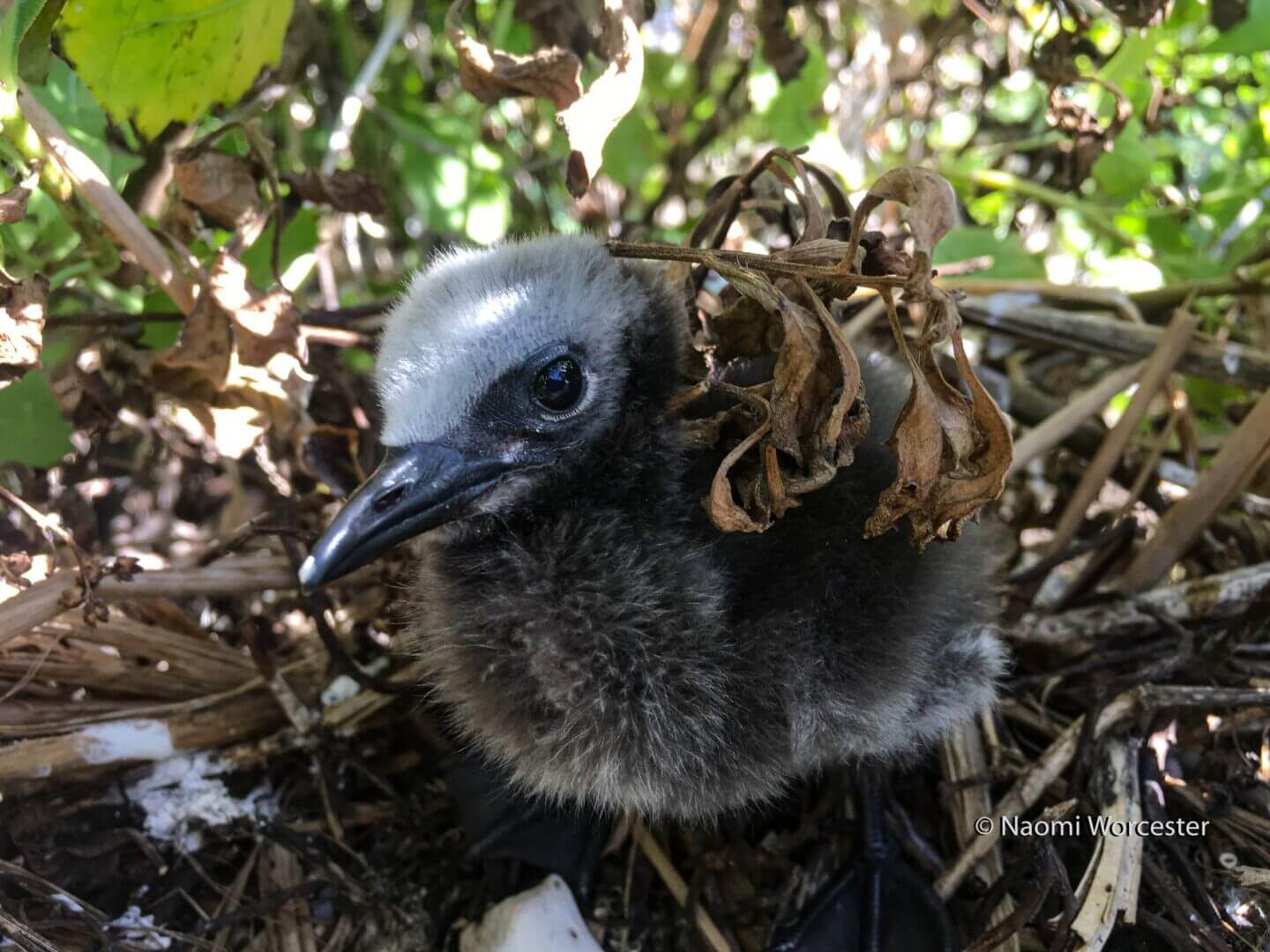
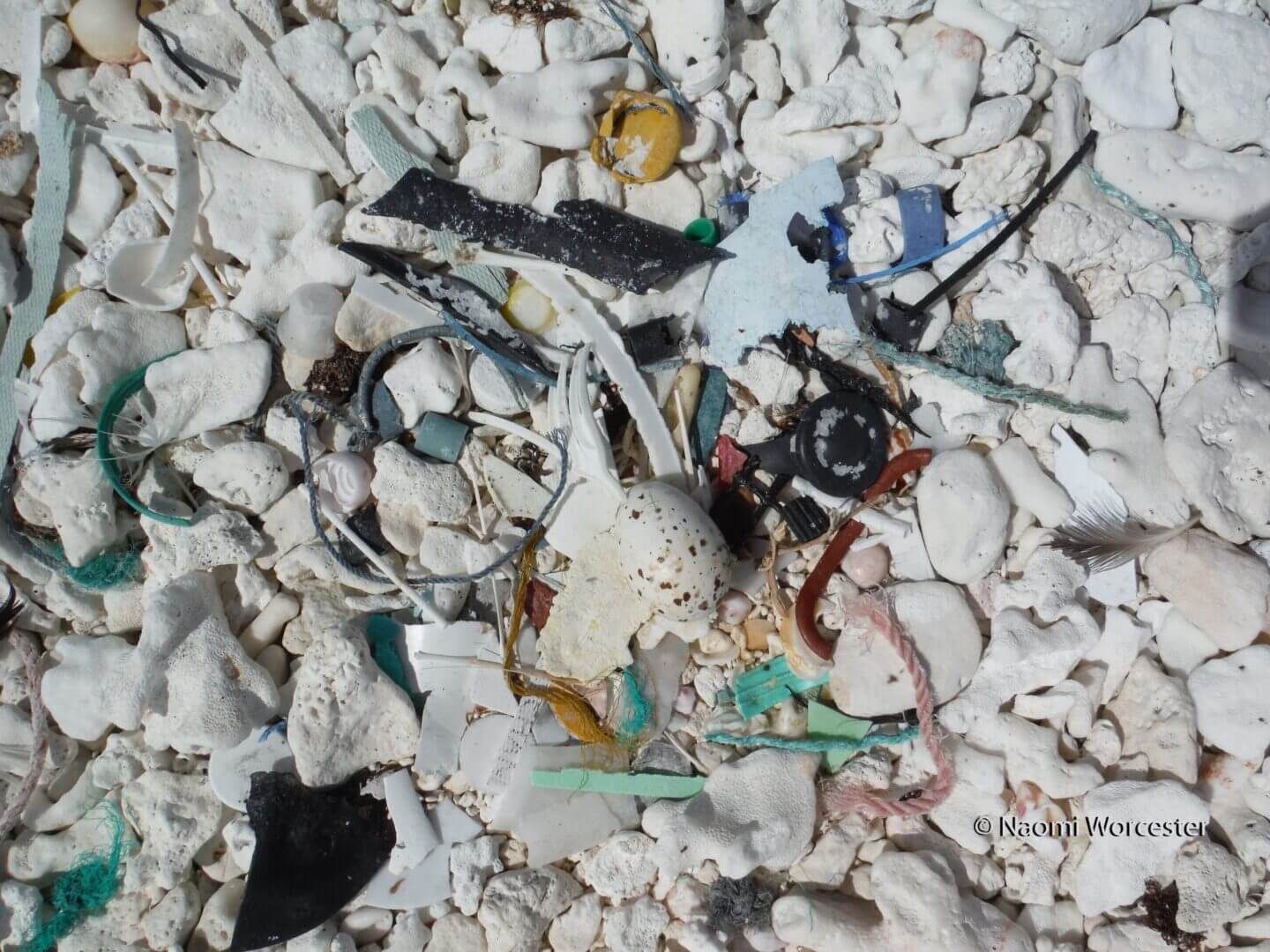
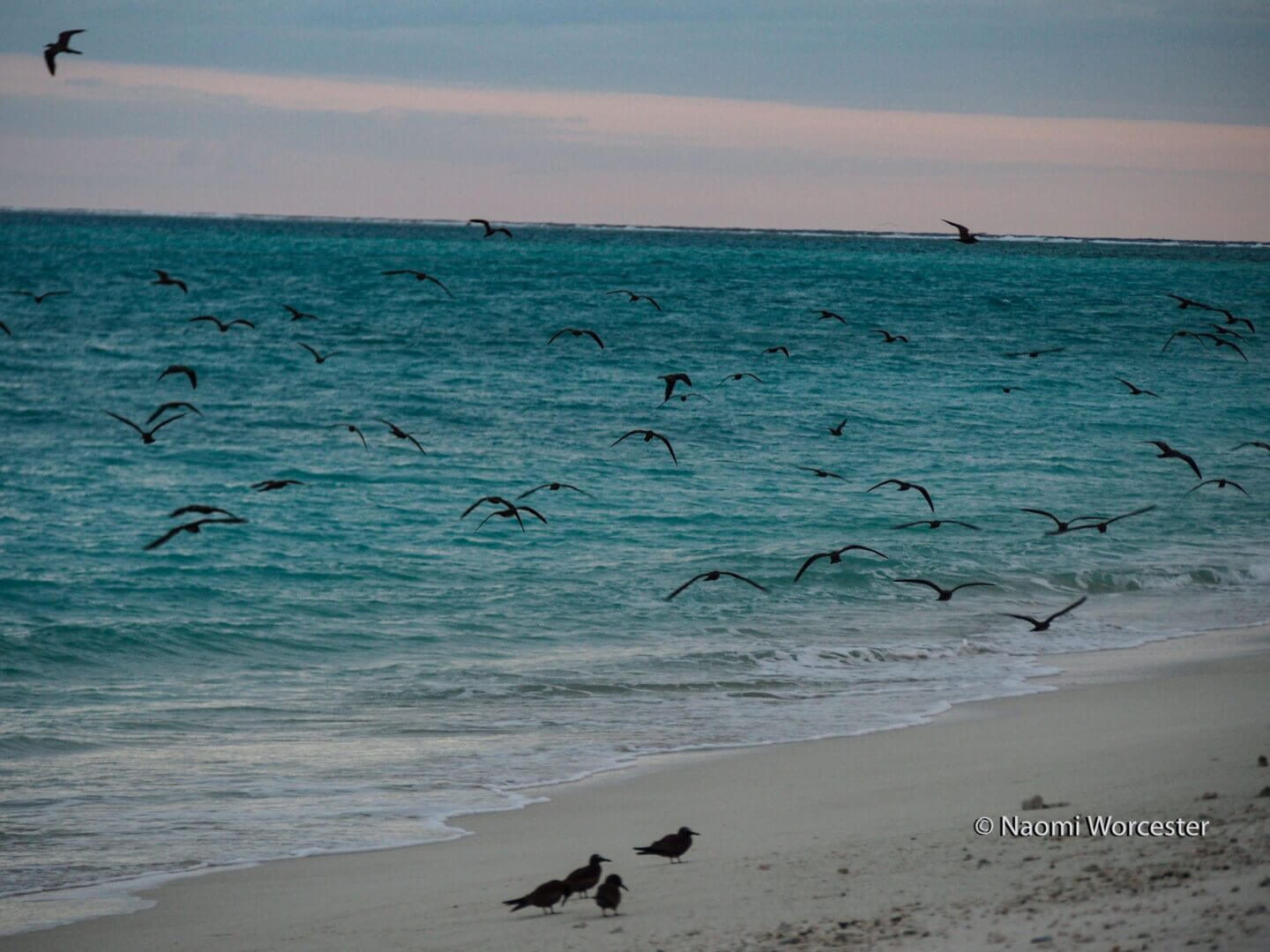
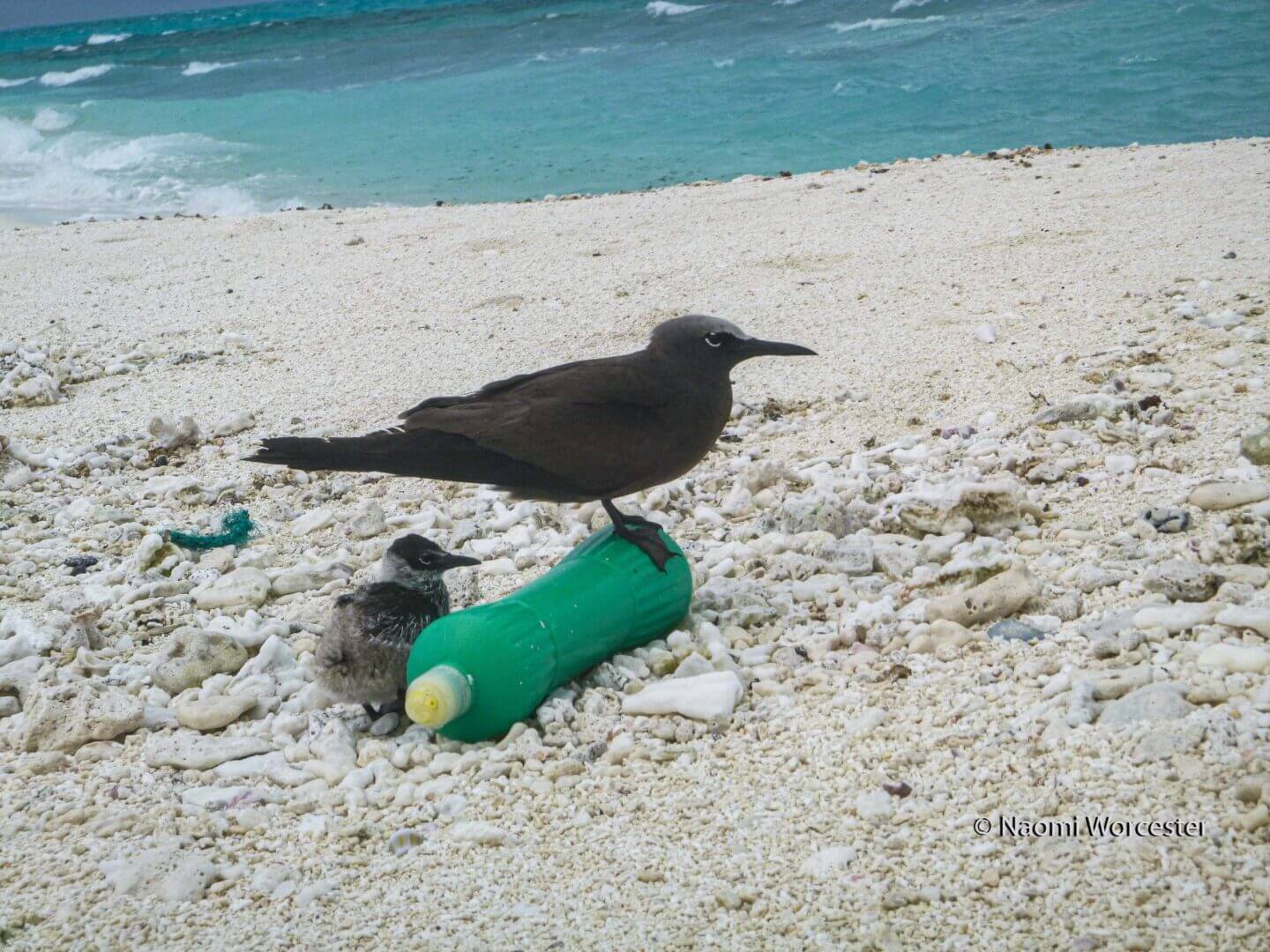
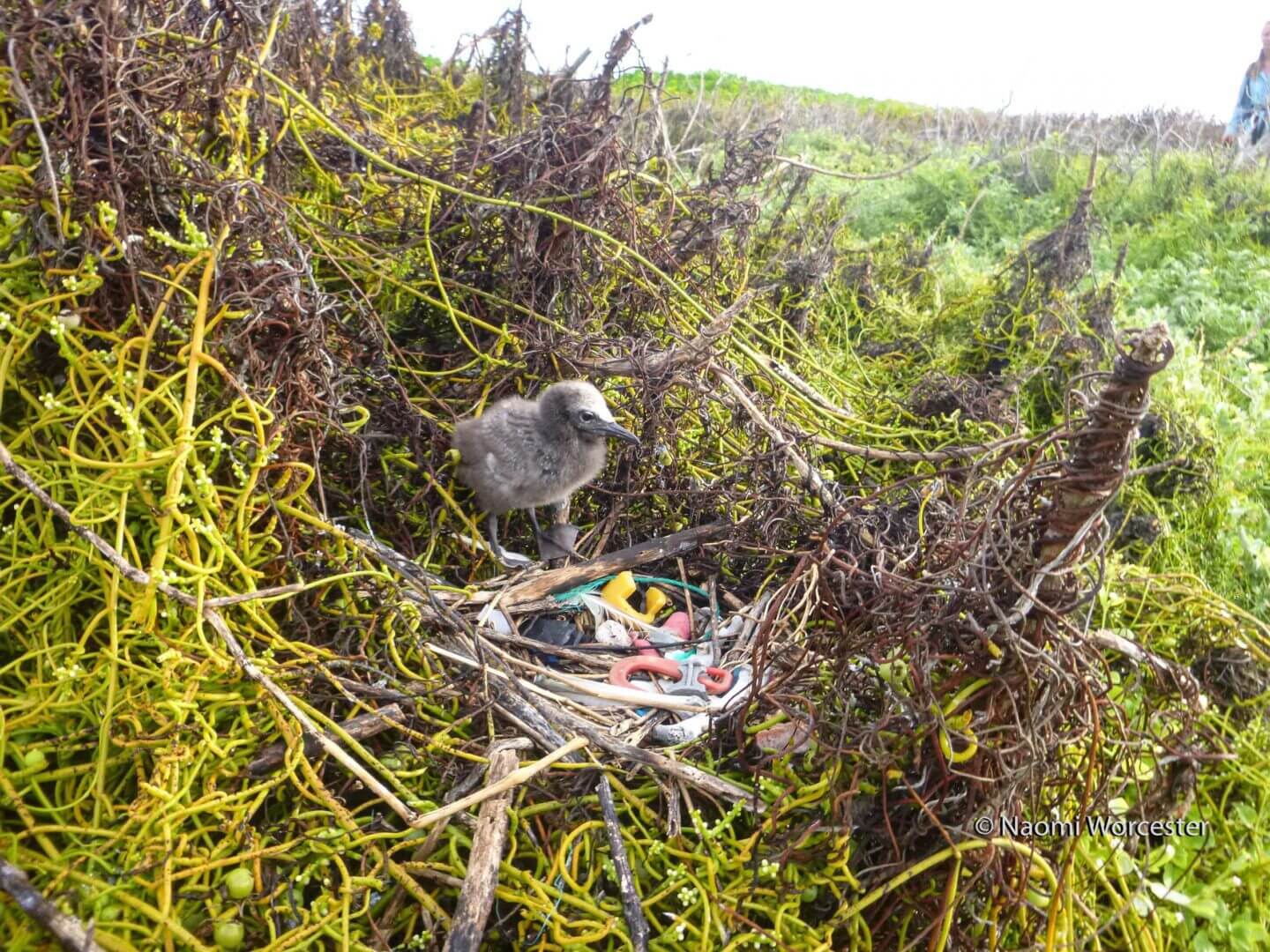
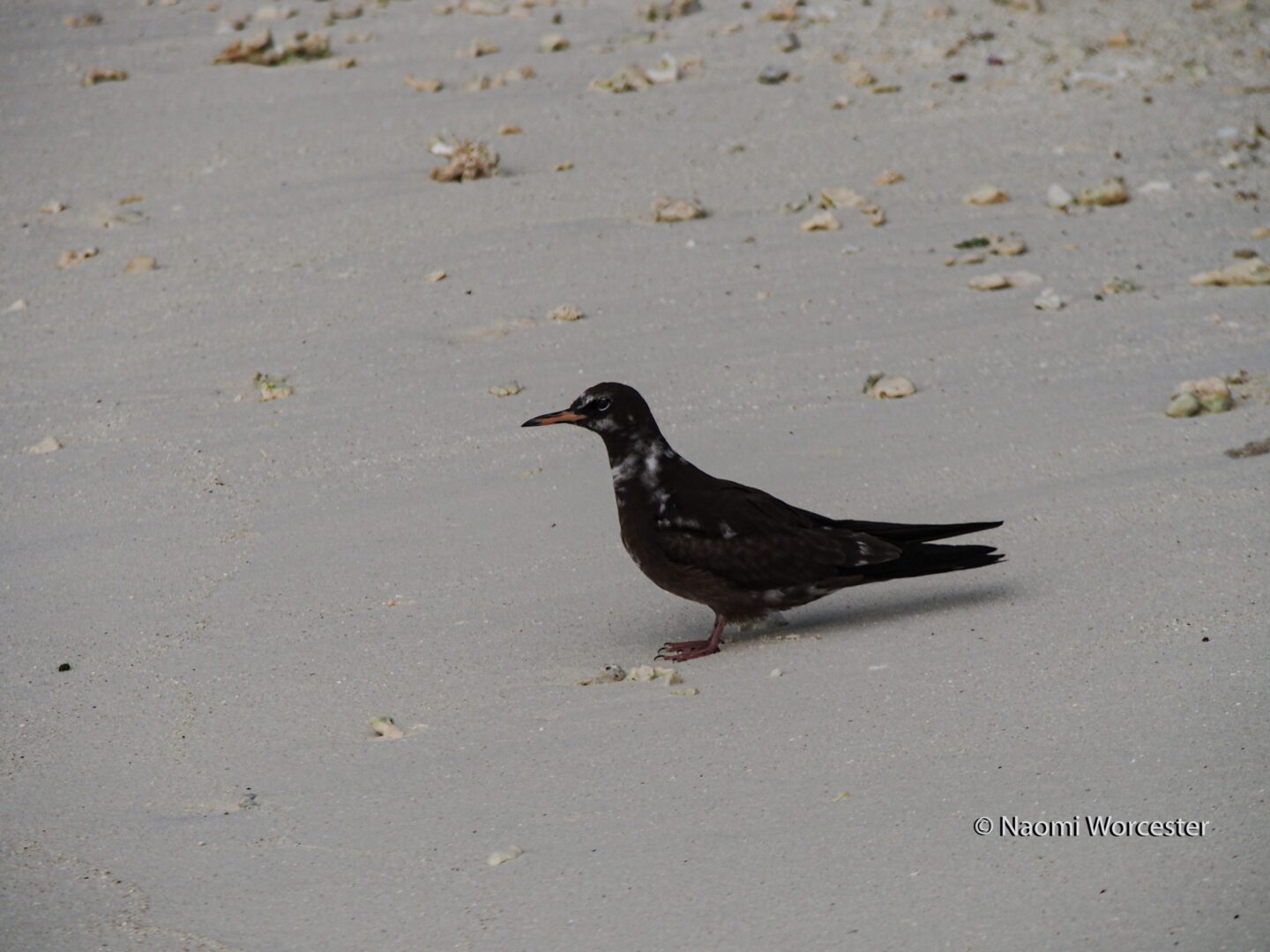
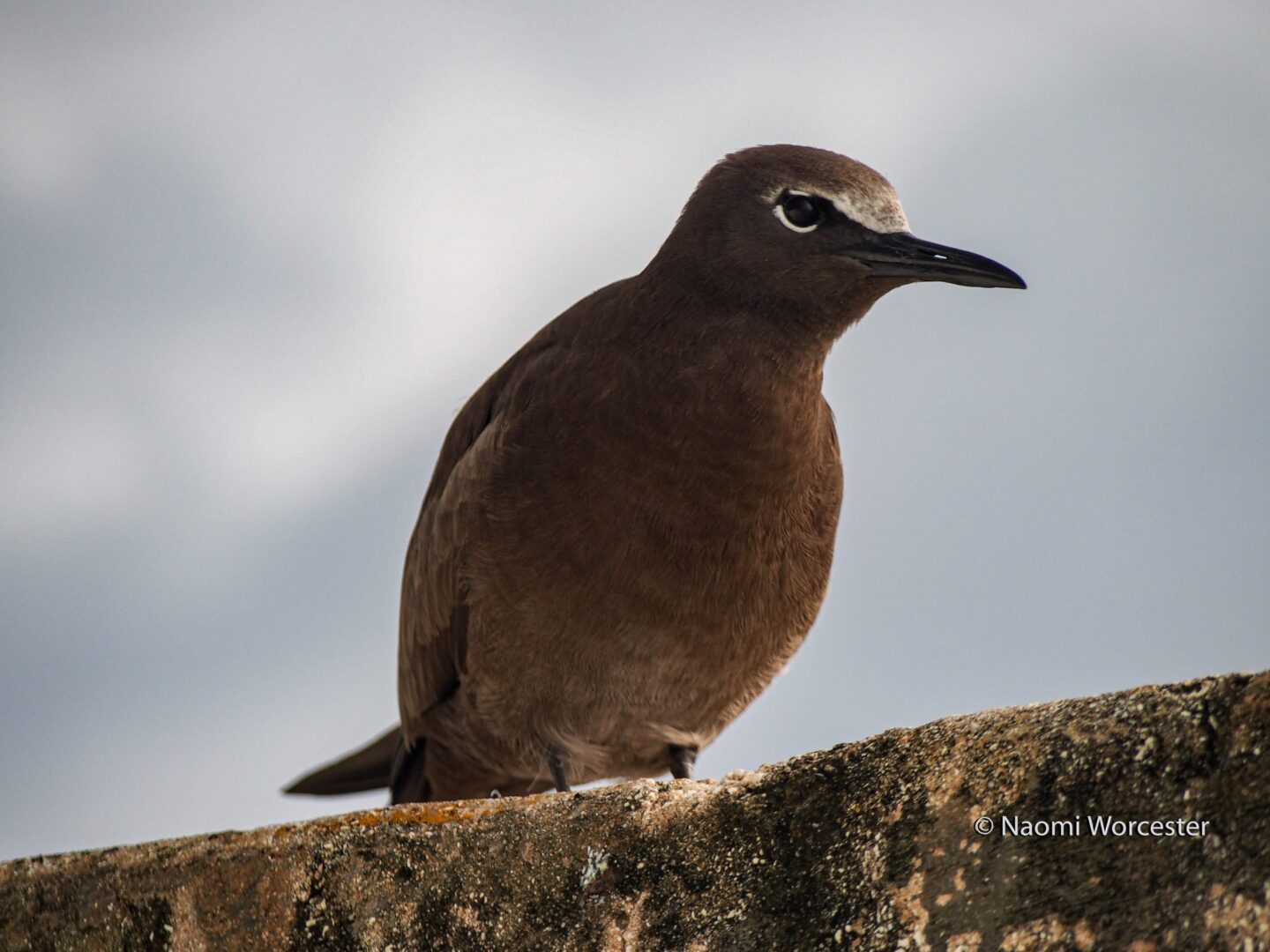
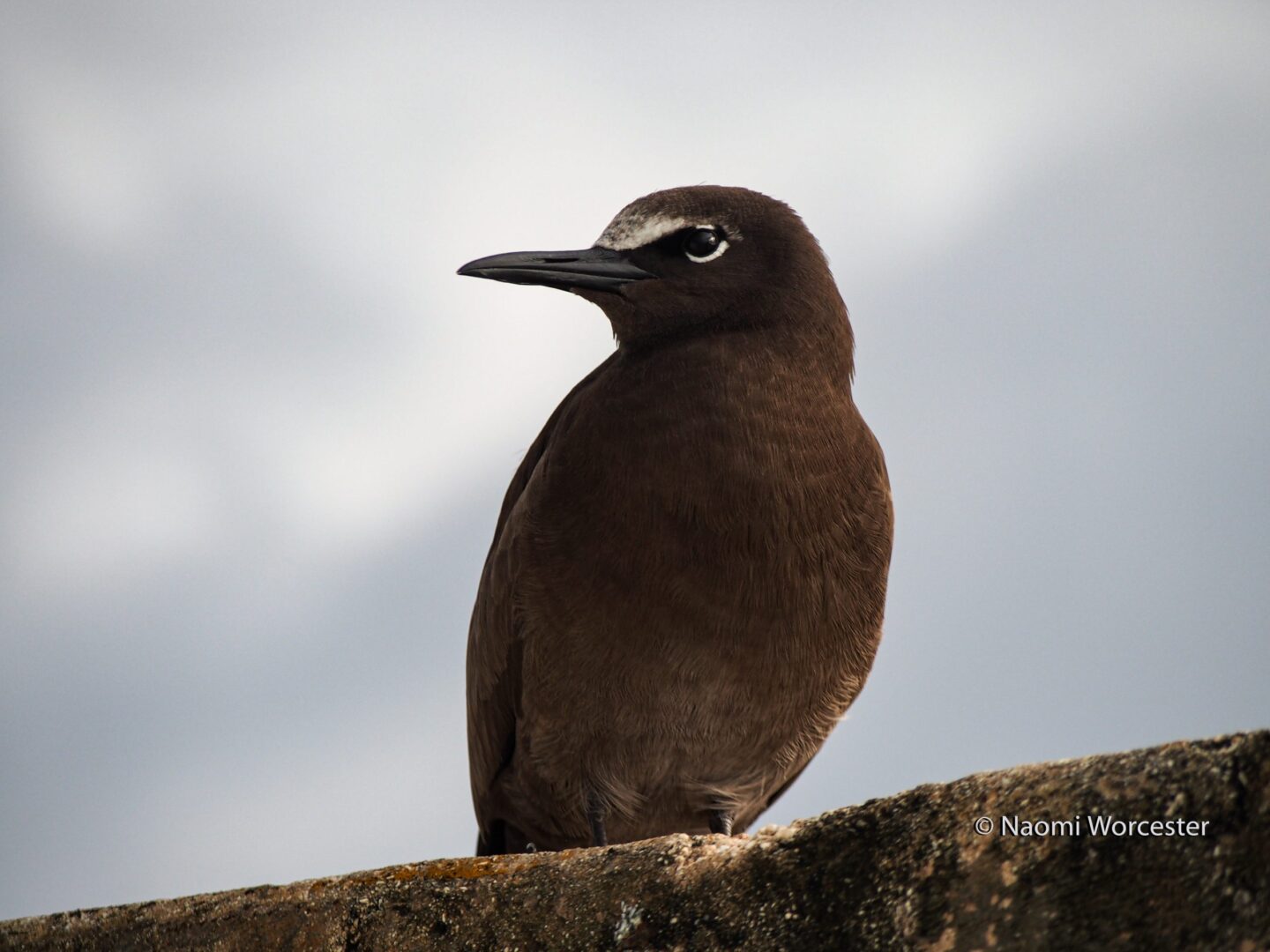
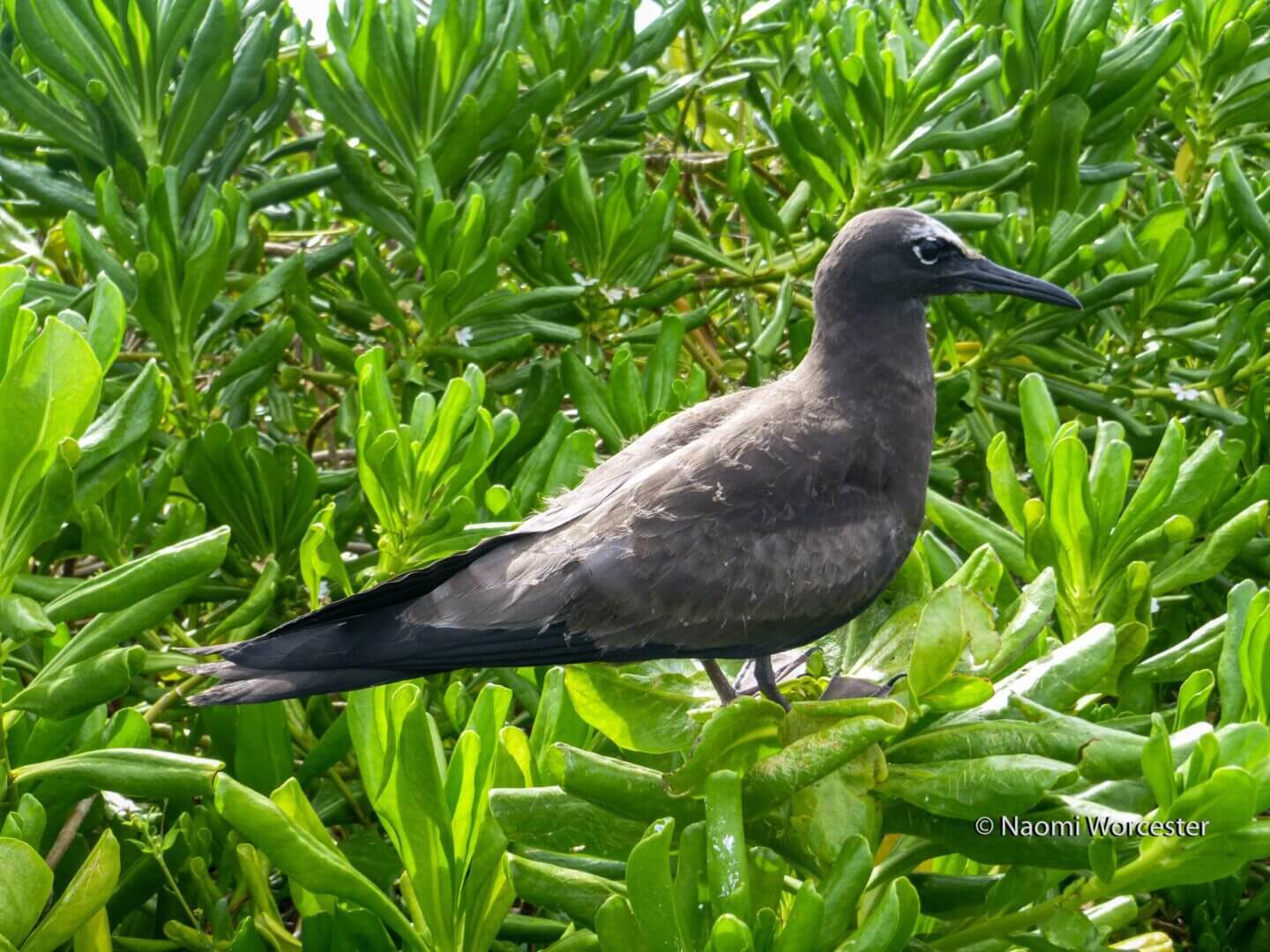
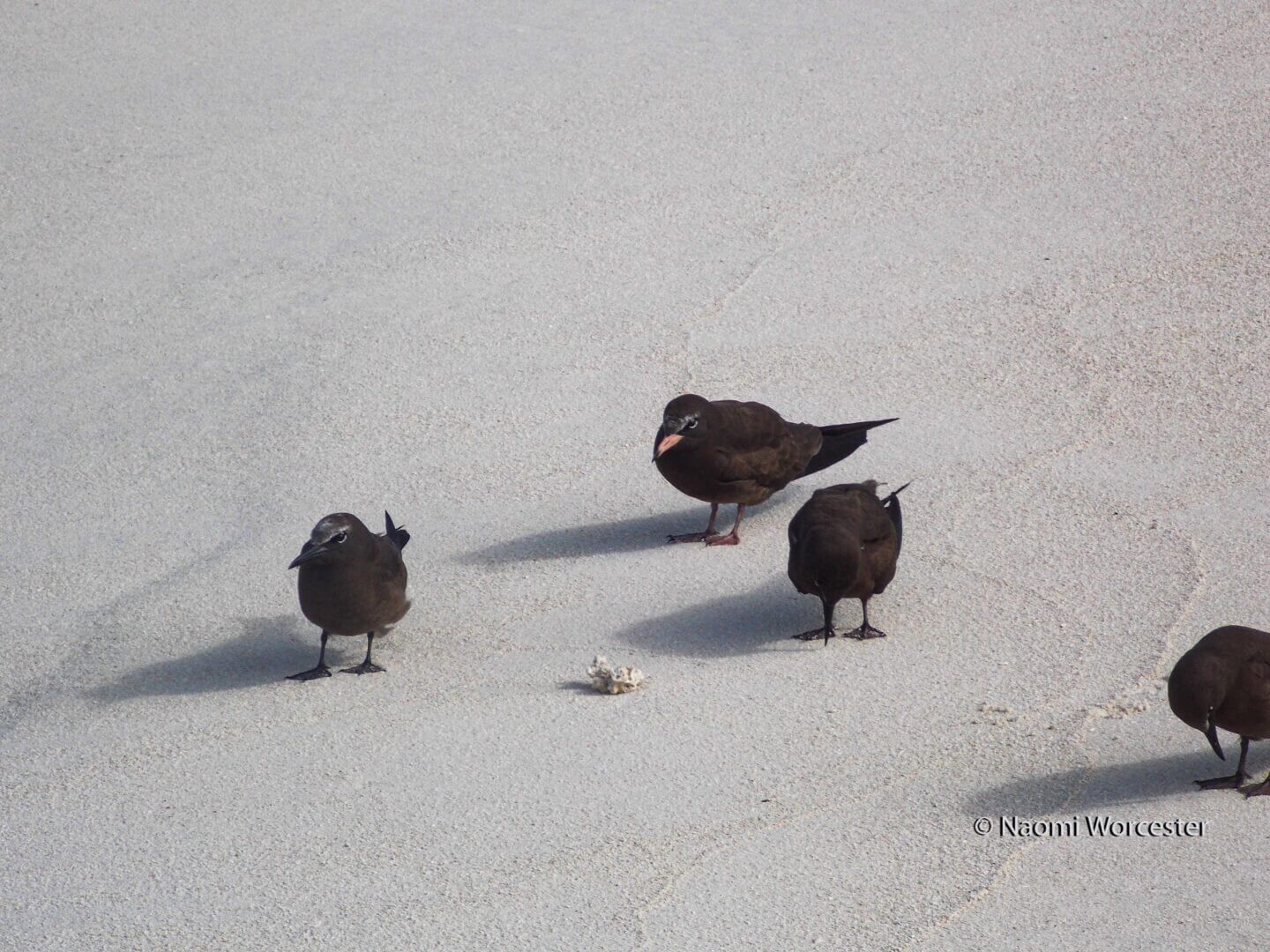
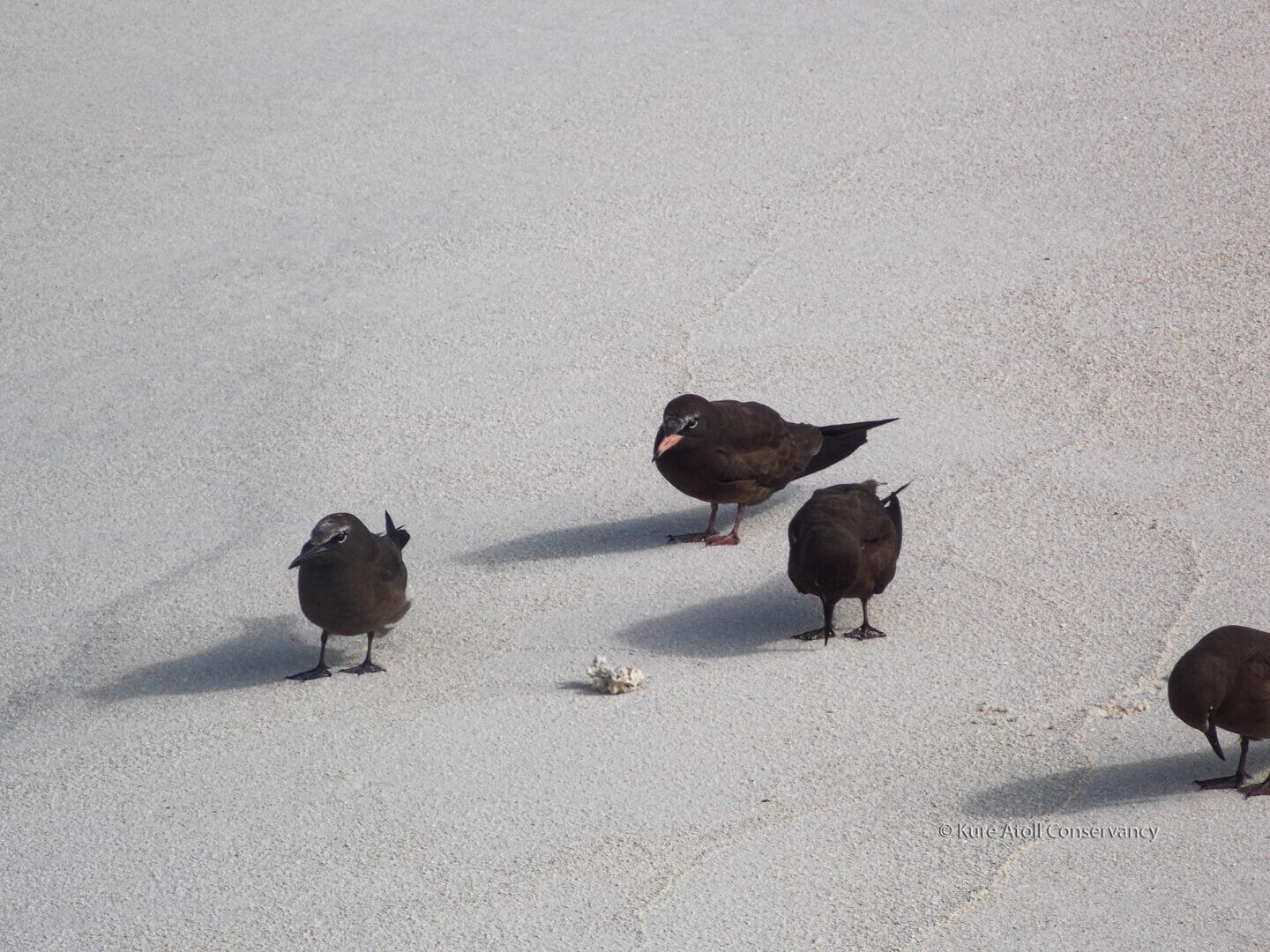
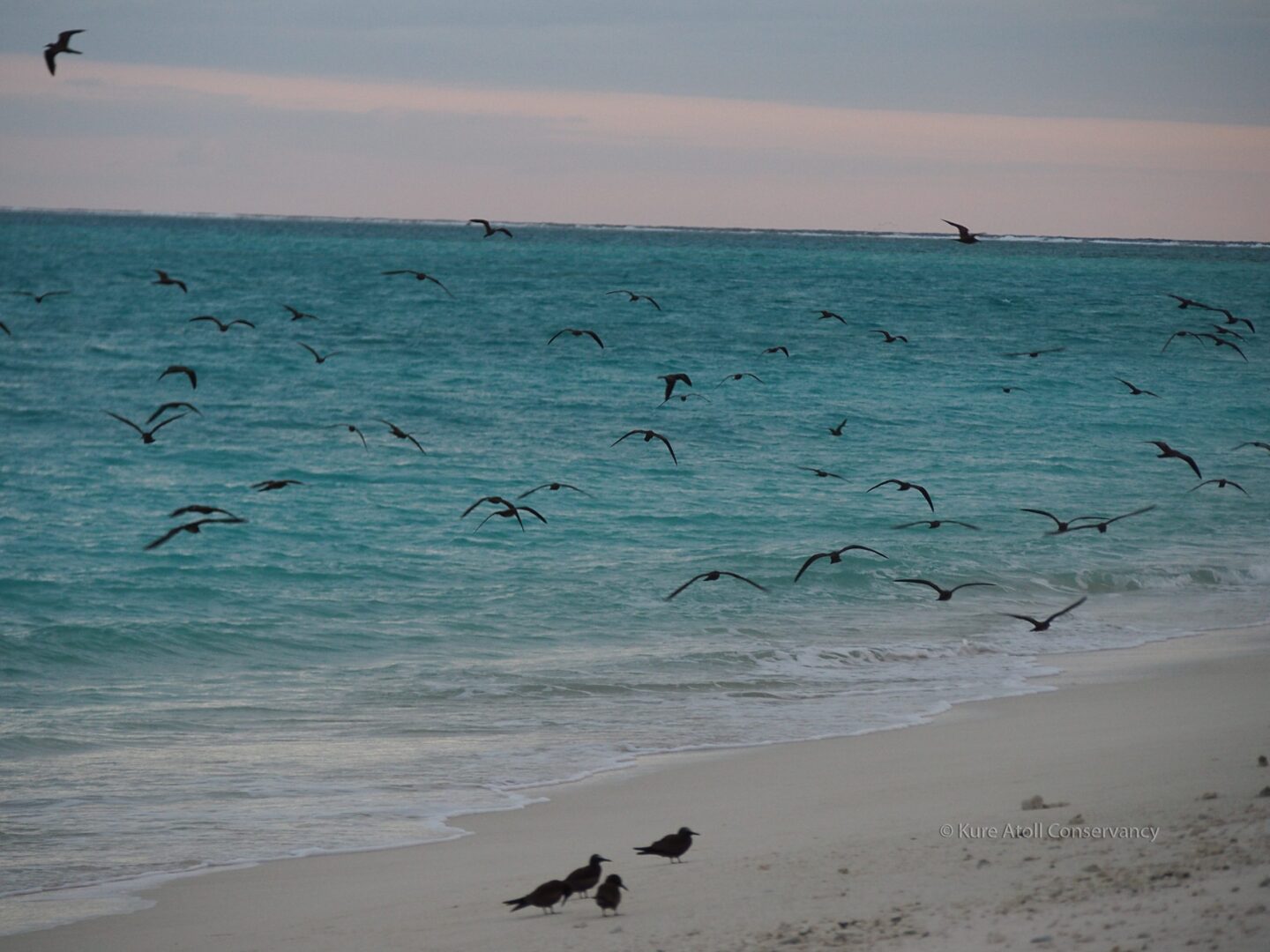
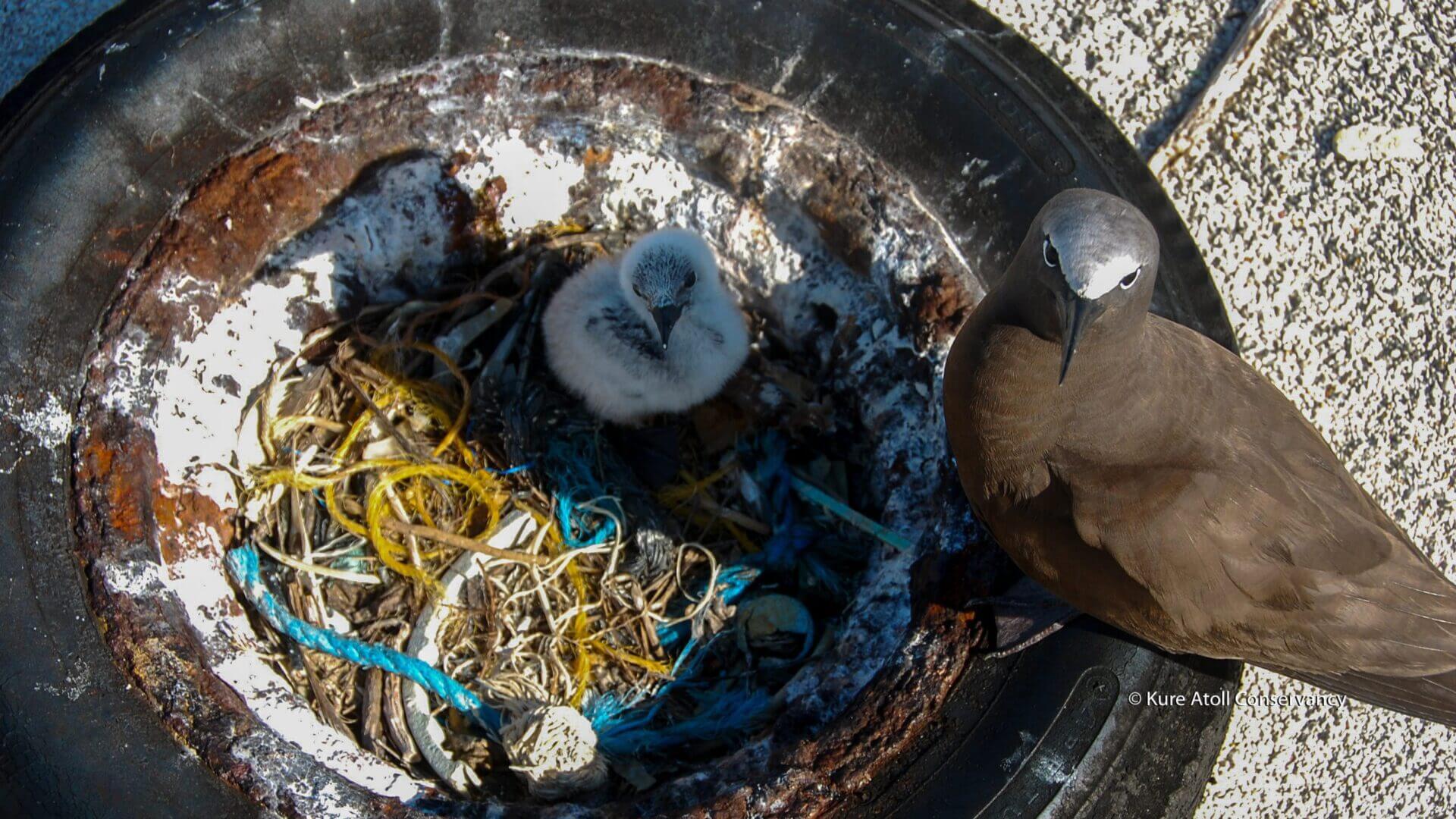
noio kō.hā
n. Noddy tern (Anous stolidus pileatus), larger than the tern, noio; sooty, except top of head, which is light gray. The name is possibly from noio kōhāhā, plump noio.
A webinar related to the research of the Papahānaumokuākea Native Hawaiian Cultural Working Group tasked with giving Hawaiian names to numerous other bird, plant, limu, and coral species unique to PMNM

