
Our work
Education & Outreach
Few people will ever set foot on Hōlanikū (Kure Atoll), so we bring the atoll to classrooms and communities in Hawaiʻi and around the world.
← Back to Our WorkOverview
Sharing the lessons of Hōlanikū
Hōlanikū is one of the most remote places in Hawaiʻi, open only to permitted field crews and researchers. Yet what happens there, from albatrosses feeding plastic to their chicks to the recovery of an island once covered in invasive weeds, carries lessons for everyone.
Kure Atoll Conservancy and DLNR/DOFAW share those lessons through partnerships with educators, scientists and cultural practitioners, and through the stories, photos and videos our field crews bring home.
Ways we share Hōlanikū
- Hands-on teaching materials for classrooms
- Videos, field blogs and social media from the island
- Cultural partnerships that connect people with seabirds and place
- Talks, events and community activities
For classrooms
Winged Ambassadors
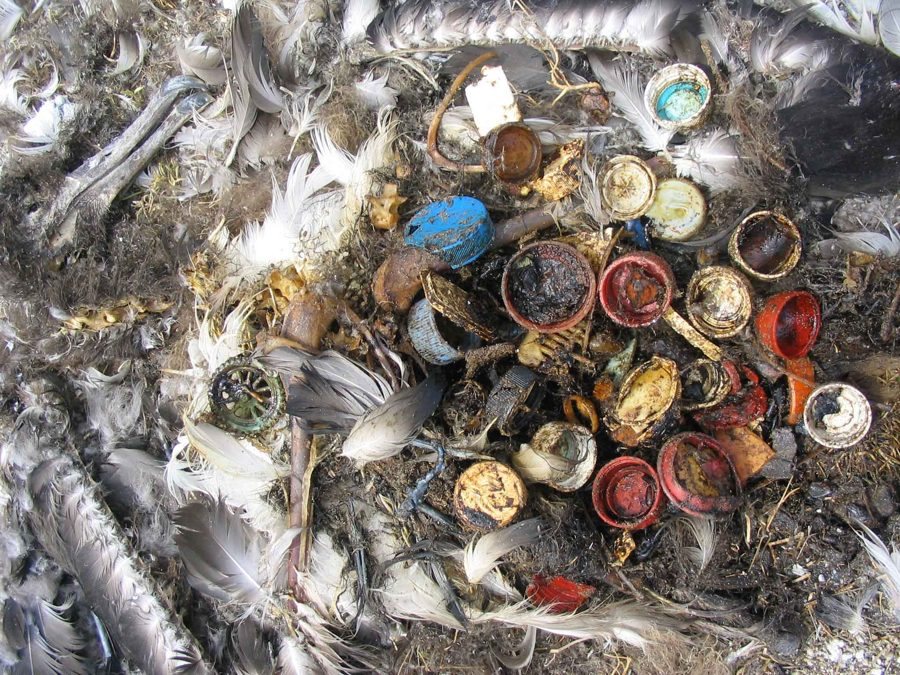
Albatross parents feed their chicks by regurgitating food gathered at sea. Before fledging, each chick coughs up a bolus, a pellet of squid beaks, fish bones and everything else it could not digest, including plastic. Boluses show students exactly what albatrosses are eating and how ocean plastic reaches even the most remote islands.
Through the Winged Ambassadors education partnership with Oikonos Ecosystem Knowledge, Hawaiʻi Pacific University and DLNR/DOFAW, field crews collect boluses on Hōlanikū for classroom dissections and scientific study. In summer 2025 alone, crews collected 428 boluses.
The free Winged Ambassadors curriculum, created by Oikonos with NOAA and Papahānaumokuākea partners, has reached more than 5,700 educators and 410,000 students across 48 states and 41 countries since 2012.
From the field
Hanohano Hōlanikū
In 2025, our field crews began Hanohano Hōlanikū, a series of short videos filmed on the island. Each one explains a piece of the work, from marine debris cleanup and seabird species to golden crownbeard (Verbesina encelioides) eradication, runway reclamation and dune restoration with native plants.
Crews also write regular field blogs and share photos on Facebook and Instagram, so supporters can follow each season as it happens.
Kilo: observing place
Huliʻia
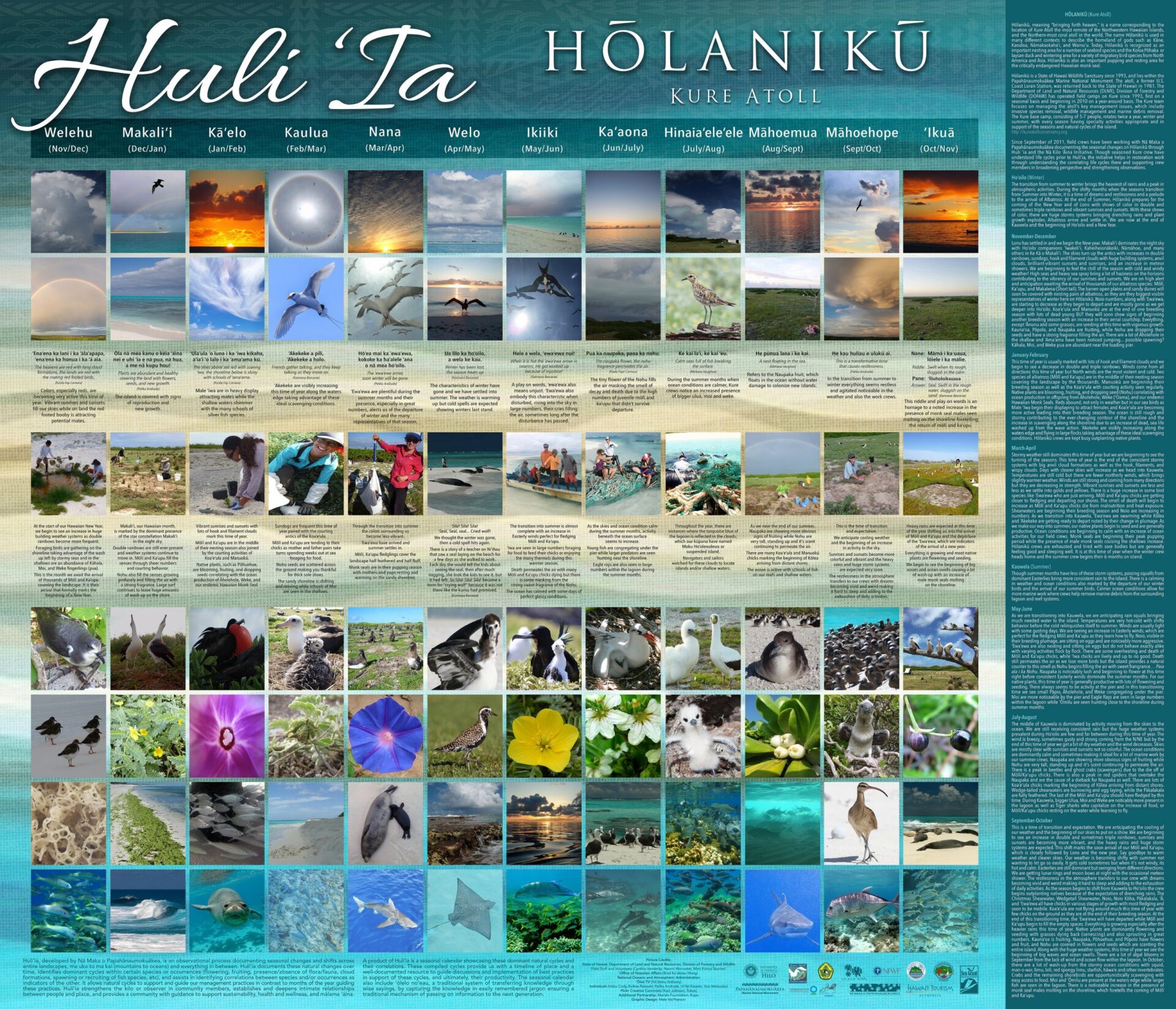
Huliʻia is an observational process that documents seasonal changes across the sky, land, ocean and people, and the connections between them. It was developed by Nā Maka o Papahānaumokuākea, and the work continues today with Nā Maka Onaona.
Since 2011, field crews on Hōlanikū have recorded kilo (observations) of weather, seabirds, plants and marine life through the seasons, and they continue to share Huliʻia observations each month. Those observations helped create the Huli ʻIa Hōlanikū seasonal calendar, finalized in 2016, which follows the island through each Hawaiian month, from Welehu to ʻIkuā.
Learn about Nā Maka Onaona →
About Huliʻia (Hawaiʻi Sea Grant) →
Culture on the island
- Five ahu (stone shrines), built in 2022, mark the four directions and the camp.
- Crews learn and use oli (chants) when arriving and greeting visitors.
- A Hawaiian word or phrase of the day on the camp whiteboard keeps ʻōlelo Hawaiʻi part of daily life.
- Hawaiian names are used for the birds and plants of Hōlanikū.
Seabirds and community
The Kiamanu Project
Nā Kiaʻi Nihokū and the Kiamanu Project work to rebuild the relationship between the Native Hawaiian community and seabirds. Guided by the Native Hawaiian Cultural Working Group, an advisory group to the Papahānaumokuākea Monument Management Board, the project gathers feathers and other parts from seabirds that have died naturally on Hōlanikū and Kuaihelani (Midway Atoll), under a federal Migratory Bird Treaty Act permit.
These materials go to cultural practitioners for traditional uses such as featherwork, and to community workshops and kilo events that connect people with seabirds and their conservation.
In the community
Talks & Events
KAC takes part in outreach events throughout the year, sharing the story of Hōlanikū in person and online with audiences from schoolchildren to fellow conservation professionals.
Papahānaumokuākea Talk Story
In 2026, KAC joined Papahānaumokuākea talk story events on the main Hawaiian Islands, sharing the history and restoration of Hōlanikū with hands-on activities: a Habitat Match game about the plants and animals of Green Island, and a Huliʻia kilo wheel reviewed by Nā Maka Onaona.
Hawaiʻi Island Festival of Birds
In 2025, the summer field crew presented "From the Brink: The Koloa Pōhaka Journey to Recovery," sharing the story of the Laysan Ducks of Hōlanikū.
Conferences
In 2026, KAC presented at the Pacific Seabird Group annual meeting and took part in the Hawaiʻi Conservation Conference and the 4th World Seabird Conference in Hobart, Tasmania, sharing lessons from Hōlanikū with scientists and managers in Hawaiʻi and around the world.
Watch our PSG 2026 presentation →Partner exchanges
Crews share what they have learned with partners, including a 2025 presentation to U.S. Fish and Wildlife Service staff at Kuaihelani (Midway Atoll) comparing conservation on the two atolls.
Contributing to science
Data collected on Hōlanikū reach far beyond the island. Seabird, shorebird and monk seal surveys are shared with partners including NOAA, the U.S. Fish and Wildlife Service, the North Pacific Albatross Working Group and the Agreement on the Conservation of Albatrosses and Petrels (ACAP), which use them to track albatross populations across their range. Crews also support studies such as albatross tracking and bolus research with Oikonos. KAC staff also co-author scientific papers, including research on the diving behavior of ʻaoʻū (Christmas Shearwaters) from Hōlanikū.
Get involved
Bring Hōlanikū to Your Classroom
Teachers can explore the free Winged Ambassadors lessons and our online resources, from a virtual field trip to field guides. Your support helps crews keep sharing Hōlanikū with the world.